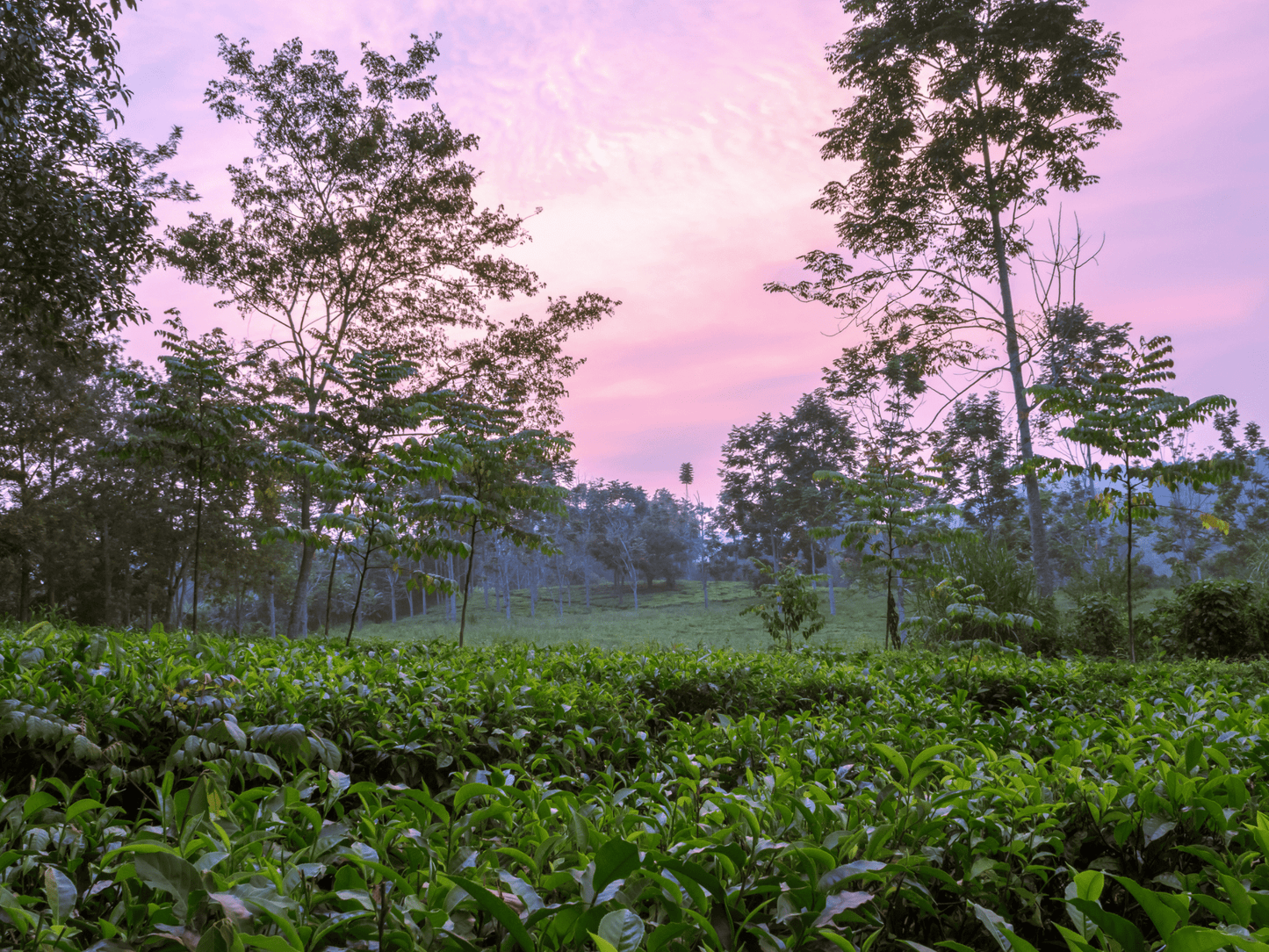


Tea Plant Seeds | (Camellia sinensis)
Tea Plant Seeds | (Camellia sinensis)
Every cup of tea ever brewed. Every empire that traded for it. One plant.
Camellia sinensis, the Tea Plant, is the source of every true tea consumed in the world, the single plant species from which green tea, black tea, white tea, oolong tea, pu-erh tea, and every other variety of tea is produced through different harvesting, oxidation, and processing techniques applied to the same leaf. It has been cultivated in China for at least 4,000 years and its trade history is inseparable from the history of global commerce, colonial empires, and the development of modern international trade routes. It is also a handsome, hardy evergreen shrub with fragrant white flowers in fall and a genuine cold-hardiness down to zone 7 that has surprised gardeners across the American South and Pacific Northwest who discover that they can grow their own tea. If you are looking to buy Tea Plant seeds or grow Camellia sinensis from seed, this is the most historically consequential plant in the history of human commerce, and every seed-grown plant produces its own unique leaf chemistry.
- The source of every true tea consumed worldwide, green, black, white, oolong, and pu-erh all come from this plant
- Has been cultivated in China for at least 4,000 years and traded globally for centuries
- Fragrant white flowers with yellow stamens in fall, ornamentally attractive as a garden evergreen
- Cold-hardy to zone 7, surprisingly adaptable to gardens of the American South and Pacific Northwest
- Seed-grown plants develop their own unique leaf chemistry producing teas with individual character
Things you probably did not know about the Tea Plant
The Boston Tea Party threw the tea of the East India Company, not generic tea, into Boston Harbor. The tea dumped into Boston Harbor in 1773 was specifically the property of the British East India Company, whose monopoly on tea trade was the political trigger for the protest. The East India Company's control of the tea trade from China and its new monopoly rights in the American colonies made tea simultaneously the most valuable commodity in the British trading network and the most visible symbol of colonial economic grievance. A plant species and its processed leaves created one of the most consequential political events in American history.
The difference between green tea and black tea is entirely in the processing, not the plant. Green tea and black tea come from the same Camellia sinensis leaves harvested from the same or similar plants. Green tea is produced by quickly heating the freshly picked leaves to stop oxidation, preserving the green color and grassy, astringent flavor profile. Black tea is produced by allowing the crushed leaves to oxidize fully before drying, which develops the brown color, lower astringency, and more robust flavor characteristic of black tea. White tea, oolong, and pu-erh each represent different points on the oxidation spectrum applied to the same leaf.
The global tea trade created the first international container shipping industry. The competitive demand for fresh Chinese tea in 19th century European and American markets drove the development of the tea clipper ship, the fastest sailing vessels ever built, designed specifically to race from Chinese ports to London and New York with the first new-season tea crop. The race to bring the first Darjeeling or Assam flush to market created premium pricing for speed that funded extraordinary shipbuilding innovation. The era of the tea clippers was the first genuine global commodity shipping market driven by consumer demand for freshness.
Caffeine in tea leaves evolved as a natural pesticide. The caffeine content of tea leaves was not selected by human breeders for its stimulating effect on humans but is a natural defense compound that evolved to deter insects and other herbivores from consuming the leaves. The same compound that makes tea attractive to humans evolved to make tea leaves unattractive to the organisms that would otherwise consume them. Human selection for high-caffeine varieties over millennia is one of history's longest-running cases of humans and plants co-evolving to mutual benefit.
Growing Details
- Botanical Name: Camellia sinensis
- Stratification: Required, 60 to 90 days cold moist stratification
- USDA Zones: 7 to 9
- Soil: Well-drained, moist, slightly acidic, rich in organic matter
- Light: Full sun to partial shade
- Height: 3 to 15 feet depending on pruning and variety
- Spread: 3 to 8 feet
- Growth Rate: Slow to moderate, 6 to 18 inches per year
Plant it in zone 7 or warmer in well-drained, slightly acidic soil. Harvest the young bud and first two leaves in spring, dry them briefly in a warm pan, steep in water just below boiling for two minutes, and drink the tea from your own plant. Very few garden experiences are more satisfying than that.
FAQ
FAQ
Do you pre-stratify the seeds?
Most of our seeds are not pre-stratified. They are stored under dry, cold conditions to preserve viability without initiating stratification, allowing you to time germination for your local growing season.
The exception is recalcitrant seeds. Because these seeds must remain moist to stay viable, they are kept in moist, cold storage and are therefore in a pre-stratified state. Depending on how long a particular batch has been stored, some may arrive with an emerging radicle and be ready to plant immediately. Radicle development is not guaranteed.
Please refer to the individual product page and included growing instructions for species-specific requirements.
Do any of your seeds need to stay moist? (Recalcitrant seeds)
Yes. Some species we offer, including Chestnut, Hazelnut, and Paw Paw, are recalcitrant and must remain moist to stay viable.
Please refrigerate these seeds immediately upon arrival unless they have already developed a radicle. Seeds with an emerging radicle should be planted promptly.
Do you ship internationally?
No. We currently ship within the United States only.
We previously shipped to Canada, but tariffs, duties, and import fees resulted in customers receiving significant and unpredictable additional charges upon delivery. Because we cannot reliably calculate or absorb these costs, we have suspended shipping to Canada.
At this time, we do not ship to Canada or other international destinations.
Shipping & What's Included
Shipping & What's Included
Shipping & Packaging
• Hand-packed in resealable kraft paper seed bags
• Stratification and planting instructions included on every seed pack
• Ships within 3–5 business days via USPS within the United States and U.S. territories
Return Policy
Return Policy
Due to the nature of our products, we do not accept returns on seeds.
If your order arrives damaged, contains incorrect items, or is missing items, please contact us within 7 days of delivery so we can resolve the issue.