

Striped Maple Tree Seeds | Moose Maple | (Acer pensylvanicum)
Striped Maple Tree Seeds | Moose Maple | (Acer pensylvanicum)
Green and white striped bark. The forest understory maple. The one the moose find first.
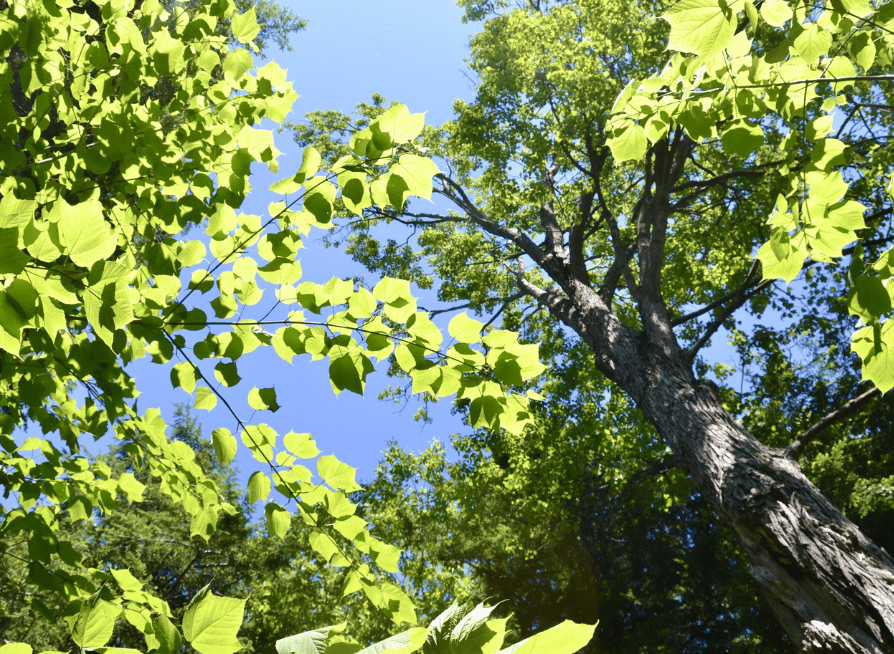
Acer pensylvanicum, the Striped Maple or Moosewood, is the only native North American snakebark maple, a close relative of the celebrated Asian snakebark species but the only member of its group growing wild in eastern North American forests, producing the characteristic green bark with brilliant white stripes that define the snakebark maple group in a native species that grows in the cool, shaded understory of northern hardwood forests from Nova Scotia through the Appalachians. Moose browse the bark and twigs so heavily that the tree is often called moosewood in reference to this preference, and the intense green of the striped young bark in winter makes it one of the most ornamentally distinctive native small trees available for shaded, cool woodland gardens. It is genuinely shade-tolerant in a way most ornamental trees are not, thriving in deep forest conditions where most other maples struggle. If you are looking to buy Striped Maple seeds or grow this native understory maple from seed, this is the maple that belongs in the woodland garden where other ornamental trees will not grow.
- Brilliant green bark with bright white vertical stripes, the only native North American snakebark maple
- Genuinely shade-tolerant, thriving in the deep forest understory where most ornamental trees fail
- Soft, large, three-lobed leaves creating bold texture in shaded garden spaces
- Brilliant yellow fall color, striking in the forest understory where yellow is less common than red
- Critical browse plant for moose, white-tailed deer, and snowshoe hare in northern forests
Things you probably did not know about the Striped Maple
It is one of the few native trees that can be legitimately considered a deer magnet rather than a deer deterrent. Striped Maple bark, twigs, and buds are among the most preferred food sources for white-tailed deer and moose in the northeastern forests, browsed intensively in winter when other food is scarce. In areas with high deer populations, newly established Striped Maple plants are often browsed to stubs repeatedly, requiring protection during establishment. The same characteristic that makes it ecologically important as a wildlife browse plant makes establishment challenging in deer-pressured gardens.
The bark photosynthesizes actively throughout winter, producing energy when no leaves are present. Like all snakebark maples and several other genera, Striped Maple bark contains chlorophyll in the living tissue just beneath the outer surface, carrying out photosynthesis through the winter months when the tree is otherwise dormant. The vivid green color of the striped bark in winter is direct evidence of this photosynthetic activity, and the white stripes are the lenticels that facilitate gas exchange required for this process. The winter bark photosynthesis supplements the tree's energy budget in ways that pure deciduous trees cannot.
It is the most shade-tolerant maple in eastern North America. Striped Maple grows naturally in the deepest shade of mature northern hardwood forests, persisting as a small understory tree in light conditions that would prevent most other trees from photosynthesizing enough to maintain themselves. This extreme shade tolerance is its primary ecological adaptation, allowing it to occupy the deep forest floor niche that excludes most other woody plants. In cultivation, this shade tolerance makes it uniquely valuable for woodland garden situations where most ornamental trees would decline.
The yellow fall color is one of the most reliable and pure yellows of any native maple. While Red Maple turns red, Sugar Maple turns orange and gold, and Striped Maple turns a clean, clear, butter-yellow that has few competitors in the understory layer of northern forests. In the context of the fall forest where red and orange dominate the canopy, the pure yellow of Striped Maple understory trees creates a visual layer distinction that makes the fall woodland more complex and more beautiful than a single color story could provide.
Growing Details
- Botanical Name: Acer pensylvanicum
- Stratification: Required, 90 to 120 days cold moist stratification
- USDA Zones: 3 to 7
- Soil: Moist, well-drained, cool, slightly acidic, rich in organic matter
- Light: Full shade to partial shade, one of the most shade-tolerant ornamental maples available
- Height: 15 to 30 feet
- Spread: 15 to 25 feet
- Growth Rate: Slow to moderate, 1 to 1.5 feet per year
Plant it in the shadiest, coolest woodland position available and protect young plants from deer browsing during establishment. Once mature it becomes one of the most distinctive bark trees in the winter woodland garden and the most unexpected source of yellow in the fall forest understory.
FAQ
FAQ
Do you pre-stratify the seeds?
Most of our seeds are not pre-stratified. They are stored under dry, cold conditions to preserve viability without initiating stratification, allowing you to time germination for your local growing season.
The exception is recalcitrant seeds. Because these seeds must remain moist to stay viable, they are kept in moist, cold storage and are therefore in a pre-stratified state. Depending on how long a particular batch has been stored, some may arrive with an emerging radicle and be ready to plant immediately. Radicle development is not guaranteed.
Please refer to the individual product page and included growing instructions for species-specific requirements.
Do any of your seeds need to stay moist? (Recalcitrant seeds)
Yes. Some species we offer, including Chestnut, Hazelnut, and Paw Paw, are recalcitrant and must remain moist to stay viable.
Please refrigerate these seeds immediately upon arrival unless they have already developed a radicle. Seeds with an emerging radicle should be planted promptly.
Do you ship internationally?
No. We currently ship within the United States only.
We previously shipped to Canada, but tariffs, duties, and import fees resulted in customers receiving significant and unpredictable additional charges upon delivery. Because we cannot reliably calculate or absorb these costs, we have suspended shipping to Canada.
At this time, we do not ship to Canada or other international destinations.
Shipping & What's Included
Shipping & What's Included
Shipping & Packaging
• Hand-packed in resealable kraft paper seed bags
• Stratification and planting instructions included on every seed pack
• Ships within 3–5 business days via USPS within the United States and U.S. territories
Return Policy
Return Policy
Due to the nature of our products, we do not accept returns on seeds.
If your order arrives damaged, contains incorrect items, or is missing items, please contact us within 7 days of delivery so we can resolve the issue.