

Southern Sweetbay Magnolia Seeds (Magnolia virginiana)
Southern Sweetbay Magnolia Seeds (Magnolia virginiana)
Semi-evergreen. Fragrant. At home in wet soil and dry alike.
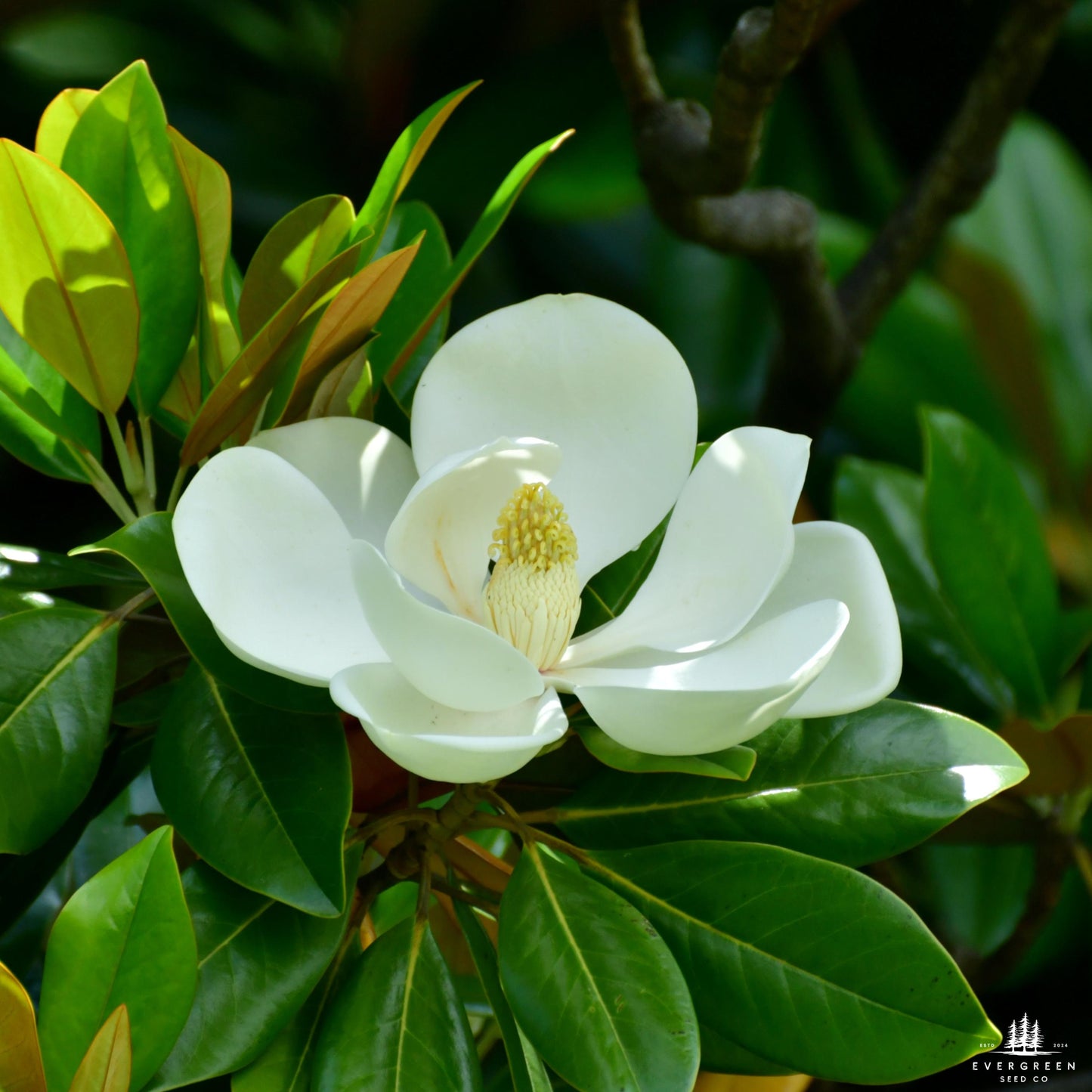
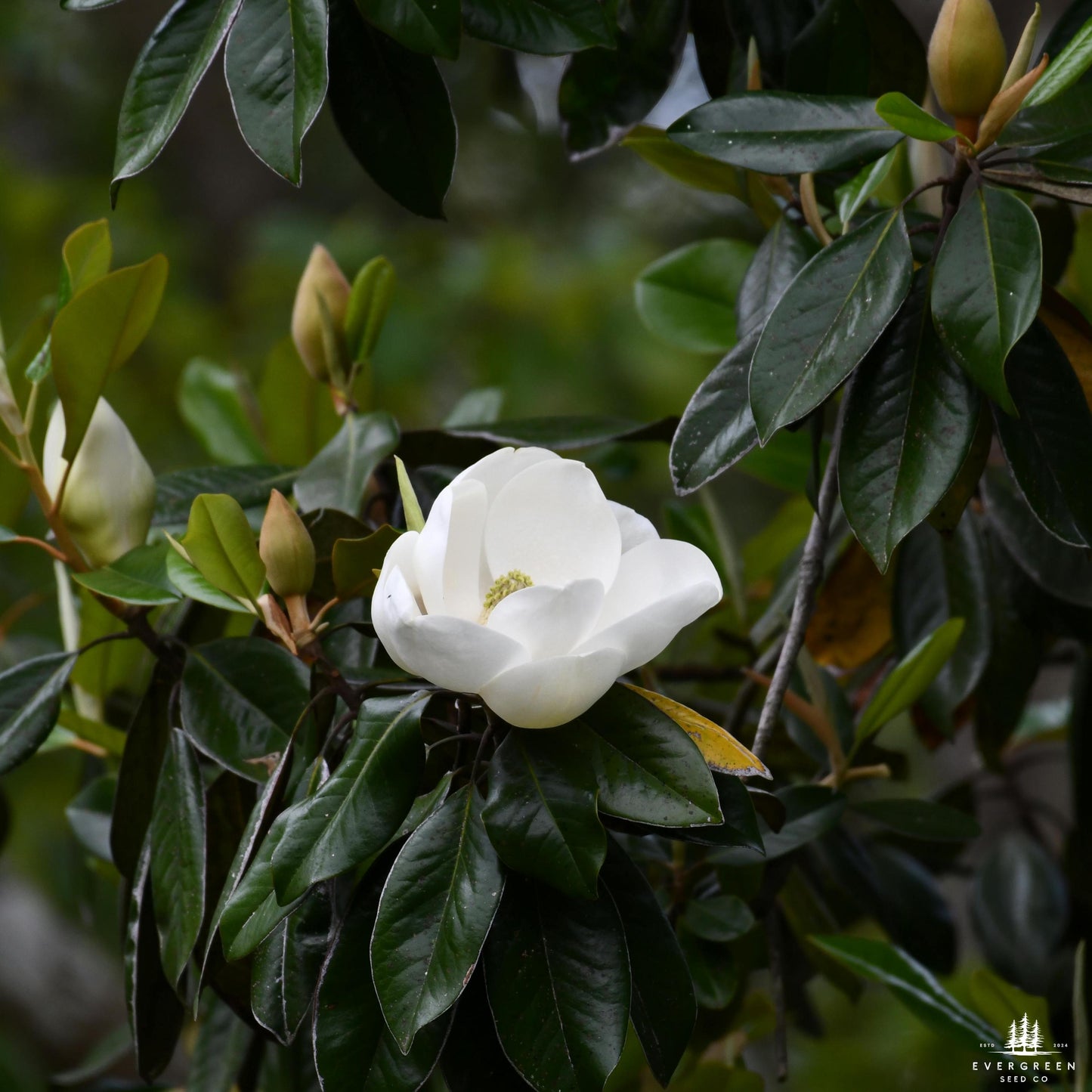
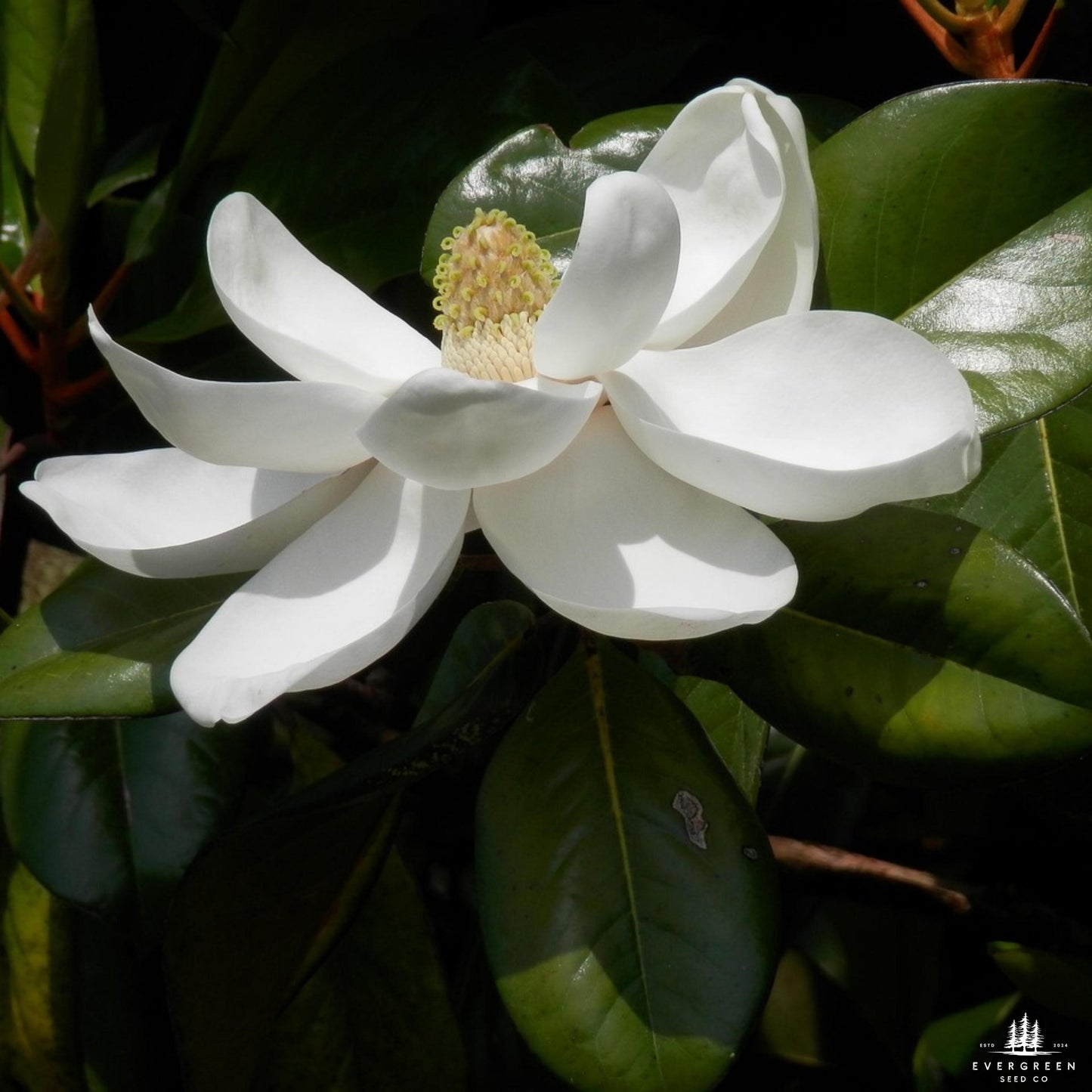
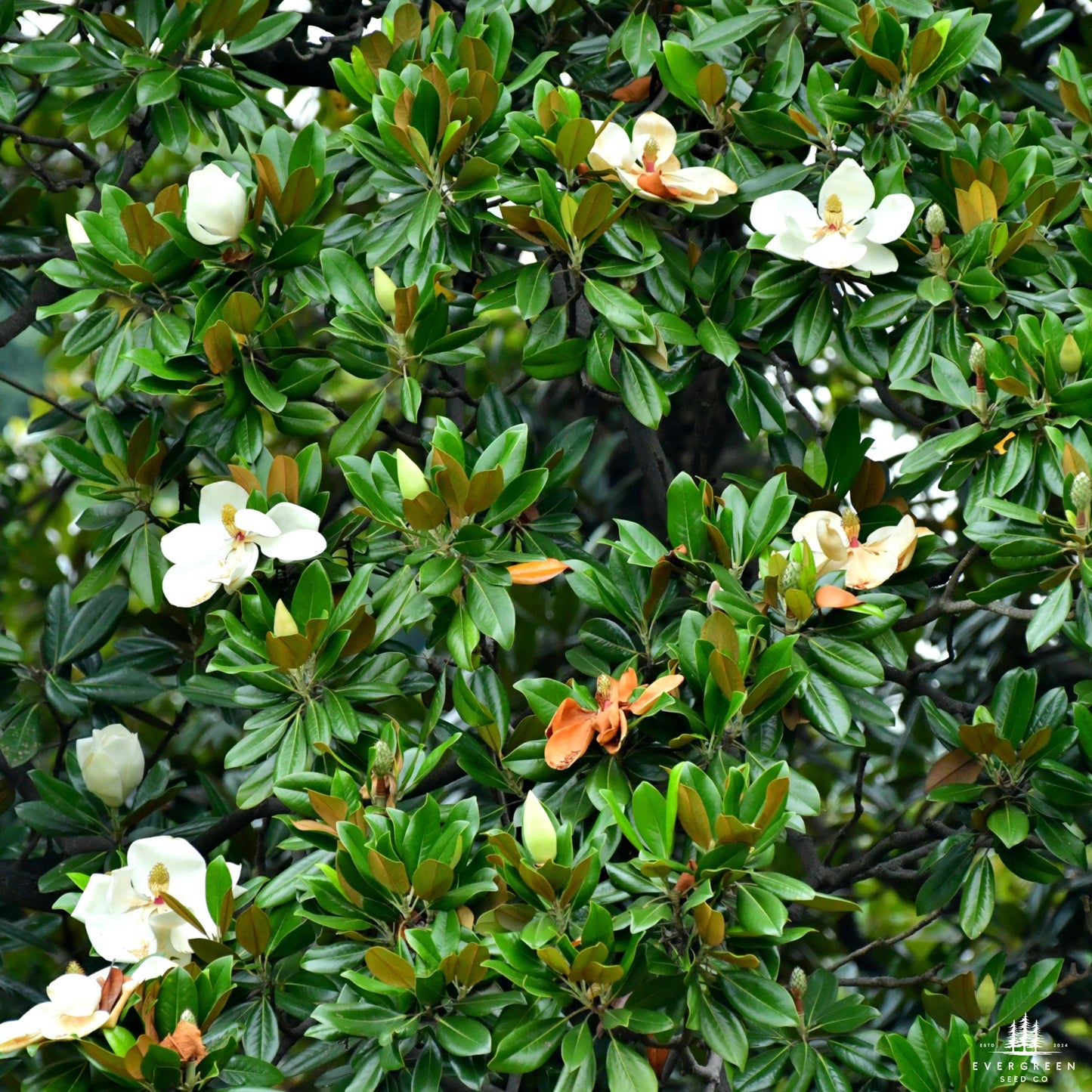
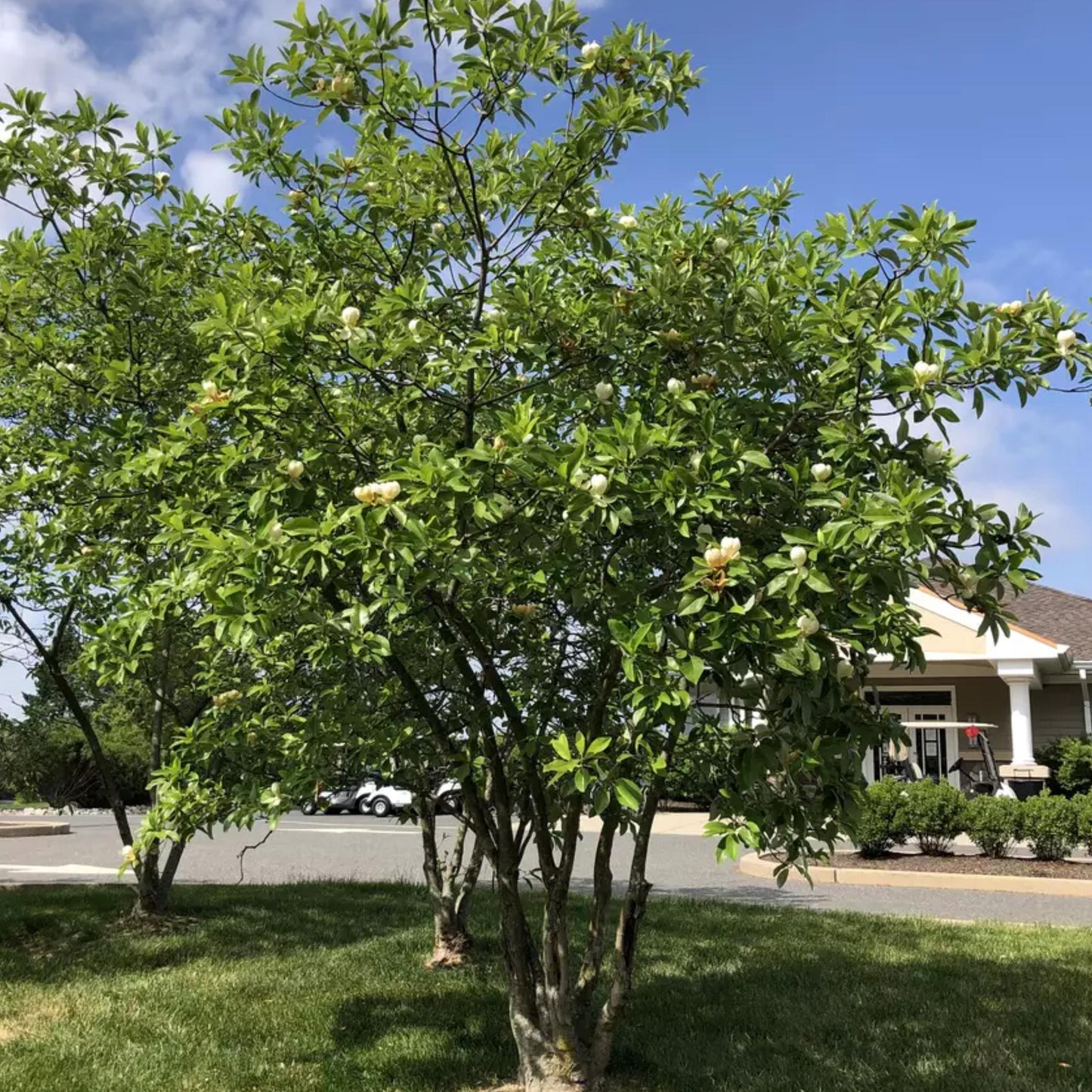
Magnolia virginiana, the Sweetbay Magnolia, is one of the most versatile and underplanted native magnolias in eastern North America, a graceful small to medium tree that produces creamy white, intensely lemon-scented flowers from late spring through summer and holds its leaves semi-evergreen through winter in all but the coldest parts of its range. Native from coastal Massachusetts to Florida and west to Texas, it grows naturally in wet woodland margins, swamp edges, and along streams where most other magnolias would not establish. The southern variety is larger, more evergreen, and more vigorous than northern populations, making it the most desirable form for landscape use across a wide range of climates. If you are looking to buy Sweetbay Magnolia seeds or grow this native magnolia from seed, this is the species that delivers fragrance, wildlife value, and four-season interest with the least fuss of any magnolia available.
- Creamy white, intensely lemon-scented flowers blooming repeatedly from late spring through summer
- Semi-evergreen to evergreen in mild climates, providing winter green in most of its range
- Native to wetland margins and stream banks, one of the most flood-tolerant magnolias available
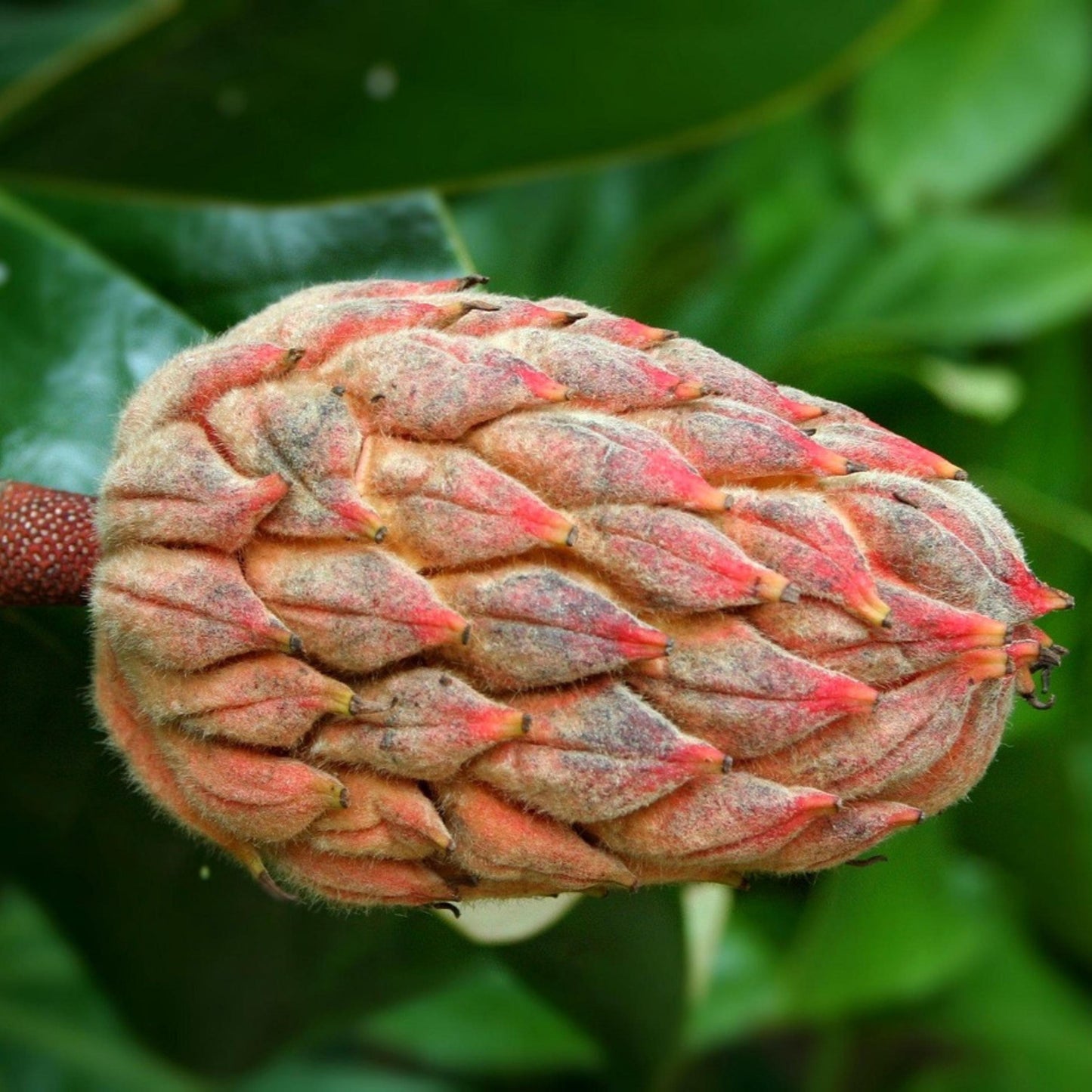
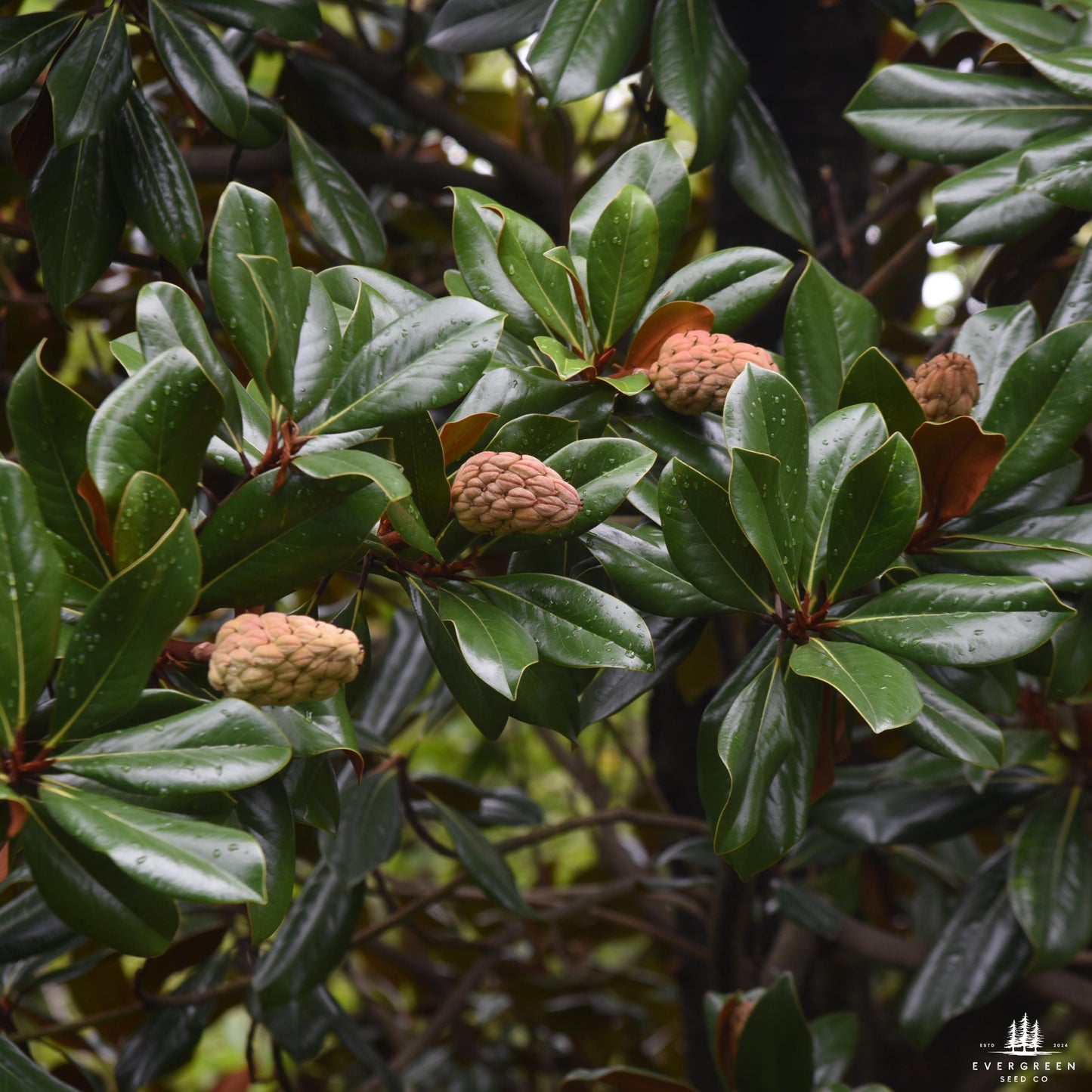
- Red seeds on bright red stalks in fall provide wildlife food and exceptional ornamental interest
- Host plant for the Spicebush Swallowtail and Palamedes Swallowtail butterflies
Things you probably did not know about the Sweetbay Magnolia
It blooms for months, not weeks. Unlike most spring-blooming magnolias that flower for two weeks and are done, Sweetbay Magnolia produces new flowers repeatedly from May through August, with peak bloom in early summer. The fragrance on a warm evening is intense enough to carry across a considerable distance. A single tree in bloom fills the entire surrounding garden with the scent of clean lemons.
The leaves are silvery white on the underside. Sweetbay Magnolia leaves are deep green on top and bright silver-white beneath, which creates a distinctive shimmering effect when the wind moves through the canopy. This two-toned leaf is one of the most distinctive ornamental features of the tree and is particularly effective when the tree is backlit by afternoon sun.
It was among the first American trees to be cultivated in European gardens. European botanists encountered Sweetbay Magnolia in colonial America in the early 1600s and it was one of the earliest American native trees to be introduced into cultivation in Britain. It has been grown in English gardens for over 400 years and is still considered one of the finest American trees for the British climate.
The bark and leaves have been used medicinally for centuries. Sweetbay Magnolia bark was used by Indigenous peoples and later by colonial physicians as a febrifuge, a fever-reducing treatment, and as a substitute for quinine in treating malaria-like fevers. The aromatic bark contains magnolol and honokiol, compounds with documented anti-inflammatory and anxiolytic properties that have been studied in modern pharmaceutical research.
Growing Details
- Botanical Name: Magnolia virginiana
- Stratification: Required, 60 to 90 days cold moist stratification
- USDA Zones: 5 to 10
- Soil: Adaptable, tolerates wet, poorly drained, or dry soils
- Light: Full sun to partial shade
- Height: 10 to 35 feet
- Spread: 10 to 25 feet
- Growth Rate: Moderate, 1 to 2 feet per year
Plant it near a window or a path where you will walk past it in June. The scent at dusk on a warm evening is worth more than any ornamental reason you could give for planting it.
FAQ
FAQ
Do you pre-stratify the seeds?
Most of our seeds are not pre-stratified. We ship them unstratified so you can control germination timing based on your local growing season. We sell to all 50 U.S. states and Canadian provinces, and since each region has different planting windows, pre-stratifying would risk seeds germinating in transit or before you're ready to plant.
True stratification requires cold, moist conditions, which can lead to premature sprouting or mold if not timed properly. To avoid this, we store most seeds in dry cold conditions to preserve viability — but this does not initiate stratification.
Do any of your seeds need to stay moist? (Recalcitrant seeds)
Yes — some species we offer are recalcitrant, meaning they must remain moist to stay viable and cannot be dried out. Examples include: Chestnut, Hazelnut, Paw Paw, etc.
These seeds are shipped in moist cold storage and are clearly labeled on the product page when applicable. Please refrigerate immediately upon arrival and follow included care instructions.
Do you ship internationally?
We currently ship to the United States and Canada only. Unfortunately, we cannot ship to other countries without a phytosanitary certificate, which is required by most international customs agencies.
If you're interested in shipping outside North America, please contact us. Note that a phytosanitary certificate typically adds $60–$80 USD per seed type and must be arranged in advance.
Shipping & What's Included
Shipping & What's Included
Shipping & Packaging
Hand-packed in resealable zipper kraft paper seed bags
Stratification and planting instructions included with every order
1 free bonus seed pack included with every order
Ships within 3–5 business days via USPS
Return Policy
Return Policy
Due to the nature of our products, we do not accept returns on seeds.
However, if your order arrives damaged or incorrect, please contact us within 7 days and we’ll make it right.