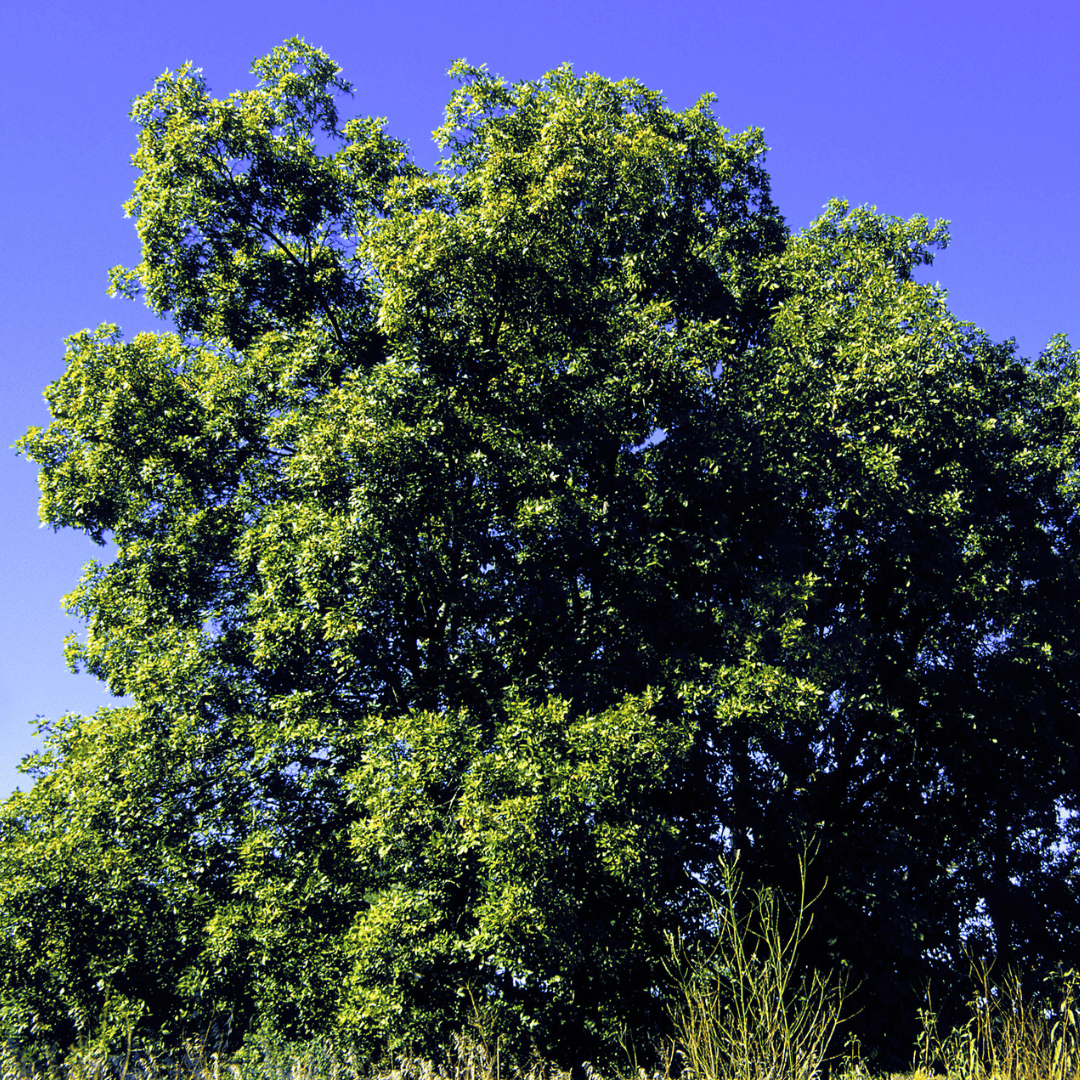


Shagbark Hickory Tree Seeds | Scalybark Hickory | (Carya ovata)
Shagbark Hickory Tree Seeds | Scalybark Hickory | (Carya ovata)
The most distinctive bark of any American tree. The best native nut for flavor.
Carya ovata, the Shagbark Hickory, is immediately recognizable from hundreds of feet away by its extraordinarily shaggy bark, long plates of gray-brown wood that curl away from the trunk at both ends in strips up to 18 inches long, creating the most distinctive and dramatic bark texture of any native tree in eastern North America. It is also the hickory species that produces the finest-flavored nuts, rich, complex, buttery, and sweet, with a flavor that many nut enthusiasts consider the best of any wild nut in North America. The wood is the hardest and most shock-resistant of any common North American hardwood, historically irreplaceable for tool handles, sports equipment, and smoking wood for the American barbecue tradition. If you are looking to buy Shagbark Hickory seeds or grow this iconic native from seed, this is the tree that defines the eastern hardwood forest in appearance, wildlife value, and culinary significance.
- The most dramatically shaggy bark of any native tree, long curling plates lifting away from the trunk on all sides
- Produces the finest-flavored native nuts of any hickory species, rich, buttery, and complex
- The hardest and most shock-resistant common hardwood in North America
- The traditional smoking wood for authentic American hickory barbecue
- Critical mast tree for deer, turkey, squirrel, bear, and numerous other wildlife species
Things you probably did not know about the Shagbark Hickory
The shaggy bark provides specific roosting habitat for bats that no other tree provides. The long, loose bark plates of Shagbark Hickory create the warm, dark crevices that several bat species, including the rare Indiana Bat, require for day roosting during the active season. Studies of Indiana Bat habitat requirements have identified Shagbark Hickory as one of the single most important tree species for this federally endangered bat because no other common tree produces bark crevices of the right size and insulation quality in sufficient quantity. Removing Shagbark Hickories from a forest directly reduces Indiana Bat roosting capacity.
The nuts were the most important nut food for most Indigenous peoples east of the Mississippi. Archaeological evidence from sites across the eastern woodlands documents hickory nut shells, primarily Shagbark and Shellbark, in extraordinary quantities indicating that hickory nuts were processed and consumed in very large amounts. Indigenous peoples developed specific techniques for cracking and processing hickory nuts into an oil-rich paste called hickory milk that was used in cooking corn hominy and other starchy foods. The combination of hickory nut oil and corn was one of the most important nutritional pairings in eastern woodland cuisine.
Hickory smoke is chemically different from other wood smokes. The chemical composition of Shagbark Hickory smoke, particularly its phenol and syringol content, produces flavors in smoked meat that are distinctly different from other hardwood smokes. The combination of these compounds creates the characteristic sweet, strong smoke flavor associated with authentic American barbecue that cannot be replicated with other woods. The specific chemistry of hickory smoke has been analyzed extensively by food scientists, confirming that the flavor is a result of specific compounds present in hickory wood and not in other smoking woods.
The nuts take 3 to 6 hours to crack and extract manually. Shagbark Hickory shells are among the hardest of any North American nut, requiring significant force to crack and then painstaking extraction to remove the kernel from the deeply grooved interior chambers. The difficulty of processing hickory nuts is the primary reason they are not commercially available despite being considered by many to have superior flavor to commercially available walnuts and pecans. The labor required makes them one of the few truly wild foods that remains outside the commercial supply chain.
Growing Details
- Botanical Name: Carya ovata
- Stratification: Required, 90 to 120 days cold moist stratification, recalcitrant seed, keep moist
- USDA Zones: 4 to 8
- Soil: Deep, well-drained, slightly acidic, rich bottomland to upland soils
- Light: Full sun
- Height: 60 to 80 feet
- Spread: 25 to 35 feet
- Growth Rate: Slow, 1 to 1.5 feet per year
Plant it where you will see the bark on a winter afternoon when the low sun catches those lifting plates from the side. Then plant it where it will still be dropping nuts in 100 years.
FAQ
FAQ
Do you pre-stratify the seeds?
Most of our seeds are not pre-stratified. They are stored under dry, cold conditions to preserve viability without initiating stratification, allowing you to time germination for your local growing season.
The exception is recalcitrant seeds. Because these seeds must remain moist to stay viable, they are kept in moist, cold storage and are therefore in a pre-stratified state. Depending on how long a particular batch has been stored, some may arrive with an emerging radicle and be ready to plant immediately. Radicle development is not guaranteed.
Please refer to the individual product page and included growing instructions for species-specific requirements.
Do any of your seeds need to stay moist? (Recalcitrant seeds)
Yes. Some species we offer, including Chestnut, Hazelnut, and Paw Paw, are recalcitrant and must remain moist to stay viable.
Please refrigerate these seeds immediately upon arrival unless they have already developed a radicle. Seeds with an emerging radicle should be planted promptly.
Do you ship internationally?
No. We currently ship within the United States only.
We previously shipped to Canada, but tariffs, duties, and import fees resulted in customers receiving significant and unpredictable additional charges upon delivery. Because we cannot reliably calculate or absorb these costs, we have suspended shipping to Canada.
At this time, we do not ship to Canada or other international destinations.
Shipping & What's Included
Shipping & What's Included
Shipping & Packaging
• Hand-packed in resealable kraft paper seed bags
• Stratification and planting instructions included on every seed pack
• Ships within 3–5 business days via USPS within the United States and U.S. territories
Return Policy
Return Policy
Due to the nature of our products, we do not accept returns on seeds.
If your order arrives damaged, contains incorrect items, or is missing items, please contact us within 7 days of delivery so we can resolve the issue.