

Serbian Spruce Tree Seeds (Picea omorika)
Serbian Spruce Tree Seeds (Picea omorika)
The most graceful spruce in cultivation. Narrow, elegant, and built for mountains.
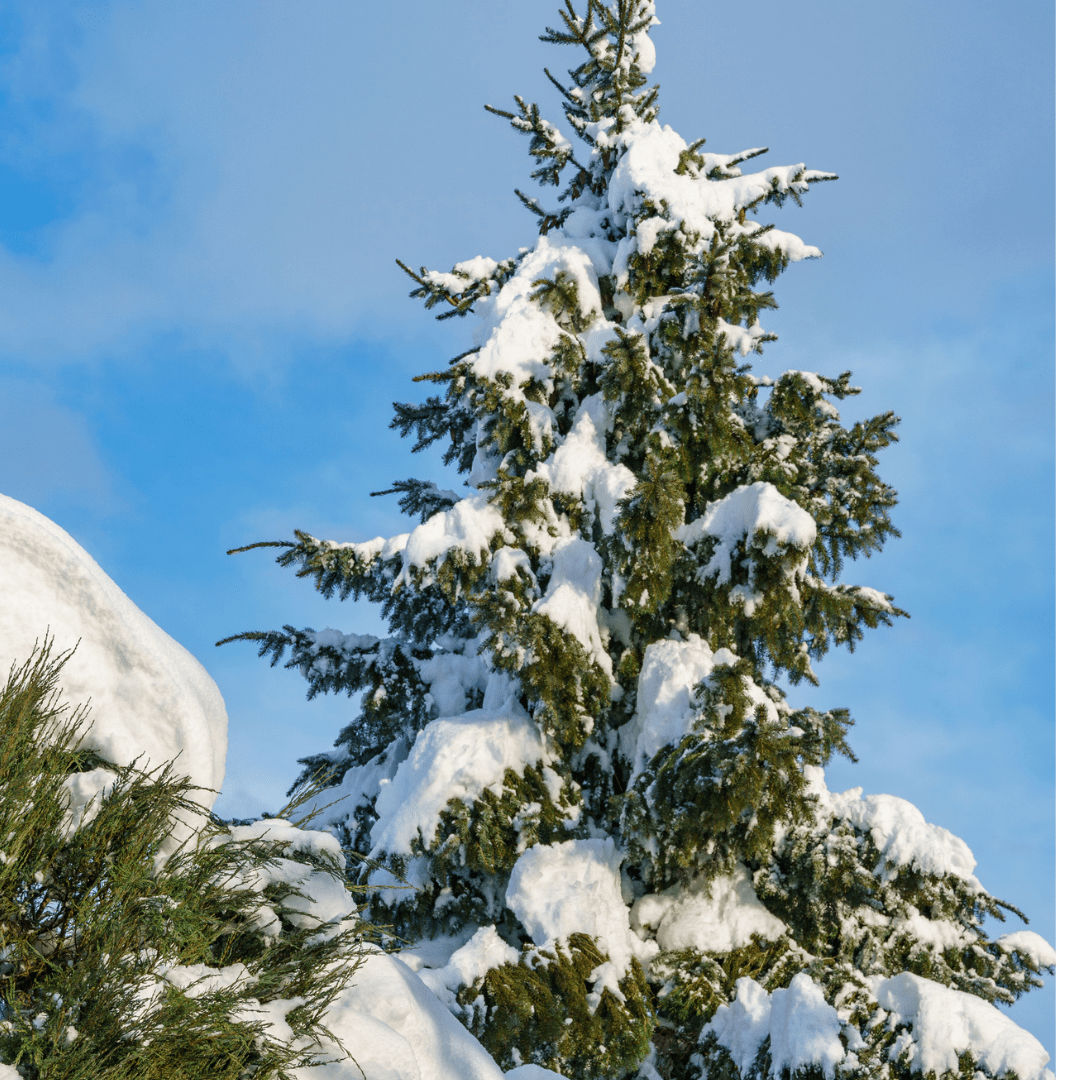
Picea omorika, the Serbian Spruce, is widely considered the most ornamentally refined spruce available to temperate growers, its narrow, spire-like form with slightly drooping branches curving gracefully upward at the tips creating an elegant, layered silhouette that no other spruce matches. It is native to a single small area along the Drina River valley in Serbia and Bosnia, one of the most geographically restricted distributions of any major conifer in Europe, yet it grows with equal success in a wide range of garden conditions across the temperate world. Cold-hardy, adaptable, and resistant to many of the diseases and pests that trouble other spruces, it is the spruce to plant when the garden calls for a vertical evergreen element with genuine refinement. If you are looking to buy Serbian Spruce seeds or grow this elegant conifer from seed, this is the spruce that belongs in every serious conifer garden.
- Narrow, spire-like form with gracefully drooping branches curving upward at the tips, the most elegant spruce silhouette
- Two-toned needles, dark green above and bright silver-white beneath, shimmering in movement
- Tolerates urban pollution, drought, clay soils, and a wide range of pH better than most spruces
- Native to a geographically restricted area in the Balkans, one of the most range-limited major conifers in Europe
- Cold-hardy and long-lived, a reliable evergreen specimen for formal and informal garden settings
Things you probably did not know about the Serbian Spruce
It is a genuine Pleistocene relic. During the last Ice Age, Serbian Spruce was one of the species that persisted in the Balkan refugia, the areas of southern Europe that remained ice-free and served as seed populations from which European forests recolonized the continent after glaciation. The restricted current range of Serbian Spruce represents a contraction from a much wider post-Ice Age distribution rather than the species' historical maximum. It is a survivor of the same climatic history that shaped the European forest.
The drooping branch tips are a structural snow-shedding adaptation. The slightly pendulous branches of Serbian Spruce with their upturned tips create a form that sheds heavy snow loads more effectively than the rigid horizontal branches of Norway Spruce. The tips flex under snow weight and spring back as the snow slides off, reducing the branch breakage that commonly damages other spruces in heavy snow regions. The elegant form is simultaneously functional engineering.
It tolerates air pollution better than any other spruce species. Serbian Spruce has been evaluated in air pollution tolerance studies in European cities and consistently outperforms Norway Spruce, Blue Spruce, and other commonly planted spruce species for resistance to sulfur dioxide and ozone. This tolerance made it the preferred spruce for street planting in polluted European cities from the mid-20th century onward.
The entire wild population is estimated at fewer than 60,000 trees. The native Serbian Spruce population in the Drina River canyon is one of the smallest wild populations of any major European conifer. The trees grow on steep, inaccessible limestone gorge walls that protected them from logging for centuries. The population is stable but the extreme geographical restriction makes it biologically significant. Cultivated populations worldwide now far outnumber the wild trees.
Growing Details
- Botanical Name: Picea omorika
- Stratification: Required, 30 to 60 days cold stratification
- USDA Zones: 4 to 7
- Soil: Adaptable, tolerates clay, alkaline, and dry soils, prefers moist and well-drained conditions
- Light: Full sun to partial shade
- Height: 50 to 60 feet
- Spread: 10 to 15 feet
- Growth Rate: Slow to moderate, 6 to 12 inches per year
Plant it as a specimen where the narrow vertical form will be visible from a distance. It earns its placement more completely than almost any other conifer.
FAQ
FAQ
Do you pre-stratify the seeds?
Most of our seeds are not pre-stratified. They are stored under dry, cold conditions to preserve viability without initiating stratification, allowing you to time germination for your local growing season.
The exception is recalcitrant seeds. Because these seeds must remain moist to stay viable, they are kept in moist, cold storage and are therefore in a pre-stratified state. Depending on how long a particular batch has been stored, some may arrive with an emerging radicle and be ready to plant immediately. Radicle development is not guaranteed.
Please refer to the individual product page and included growing instructions for species-specific requirements.
Do any of your seeds need to stay moist? (Recalcitrant seeds)
Yes. Some species we offer, including Chestnut, Hazelnut, and Paw Paw, are recalcitrant and must remain moist to stay viable.
Please refrigerate these seeds immediately upon arrival unless they have already developed a radicle. Seeds with an emerging radicle should be planted promptly.
Do you ship internationally?
No. We currently ship within the United States only.
We previously shipped to Canada, but tariffs, duties, and import fees resulted in customers receiving significant and unpredictable additional charges upon delivery. Because we cannot reliably calculate or absorb these costs, we have suspended shipping to Canada.
At this time, we do not ship to Canada or other international destinations.
Shipping & What's Included
Shipping & What's Included
Shipping & Packaging
• Hand-packed in resealable kraft paper seed bags
• Stratification and planting instructions included on every seed pack
• Ships within 3–5 business days via USPS within the United States and U.S. territories
Return Policy
Return Policy
Due to the nature of our products, we do not accept returns on seeds.
If your order arrives damaged, contains incorrect items, or is missing items, please contact us within 7 days of delivery so we can resolve the issue.