

Sea Island Cotton Seeds | Egyptian Cotton | (Gossypium barbadense)
Sea Island Cotton Seeds | Egyptian Cotton | (Gossypium barbadense)
The finest cotton in the world. A remarkable plant with an extraordinary history.
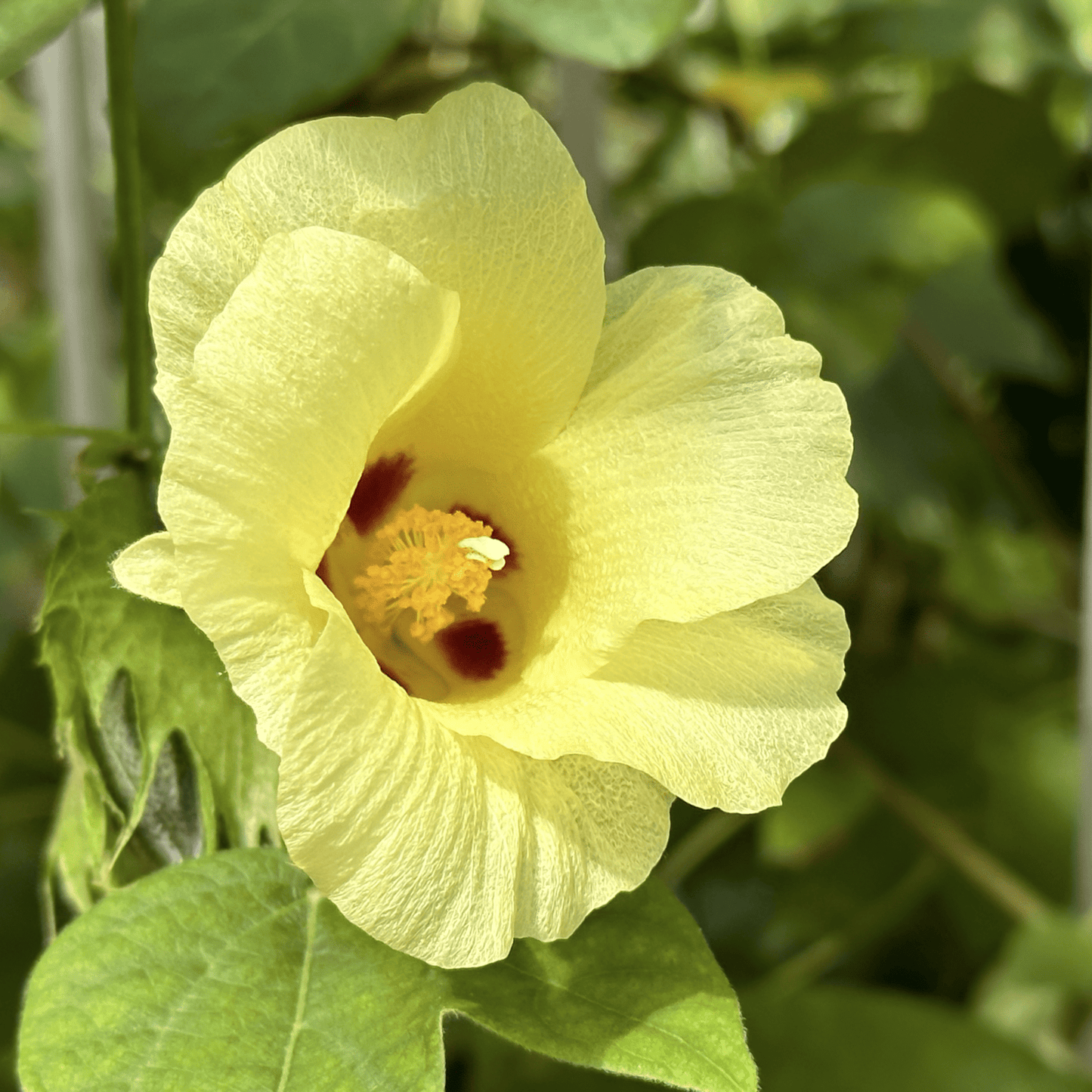
Gossypium barbadense, Sea Island Cotton, is the long-staple cotton species that produced the most valuable and sought-after textile fiber in history, cultivated on the Sea Islands of South Carolina and Georgia from the 1790s and commanding prices two to three times higher than upland cotton because of its extraordinary silky fiber length and strength. It is a beautiful tropical plant with large yellow flowers marked with deep purple centers that age to pink and rose, ornamental by any measure, and produces the cotton bolls filled with the exceptionally long, lustrous fibers that made it the most prized raw material in the textile industry for over a century. If you are looking to buy Sea Island Cotton seeds or grow this historically significant plant, this is a textile and ornamental plant with one of the most compelling stories in American agricultural history.
- Produces the longest, finest, most lustrous cotton fiber of any cotton species, historically the most valuable textile fiber in America
- Beautiful yellow flowers with deep purple centers ageing to pink and rose, ornamental across its blooming period
- Tropical perennial grown as an annual in temperate climates, fast-growing and productive in warm conditions
- One of the most historically significant agricultural plants in American history
- Native to South America, adapted to warm, humid coastal conditions
Things you probably did not know about Sea Island Cotton
Sea Island Cotton made a small group of South Carolina and Georgia planters the wealthiest people in North America. At its peak in the early 19th century, Sea Island Cotton sold for prices that made its producers extraordinarily rich by the standards of the time. The per-pound value of Sea Island Cotton fiber exceeded that of gold by weight in premium years. The entire economy of the South Carolina and Georgia Sea Islands was built on it.
The Egyptian cotton you buy at department stores is a descendant of Sea Island Cotton. Egyptian long-staple cotton, marketed today as the premium cotton for bedsheets and luxury textiles, is largely derived from Gossypium barbadense varieties developed from Sea Island Cotton genetics. The long, silky fiber that makes Egyptian cotton sheets feel distinctive traces back to the same species grown on the South Carolina coast two centuries ago.
The Civil War destroyed the Sea Island Cotton industry. Union forces occupied the Sea Islands early in the Civil War and the enslaved population that had maintained the crop was emancipated. The specific knowledge, techniques, and labor organization required to grow and process Sea Island Cotton was dispersed and never reassembled at scale. The industry never fully recovered. Within a few decades the Sea Islands had shifted to other crops and the dominance of Sea Island Cotton in the global textile market was over.
The purple center of the flower serves as a nectar guide for pollinators. The deep purple-maroon center of the Sea Island Cotton flower is precisely located at the entrance to the nectary, guiding bees and other pollinators to the pollen and nectar source. The color is visible in both the human visual spectrum and in the ultraviolet range that bees see, making it twice as effective as a directional signal.
Growing Details
- Botanical Name: Gossypium barbadense
- Stratification: Not required
- Annual in temperate climates, perennial in zones 9 to 11
- USDA Zones: 9 to 11 as a perennial, grown as an annual in zones 7 to 8 with a long growing season
- Soil: Well-drained, fertile, slightly acidic, prefers sandy loam
- Light: Full sun
- Height: 4 to 6 feet
- Spread: 3 to 5 feet
- Growth Rate: Fast, reaching flowering size in a single season
Grow it for the flowers as much as the history. Few ornamental plants carry this weight of story in a seed this small.
FAQ
FAQ
Do you pre-stratify the seeds?
Most of our seeds are not pre-stratified. They are stored under dry, cold conditions to preserve viability without initiating stratification, allowing you to time germination for your local growing season.
The exception is recalcitrant seeds. Because these seeds must remain moist to stay viable, they are kept in moist, cold storage and are therefore in a pre-stratified state. Depending on how long a particular batch has been stored, some may arrive with an emerging radicle and be ready to plant immediately. Radicle development is not guaranteed.
Please refer to the individual product page and included growing instructions for species-specific requirements.
Do any of your seeds need to stay moist? (Recalcitrant seeds)
Yes. Some species we offer, including Chestnut, Hazelnut, and Paw Paw, are recalcitrant and must remain moist to stay viable.
Please refrigerate these seeds immediately upon arrival unless they have already developed a radicle. Seeds with an emerging radicle should be planted promptly.
Do you ship internationally?
No. We currently ship within the United States only.
We previously shipped to Canada, but tariffs, duties, and import fees resulted in customers receiving significant and unpredictable additional charges upon delivery. Because we cannot reliably calculate or absorb these costs, we have suspended shipping to Canada.
At this time, we do not ship to Canada or other international destinations.
Shipping & What's Included
Shipping & What's Included
Shipping & Packaging
• Hand-packed in resealable kraft paper seed bags
• Stratification and planting instructions included on every seed pack
• Ships within 3–5 business days via USPS within the United States and U.S. territories
Return Policy
Return Policy
Due to the nature of our products, we do not accept returns on seeds.
If your order arrives damaged, contains incorrect items, or is missing items, please contact us within 7 days of delivery so we can resolve the issue.