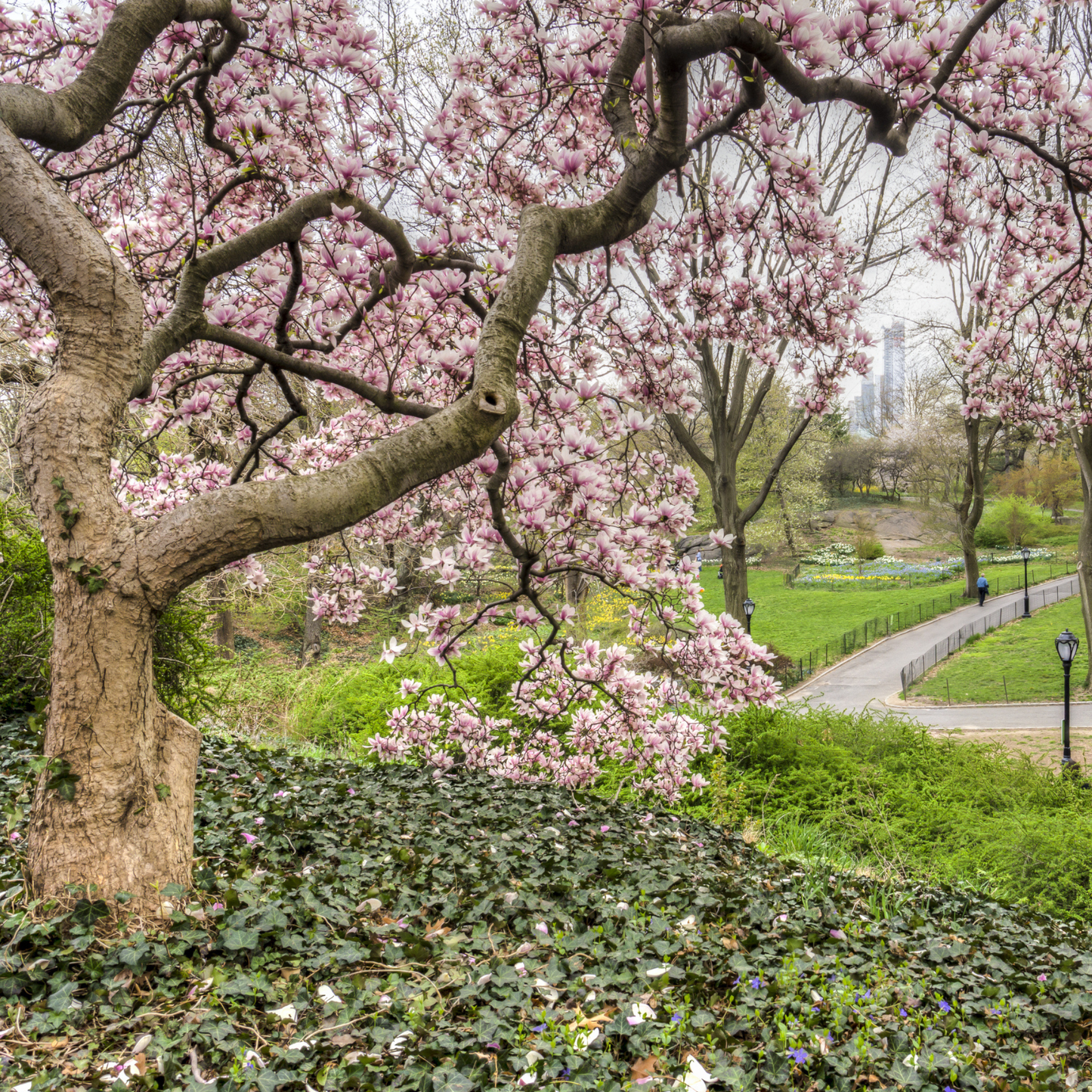


Saucer Magnolia Tree Seeds | Tulip Magnolia | (Magnolia × soulangeana)
Saucer Magnolia Tree Seeds | Tulip Magnolia | (Magnolia × soulangeana)
The first explosion of color in the spring garden. The magnolia everyone recognizes.
Magnolia x soulangeana, the Saucer Magnolia, is the most widely planted ornamental magnolia in the world, the hybrid whose massive, tulip-shaped flowers in shades of deep rose, purple-pink, and white have become one of the defining images of spring in temperate gardens from New England to Japan. It blooms before its leaves emerge, covering the entire canopy in flowers for two to three weeks in early spring when almost nothing else is open, creating a display of color and scale that stops everyone who sees it. It develops into a graceful multi-stemmed small tree with attractive smooth gray bark and bold, tropical-looking foliage through summer. Seed-grown Saucer Magnolias produce natural variation in flower color and form that clonally propagated nursery trees cannot provide. If you are looking to buy Saucer Magnolia seeds or grow this iconic flowering tree from seed, this is the hybrid that has defined spring beauty in temperate gardens for 200 years.
- Massive tulip-shaped flowers in deep rose to purple-pink and white blooming on bare branches in early spring
- The most widely planted ornamental magnolia in the world, grown in temperate gardens on every continent
- Multi-stemmed, graceful form with smooth gray bark attractive in every season
- Seed-grown specimens produce natural variation in flower color, form, and bloom intensity
- Bold tropical-looking summer foliage provides structure through the growing season
Things you probably did not know about the Saucer Magnolia
It was bred by a French cavalry officer in his garden in 1820. Etienne Soulange-Bodin, a French army officer who served in the Napoleonic Wars and later became a horticulturist, created the first Saucer Magnolia hybrid by crossing Magnolia liliiflora with Magnolia denudata in his garden at Fromont near Paris around 1820. He dedicated the rest of his life to horticulture after the wars and the magnolia he bred became his most lasting legacy. The species name soulangeana honors him directly.
The flowers often get caught by late frosts because they open so early. Saucer Magnolia blooms in late March or early April in most temperate climates, timing that makes it vulnerable to the late frosts that occur in that period in zones 5 and 6. A hard frost after the flowers have opened turns them brown overnight in a dramatic shift. Planting on a north-facing slope or in a location that delays early warming can help protect the bloom window.
The hybrid vigor comes from crossing two species from opposite regions of Asia. Magnolia denudata is native to central China and produces pure white flowers, while Magnolia liliiflora from southwestern China produces deep purple blooms. Crossing these two species created offspring with larger flowers and the distinctive pink-purple tones with white interiors that define Saucer Magnolia.
Seed-grown plants take time but reward patience. Commercial Saucer Magnolias are typically grafted to accelerate flowering. Seed-grown trees develop on their own root systems and are often longer-lived and more resilient, but they may take 10 to 15 years to bloom. When they do, the payoff is unmistakable.
Growing Details
- Botanical Name: Magnolia x soulangeana
- Stratification: Required, 90 to 120 days cold moist stratification
- USDA Zones: 5 to 9
- Soil: Well-drained, moist, slightly acidic, rich in organic matter
- Light: Full sun to partial shade, protected from late frost if possible
- Height: 20 to 30 feet
- Spread: 20 to 30 feet
- Growth Rate: Slow to moderate, 1 to 1.5 feet per year
Plant it where you will see it from inside in April and where late frost is least likely to catch the flowers. When it finally blooms, it earns every year of waiting.
FAQ
FAQ
Do you pre-stratify the seeds?
Most of our seeds are not pre-stratified. They are stored under dry, cold conditions to preserve viability without initiating stratification, allowing you to time germination for your local growing season.
The exception is recalcitrant seeds. Because these seeds must remain moist to stay viable, they are kept in moist, cold storage and are therefore in a pre-stratified state. Depending on how long a particular batch has been stored, some may arrive with an emerging radicle and be ready to plant immediately. Radicle development is not guaranteed.
Please refer to the individual product page and included growing instructions for species-specific requirements.
Do any of your seeds need to stay moist? (Recalcitrant seeds)
Yes. Some species we offer, including Chestnut, Hazelnut, and Paw Paw, are recalcitrant and must remain moist to stay viable.
Please refrigerate these seeds immediately upon arrival unless they have already developed a radicle. Seeds with an emerging radicle should be planted promptly.
Do you ship internationally?
No. We currently ship within the United States only.
We previously shipped to Canada, but tariffs, duties, and import fees resulted in customers receiving significant and unpredictable additional charges upon delivery. Because we cannot reliably calculate or absorb these costs, we have suspended shipping to Canada.
At this time, we do not ship to Canada or other international destinations.
Shipping & What's Included
Shipping & What's Included
Shipping & Packaging
• Hand-packed in resealable kraft paper seed bags
• Stratification and planting instructions included on every seed pack
• Ships within 3–5 business days via USPS within the United States and U.S. territories
Return Policy
Return Policy
Due to the nature of our products, we do not accept returns on seeds.
If your order arrives damaged, contains incorrect items, or is missing items, please contact us within 7 days of delivery so we can resolve the issue.