

Sargent Cherry Tree Seeds | North Japanese Hill Cherry | (Prunus sargentii)
Sargent Cherry Tree Seeds | North Japanese Hill Cherry | (Prunus sargentii)
The hardiest and most spectacular of all flowering cherries. Built to last.
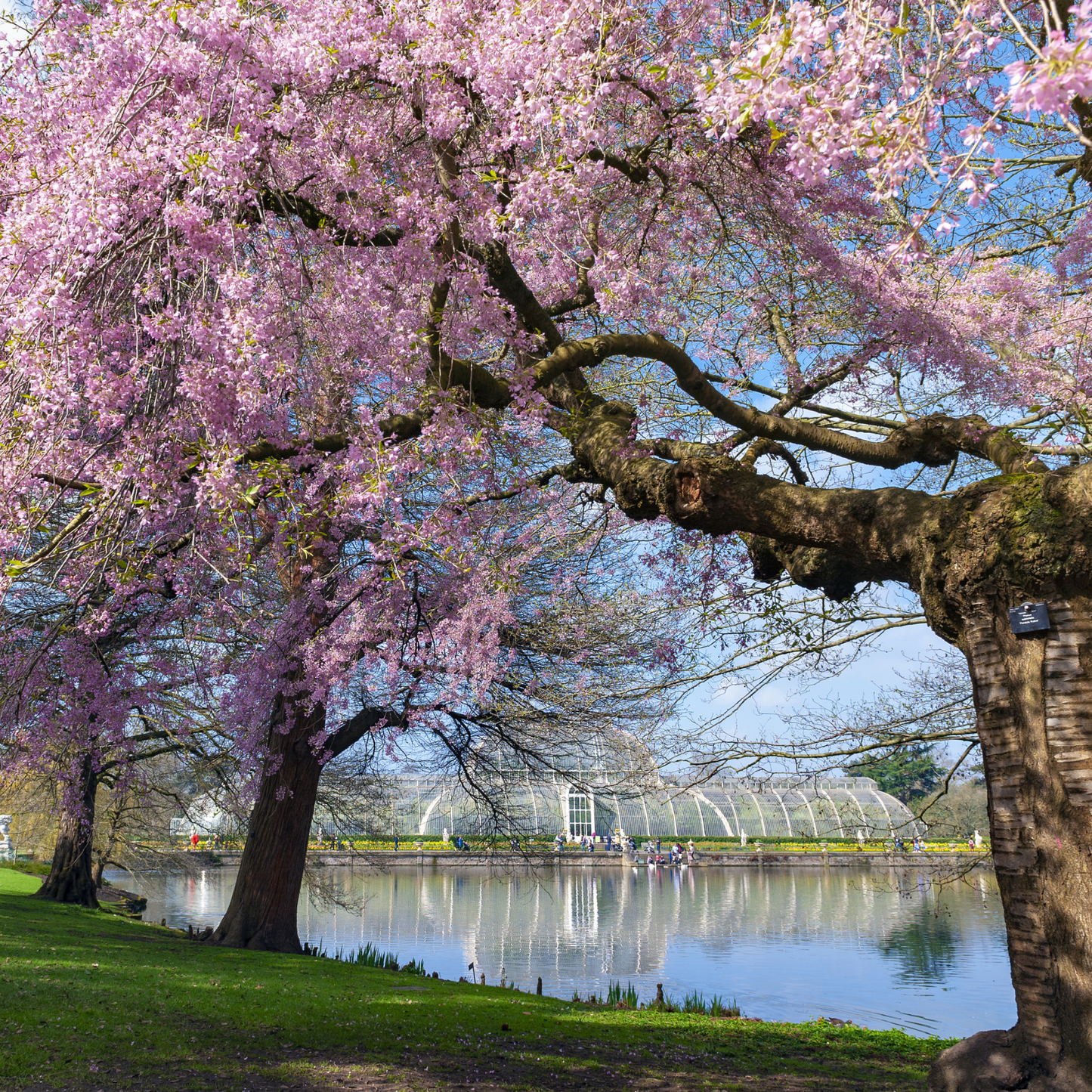
Prunus sargentii, the Sargent Cherry, is widely considered the finest flowering cherry for cold climates and long-term landscape use, more cold-hardy than most Japanese ornamental cherries, more disease-resistant than most ornamental Prunus species, and producing a fall color display in deep burgundy and crimson that rivals the spring flower show for intensity and longevity. Its single pink flowers in early spring open before the leaves on stems that develop into a broad, vase-shaped canopy, and the dark, polished, horizontal-banded bark characteristic of all cherries develops into a particularly attractive surface on mature specimens. Named for Charles Sargent, the first director of the Arnold Arboretum, it is the cherry that professional landscape architects specify when they want a flowering tree that will still be performing beautifully in 50 years. If you are looking to buy Sargent Cherry seeds or grow this outstanding flowering cherry from seed, this is the species that outlasts and outperforms most of its relatives.
- More cold-hardy than most ornamental cherries, thriving in zone 4 where Japanese cherry cultivars often fail
- Single pink flowers in early spring followed by small dark cherries relished by birds
- Brilliant burgundy and crimson fall color, one of the best fall displays of any flowering cherry
- More disease-resistant and longer-lived than most ornamental Prunus species
- Develops into a broad, vase-shaped canopy tree rather than remaining a shrub-like form
Things you probably did not know about the Sargent Cherry
Charles Sargent collected the original specimens in Japan in the 1890s. Sargent traveled to Japan to document and collect ornamental trees, sending hundreds of specimens back to the Arnold Arboretum. The cherry that bears his name was among his most significant introductions and remains widely cultivated more than a century later.
It is the parent of many modern ornamental cherries. Sargent Cherry has been used extensively in breeding programs due to its cold hardiness, disease resistance, and fall color. Many widely planted cherry cultivars inherit key traits from this species, making it one of the most influential cherries in horticulture.
The fall color begins earlier than most trees. Sargent Cherry often starts developing deep burgundy tones in late September, ahead of most surrounding trees. The color intensifies through October and holds well, extending the visual impact of the tree deep into the season.
It can live for generations. While many ornamental cherries decline after a few decades, Sargent Cherry can live 75 to 100 years or more under good conditions. Specimens planted in the early 1900s are still thriving in major arboreta, proving its long-term durability.
Growing Details
- Botanical Name: Prunus sargentii
- Stratification: Required, 90 to 120 days cold moist stratification
- USDA Zones: 4 to 7
- Soil: Well-drained, fertile, slightly acidic
- Light: Full sun
- Height: 40 to 50 feet
- Spread: 40 to 50 feet
- Growth Rate: Moderate, 1 to 1.5 feet per year
Plant it where it has room to develop its full canopy and where you will see both the spring flowers and the fall color. In 30 years it becomes the tree everything else orbits around.
FAQ
FAQ
Do you pre-stratify the seeds?
Most of our seeds are not pre-stratified. They are stored under dry, cold conditions to preserve viability without initiating stratification, allowing you to time germination for your local growing season.
The exception is recalcitrant seeds. Because these seeds must remain moist to stay viable, they are kept in moist, cold storage and are therefore in a pre-stratified state. Depending on how long a particular batch has been stored, some may arrive with an emerging radicle and be ready to plant immediately. Radicle development is not guaranteed.
Please refer to the individual product page and included growing instructions for species-specific requirements.
Do any of your seeds need to stay moist? (Recalcitrant seeds)
Yes. Some species we offer, including Chestnut, Hazelnut, and Paw Paw, are recalcitrant and must remain moist to stay viable.
Please refrigerate these seeds immediately upon arrival unless they have already developed a radicle. Seeds with an emerging radicle should be planted promptly.
Do you ship internationally?
No. We currently ship within the United States only.
We previously shipped to Canada, but tariffs, duties, and import fees resulted in customers receiving significant and unpredictable additional charges upon delivery. Because we cannot reliably calculate or absorb these costs, we have suspended shipping to Canada.
At this time, we do not ship to Canada or other international destinations.
Shipping & What's Included
Shipping & What's Included
Shipping & Packaging
• Hand-packed in resealable kraft paper seed bags
• Stratification and planting instructions included on every seed pack
• Ships within 3–5 business days via USPS within the United States and U.S. territories
Return Policy
Return Policy
Due to the nature of our products, we do not accept returns on seeds.
If your order arrives damaged, contains incorrect items, or is missing items, please contact us within 7 days of delivery so we can resolve the issue.