

Red Alder Tree Seeds | Western Alder | (Alnus rubra)
Red Alder Tree Seeds | Western Alder | (Alnus rubra)
The fastest-growing hardwood of the Pacific Northwest. A soil builder that transforms land.
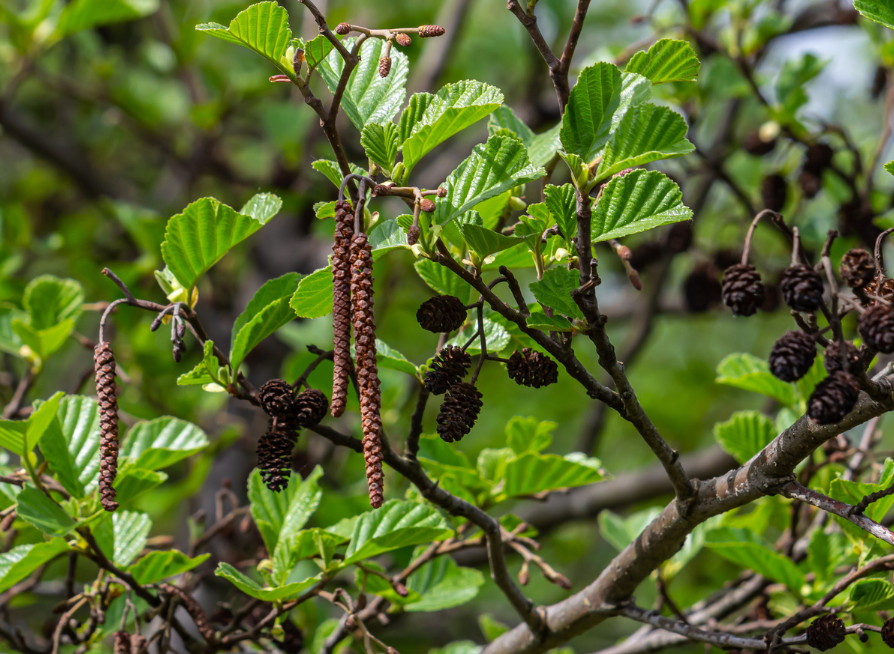
Alnus rubra, the Red Alder or Western Alder, is the dominant native hardwood of the Pacific Northwest and one of the most important ecological tree species in western North America, capable of rapid growth on disturbed, poor, or degraded soils where few other trees can establish. It is a pioneer species that colonizes landslides, clearcuts, and burned areas, enriching the soil through a symbiotic relationship with nitrogen-fixing bacteria in its root nodules, effectively fertilizing the landscape for the forest that follows. Native from Alaska to California, it forms pure stands along rivers, coastal plains, and disturbed forest edges, growing quickly into a medium-sized tree with smooth gray bark and a straight trunk prized for woodworking. If you are looking to buy Red Alder seeds or grow this foundational native species from seed, this is the tree that rebuilds ecosystems from the ground up.
- Fast-growing native hardwood capable of rapid establishment on disturbed or poor soils
- Fixes atmospheric nitrogen through root nodules, improving soil fertility naturally
- Native to the Pacific Northwest from Alaska to California, thriving in moist coastal climates
- Important pioneer species that prepares the landscape for long-term forest development
- Valuable wood used for furniture, cabinetry, and smoking foods due to its mild, sweet aroma
Things you probably did not know about the Red Alder
It improves soil so effectively that it can replace fertilizers in forest regeneration. Red Alder forms a symbiotic relationship with Frankia bacteria in its roots, allowing it to fix atmospheric nitrogen and deposit it into the soil. This process can add significant amounts of nitrogen annually, dramatically improving soil quality for other plants and making it one of the most important species in natural forest succession.
It is the primary hardwood used in Pacific Northwest furniture and cabinetry. Red Alder wood has a fine, even grain and a warm, light color that takes stain exceptionally well, often used as an affordable substitute for cherry. It machines easily and is widely used in cabinetry, millwork, and furniture throughout the region.
It plays a critical role in salmon stream ecosystems. Along rivers and streams, Red Alder contributes leaf litter that decomposes quickly and provides nutrients to aquatic food webs, supporting insects that feed juvenile salmon. Its roots also help stabilize streambanks and reduce erosion in sensitive riparian environments.
The wood is prized for smoking salmon and other foods. Red Alder wood produces a mild, slightly sweet smoke that has been traditionally used by Indigenous peoples and modern cooks alike for smoking fish and meats, especially salmon, where it enhances flavor without overpowering it.
Growing Details
- Botanical Name: Alnus rubra
- Stratification: Not required, but 30 to 60 days cold stratification may improve germination
- USDA Zones: 5 to 9
- Soil: Moist, well-drained to wet, tolerates poor and disturbed soils
- Light: Full sun
- Height: 40 to 80 feet
- Spread: 20 to 40 feet
- Growth Rate: Fast, 2 to 4 feet per year
Plant it where the soil needs improvement or where you want rapid shade and structure. In a few years it will transform the ground beneath it and set the stage for everything that follows.
FAQ
FAQ
Do you pre-stratify the seeds?
Most of our seeds are not pre-stratified. They are stored under dry, cold conditions to preserve viability without initiating stratification, allowing you to time germination for your local growing season.
The exception is recalcitrant seeds. Because these seeds must remain moist to stay viable, they are kept in moist, cold storage and are therefore in a pre-stratified state. Depending on how long a particular batch has been stored, some may arrive with an emerging radicle and be ready to plant immediately. Radicle development is not guaranteed.
Please refer to the individual product page and included growing instructions for species-specific requirements.
Do any of your seeds need to stay moist? (Recalcitrant seeds)
Yes. Some species we offer, including Chestnut, Hazelnut, and Paw Paw, are recalcitrant and must remain moist to stay viable.
Please refrigerate these seeds immediately upon arrival unless they have already developed a radicle. Seeds with an emerging radicle should be planted promptly.
Do you ship internationally?
No. We currently ship within the United States only.
We previously shipped to Canada, but tariffs, duties, and import fees resulted in customers receiving significant and unpredictable additional charges upon delivery. Because we cannot reliably calculate or absorb these costs, we have suspended shipping to Canada.
At this time, we do not ship to Canada or other international destinations.
Shipping & What's Included
Shipping & What's Included
Shipping & Packaging
• Hand-packed in resealable kraft paper seed bags
• Stratification and planting instructions included on every seed pack
• Ships within 3–5 business days via USPS within the United States and U.S. territories
Return Policy
Return Policy
Due to the nature of our products, we do not accept returns on seeds.
If your order arrives damaged, contains incorrect items, or is missing items, please contact us within 7 days of delivery so we can resolve the issue.