

Common Persimmon Tree Seeds | American Persimmon | (Diospyros virginiana)
Common Persimmon Tree Seeds | American Persimmon | (Diospyros virginiana)
Native fruit that deer eat first. Humans eat second. And never forget.
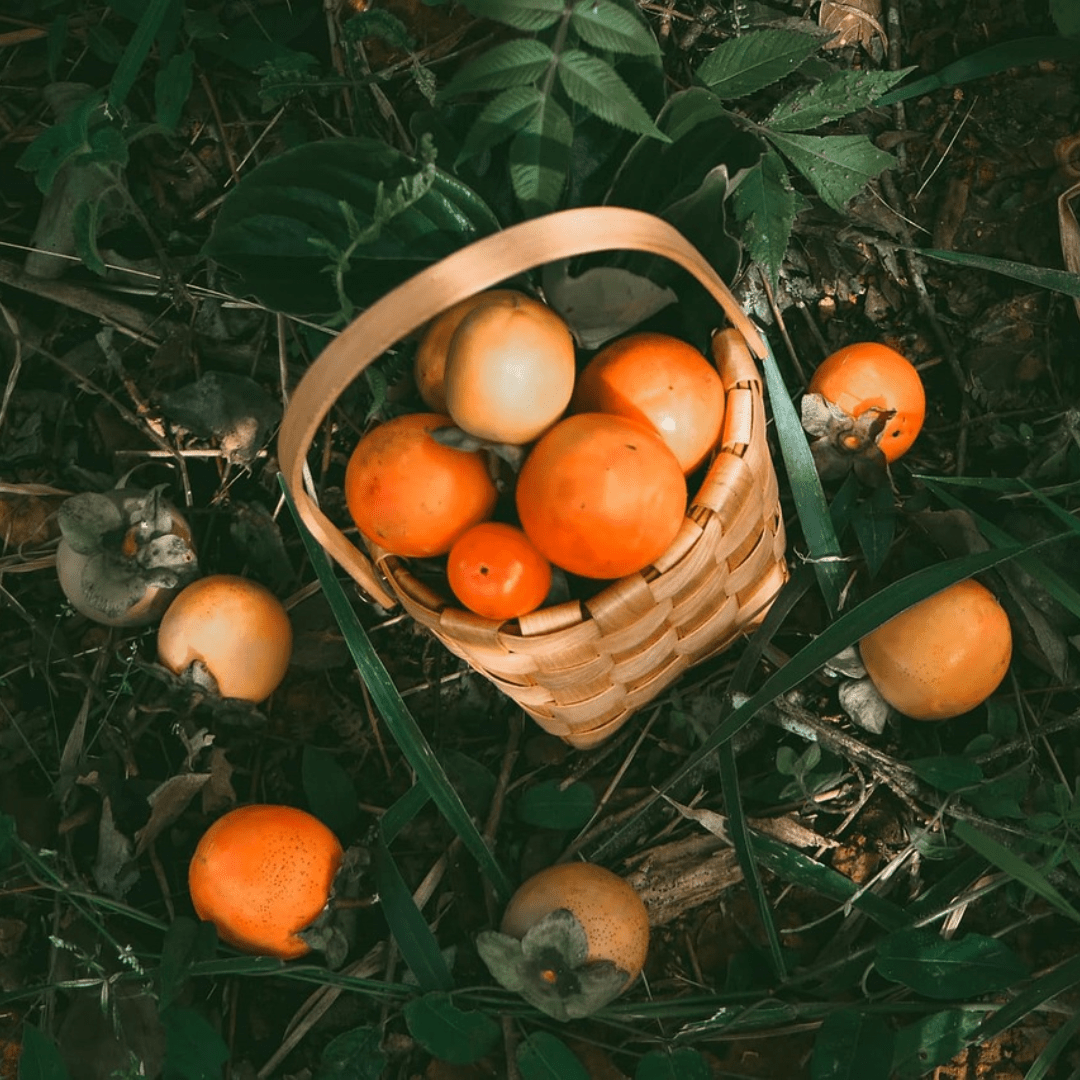
Diospyros virginiana, the Common Persimmon, is the most undervalued native fruit tree in North America. When ripe, the small orange fruits have a rich, jammy sweetness that has been compared to dates and honey, intensified further after frost. Before they ripen, they are jaw-clenchingly astringent in a way that is impossible to forget. The tree that produces them is one of the toughest, most drought-tolerant, and most adaptable native trees available, growing on poor rocky soils, in abandoned fields, and along roadsides where nothing else bothers to try. And every deer, turkey, fox, raccoon, and opossum within range will know when your persimmons are ripe before you do. If you are looking to buy Persimmon seeds or grow native persimmon from seed, this is a tree that rewards patience with one of the most distinctive fruits in North American horticulture.
- Native fruit tree with intensely sweet, honey-like flavor when fully ripe after frost
- One of the most drought-tolerant and adaptable native fruit trees in eastern North America
- Deer candy, the fruits are among the most sought-after wildlife food available on any property
- Extremely long-lived with a deep taproot that makes established trees nearly impossible to kill
- Dioecious, plant male and female trees for reliable fruit production
Things you probably did not know about the Common Persimmon
The Algonquian word for it became the English name.
The word persimmon comes from the Algonquian word putchamin or pessamin, meaning a dry fruit. The fruit was a significant food source for Indigenous peoples across the Southeast and Mid-Atlantic, eaten fresh, dried, and ground into a meal that was mixed with cornmeal and fat for cakes and bread.
The green fruit can pucker your mouth for hours.
Unripe persimmons contain soluble tannins that bind to saliva proteins and create an intensely dry, astringent sensation that no amount of water relieves. The experience is so striking that encountering an unripe persimmon is the kind of thing people remember for decades. Ripe fruit, by contrast, is among the sweetest of any native fruit.
A single tree can fruit for 75 years or more.
Common Persimmon trees are extremely long-lived and continue fruiting prolifically well into old age. Trees planted for wildlife management in the mid-20th century are still producing heavy crops today. Few fruit trees offer the same longevity without replanting.
It is nearly impossible to transplant once established.
The deep, brittle taproot of the Common Persimmon makes it one of the most difficult native trees to dig and move once it has established. Growing from seed and planting in the permanent location while small is far more successful than attempting to transplant a nursery-grown specimen.
Growing Details
- Botanical Name: Diospyros virginiana
- Stratification: Required, 60 to 90 days cold moist stratification, recalcitrant seed, keep moist
- USDA Zones: 4 to 9
- Soil: Extremely adaptable, tolerates poor, dry, rocky, or sandy soils
- Light: Full sun to partial shade
- Height: 35 to 60 feet
- Spread: 25 to 35 feet
- Growth Rate: Slow to moderate, 1 to 2 feet per year
Plant it for the deer and discover the fruit yourself. Just wait until after the first frost.
FAQ
FAQ
Do you pre-stratify the seeds?
Most of our seeds are not pre-stratified. They are stored under dry, cold conditions to preserve viability without initiating stratification, allowing you to time germination for your local growing season.
The exception is recalcitrant seeds. Because these seeds must remain moist to stay viable, they are kept in moist, cold storage and are therefore in a pre-stratified state. Depending on how long a particular batch has been stored, some may arrive with an emerging radicle and be ready to plant immediately. Radicle development is not guaranteed.
Please refer to the individual product page and included growing instructions for species-specific requirements.
Do any of your seeds need to stay moist? (Recalcitrant seeds)
Yes. Some species we offer, including Chestnut, Hazelnut, and Paw Paw, are recalcitrant and must remain moist to stay viable.
Please refrigerate these seeds immediately upon arrival unless they have already developed a radicle. Seeds with an emerging radicle should be planted promptly.
Do you ship internationally?
No. We currently ship within the United States only.
We previously shipped to Canada, but tariffs, duties, and import fees resulted in customers receiving significant and unpredictable additional charges upon delivery. Because we cannot reliably calculate or absorb these costs, we have suspended shipping to Canada.
At this time, we do not ship to Canada or other international destinations.
Shipping & What's Included
Shipping & What's Included
Shipping & Packaging
• Hand-packed in resealable kraft paper seed bags
• Stratification and planting instructions included on every seed pack
• Ships within 3–5 business days via USPS within the United States and U.S. territories
Return Policy
Return Policy
Due to the nature of our products, we do not accept returns on seeds.
If your order arrives damaged, contains incorrect items, or is missing items, please contact us within 7 days of delivery so we can resolve the issue.