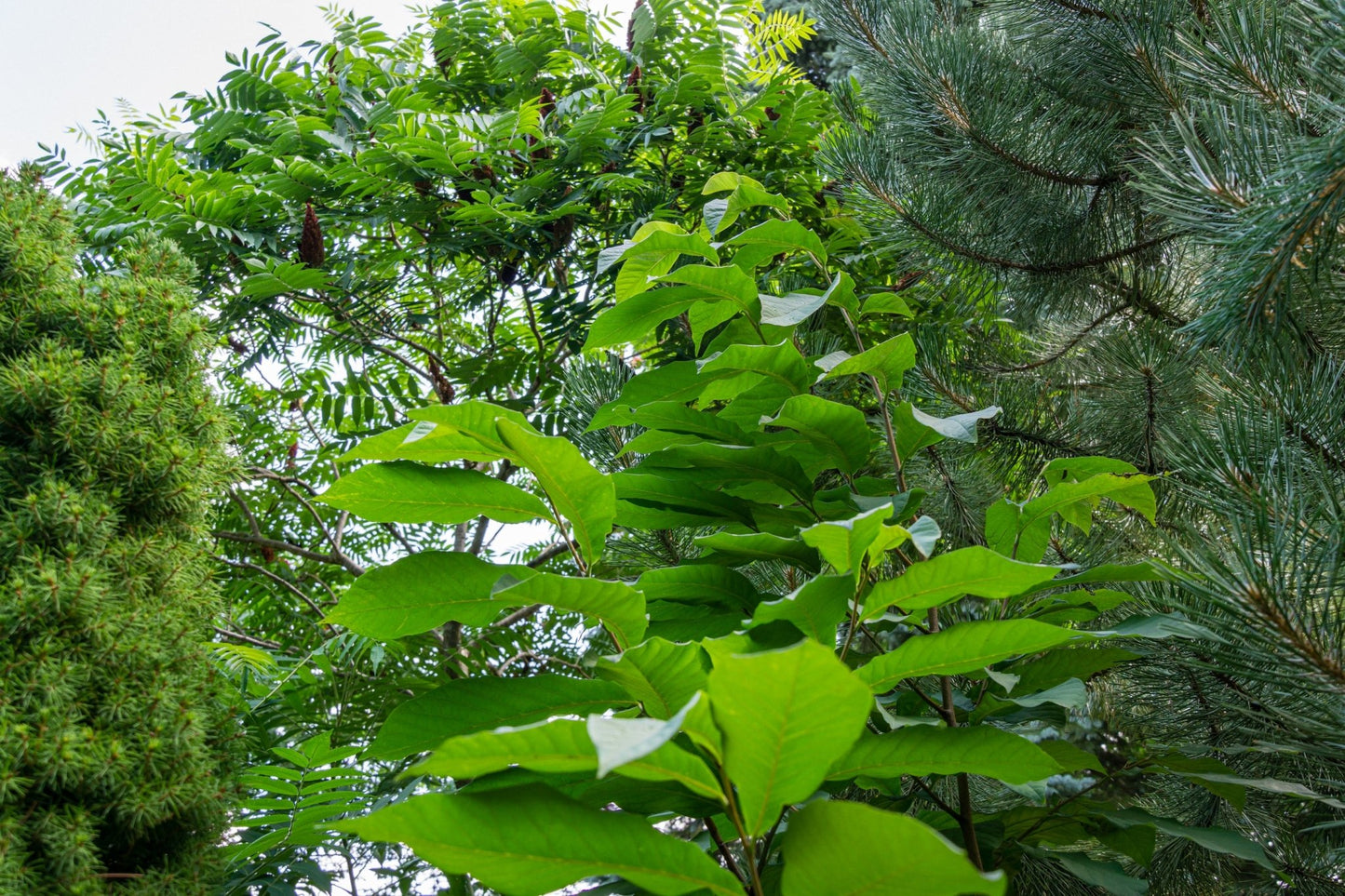


Pennsylvania Golden Pawpaw Tree Seeds | (Asimina triloba ‘Pennsylvania Golden’)
Pennsylvania Golden Pawpaw Tree Seeds | (Asimina triloba ‘Pennsylvania Golden’)
The best-flavored pawpaw from the eastern wild. Selected for sweetness and size.
Asimina triloba 'PA Golden', the Pennsylvania Golden Pawpaw, is one of the most celebrated named pawpaw selections, prized for its exceptionally sweet, rich fruit with a distinctive golden-yellow flesh and a flavor that combines custard, banana, and mango more intensely than most common pawpaw selections. Selected from wild populations in Pennsylvania, it represents the best of what the eastern wild pawpaw offers in terms of fruit quality and has been distributed through the pawpaw enthusiast community for decades as one of the standard-bearers for pawpaw flavor. Growing PA Golden from seed will not reproduce the exact cultivar, which is clonally propagated, but seed-grown plants carry its genetics and produce trees with the potential for exceptional fruit quality. If you are looking to buy PA Golden Pawpaw seeds or grow this celebrated variety from seed, you are starting with the best possible genetic material.
- Seed-grown plants carry the genetics of one of the most celebrated pawpaw selections for fruit quality
- Exceptionally sweet, rich golden-yellow flesh with intense banana-custard-mango flavor
- Selected from wild eastern Pennsylvania populations where long cold winters develop superior flavor
- Produces fruit within 5 to 7 years from seed with cross-pollination from a second tree
- Native eastern fruit tree with full cold-hardiness and deer-resistant foliage
Things you probably did not know about the PA Golden Pawpaw
The flavor intensity of pawpaws is directly related to cold winter temperatures. Pawpaw trees grown in the northern parts of their range, where winters are cold and summer heat is moderate, consistently produce fruit with more intense, complex flavor than trees grown in warmer climates. Pennsylvania-origin selections benefit from this cold-climate flavor development. The trade-off is a shorter growing season, but the fruit quality reward is significant.
It was selected by one of the original American pawpaw enthusiasts. The PA Golden selection traces back to the efforts of early American pawpaw collectors who mapped and evaluated wild populations across the eastern United States in the mid-20th century looking for superior fruit quality. The selection from Pennsylvania wild trees predates the current commercial pawpaw movement by decades and represents traditional fruit tree exploration of the kind that produced most of the named apple and pear varieties now considered heirloom classics.
Cross-pollination between two different pawpaw varieties dramatically increases fruit set. Pawpaw flowers have a mechanism that prevents self-pollination. Two trees of the same genetic origin, such as two PA Golden clones, cannot effectively pollinate each other. Seed-grown trees, each being genetically unique, cross-pollinate freely with any other pawpaw, which is why planting two or more seed-grown trees together produces far better fruit crops than a single plant or two clonally identical trees.
The seeds can remain dormant for over a year before germinating. Pawpaw seeds require extended cold stratification and patience. Even with proper stratification, germination can be slow and irregular, with some seeds in a batch germinating in the first spring and others waiting until the second. This prolonged dormancy is the primary reason pawpaw is not more widely grown commercially despite strong market demand for the fruit.
Growing Details
- Botanical Name: Asimina triloba 'PA Golden'
- Stratification: Required, 90 to 120 days cold moist stratification, recalcitrant seed, keep moist
- USDA Zones: 5 to 9
- Soil: Rich, well-drained, slightly acidic, consistent moisture
- Light: Full sun to partial shade
- Height: 15 to 30 feet
- Spread: 15 to 25 feet
- Growth Rate: Slow to moderate, 1 to 2 feet per year
Plant two or more for cross-pollination and expect to wait five to seven years for the first fruit. The wait is the entire point. The first ripe PA Golden off a tree you grew from seed is one of the best things you will ever taste.
FAQ
FAQ
Do you pre-stratify the seeds?
Most of our seeds are not pre-stratified. They are stored under dry, cold conditions to preserve viability without initiating stratification, allowing you to time germination for your local growing season.
The exception is recalcitrant seeds. Because these seeds must remain moist to stay viable, they are kept in moist, cold storage and are therefore in a pre-stratified state. Depending on how long a particular batch has been stored, some may arrive with an emerging radicle and be ready to plant immediately. Radicle development is not guaranteed.
Please refer to the individual product page and included growing instructions for species-specific requirements.
Do any of your seeds need to stay moist? (Recalcitrant seeds)
Yes. Some species we offer, including Chestnut, Hazelnut, and Paw Paw, are recalcitrant and must remain moist to stay viable.
Please refrigerate these seeds immediately upon arrival unless they have already developed a radicle. Seeds with an emerging radicle should be planted promptly.
Do you ship internationally?
No. We currently ship within the United States only.
We previously shipped to Canada, but tariffs, duties, and import fees resulted in customers receiving significant and unpredictable additional charges upon delivery. Because we cannot reliably calculate or absorb these costs, we have suspended shipping to Canada.
At this time, we do not ship to Canada or other international destinations.
Shipping & What's Included
Shipping & What's Included
Shipping & Packaging
• Hand-packed in resealable kraft paper seed bags
• Stratification and planting instructions included on every seed pack
• Ships within 3–5 business days via USPS within the United States and U.S. territories
Return Policy
Return Policy
Due to the nature of our products, we do not accept returns on seeds.
If your order arrives damaged, contains incorrect items, or is missing items, please contact us within 7 days of delivery so we can resolve the issue.