

Nannyberry Tree Seeds | Sheepberry | (Viburnum lentago)
Nannyberry Tree Seeds | Sheepberry | (Viburnum lentago)
Sweet native berries. Year-round wildlife value. The viburnum that goes everywhere.
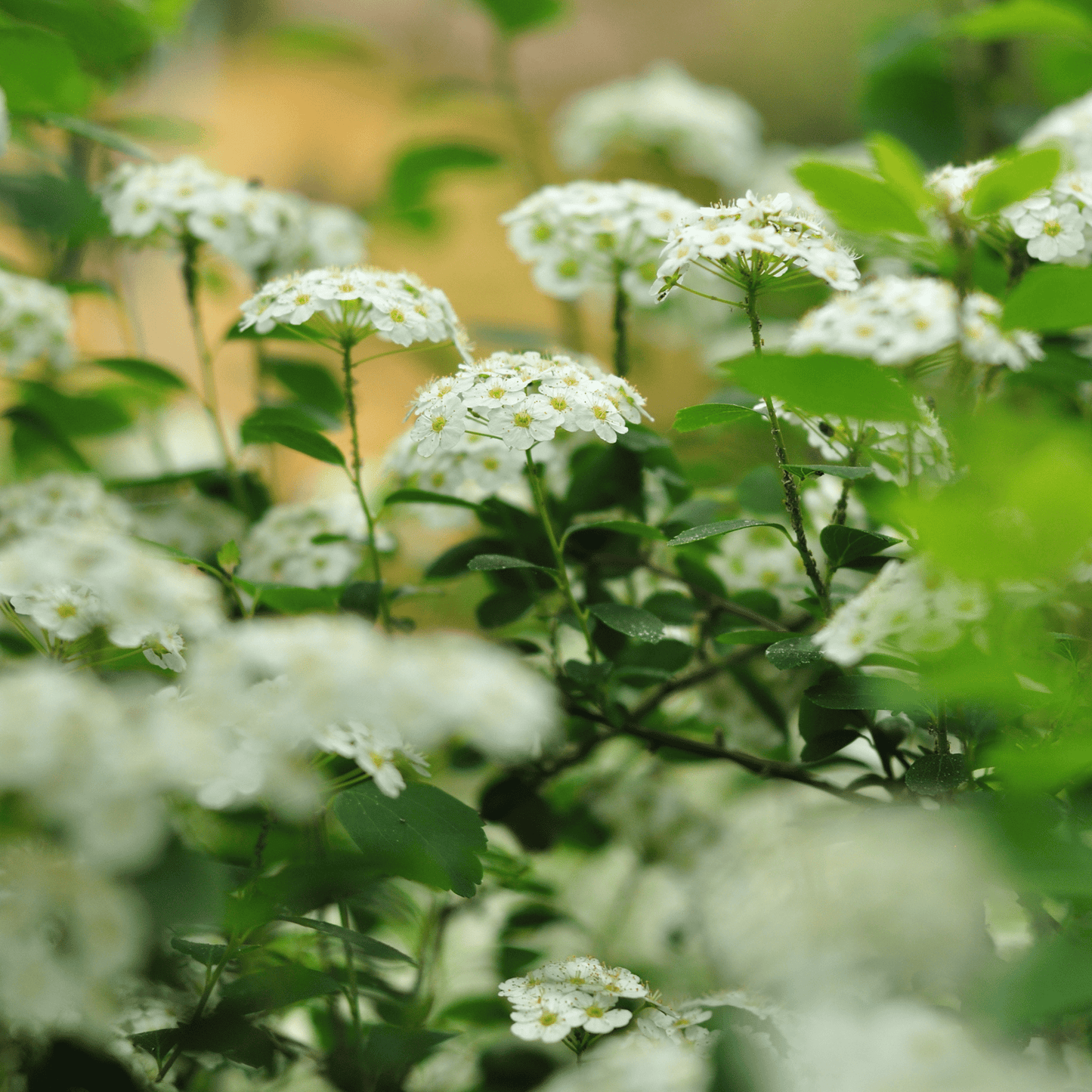
Viburnum lentago, the Nannyberry, is one of the most adaptable and ecologically valuable native shrubs in eastern North America, a large viburnum that tolerates wet and dry soils, full sun and full shade, and produces creamy white flower clusters in spring followed by blue-black berries with a sweet, date-like flavor that have been eaten by humans and wildlife for thousands of years. It is one of the few native shrubs that performs well under the dense shade of mature trees where most flowering shrubs fail entirely, and its ability to spread by root suckers and form dense thickets makes it one of the most productive wildlife habitat plants available for difficult sites. If you are looking to buy Nannyberry seeds or grow this versatile native viburnum from seed, this is one of the easiest native shrubs to establish and one of the most rewarding.
- Flat-topped white flower clusters in late spring attractive to native bees and pollinators
- Blue-black berries with a sweet, date-like flavor, edible for humans and consumed by over 40 wildlife species
- Extraordinary adaptability to wet and dry soils, full sun and full shade
- Spreads by root suckers to form productive thickets, one of the most valuable wildlife cover shrubs in the East
- Large viburnum with attractive reddish-purple fall foliage, ornamental across all four seasons
Things you probably did not know about the Nannyberry
The berries taste like dates when fully ripe. Nannyberries are unusual among native viburnums for having genuinely palatable, sweet fruit. When fully ripe and after frost has softened them, the berries have a rich, date-like sweetness with a slightly raisiny quality that is entirely different from the bitter or astringent taste of many native berries. Indigenous peoples across the Northeast ate them fresh and dried them for winter use. They are one of the most underappreciated native edible fruits available.
It was used as an emergency survival food across the Great Lakes region. Nannyberry fruits persist on the stems through late fall and into winter, sometimes remaining attached and edible into February in mild years. This persistence made them an important emergency food source for Indigenous peoples during difficult winter periods when other food was unavailable. The dried berries were also stored deliberately as a winter staple.
The distinctive veination pattern of the leaves is diagnostic. Nannyberry leaves have a characteristic vein pattern with straight parallel secondary veins that curve sharply toward the leaf tip near the margin, a pattern called craspedodromous venation. This characteristic, combined with the long, narrow leaf tip and slightly winged leaf stem, makes Nannyberry one of the most reliably identified viburnums in the field without flowers or fruit present.
It spreads more aggressively than most viburnums. Unlike many viburnums that remain as clumping shrubs, Nannyberry spreads by underground stolons and produces suckers that extend the planting outward year by year. In a naturalistic planting this is an advantage as it fills space and creates wildlife habitat without replanting. In a formal garden setting the spread requires occasional management.
Growing Details
- Botanical Name: Viburnum lentago
- Stratification: Required, warm stratification of 60 days followed by 90 days cold stratification
- USDA Zones: 2 to 8
- Soil: Extremely adaptable, tolerates wet, dry, poor, or clay soils
- Light: Full sun to full shade
- Height: 10 to 18 feet
- Spread: 6 to 12 feet, spreading by suckers over time
- Growth Rate: Moderate, 1 to 2 feet per year
Plant it in the difficult spot where other shrubs give up. Under dense trees, at the edge of a wet area, in dry clay. Nannyberry will figure it out.
FAQ
FAQ
Do you pre-stratify the seeds?
Most of our seeds are not pre-stratified. They are stored under dry, cold conditions to preserve viability without initiating stratification, allowing you to time germination for your local growing season.
The exception is recalcitrant seeds. Because these seeds must remain moist to stay viable, they are kept in moist, cold storage and are therefore in a pre-stratified state. Depending on how long a particular batch has been stored, some may arrive with an emerging radicle and be ready to plant immediately. Radicle development is not guaranteed.
Please refer to the individual product page and included growing instructions for species-specific requirements.
Do any of your seeds need to stay moist? (Recalcitrant seeds)
Yes. Some species we offer, including Chestnut, Hazelnut, and Paw Paw, are recalcitrant and must remain moist to stay viable.
Please refrigerate these seeds immediately upon arrival unless they have already developed a radicle. Seeds with an emerging radicle should be planted promptly.
Do you ship internationally?
No. We currently ship within the United States only.
We previously shipped to Canada, but tariffs, duties, and import fees resulted in customers receiving significant and unpredictable additional charges upon delivery. Because we cannot reliably calculate or absorb these costs, we have suspended shipping to Canada.
At this time, we do not ship to Canada or other international destinations.
Shipping & What's Included
Shipping & What's Included
Shipping & Packaging
• Hand-packed in resealable kraft paper seed bags
• Stratification and planting instructions included on every seed pack
• Ships within 3–5 business days via USPS within the United States and U.S. territories
Return Policy
Return Policy
Due to the nature of our products, we do not accept returns on seeds.
If your order arrives damaged, contains incorrect items, or is missing items, please contact us within 7 days of delivery so we can resolve the issue.