

Mugo Pine Tree Seeds (Pinus mugo)
Mugo Pine Tree Seeds (Pinus mugo)
The mountain pine that fits anywhere. Ancient character in a compact form.
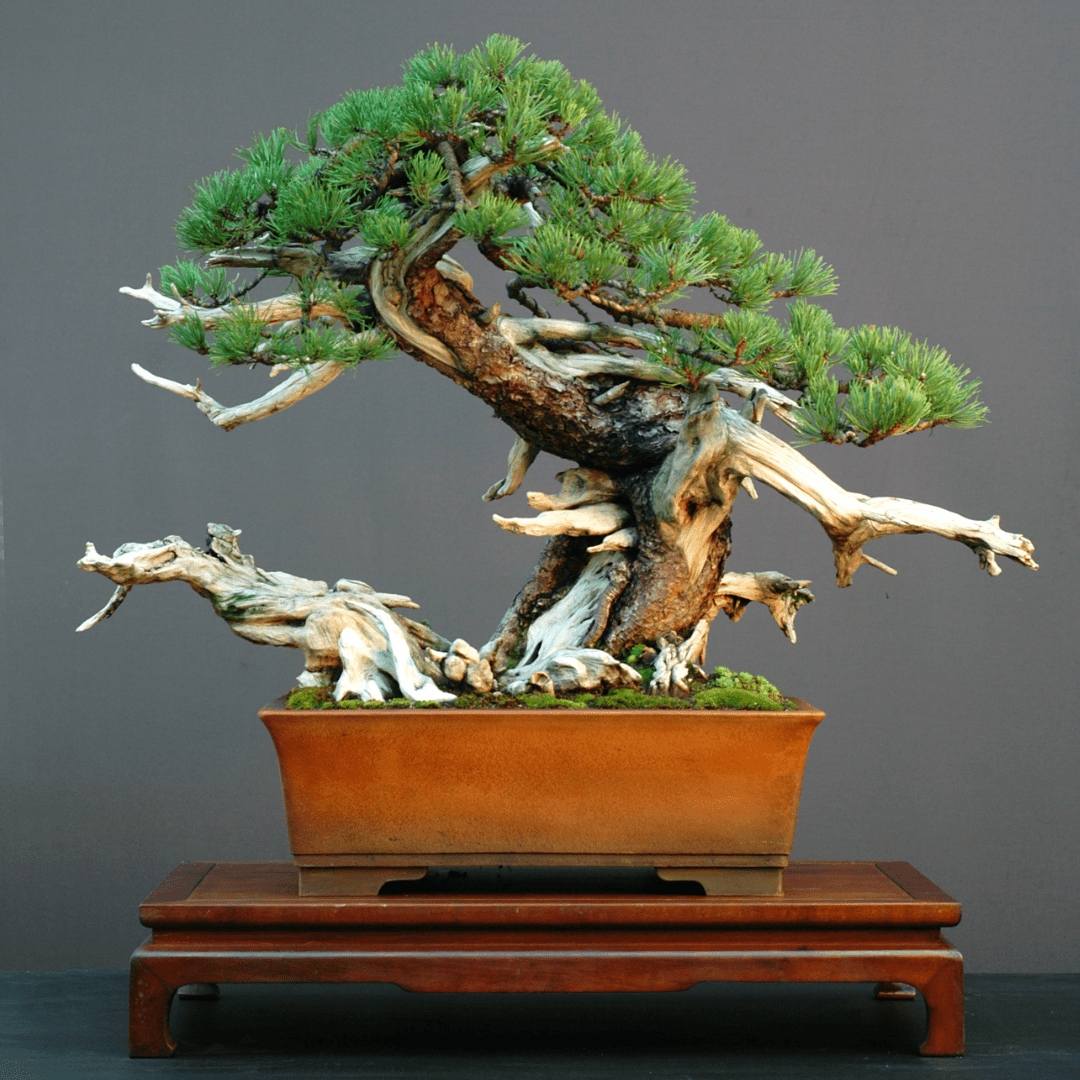
Pinus mugo, the Mugo Pine, is the most widely planted and most versatile pine for small-space gardening, a compact, multi-stemmed pine native to the high mountains of central and southern Europe that brings genuine alpine character to any landscape in a size that most other pines cannot match. It grows naturally in harsh, windswept mountain conditions from the Alps to the Carpathians, which accounts for its extraordinary tolerance for cold, drought, and difficult soils. Seed-grown Mugo Pines produce a remarkable range of sizes and forms, from ground-hugging spreading mounds to upright multi-stemmed specimens, with each plant developing its own unique character. It is also one of the most important species in traditional Japanese and European bonsai practice, developing extraordinary bark texture and aged character over decades of cultivation. If you are looking to buy Mugo Pine seeds or grow alpine pine from seed, this is the pine that delivers alpine presence at any scale.
- Compact, multi-stemmed pine with genuine alpine character, one of the most versatile pines for small gardens
- Extraordinary cold hardiness and drought tolerance from its mountain origin
- Seed-grown specimens produce wide variation in size, form, and density
- One of the most important pine species in traditional bonsai cultivation, developing rich bark texture with age
- Deep green needles in pairs retaining good color through winter without browning
Things you probably did not know about the Mugo Pine
The resin was used to produce pharmaceutical-grade pine tar for centuries. Mugo Pine and its relatives in the Alps have been tapped for resin since ancient times. The high resin content of Mugo Pine was the source of one of the most important medicinal pine tars in European pharmacy, used for centuries to treat skin conditions, respiratory complaints, and parasitic infestations. Modern pharmaceutical pine tar preparations still draw on centuries of documented traditional use.
It is one of the few pines that forms natural krummholz. At the absolute tree line in the Alps and Carpathians, Mugo Pine grows in the prostrate, wind-sculpted form called krummholz, where the extreme cold, wind, and ice loading prevent any vertical growth above the winter snow line. These prostrate forms have trunks centuries old in prostrate stems less than a foot tall. The genetic capacity for this growth response to environmental stress is one of the most remarkable survival adaptations in any tree.
Seed-grown plants cannot be reliably predicted for final size. Unlike clonally propagated nursery Mugo Pines selected for specific compact habits, seed-grown plants express the full natural genetic variation of the species. Some seedlings will grow slowly into tight, compact mounds while others will become large, spreading multi-stemmed trees over 15 feet tall. This variability makes seed-growing a genuine discovery process and ensures that no two seed-grown specimens are identical.
The essential oil from the needles is used in aromatherapy and respiratory medicine. Mugo Pine needle oil, distilled from the young shoots and needles, contains alpha-pinene, camphene, and limonene in concentrations that have documented expectorant and bronchodilatory effects. European spa and respiratory therapy traditions have used pine needle steam inhalation for respiratory conditions for generations, with Mugo Pine as one of the primary sources.
Growing Details
- Botanical Name: Pinus mugo
- Stratification: Recommended, 30 to 60 days cold stratification
- USDA Zones: 2 to 7
- Soil: Adaptable, tolerates poor, rocky, dry, or alkaline soils with excellent drainage
- Light: Full sun
- Height: 3 to 20 feet depending on genetics
- Spread: 5 to 25 feet
- Growth Rate: Slow, 3 to 6 inches per year
Grow it in a rock garden, alpine planting, or container and let its character develop. Each seed-grown Mugo Pine becomes something you could not have designed yourself.
FAQ
FAQ
Do you pre-stratify the seeds?
Most of our seeds are not pre-stratified. They are stored under dry, cold conditions to preserve viability without initiating stratification, allowing you to time germination for your local growing season.
The exception is recalcitrant seeds. Because these seeds must remain moist to stay viable, they are kept in moist, cold storage and are therefore in a pre-stratified state. Depending on how long a particular batch has been stored, some may arrive with an emerging radicle and be ready to plant immediately. Radicle development is not guaranteed.
Please refer to the individual product page and included growing instructions for species-specific requirements.
Do any of your seeds need to stay moist? (Recalcitrant seeds)
Yes. Some species we offer, including Chestnut, Hazelnut, and Paw Paw, are recalcitrant and must remain moist to stay viable.
Please refrigerate these seeds immediately upon arrival unless they have already developed a radicle. Seeds with an emerging radicle should be planted promptly.
Do you ship internationally?
No. We currently ship within the United States only.
We previously shipped to Canada, but tariffs, duties, and import fees resulted in customers receiving significant and unpredictable additional charges upon delivery. Because we cannot reliably calculate or absorb these costs, we have suspended shipping to Canada.
At this time, we do not ship to Canada or other international destinations.
Shipping & What's Included
Shipping & What's Included
Shipping & Packaging
• Hand-packed in resealable kraft paper seed bags
• Stratification and planting instructions included on every seed pack
• Ships within 3–5 business days via USPS within the United States and U.S. territories
Return Policy
Return Policy
Due to the nature of our products, we do not accept returns on seeds.
If your order arrives damaged, contains incorrect items, or is missing items, please contact us within 7 days of delivery so we can resolve the issue.