

Hinoki Cypress Tree Seeds (Chamaecyparis obtusa)
Hinoki Cypress Tree Seeds (Chamaecyparis obtusa)
Sacred in Japan. Extraordinary in every garden.
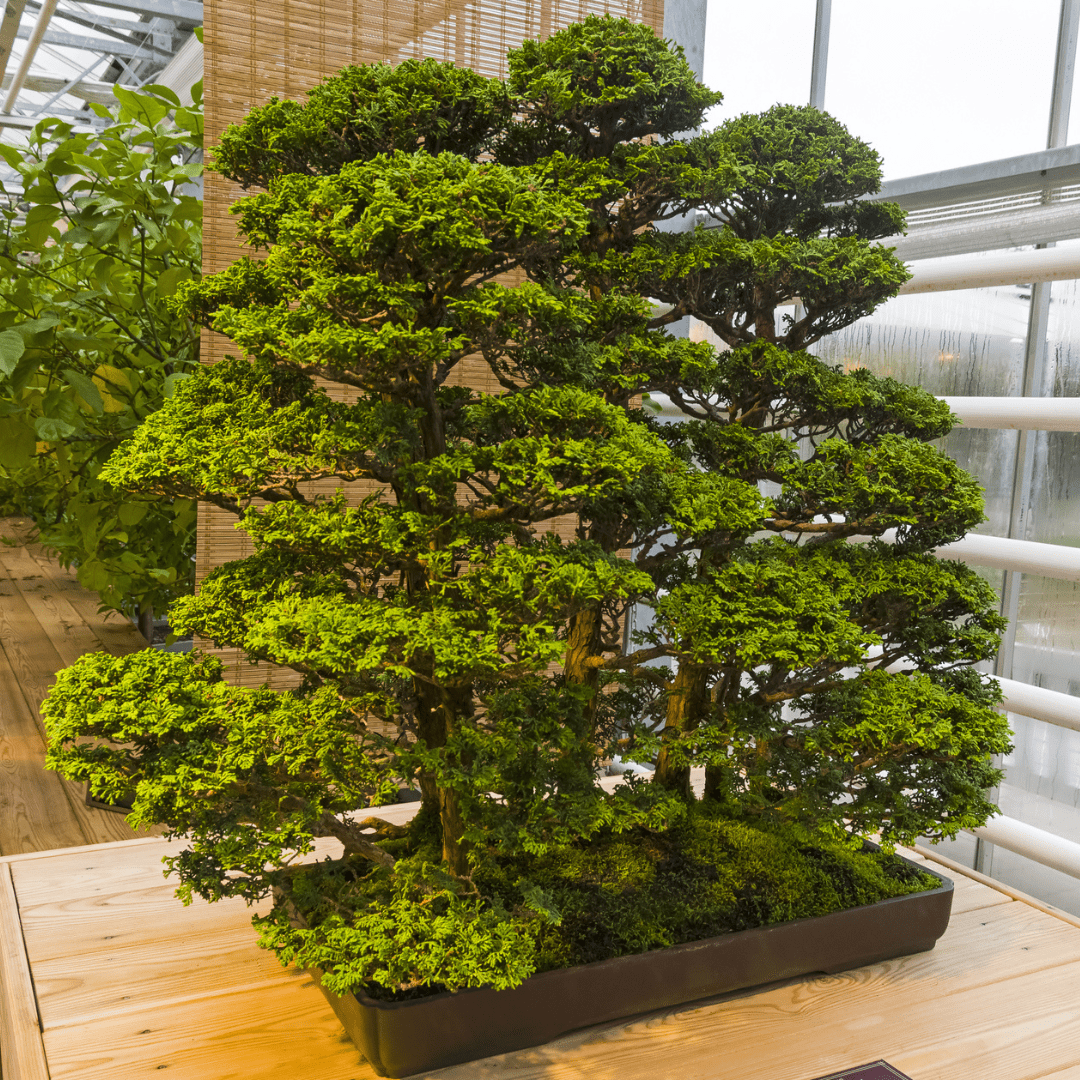
Chamaecyparis obtusa, the Hinoki Cypress, is one of the most revered trees in Japanese culture, the wood of choice for Buddhist temples, Shinto shrines, and traditional wooden tubs for over 2,000 years. Its flat, fan-like foliage in deep glossy green, its warm cinnamon-red bark that peels in strips to reveal fresh red-brown beneath, and its naturally sculptural growth habit make it one of the most beautiful specimen conifers in any garden. Fragrant, slow-growing, and deeply architectural, it is a tree that improves every landscape it enters and rewards growers who appreciate patience. If you are looking to buy Hinoki Cypress seeds or grow this sacred Japanese conifer from seed, every specimen you grow from seed will be genetically unique.
- Sacred tree of Japan, used exclusively for Buddhist temples, Shinto shrines, and imperial palaces for over 2,000 years
- Deep glossy green fan-like foliage with warm cinnamon-red exfoliating bark
- Naturally sculptural form that develops extraordinary character with age
- Highly fragrant wood prized for centuries in traditional Japanese craft and architecture
- One of the most important species in traditional Japanese garden design
Things you probably did not know about the Hinoki Cypress
It is the most expensive commercial wood in Japan.
Hinoki lumber sells for prices that can exceed ten times the cost of comparable softwoods. It is used exclusively for the most important structures in Japanese culture, including the rebuilding of the Grand Shrine of Ise, which by tradition has been demolished and rebuilt every 20 years for over 1,300 years. The shrine rebuilding ceremony requires enormous quantities of old-growth Hinoki and drives significant reforestation efforts.
The wood has natural antimicrobial properties.
Hinoki wood contains hinokitiol and other compounds that inhibit the growth of bacteria and mold, which is why it has been used for centuries for bathtubs, food preparation surfaces, and cutting boards. Modern research has confirmed the antimicrobial activity of hinoki extracts and they are now used in cosmetics and health products.
The fragrance is the subject of dedicated aromatherapy research.
The volatile compounds released by Hinoki wood, particularly alpha-pinene and borneol, have been studied in clinical settings for their effects on stress reduction, cortisol levels, and immune function. Japanese researchers have documented measurable physiological changes in people who spend time in Hinoki forests, contributing to the concept of forest bathing known as Shinrin-yoku.
Seed-grown trees develop wild variation in form.
Unlike grafted nursery cultivars, Hinoki Cypress grown from seed produces natural variation in foliage texture, branching habit, and growth rate. Some seedlings will develop compact, dense forms while others will grow more openly. This variation is what makes seed-grown specimens genuinely interesting.
Growing Details
- Botanical Name: Chamaecyparis obtusa
- Stratification: Required, 60 to 90 days cold moist stratification
- USDA Zones: 4 to 8
- Soil: Well-drained, moist, slightly acidic
- Light: Full sun to partial shade
- Height: 50 to 75 feet in native conditions, 20 to 30 feet in typical cultivation
- Spread: 10 to 20 feet
- Growth Rate: Slow, 6 to 12 inches per year
Grow it slowly and let it become what it wants to be. The best Hinoki Cypress specimens in the world took centuries to arrive at where they are.
FAQ
FAQ
Do you pre-stratify the seeds?
Most of our seeds are not pre-stratified. They are stored under dry, cold conditions to preserve viability without initiating stratification, allowing you to time germination for your local growing season.
The exception is recalcitrant seeds. Because these seeds must remain moist to stay viable, they are kept in moist, cold storage and are therefore in a pre-stratified state. Depending on how long a particular batch has been stored, some may arrive with an emerging radicle and be ready to plant immediately. Radicle development is not guaranteed.
Please refer to the individual product page and included growing instructions for species-specific requirements.
Do any of your seeds need to stay moist? (Recalcitrant seeds)
Yes. Some species we offer, including Chestnut, Hazelnut, and Paw Paw, are recalcitrant and must remain moist to stay viable.
Please refrigerate these seeds immediately upon arrival unless they have already developed a radicle. Seeds with an emerging radicle should be planted promptly.
Do you ship internationally?
No. We currently ship within the United States only.
We previously shipped to Canada, but tariffs, duties, and import fees resulted in customers receiving significant and unpredictable additional charges upon delivery. Because we cannot reliably calculate or absorb these costs, we have suspended shipping to Canada.
At this time, we do not ship to Canada or other international destinations.
Shipping & What's Included
Shipping & What's Included
Shipping & Packaging
• Hand-packed in resealable kraft paper seed bags
• Stratification and planting instructions included on every seed pack
• Ships within 3–5 business days via USPS within the United States and U.S. territories
Return Policy
Return Policy
Due to the nature of our products, we do not accept returns on seeds.
If your order arrives damaged, contains incorrect items, or is missing items, please contact us within 7 days of delivery so we can resolve the issue.