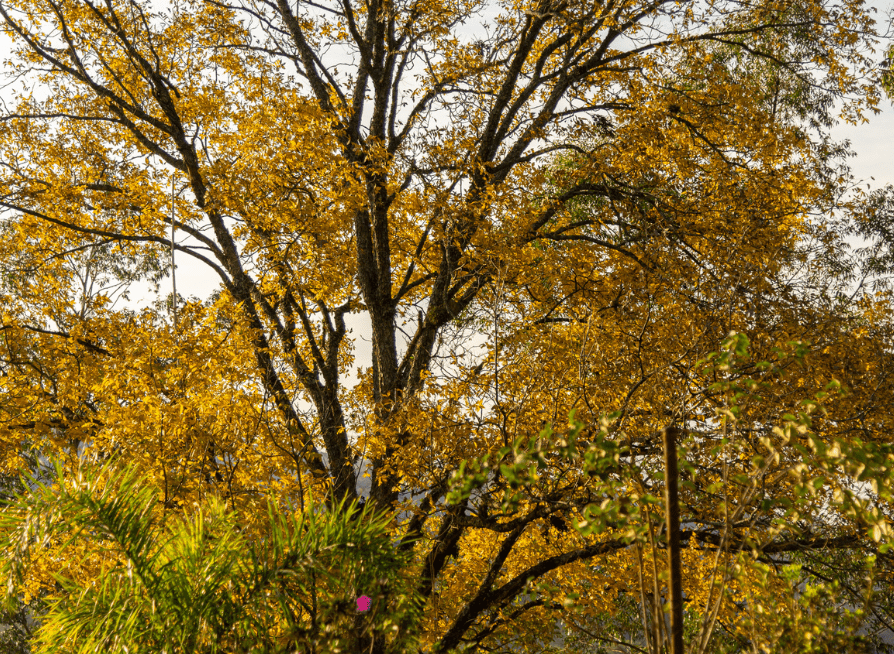


Hican Tree Seeds | Leconte Hickory | (Carya aquatica × illinoensis)
Hican Tree Seeds | Leconte Hickory | (Carya aquatica × illinoensis)
Half pecan. Half hickory. Better than either alone in the right conditions.
Carya aquatica x illinoensis, the Hican or Leconte Hickory, is a naturally occurring interspecific hybrid between the Water Hickory and the Wild Pecan, combining the flood tolerance and cold hardiness of the Water Hickory parent with the larger, more flavorful nuts of the Pecan parent in a tree that occupies a productive ecological and culinary middle ground between two valuable native nut species. The nuts are larger than Water Hickory but with a thinner shell than most hickories, producing a kernel with the rich, complex hickory flavor that many nut enthusiasts prefer over the milder pecan flavor and a cracking experience easier than most other hickory species. The tree grows naturally in the bottomland forests of the lower Mississippi Valley and Gulf Coast where its two parent species overlap, tolerating the periodic flooding and wet soils of those environments while still producing meaningful nut crops. If you are looking to buy Hican seeds or grow this native hickory hybrid from seed, this is the nut tree for bottomland sites where pecan performs poorly and standard hickories produce nuts too difficult to crack.
- Natural hybrid between Water Hickory and Wild Pecan combining flood tolerance with improved nut quality
- Larger nuts with thinner shells than most hickory species, easier to crack and with rich hickory flavor
- Tolerates periodic flooding and wet bottomland soils where most nut trees cannot establish
- Valuable wildlife mast tree producing nuts eaten by deer, turkey, squirrel, and waterfowl
- Cold-hardier than pecan while producing larger, more accessible nuts than most hickory species
Things you probably did not know about the Hican
The name Hican is a portmanteau of hickory and pecan reflecting the hybrid nature of the tree. The term Hican has been applied to various interspecific Carya hybrids, but the Carya aquatica x illinoensis cross is the most common naturally occurring Hican in the wild, found in bottomland forests where Water Hickory and Pecan grow together and hybridize freely. Hicans were also intentionally bred by nut tree breeders in the early to mid-20th century as part of an effort to develop nut trees combining the hardiness of hickories with the nut quality of pecans for commercial and home orchard use.
The naturally occurring wild Hican populations are most common in the lower Mississippi Valley where both parent species are abundant. The Mississippi River bottomlands and Gulf Coast plain provide the conditions where Water Hickory and Pecan co-occur in sufficient proximity to produce frequent natural hybridization. The resulting wild Hican trees were recognized by Indigenous peoples of the region as distinct from either parent species, and the nuts were consumed and traded as a distinct food product. Early European settlers in the region noted the variation in hickory nut quality across bottomland forests without always recognizing that the variation reflected natural hybridization.
The trees show hybrid vigor, often growing larger than either parent species on comparable sites. Natural and intentionally bred Hicans frequently demonstrate heterosis, the phenomenon where hybrids outperform both parents in overall vigor and growth rate. Wild Hican trees in Mississippi and Louisiana bottomlands are sometimes the largest specimens in mixed hickory-pecan groves, a growth advantage that also contributes to their productivity as mast trees when the canopy develops to full size.
Shell thickness varies significantly between individual seed-grown Hican trees. Because Hicans are hybrids with variable genetics, seed-grown trees produce considerable variation in shell thickness, nut size, kernel-to-shell ratio, and flavor profile depending on how strongly each parent's characteristics are expressed in that individual. Some seedlings produce nuts approaching pecan in thinness and accessibility while others produce nuts more similar in shell thickness to hickory. This genetic lottery makes growing from seed an exploration rather than a prediction.
Growing Details
- Botanical Name: Carya aquatica x illinoensis
- Stratification: Required, 90 to 120 days cold moist stratification, recalcitrant seed, keep moist
- USDA Zones: 6 to 9
- Soil: Tolerates wet, periodically flooded, and bottomland soils, performs in ordinary well-drained conditions as well
- Light: Full sun
- Height: 60 to 80 feet
- Spread: 40 to 60 feet
- Growth Rate: Moderate to fast, 2 to 3 feet per year in bottomland conditions
Plant it in the wettest, richest bottomland soil available where pecan would struggle and expect a nut tree that delivers both flood tolerance and meaningful harvest. Plant two or more for cross-pollination and the best possible nut production.
FAQ
FAQ
Do you pre-stratify the seeds?
Most of our seeds are not pre-stratified. They are stored under dry, cold conditions to preserve viability without initiating stratification, allowing you to time germination for your local growing season.
The exception is recalcitrant seeds. Because these seeds must remain moist to stay viable, they are kept in moist, cold storage and are therefore in a pre-stratified state. Depending on how long a particular batch has been stored, some may arrive with an emerging radicle and be ready to plant immediately. Radicle development is not guaranteed.
Please refer to the individual product page and included growing instructions for species-specific requirements.
Do any of your seeds need to stay moist? (Recalcitrant seeds)
Yes. Some species we offer, including Chestnut, Hazelnut, and Paw Paw, are recalcitrant and must remain moist to stay viable.
Please refrigerate these seeds immediately upon arrival unless they have already developed a radicle. Seeds with an emerging radicle should be planted promptly.
Do you ship internationally?
No. We currently ship within the United States only.
We previously shipped to Canada, but tariffs, duties, and import fees resulted in customers receiving significant and unpredictable additional charges upon delivery. Because we cannot reliably calculate or absorb these costs, we have suspended shipping to Canada.
At this time, we do not ship to Canada or other international destinations.
Shipping & What's Included
Shipping & What's Included
Shipping & Packaging
• Hand-packed in resealable kraft paper seed bags
• Stratification and planting instructions included on every seed pack
• Ships within 3–5 business days via USPS within the United States and U.S. territories
Return Policy
Return Policy
Due to the nature of our products, we do not accept returns on seeds.
If your order arrives damaged, contains incorrect items, or is missing items, please contact us within 7 days of delivery so we can resolve the issue.