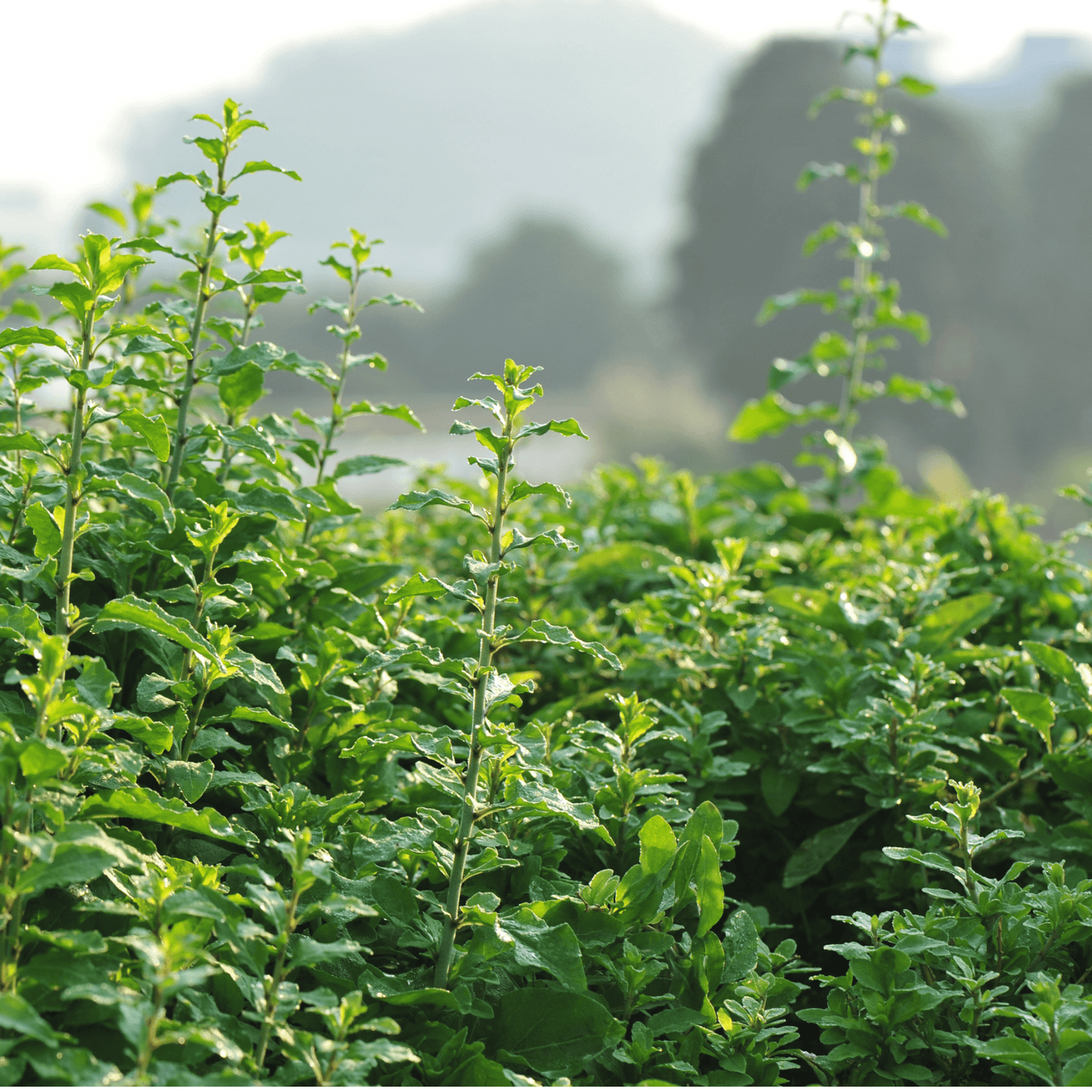


Goji Berry Tree Seeds | Chinese Wolfberry | (Lycium chinense)
Goji Berry Tree Seeds | Chinese Wolfberry | (Lycium chinense)
Five thousand years of cultivation. One of the most productive berry shrubs you can grow from seed.
Lycium chinense, the Goji Berry or Chinese Wolfberry, is one of the most historically significant and widely cultivated berry shrubs in the world, its bright red berries appearing in Chinese agricultural records dating back over 5,000 years and now grown across Asia, Europe, and North America for fresh eating, drying, and juicing. It produces arching, thorny stems covered in small purple-pink flowers through summer, followed by brilliant red elongated berries that ripen over a long harvest season. It is remarkably easy to grow, tolerating drought, poor soils, and cold winters to Zone 3 with the resilience of a plant evolved on the dry steppes of central Asia. If you are looking to buy Goji Berry seeds or grow wolfberry from seed, this is the productive, low-maintenance shrub that delivers a long harvest season from one of the hardiest small fruits available.
- Bright red berries ripen over an extended season from midsummer through fall
- Begins producing fruit within 2 to 3 years from seed, extremely productive once established
- Drought-tolerant and cold-hardy to Zone 3, thriving with minimal supplemental water
- Purple-pink flowers blooming over a long season attract native bees and pollinators
- Tolerates poor, sandy, and alkaline soils, one of the most adaptable berry shrubs available
Things you probably did not know about the Goji Berry
Fresh goji berries taste nothing like the dried ones sold commercially. Commercially available dried goji berries are typically harvested from large-scale agricultural operations, dried quickly, and shipped long distances. Fresh-picked goji berries from your own plants are sweeter, juicier, and far more complex in flavor. If your only experience with goji berries is the dried version from a grocery store, growing your own is a completely different experience.
The plant is closely related to tomatoes, peppers, and potatoes. Goji Berry belongs to the Solanaceae family alongside tomato, potato, pepper, and eggplant. This shared ancestry means the foliage and unripe berries contain solanine, a bitter alkaloid common to the nightshade family, while the ripe berries are safe to eat. Harvest only fully ripe red berries, the same way you would only eat a fully ripe tomato.
It spreads aggressively by root suckers and can form thickets. Goji is a prolific spreader in ideal conditions. In loose, well-drained soil with full sun, established plants will send up new shoots from the root system several feet from the parent plant. This makes it excellent for erosion control, hedgerows, and productive edges, but plant it where spread is acceptable or install a root barrier if you want to contain it.
Germination rate improves significantly with cold stratification. While Goji can germinate without pre-treatment, cold stratification for 30 to 60 days measurably increases germination rates and produces more uniform seedling emergence. Surface sow after stratification, seeds need light to germinate and should not be buried more than 1/8 inch.
Growing Details
- Botanical Name: Lycium chinense
- Stratification: Recommended, 30 to 60 days cold stratification
- USDA Zones: 3 to 10
- Soil: Well-drained, tolerates poor, sandy, or alkaline soils; does not tolerate waterlogged conditions
- Light: Full sun
- Height: 3 to 8 feet
- Spread: Spreading by root suckers, can form thickets
- Growth Rate: Moderate to fast, 1 to 2 feet per year
Plant it in full sun in well-drained soil and harvest the red berries continuously through summer and fall. Fresh goji berries taste nothing like the dried ones sold commercially. They are better.
FAQ
FAQ
Do you pre-stratify the seeds?
Most of our seeds are not pre-stratified. They are stored under dry, cold conditions to preserve viability without initiating stratification, allowing you to time germination for your local growing season.
The exception is recalcitrant seeds. Because these seeds must remain moist to stay viable, they are kept in moist, cold storage and are therefore in a pre-stratified state. Depending on how long a particular batch has been stored, some may arrive with an emerging radicle and be ready to plant immediately. Radicle development is not guaranteed.
Please refer to the individual product page and included growing instructions for species-specific requirements.
Do any of your seeds need to stay moist? (Recalcitrant seeds)
Yes. Some species we offer, including Chestnut, Hazelnut, and Paw Paw, are recalcitrant and must remain moist to stay viable.
Please refrigerate these seeds immediately upon arrival unless they have already developed a radicle. Seeds with an emerging radicle should be planted promptly.
Do you ship internationally?
No. We currently ship within the United States only.
We previously shipped to Canada, but tariffs, duties, and import fees resulted in customers receiving significant and unpredictable additional charges upon delivery. Because we cannot reliably calculate or absorb these costs, we have suspended shipping to Canada.
At this time, we do not ship to Canada or other international destinations.
Shipping & What's Included
Shipping & What's Included
Shipping & Packaging
• Hand-packed in resealable kraft paper seed bags
• Stratification and planting instructions included on every seed pack
• Ships within 3–5 business days via USPS within the United States and U.S. territories
Return Policy
Return Policy
Due to the nature of our products, we do not accept returns on seeds.
If your order arrives damaged, contains incorrect items, or is missing items, please contact us within 7 days of delivery so we can resolve the issue.