

Fortune’s Keteleeria Tree Seeds | Chinese Keteleeria | (Keteleeria fortunei)
Fortune’s Keteleeria Tree Seeds | Chinese Keteleeria | (Keteleeria fortunei)
The forgotten conifer of southern China. Ancient lineage. Extraordinary presence.
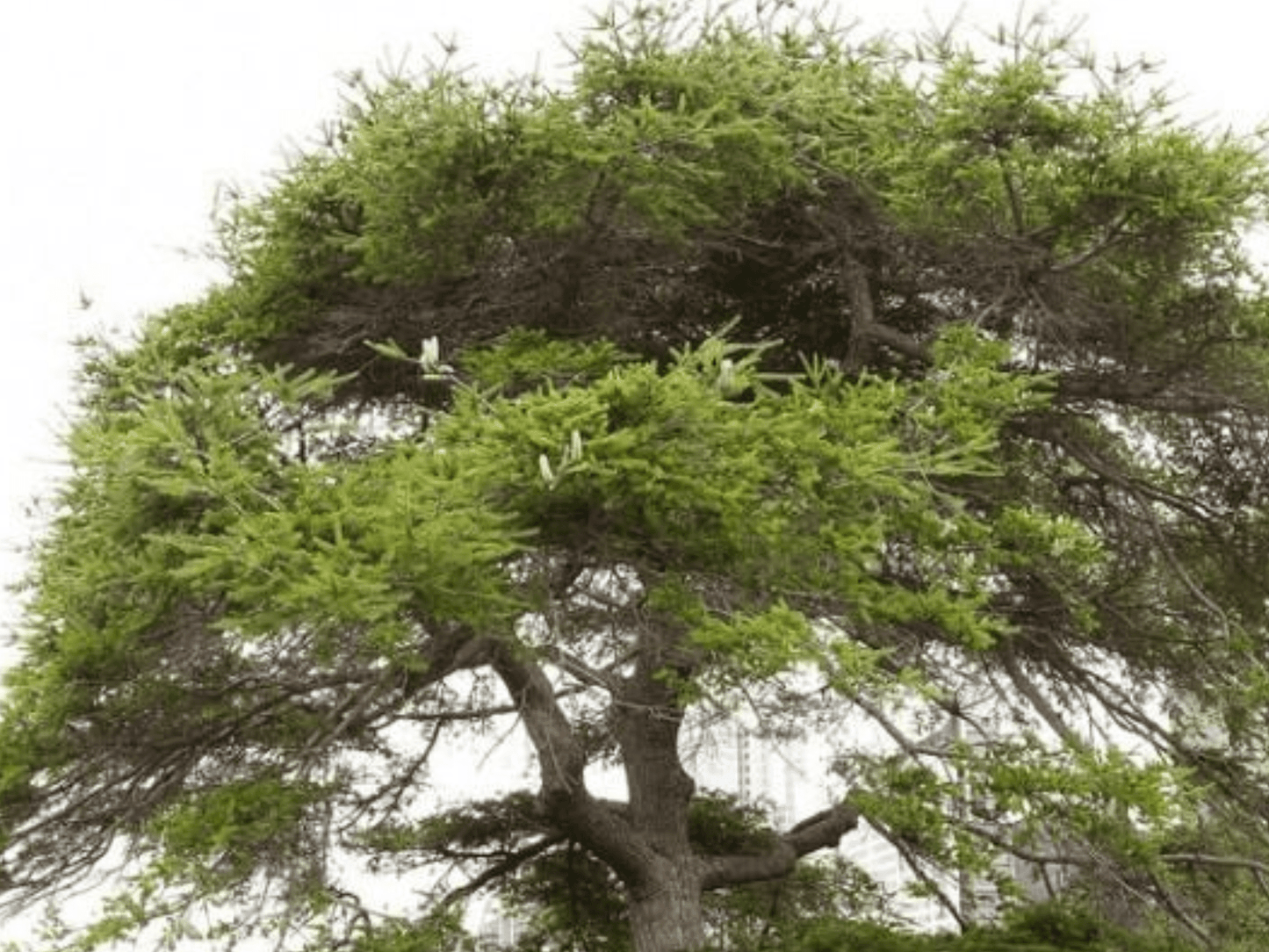
Keteleeria fortunei, Fortune's Keteleeria or Chinese Keteleeria, is one of the most unusual and least commonly cultivated conifers in western horticulture, a member of the pine family native to the mountain forests of southern China, Vietnam, and Laos that grows into a large, broadly spreading tree with a massive, irregular crown unlike any other commonly grown conifer and produces large, upright cones similar to true firs that stand erect on the branches rather than hanging pendulously. Named for Robert Fortune, the Scottish plant hunter who collected in China in the 1840s and 1850s, and for Belgian horticulturist Jean-Baptiste Keteleer, it represents a genus of only a handful of species that are genuinely rare in western cultivation despite being ecologically important trees in their native subtropical Chinese forests. If you are looking to buy Keteleeria seeds or grow this unusual Chinese conifer from seed, this is the rare conifer that botanical garden visitors ask about and general gardeners have never encountered.
- A member of the pine family with upright, fir-like cones standing erect on the branches, unlike most related conifers
- Massive, broadly spreading irregular crown developing a distinctive presence unlike any other commonly grown conifer
- Native to the mountain forests of southern China, Vietnam, and Laos, genuinely rare in western cultivation
- Ancient conifer lineage with fossil records extending back to the Cretaceous period
- Named for Robert Fortune, the Scottish plant hunter who dramatically transformed western horticulture through his Chinese collections
Things you probably did not know about the Fortune's Keteleeria
Robert Fortune smuggled tea plants from China disguised as a servant, one of the most consequential acts of industrial espionage in history. The plant hunter for whom this tree is partly named was responsible for one of the most significant acts of botanical espionage ever recorded. In 1848, Fortune disguised himself as a Chinese merchant, penetrated the interior provinces where tea cultivation was practiced, and smuggled living tea plants, seeds, and the knowledge of tea processing techniques out of China for the East India Company. This allowed Britain to establish tea plantations in India that broke the Chinese monopoly on tea production and transformed the global tea trade. The Keteleeria that bears his name is a minor footnote in the career of one of history's most consequential botanical collectors.
The genus Keteleeria is a Cretaceous relict that once had a much wider global distribution. Fossil Keteleeria specimens have been found in deposits from Japan, Korea, Europe, and North America, indicating that the genus was once distributed across much of the northern hemisphere before the Ice Ages contracted its range to the subtropical mountain forests of southern China and Southeast Asia where it survives today. Like Ginkgo and Dawn Redwood, Keteleeria is a ghost of a more widely distributed ancient lineage now restricted to a small fraction of its former range.
The tree is considered sacred and is planted at Buddhist temples throughout southern China. Keteleeria fortunei has been associated with Buddhist temple groves in southern China for centuries, planted for its ancient lineage, impressive size at maturity, and the spiritual significance attributed to long-lived trees in Chinese Buddhist tradition. Some of the oldest known Keteleeria specimens grow at temple sites in Fujian, Guangdong, and Zhejiang provinces where they have been protected and tended for hundreds of years.
The seeds require very fresh conditions to maintain viability. Keteleeria seeds lose viability relatively quickly after collection, making fresh seeds significantly more likely to germinate than stored seeds of uncertain age. Botanical garden seed banks and specialist suppliers who collect fresh seeds in season provide the highest germination rates. Seeds more than a year old from unknown storage conditions may have reduced or no viability.
Growing Details
- Botanical Name: Keteleeria fortunei
- Stratification: Required, 30 to 60 days cold stratification, use fresh seeds for best results
- USDA Zones: 7 to 10
- Soil: Well-drained, slightly acidic to neutral, prefers moist conditions
- Light: Full sun to partial shade
- Height: 60 to 120 feet in native conditions, typically 30 to 50 feet in cultivation
- Spread: 25 to 40 feet
- Growth Rate: Moderate, 1 to 2 feet per year in suitable climates
Plant it in a prominent location in zone 7 or warmer where its eventually massive and irregular crown can develop without competing with other large trees. Give it space appropriate to its mature size and decades to reveal the full presence that makes it one of the most impressive conifers in subtropical gardens.
FAQ
FAQ
Do you pre-stratify the seeds?
Most of our seeds are not pre-stratified. They are stored under dry, cold conditions to preserve viability without initiating stratification, allowing you to time germination for your local growing season.
The exception is recalcitrant seeds. Because these seeds must remain moist to stay viable, they are kept in moist, cold storage and are therefore in a pre-stratified state. Depending on how long a particular batch has been stored, some may arrive with an emerging radicle and be ready to plant immediately. Radicle development is not guaranteed.
Please refer to the individual product page and included growing instructions for species-specific requirements.
Do any of your seeds need to stay moist? (Recalcitrant seeds)
Yes. Some species we offer, including Chestnut, Hazelnut, and Paw Paw, are recalcitrant and must remain moist to stay viable.
Please refrigerate these seeds immediately upon arrival unless they have already developed a radicle. Seeds with an emerging radicle should be planted promptly.
Do you ship internationally?
No. We currently ship within the United States only.
We previously shipped to Canada, but tariffs, duties, and import fees resulted in customers receiving significant and unpredictable additional charges upon delivery. Because we cannot reliably calculate or absorb these costs, we have suspended shipping to Canada.
At this time, we do not ship to Canada or other international destinations.
Shipping & What's Included
Shipping & What's Included
Shipping & Packaging
• Hand-packed in resealable kraft paper seed bags
• Stratification and planting instructions included on every seed pack
• Ships within 3–5 business days via USPS within the United States and U.S. territories
Return Policy
Return Policy
Due to the nature of our products, we do not accept returns on seeds.
If your order arrives damaged, contains incorrect items, or is missing items, please contact us within 7 days of delivery so we can resolve the issue.