

Flowering Almond Tree Seeds | (Prunus triloba)
Flowering Almond Tree Seeds | (Prunus triloba)
Pink ruffled flowers. The earliest bloom of spring.
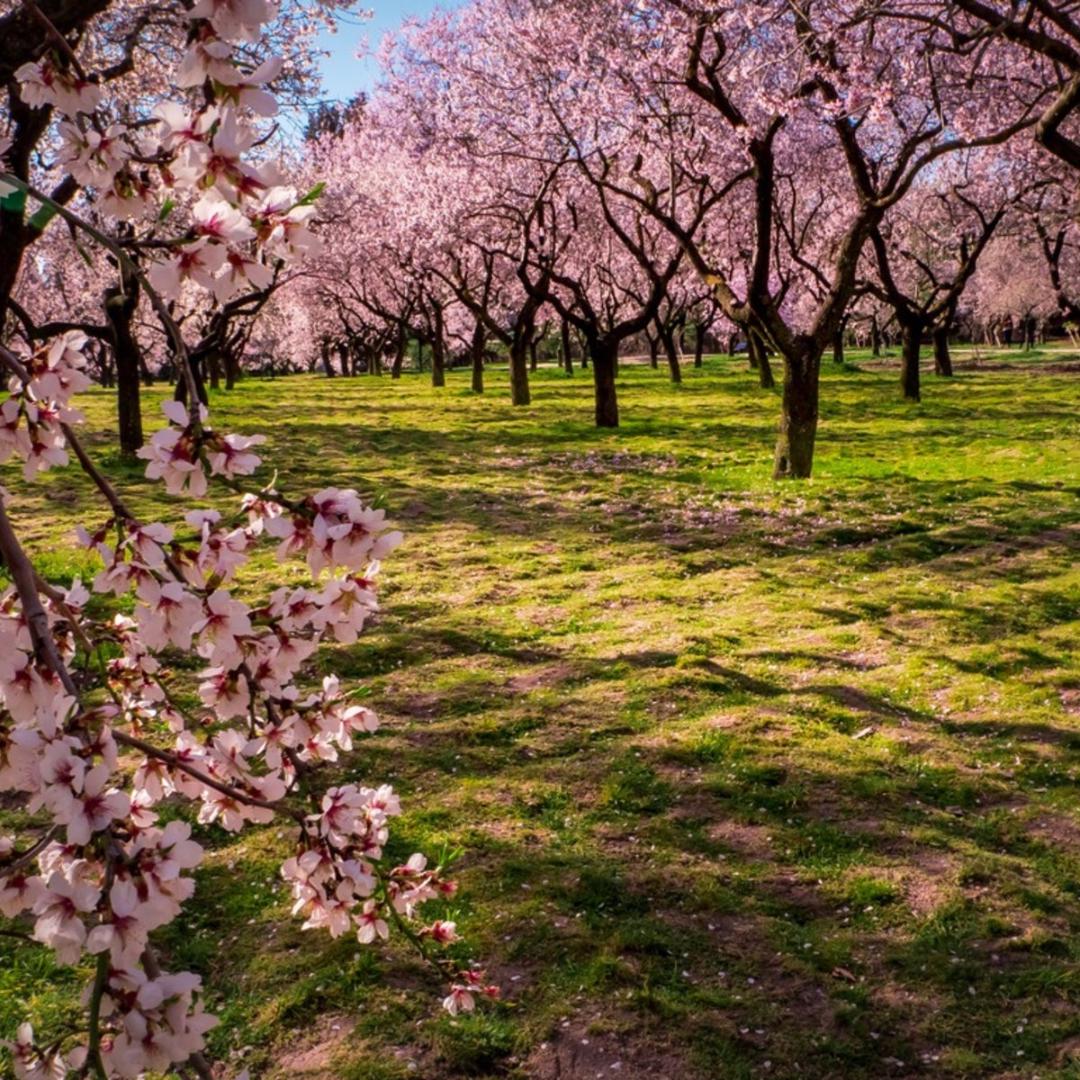
Prunus triloba, the Flowering Almond, is one of the earliest flowering woody plants of spring, smothering its bare branches in densely doubled, ruffled pink flowers in late winter and early spring before almost anything else in the garden has stirred. A native of China grown in cultivation for centuries, it is one of the most popular flowering shrubs in the traditional gardens of northern China and Japan and is equally valuable in North American landscapes for the concentrated color it delivers at the moment when spring is most needed. Each small flower is ruffled and layered like a miniature peony, giving the plant a refined, decorative quality that simple single flowers cannot match. Seed-grown plants express natural variation in flower doubleness and color from pale to deep pink. If you are looking to buy Flowering Almond seeds or grow this early spring bloomer from seed, this is the plant that tells you the worst of winter is over.
- Dense double pink flowers covering bare branches in late winter and early spring before leaves emerge
- One of the earliest flowering woody plants of the season, blooming ahead of forsythia in most climates
- Ruffled, layered flowers resembling tiny peonies, refined and distinctive compared to single-flowered cherries
- Compact shrub size suitable for small gardens, borders, and foundation plantings
- Seed-grown plants produce natural variation in flower fullness and shade of pink
Things you probably did not know about the Flowering Almond
It is one of the most historically cultivated flowering shrubs in Chinese garden history. Prunus triloba has been grown in Chinese gardens for centuries and appears in classical Chinese garden painting and poetry as a symbol of spring's arrival and the renewal of life after winter. The fully doubled form was developed through centuries of selection from the single-flowered wild species and became one of the defining ornamental plants of the traditional Chinese garden.
The flowers appear on the previous year's wood before any new growth begins. Flowering Almond blooms on one-year-old wood, which is why the flowers appear on bare stems before any new leaves emerge. This characteristic means that heavy pruning after bloom, rather than in late winter, is essential to preserving next year's flowering wood. Plants pruned in late winter will lose all of their bloom for that season.
It blooms so early it sometimes opens during late winter warm spells in zone 5 and 6. In years with extended late winter warm periods, Flowering Almond can begin opening flowers in February in zone 6, creating a pink display against possible late snow that is genuinely startling in its early arrival. This extremely early blooming timing is part of its value as a garden plant and also its occasional vulnerability to late frost damage.
The fruit that follows the flowers is edible. Small red-orange cherries ripen on Flowering Almond in summer and while they are not particularly flavorful when eaten raw, they are relished by birds and can be used in jams and preserves. The plant earns its place in the garden for the flowers and delivers modest additional value in the fruit.
Growing Details
- Botanical Name: Prunus triloba
- Stratification: Required, 90 to 120 days cold moist stratification
- USDA Zones: 3 to 8
- Soil: Well-drained, fertile, slightly acidic to neutral
- Light: Full sun, best flowering in full sun
- Height: 6 to 15 feet
- Spread: 6 to 12 feet
- Growth Rate: Moderate, 1 to 1.5 feet per year
Plant it at eye level near a path or window. The flowers open in the first warm days of late winter and they are the best news the garden delivers all year.
FAQ
FAQ
Do you pre-stratify the seeds?
Most of our seeds are not pre-stratified. They are stored under dry, cold conditions to preserve viability without initiating stratification, allowing you to time germination for your local growing season.
The exception is recalcitrant seeds. Because these seeds must remain moist to stay viable, they are kept in moist, cold storage and are therefore in a pre-stratified state. Depending on how long a particular batch has been stored, some may arrive with an emerging radicle and be ready to plant immediately. Radicle development is not guaranteed.
Please refer to the individual product page and included growing instructions for species-specific requirements.
Do any of your seeds need to stay moist? (Recalcitrant seeds)
Yes. Some species we offer, including Chestnut, Hazelnut, and Paw Paw, are recalcitrant and must remain moist to stay viable.
Please refrigerate these seeds immediately upon arrival unless they have already developed a radicle. Seeds with an emerging radicle should be planted promptly.
Do you ship internationally?
No. We currently ship within the United States only.
We previously shipped to Canada, but tariffs, duties, and import fees resulted in customers receiving significant and unpredictable additional charges upon delivery. Because we cannot reliably calculate or absorb these costs, we have suspended shipping to Canada.
At this time, we do not ship to Canada or other international destinations.
Shipping & What's Included
Shipping & What's Included
Shipping & Packaging
• Hand-packed in resealable kraft paper seed bags
• Stratification and planting instructions included on every seed pack
• Ships within 3–5 business days via USPS within the United States and U.S. territories
Return Policy
Return Policy
Due to the nature of our products, we do not accept returns on seeds.
If your order arrives damaged, contains incorrect items, or is missing items, please contact us within 7 days of delivery so we can resolve the issue.