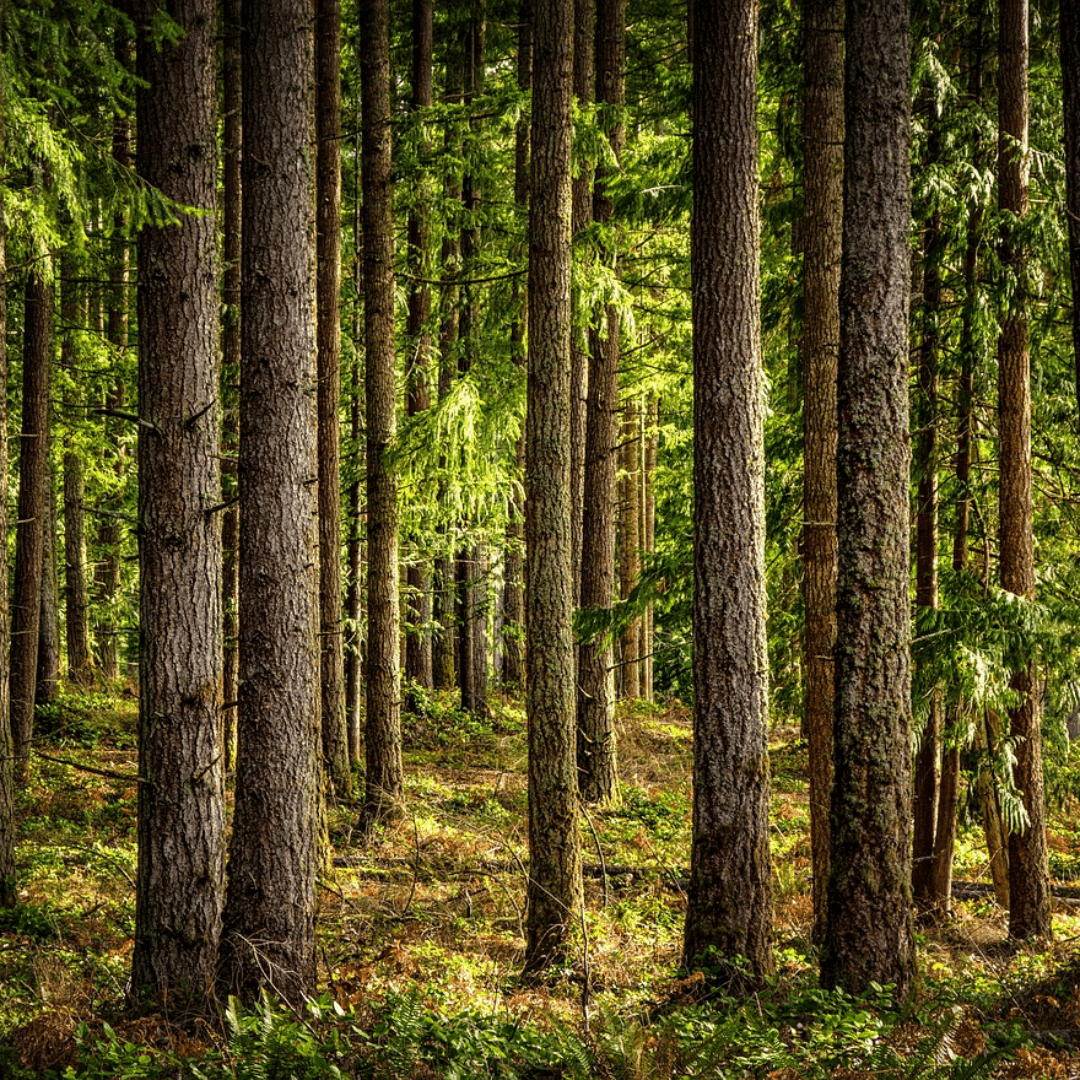


Eastern Hemlock Tree Seeds | (Tsuga canadensis)
Eastern Hemlock Tree Seeds | (Tsuga canadensis)
The quiet guardian of the eastern forest. Ancient. Irreplaceable. Disappearing.
Tsuga canadensis, the Eastern Hemlock, is one of the most ecologically important trees in eastern North America and one of the most threatened. Its deep, year-round shade creates a unique microclimate along cold streams and northern hillsides that supports a community of organisms found nowhere else, including brook trout, Acadian flycatchers, and rare woodland plants that require the cool, humid conditions only mature hemlock creates. It is also one of the most graceful and beautiful native conifers, with soft, flat needles, delicate pendulous branches, and small elegant cones that give it a refined, feathery quality unlike any other evergreen. The woolly adelgid is killing millions of hemlocks across its range right now. Every tree grown in cultivation matters. If you are looking to buy Eastern Hemlock seeds or grow this native conifer from seed, you are doing something meaningful.
- One of the most ecologically important conifers in eastern North America, creating unique cold-stream microhabitats
- Exceptionally shade-tolerant, the only large native conifer that grows well in full shade
- Soft, flat needles with silvery undersides and small delicate cones, the most graceful of native conifers
- Critical habitat for brook trout, rare woodland plants, and the Acadian flycatcher
- Under severe threat from the woolly adelgid across its native range, every cultivated tree is a conservation act
Things you probably did not know about the Eastern Hemlock
It can live for over 500 years and be older than it looks. Eastern Hemlocks grow slowly in deep shade, adding annual rings so thin they are barely visible without magnification. Trees that appear modest in size may be centuries old. The oldest documented Eastern Hemlock in the Great Smoky Mountains was over 500 years old and not particularly large by hemlock standards.
The shade it creates is unlike any other tree in the eastern forest. Mature Eastern Hemlock stands create the deepest, most consistent shade of any native hardwood or conifer in eastern North America. The understory of a hemlock grove can be as much as 97 percent shaded at midday, creating conditions so cool and moist that snow lingers weeks longer than in adjacent hardwood forest. This microclimate is why cold-water streams lined with hemlocks support brook trout populations that cannot survive in adjacent sun-exposed streams.
It was the primary source of tannin for the American leather industry for over a century. The bark of Eastern Hemlock is extraordinarily high in tannins, the compounds used to convert raw animal hides into leather. From colonial times through the early 20th century, hemlock bark was stripped from trees across the Appalachians and Great Lakes region to supply tanneries. The tanning industry drove widespread hemlock logging and contributed significantly to the early deforestation of the Northeast.
The woolly adelgid can kill a tree in 4 to 10 years. Adelges tsugae, an invasive insect from East Asia, arrived in the eastern United States in the 1950s and has since spread throughout the hemlock's range. The insect feeds on the tree's stored starches, eventually starving it. In the southern Appalachians, over 80 percent of hemlocks in some areas have been killed. Research into adelgid-resistant selections and biological control is ongoing, but the losses already sustained are irreversible on any human timescale.
Growing Details
- Botanical Name: Tsuga canadensis
- Stratification: Required, 60 to 90 days cold stratification, surface sow as seeds need light to germinate
- USDA Zones: 3 to 7
- Soil: Moist, well-drained, acidic, rich in organic matter, cool sites preferred
- Light: Full shade to full sun, the most shade-tolerant large conifer in eastern North America
- Height: 40 to 70 feet
- Spread: 25 to 35 feet
- Growth Rate: Slow, 6 to 12 inches per year
Plant it in a cool, moist, shaded spot and let it become the quiet anchor of that corner of your property. It will outlive everything planted around it.
FAQ
FAQ
Do you pre-stratify the seeds?
Most of our seeds are not pre-stratified. They are stored under dry, cold conditions to preserve viability without initiating stratification, allowing you to time germination for your local growing season.
The exception is recalcitrant seeds. Because these seeds must remain moist to stay viable, they are kept in moist, cold storage and are therefore in a pre-stratified state. Depending on how long a particular batch has been stored, some may arrive with an emerging radicle and be ready to plant immediately. Radicle development is not guaranteed.
Please refer to the individual product page and included growing instructions for species-specific requirements.
Do any of your seeds need to stay moist? (Recalcitrant seeds)
Yes. Some species we offer, including Chestnut, Hazelnut, and Paw Paw, are recalcitrant and must remain moist to stay viable.
Please refrigerate these seeds immediately upon arrival unless they have already developed a radicle. Seeds with an emerging radicle should be planted promptly.
Do you ship internationally?
No. We currently ship within the United States only.
We previously shipped to Canada, but tariffs, duties, and import fees resulted in customers receiving significant and unpredictable additional charges upon delivery. Because we cannot reliably calculate or absorb these costs, we have suspended shipping to Canada.
At this time, we do not ship to Canada or other international destinations.
Shipping & What's Included
Shipping & What's Included
Shipping & Packaging
• Hand-packed in resealable kraft paper seed bags
• Stratification and planting instructions included on every seed pack
• Ships within 3–5 business days via USPS within the United States and U.S. territories
Return Policy
Return Policy
Due to the nature of our products, we do not accept returns on seeds.
If your order arrives damaged, contains incorrect items, or is missing items, please contact us within 7 days of delivery so we can resolve the issue.