

Filbert Hazelnut Tree Seeds | European Hazelnut | (Corylus avellana)
Filbert Hazelnut Tree Seeds | European Hazelnut | (Corylus avellana)
The original hazelnut. The nut that Nutella is made from.
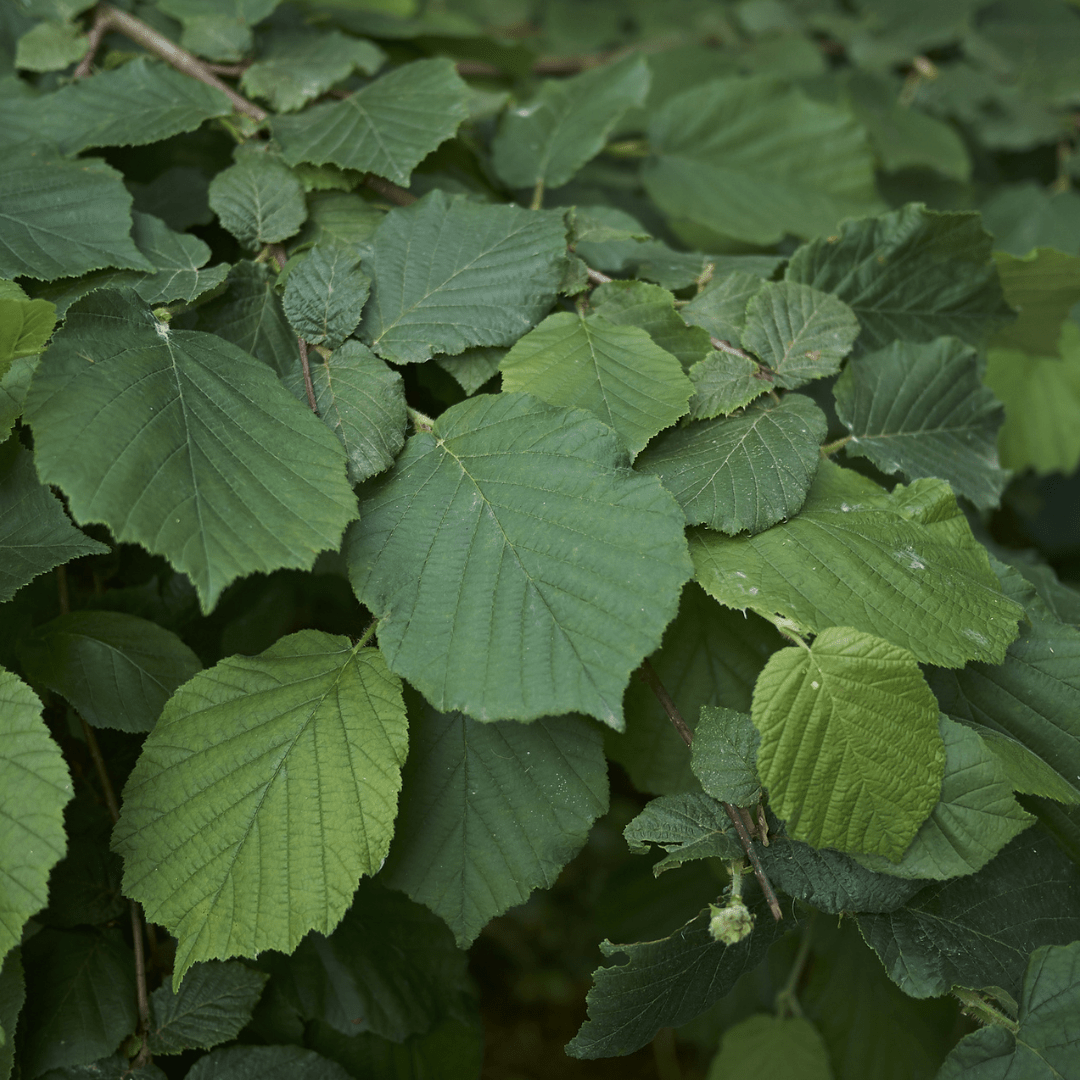
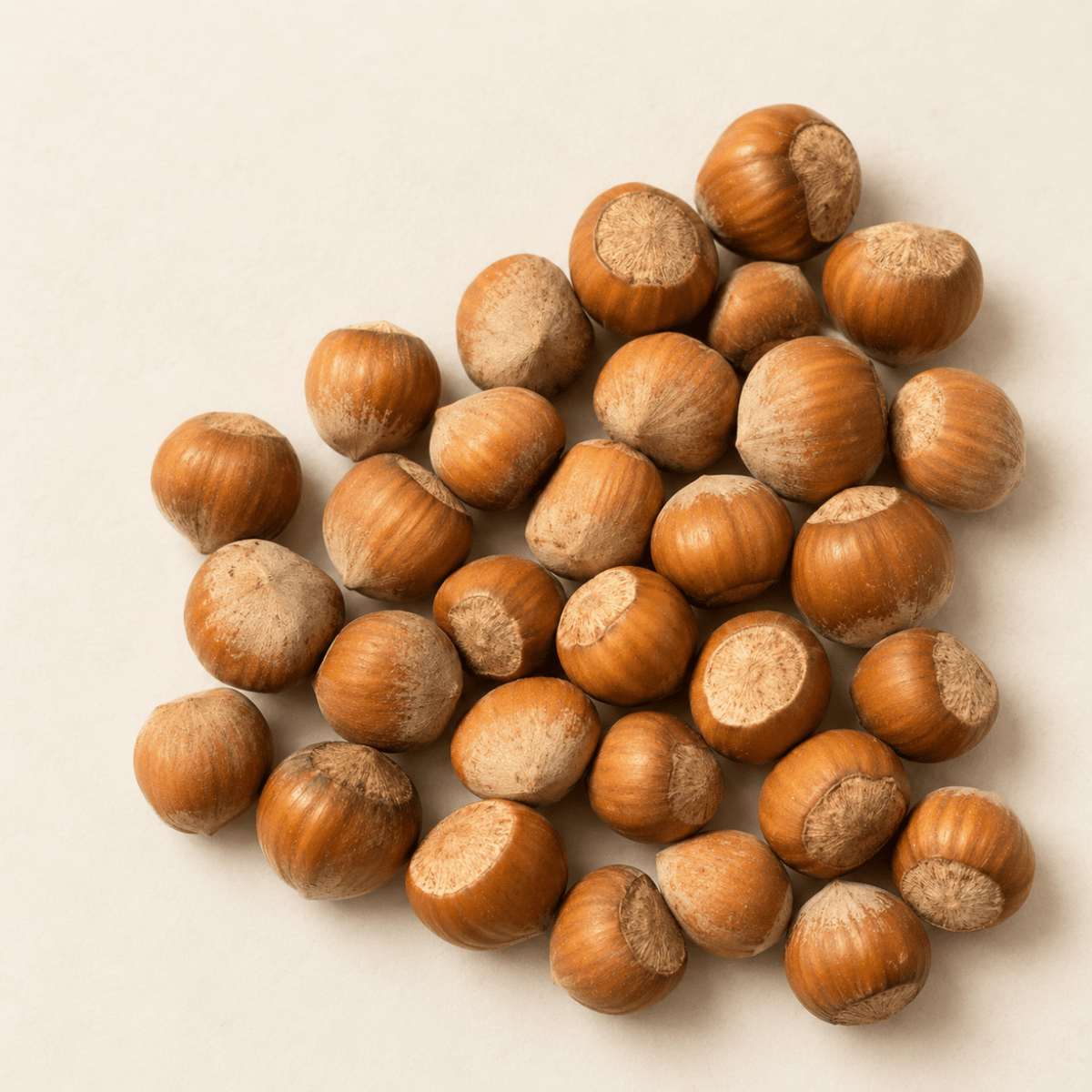
Corylus avellana, the European Hazelnut or Filbert, is the species responsible for virtually the entire global hazelnut industry, the tree whose nuts are roasted, ground, and combined with chocolate in Nutella, pressed into hazelnut oil, and eaten raw, roasted, and processed in every hazelnut product sold anywhere in the world. Native across Europe and western Asia, it has been cultivated for its nuts for at least 9,000 years and harvested from wild populations for far longer. It is a multi-stemmed shrub or small tree that produces the earliest pollen of any woody plant in the temperate garden, its catkins releasing yellow pollen clouds in late winter weeks before any other tree begins to stir, and it bears clusters of nuts enclosed in leafy husks in late summer. If you are looking to buy Hazelnut seeds or grow filbert from seed, this is the nut that has fed more people across more centuries than any other tree nut in European history.
- Produces the commercial hazelnut eaten worldwide, the nut used in Nutella and virtually all hazelnut food products
- Earliest-flowering woody plant in the temperate garden, catkins releasing pollen in late winter or early spring
- Has been cultivated continuously for at least 9,000 years, one of the oldest cultivated nut plants
- Multi-stemmed form ideal for hedgerow planting, wildlife thickets, and productive garden borders
- Begins producing nuts within 3 to 5 years from seed, among the fastest-producing nut plants available
Things you probably did not know about the Filbert Hazelnut
9,000-year-old hazelnut shells have been found at a single Scottish site in extraordinary quantities. Excavation of a Mesolithic site on the island of Colonsay off the west coast of Scotland uncovered the remains of over 100,000 burned hazelnut shells in a single pit, representing a deliberate mass harvest and processing event dated to approximately 7000 BC. Archaeobotanists believe the entire island's hazelnut crop was harvested by a group that visited specifically for the purpose, representing one of the earliest documented instances of organized plant food production in northwestern Europe.
Hazelnuts are one of the few nut crops that can be harvested by hand within reach of the ground. Most commercial nut crops require large trees that are mechanically harvested. Hazelnuts grow on compact multi-stemmed shrubs with nuts at accessible heights, making small-scale hand harvesting practical for home growers. A productive mature clump of three to five stems can produce 5 to 10 pounds of nuts per year, enough for personal use and some surplus, from a planting that takes up less space than a standard fruit tree.
The catkins release pollen up to eight weeks before the leaves emerge. Hazelnut catkins develop through fall and winter, fully elongated and ready to release pollen by late January or February in mild years. The tiny female flowers that receive the pollen are inconspicuous red tufts at the branch tips that appear simultaneously with the pollen release and are easily missed by casual observers. The entire pollination event is complete months before the first leaf of spring appears.
The wood is exceptionally flexible and has been used for wattle fencing for thousands of years. Hazel stems, particularly young flexible shoots called withies, are the traditional material for wattle, the interwoven panel fencing and wall-building technique used in traditional European construction from prehistoric times through the medieval period. Hazel coppice, the practice of cutting hazel to the ground on a rotation of 7 to 15 years to harvest straight flexible shoots, has been practiced continuously in England and Europe for at least 4,000 years.
Growing Details
- Botanical Name: Corylus avellana
- Stratification: Required, 60 to 90 days cold moist stratification
- USDA Zones: 4 to 9
- Soil: Well-drained, slightly acidic to neutral, tolerates a range of conditions
- Light: Full sun to partial shade, best nut production in full sun
- Height: 8 to 15 feet
- Spread: 8 to 15 feet, spreading by suckers over time
- Growth Rate: Moderate to fast, 1 to 2 feet per year
Plant two or more for cross-pollination and maximum nut production. In four years you will have hazelnuts. In ten years you will have a productive multi-stemmed grove that requires almost nothing from you to keep producing.
FAQ
FAQ
Do you pre-stratify the seeds?
Most of our seeds are not pre-stratified. They are stored under dry, cold conditions to preserve viability without initiating stratification, allowing you to time germination for your local growing season.
The exception is recalcitrant seeds. Because these seeds must remain moist to stay viable, they are kept in moist, cold storage and are therefore in a pre-stratified state. Depending on how long a particular batch has been stored, some may arrive with an emerging radicle and be ready to plant immediately. Radicle development is not guaranteed.
Please refer to the individual product page and included growing instructions for species-specific requirements.
Do any of your seeds need to stay moist? (Recalcitrant seeds)
Yes. Some species we offer, including Chestnut, Hazelnut, and Paw Paw, are recalcitrant and must remain moist to stay viable.
Please refrigerate these seeds immediately upon arrival unless they have already developed a radicle. Seeds with an emerging radicle should be planted promptly.
Do you ship internationally?
No. We currently ship within the United States only.
We previously shipped to Canada, but tariffs, duties, and import fees resulted in customers receiving significant and unpredictable additional charges upon delivery. Because we cannot reliably calculate or absorb these costs, we have suspended shipping to Canada.
At this time, we do not ship to Canada or other international destinations.
Shipping & What's Included
Shipping & What's Included
Shipping & Packaging
• Hand-packed in resealable kraft paper seed bags
• Stratification and planting instructions included on every seed pack
• Ships within 3–5 business days via USPS within the United States and U.S. territories
Return Policy
Return Policy
Due to the nature of our products, we do not accept returns on seeds.
If your order arrives damaged, contains incorrect items, or is missing items, please contact us within 7 days of delivery so we can resolve the issue.