

Chickasaw Plum Tree Seeds | Sand Plum| Sandhill Plum | (Prunus angustifolia)
Chickasaw Plum Tree Seeds | Sand Plum| Sandhill Plum | (Prunus angustifolia)
The smallest native plum. The first thing to bloom in spring. The one the wildlife finds first.
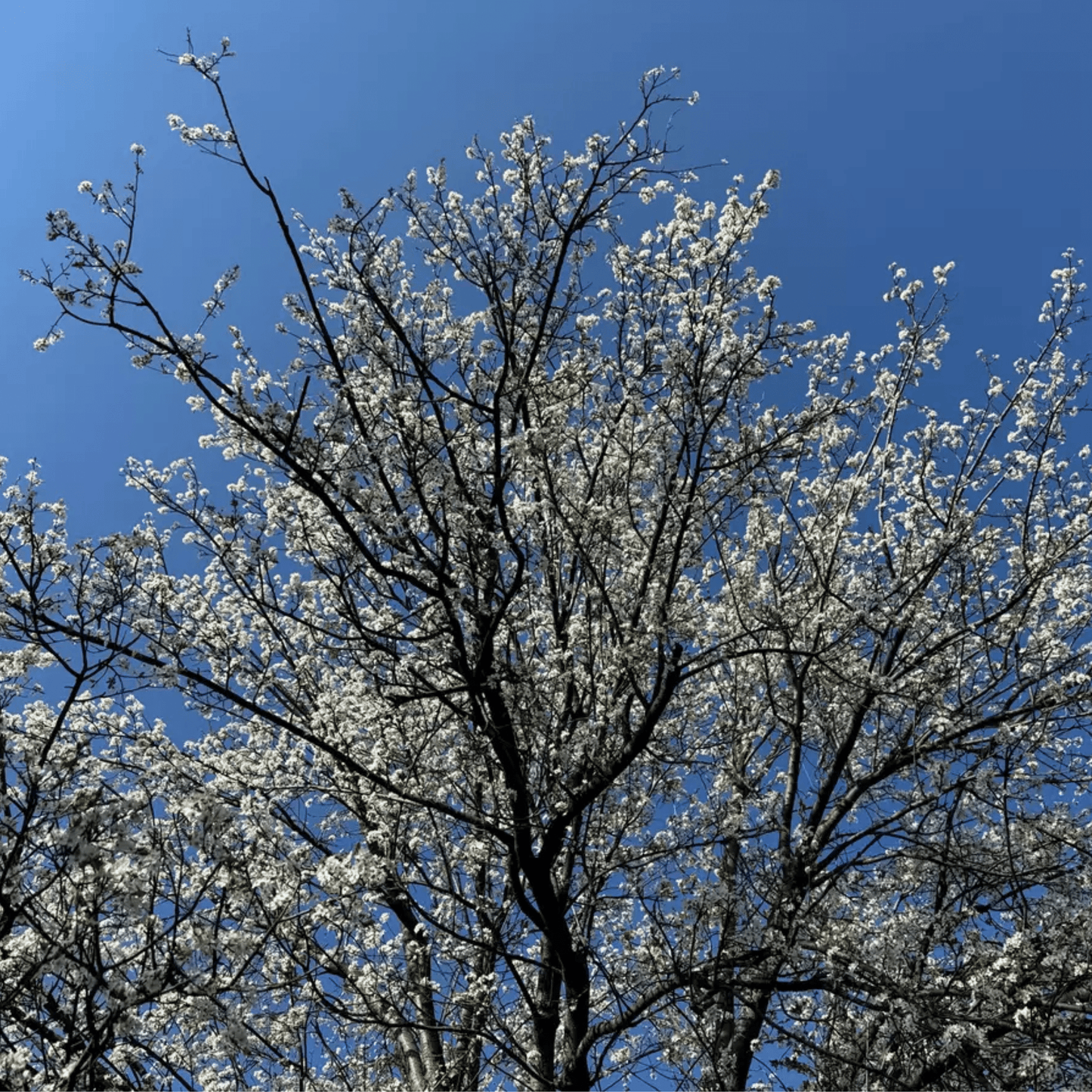
Prunus angustifolia, the Chickasaw Plum, is the earliest-flowering native Prunus in eastern North America, covering its thorny stems with masses of small white flowers in late winter and very early spring before virtually any other woody plant has stirred, at a moment when pollinators are desperate for food and the landscape has nothing else to offer. It produces small, red to yellow plums in early summer that are tart, richly flavored, and excellent for jelly, wine, and preserves while also being one of the most important early summer wildlife foods available in the southern and central United States. It spreads aggressively by root suckers to form impenetrable thorny thickets that provide the most secure nesting cover available for ground-nesting birds and the strongest escape cover for small mammals of any native shrub in its range. If you are looking to buy Chickasaw Plum seeds or grow this native plum from seed, this is the plant that earns its place faster than anything else you can establish.
- Masses of white flowers in late winter and very early spring, the first major flowering event of the season
- Small, tart, richly flavored plums in early summer excellent for jelly, wine, and preserves
- Spreads by root suckers to form dense, thorny thickets providing the most secure wildlife cover available
- Native across the southern and central United States, one of the most cold-tolerant Prunus species in the region
- One of the earliest and most important summer fruit sources for deer, turkey, foxes, and songbirds
Things you probably did not know about the Chickasaw Plum
It was one of the few fruit trees actively managed and transplanted by Indigenous peoples of the Southeast. Archaeological and historical evidence indicates that Chickasaw, Cherokee, Creek, and other southeastern nations transplanted Chickasaw Plum suckers to village edges, camp sites, and travel routes specifically for the fruit. The pattern of Chickasaw Plum distribution across the southeastern United States reflects both natural spread and deliberate human planting over centuries, making it difficult to determine where its natural range ends and its anthropogenic range begins.
The thorns make the thickets essentially impenetrable to larger predators. Chickasaw Plum thorns are sharp, straight, and densely spaced along the stems in a way that deters any mammal larger than a rabbit from pushing through a mature thicket. Northern bobwhite quail, which require dense low cover for roosting and escape, are particularly dependent on Chickasaw Plum thickets in the southern states where habitat management for quail specifically includes maintaining Chickasaw Plum patches for this reason.
The early bloom provides the first significant nectar of the year for native bees. In warm years Chickasaw Plum begins blooming in late February or early March in its southernmost range, providing the first major nectar source of the season for queen bumblebees, mining bees, and other early-emerging native bee species. The timing of this bloom before any other significant native Prunus species creates a specific ecological window where Chickasaw Plum is irreplaceable for bee populations completing their winter emergence.
The fruit is at its best for jelly at the moment it is too tart to eat raw. The high acid and pectin content of Chickasaw Plum at the stage when the fruit tastes too sour to enjoy fresh makes it one of the finest jelly fruits available. The natural pectin means jelly sets without commercial pectin additives and the flavor, a combination of tartness, richness, and wild plum complexity, is considered by many jelly makers to be superior to any commercial jam available.
Growing Details
- Botanical Name: Prunus angustifolia
- Stratification: Required, 90 to 120 days cold moist stratification
- USDA Zones: 5 to 9
- Soil: Extremely adaptable, tolerates poor, sandy, rocky, or clay soils
- Light: Full sun to partial shade
- Height: 6 to 15 feet
- Spread: Spreading aggressively by root suckers to form thickets
- Growth Rate: Fast, 1 to 2 feet per year with vigorous suckering
Plant it at a field edge or along a fence line where you want permanent native cover and early spring flowers. Remove suckers from areas where spread is not desired. Let it do everything else on its own.
FAQ
FAQ
Do you pre-stratify the seeds?
Most of our seeds are not pre-stratified. They are stored under dry, cold conditions to preserve viability without initiating stratification, allowing you to time germination for your local growing season.
The exception is recalcitrant seeds. Because these seeds must remain moist to stay viable, they are kept in moist, cold storage and are therefore in a pre-stratified state. Depending on how long a particular batch has been stored, some may arrive with an emerging radicle and be ready to plant immediately. Radicle development is not guaranteed.
Please refer to the individual product page and included growing instructions for species-specific requirements.
Do any of your seeds need to stay moist? (Recalcitrant seeds)
Yes. Some species we offer, including Chestnut, Hazelnut, and Paw Paw, are recalcitrant and must remain moist to stay viable.
Please refrigerate these seeds immediately upon arrival unless they have already developed a radicle. Seeds with an emerging radicle should be planted promptly.
Do you ship internationally?
No. We currently ship within the United States only.
We previously shipped to Canada, but tariffs, duties, and import fees resulted in customers receiving significant and unpredictable additional charges upon delivery. Because we cannot reliably calculate or absorb these costs, we have suspended shipping to Canada.
At this time, we do not ship to Canada or other international destinations.
Shipping & What's Included
Shipping & What's Included
Shipping & Packaging
• Hand-packed in resealable kraft paper seed bags
• Stratification and planting instructions included on every seed pack
• Ships within 3–5 business days via USPS within the United States and U.S. territories
Return Policy
Return Policy
Due to the nature of our products, we do not accept returns on seeds.
If your order arrives damaged, contains incorrect items, or is missing items, please contact us within 7 days of delivery so we can resolve the issue.