

Carolina Silverbell Tree Seeds | Little Silverbell | (Halesia carolina)
Carolina Silverbell Tree Seeds | Little Silverbell | (Halesia carolina)
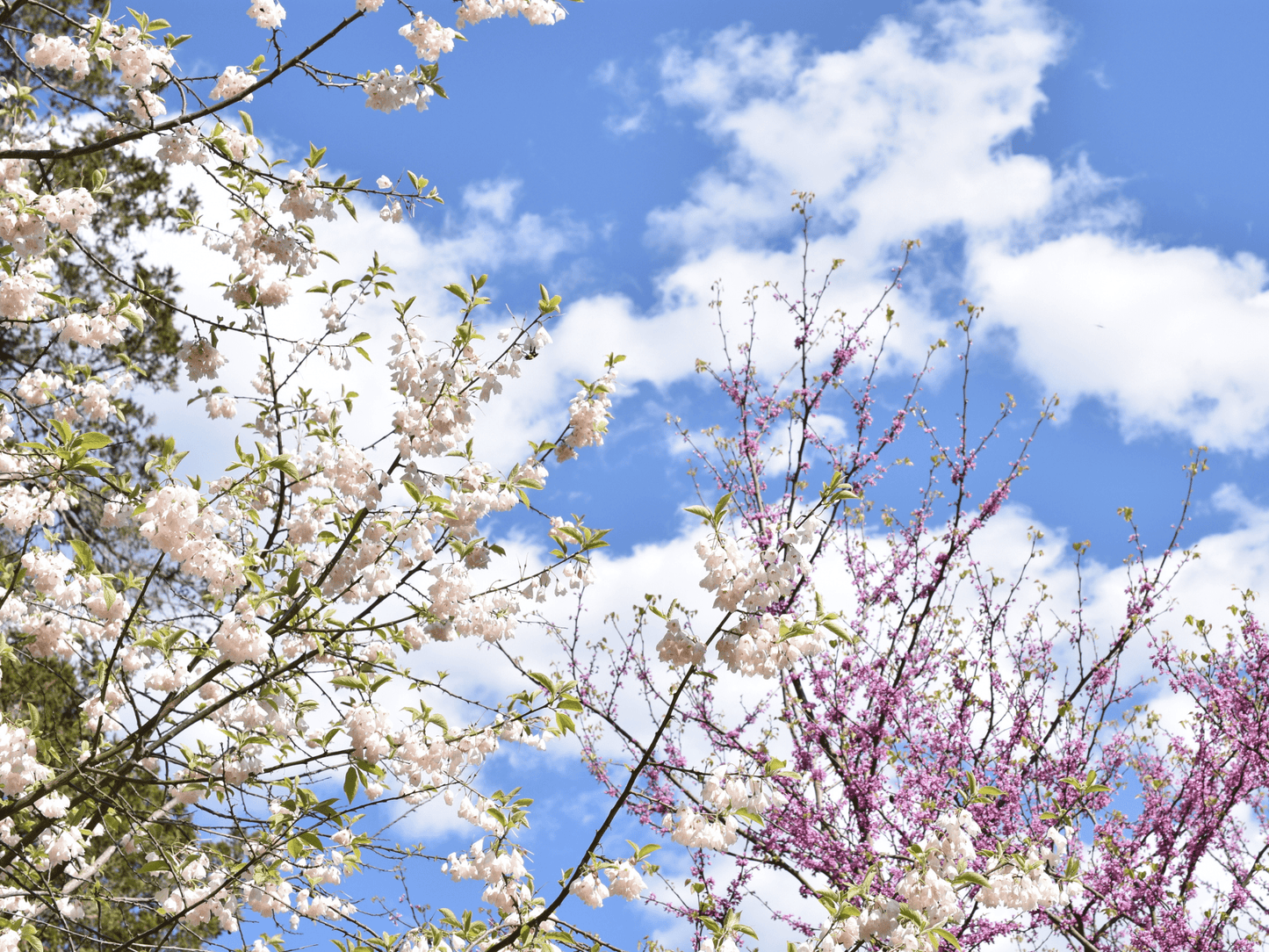
White bells in spring. The native understory tree that nobody plants enough of.
Halesia carolina, the Carolina Silverbell, is one of the most charming and consistently beautiful native flowering trees in eastern North America, producing pendulous clusters of pure white bell-shaped flowers that hang beneath the branches in late April and early May like strings of small lanterns, perfectly proportioned and perfectly white against the fresh green of newly emerging leaves. It grows naturally as an understory tree in the rich, moist coves and ravines of the Appalachians and Piedmont, tolerating significant shade while still flowering reliably, making it one of the few native flowering trees that actually performs in the partial shade conditions that most gardens have far more of than full sun. The four-winged, papery fruit that follow the flowers persist through summer and fall and have their own quiet ornamental quality. If you are looking to buy Carolina Silverbell seeds or grow this native flowering tree from seed, this is the understory flowering tree that every woodland garden in the eastern United States should have and most do not.
- Pendulous clusters of pure white bell-shaped flowers hanging beneath branches in late April and early May
- One of the few native flowering trees that blooms reliably in partial shade where most ornamentals fail
- Native to the Appalachian and Piedmont understory, perfectly adapted to woodland garden conditions
- Four-winged papery fruit persisting through summer and fall, providing additional seasonal interest
- Refined, graceful form that fits beneath the canopy of existing trees without competing for dominance
Things you probably did not know about the Carolina Silverbell
The flowers hang beneath the branches rather than above them because they evolved for bee pollination in a specific structural relationship. The downward-hanging, bell-shaped flowers of Carolina Silverbell are specifically structured to exclude all but the largest bumblebees from reaching the nectar. The flowers hang so that smaller insects fall away rather than gaining purchase, while large bumblebees with enough mass to hold on while hanging receive pollen on their backs as they reach for nectar. This weight-filtering pollination mechanism ensures that only the most effective pollen carriers receive the reward.
It is closely related to the endangered Snowdrop Tree of Georgia. Halesia diptera, the Two-winged Silverbell, and Halesia tetraptera, a closely related species, share the same genus and general characteristics as Carolina Silverbell. The Franklin Tree, which shares the same bottomland cove habitats in the Southeast, was often found growing alongside Silverbell species in the wild populations documented by the Bartrams in the 18th century. The Silverbell genus represents a botanical lineage with an ancient Appalachian distribution that has contracted significantly from its historical range.
The wood was used for small wooden objects and was prized by turners and craftspeople. Carolina Silverbell wood is fine-grained, moderately hard, and takes a good polish, making it a favorite material for small decorative wood turning in Appalachian craft traditions. The relatively small trunk diameter of most wild specimens limited its use to small objects, but the quality of the wood for turning and small carving was well recognized by craftspeople throughout its native range.
Gerard Manley Hopkins wrote about the silverbell in letters describing the American woodland. The Victorian poet Hopkins, who spent time in the United States and was deeply moved by American natural scenery, referenced the bellflower quality of Halesia species in letters describing the difference between the American woodland experience and the English one. The image of white bells hanging in a spring woodland was one of the American natural experiences that remained with him as distinctively different from anything available in Britain.
Growing Details
- Botanical Name: Halesia carolina
- Stratification: Required, warm stratification of 60 to 90 days followed by 90 to 120 days cold stratification
- USDA Zones: 4 to 8
- Soil: Moist, well-drained, acidic, rich in organic matter
- Light: Full sun to partial shade, reliable flowering in dappled woodland light
- Height: 20 to 35 feet
- Spread: 15 to 25 feet
- Growth Rate: Moderate, 1 to 1.5 feet per year
Plant it where you walk in late April and where some afternoon shade from existing trees will filter the light. The white bells hanging in dappled woodland light on a still spring morning are as quietly perfect as any flowering display in the native garden.
FAQ
FAQ
Do you pre-stratify the seeds?
Most of our seeds are not pre-stratified. They are stored under dry, cold conditions to preserve viability without initiating stratification, allowing you to time germination for your local growing season.
The exception is recalcitrant seeds. Because these seeds must remain moist to stay viable, they are kept in moist, cold storage and are therefore in a pre-stratified state. Depending on how long a particular batch has been stored, some may arrive with an emerging radicle and be ready to plant immediately. Radicle development is not guaranteed.
Please refer to the individual product page and included growing instructions for species-specific requirements.
Do any of your seeds need to stay moist? (Recalcitrant seeds)
Yes. Some species we offer, including Chestnut, Hazelnut, and Paw Paw, are recalcitrant and must remain moist to stay viable.
Please refrigerate these seeds immediately upon arrival unless they have already developed a radicle. Seeds with an emerging radicle should be planted promptly.
Do you ship internationally?
No. We currently ship within the United States only.
We previously shipped to Canada, but tariffs, duties, and import fees resulted in customers receiving significant and unpredictable additional charges upon delivery. Because we cannot reliably calculate or absorb these costs, we have suspended shipping to Canada.
At this time, we do not ship to Canada or other international destinations.
Shipping & What's Included
Shipping & What's Included
Shipping & Packaging
• Hand-packed in resealable kraft paper seed bags
• Stratification and planting instructions included on every seed pack
• Ships within 3–5 business days via USPS within the United States and U.S. territories
Return Policy
Return Policy
Due to the nature of our products, we do not accept returns on seeds.
If your order arrives damaged, contains incorrect items, or is missing items, please contact us within 7 days of delivery so we can resolve the issue.