

Cabbage Palm Seeds | Cabbage Palmetto | (Sabal palmetto)
Cabbage Palm Seeds | Cabbage Palmetto | (Sabal palmetto)
The state tree of Florida and South Carolina. The most cold-hardy large palm in North America.
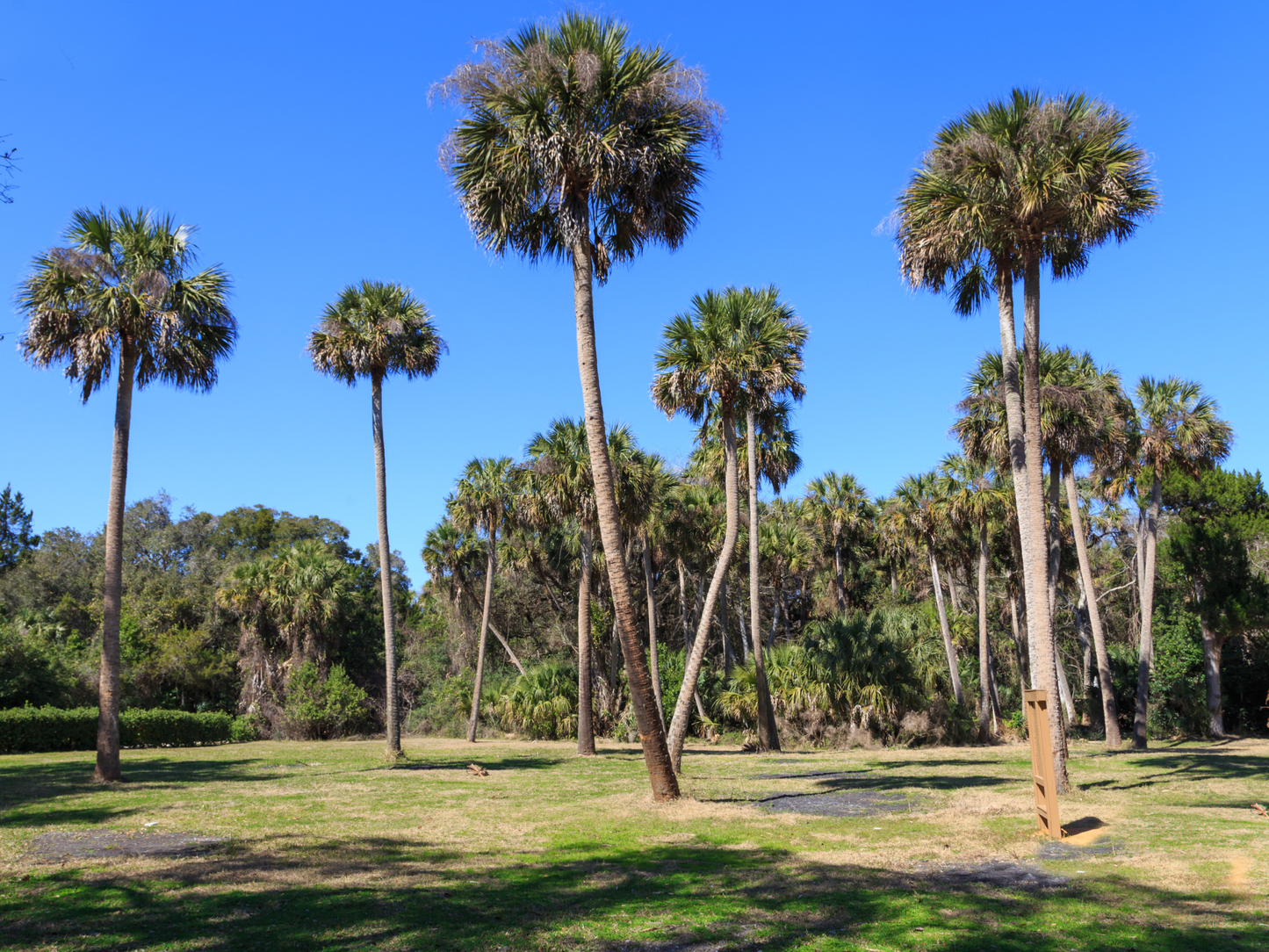
Sabal palmetto, the Cabbage Palmetto or Sabal Palm, is the most cold-hardy large palm native to North America, surviving temperatures well below freezing that would kill most other tall palms, and the most widely planted large palm in the American Southeast, its single straight trunk and full, arching crown of fan-shaped fronds defining the visual character of the southeastern coastal landscape from South Carolina to Florida and west along the Gulf Coast. It is the state tree of both Florida and South Carolina, the palm that lines every hotel drive in Miami and every college campus in Charleston, and a genuinely important ecological tree whose trunk cavities provide nest sites for dozens of bird and bat species and whose fruit feeds hundreds of thousands of migratory birds each fall. If you are looking to buy Sabal Palm seeds or grow this iconic southeastern native from seed, this is the palm that defines the southeastern American landscape more completely than any other single plant.
- The most cold-hardy large palm native to North America, surviving temperatures to the low teens Fahrenheit
- The state tree of both Florida and South Carolina, the most culturally emblematic tree of the American Southeast
- Single straight trunk developing the characteristic crisscross boot pattern as old frond bases shed
- Small black fruits produced in enormous quantities providing critical food for migratory songbirds in fall
- Virtually maintenance-free once established, one of the most low-care large landscape trees available in warm climates
Things you probably did not know about the Sabal Palm
The trunk takes years or decades to appear above ground while the root system establishes. Sabal Palms have one of the most unusual growth patterns of any large tree. After germination, the seedling develops a large root system for years while the trunk appears to make no upward progress, remaining at or near ground level for 5 to 15 years or more depending on conditions. Once the root system reaches a sufficient size, vertical growth begins and proceeds relatively quickly. This extended underground establishment phase is why transplanted Sabal Palms, which have their roots severed, can appear dead for a year or two before resuming growth.
The heart of the Sabal Palm is edible and was a survival food for Indigenous peoples of the Southeast. The terminal bud of the Sabal Palm, the growing point at the very top of the trunk, is a dense, cabbage-like mass of compressed young fronds that can be eaten raw or cooked and has a mild, slightly sweet flavor similar to artichoke heart. This edible heart is the origin of the common name Cabbage Palmetto. Harvesting the heart kills the tree, so the practice was reserved for survival situations or harvest of palms that were being removed anyway. It was a documented food source for the Timucua, Seminole, and other Florida Indigenous peoples.
The trunk is so fibrous it can absorb cannonballs without splitting. During the American Revolution, the British navy bombarded Fort Sullivan on Sullivan's Island, South Carolina, which was built from Sabal Palm logs. The soft, fibrous palm wood absorbed the cannonballs without shattering, preventing the fort from being destroyed. The fort's successful defense of Charleston was attributed directly to the energy-absorbing properties of the Sabal Palm walls, and the state of South Carolina subsequently honored the Sabal Palm by making it the state tree and placing it on the state flag.
Migratory birds consume the fruits in such quantities that individual trees attract hundreds of birds per day during peak fall migration. The small, olive-like black fruits of Sabal Palm ripen in fall and contain high fat content that makes them one of the most energy-rich foods available to migrating birds along the Atlantic flyway. Yellow-rumped warblers, red-eyed vireos, gray catbirds, and dozens of other migrating species consume Sabal Palm fruits voraciously during fall migration, with individual trees attracting and sustaining hundreds of birds per day during peak movement periods.
Growing Details
- Botanical Name: Sabal palmetto
- Stratification: Not required, fresh seeds germinate readily in warm, moist conditions
- USDA Zones: 8 to 11
- Soil: Extremely adaptable, tolerates sandy, alkaline, salt-sprayed, and wet to dry soils
- Light: Full sun to partial shade
- Height: 30 to 65 feet
- Spread: 10 to 15 feet at the crown
- Growth Rate: Slow above ground until root system established, then 1 to 2 feet per year
Plant it in zone 8 or warmer in full sun and be patient through the initial underground establishment phase. Once vertical growth begins it will need nothing from you and will be there long after every other plant in the landscape has been replaced.
FAQ
FAQ
Do you pre-stratify the seeds?
Most of our seeds are not pre-stratified. We ship them unstratified so you can control germination timing based on your local growing season. We sell to all 50 U.S. states and Canadian provinces, and since each region has different planting windows, pre-stratifying would risk seeds germinating in transit or before you're ready to plant.
True stratification requires cold, moist conditions, which can lead to premature sprouting or mold if not timed properly. To avoid this, we store most seeds in dry cold conditions to preserve viability — but this does not initiate stratification.
Do any of your seeds need to stay moist? (Recalcitrant seeds)
Yes — some species we offer are recalcitrant, meaning they must remain moist to stay viable and cannot be dried out. Examples include: Chestnut, Hazelnut, Paw Paw, etc.
These seeds are shipped in moist cold storage and are clearly labeled on the product page when applicable. Please refrigerate immediately upon arrival and follow included care instructions.
Do you ship internationally?
We currently ship to the United States and Canada only. Unfortunately, we cannot ship to other countries without a phytosanitary certificate, which is required by most international customs agencies.
If you're interested in shipping outside North America, please contact us. Note that a phytosanitary certificate typically adds $60–$80 USD per seed type and must be arranged in advance.
Shipping & What's Included
Shipping & What's Included
Shipping & Packaging
Hand-packed in resealable zipper kraft paper seed bags
Stratification and planting instructions included with every order
1 free bonus seed pack included with every order
Ships within 3–5 business days via USPS
Return Policy
Return Policy
Due to the nature of our products, we do not accept returns on seeds.
However, if your order arrives damaged or incorrect, please contact us within 7 days and we’ll make it right.