

Black Cherry Tree Seeds – (Prunus serotina)
Black Cherry Tree Seeds – (Prunus serotina)
Wildlife food. Fragrant wood. The most important native cherry in North America.
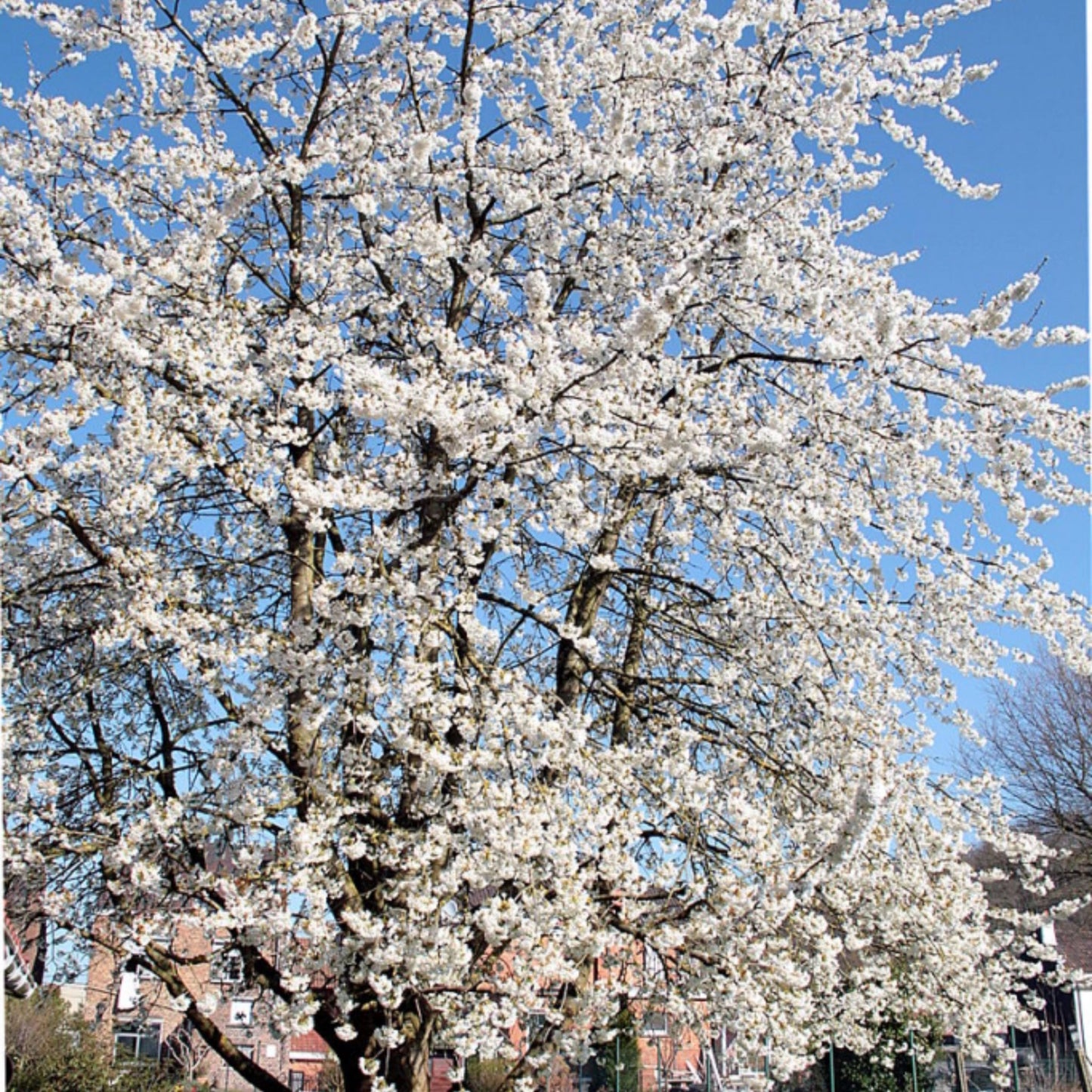
Prunus serotina, the Black Cherry, is the most ecologically significant native cherry tree on the continent, producing small dark fruits that over 70 species of birds depend on during summer and fall migration and fragrant white flower clusters that attract native bees, butterflies, and beneficial insects in spring. It grows fast, tolerates a wide range of soils, and produces some of the most valued domestic cabinet wood in North America. It is also the sole host plant for the caterpillars of the Eastern Tiger Swallowtail and dozens of other moth and butterfly species, making it one of the most wildlife-supportive native trees you can plant. If you are looking to buy Black Cherry seeds or grow cherry trees from seed, this is the species that does the most ecological work.
- Small dark cherries eaten by over 70 bird species during migration, one of the most important wildlife food trees in the East
- Fragrant white flower racemes in spring attract native bees, butterflies, and pollinators
- Host plant for Eastern Tiger Swallowtail caterpillars and over 200 other insect species
- One of the most valuable domestic cabinet and furniture woods in North America
- Fast-growing, adaptable native tree thriving across a wide range of soils and sites
Things you probably did not know about the Black Cherry
The wood has been called the American mahogany.
Black Cherry timber develops a rich reddish-brown color that deepens with age and light exposure. It was the primary material for American furniture and cabinetry in the 18th and 19th centuries, prized for its smooth grain, attractive color, and ease of working. Antique American furniture identified as cherry is almost always Black Cherry.
The fruit is mildly toxic when not fully ripe.
The unripe fruit and wilted leaves of Black Cherry contain cyanogenic compounds that are toxic to horses and livestock. Ripe fruit is safe for wildlife and humans, and has been used for centuries to make cherry bounce, a whiskey-soaked preserve popular in colonial America. The key is knowing which stage you are dealing with.
It is one of the most important trees for fall migration.
Warblers, thrushes, vireos, and dozens of other migratory songbirds time their fall migration routes to coincide with Black Cherry fruit ripening. Studies of bird migration patterns show Black Cherry as a key fuel stop along the Atlantic flyway. A single fruiting tree can attract dozens of migrating species in a single day during peak fall movement.
The flavor of maraschino cherry flavoring is based on it.
The distinctive flavor compound benzaldehyde, which gives maraschino cherries and cherry candy their characteristic taste, occurs naturally in Black Cherry fruit and bark. The tree was the original source of this flavor compound before synthetic production took over.
Growing Details
- Botanical Name: Prunus serotina
- Stratification: Required, 90 to 120 days cold moist stratification
- USDA Zones: 3 to 9
- Soil: Adaptable, prefers well-drained, fertile, slightly acidic soil
- Light: Full sun to partial shade
- Height: 50 to 80 feet
- Spread: 30 to 60 feet
- Growth Rate: Fast, 1.5 to 3 feet per year
Plant it where birds need food and butterflies need a nursery. Very few trees deliver both with the same reliability.
FAQ
FAQ
Do you pre-stratify the seeds?
Most of our seeds are not pre-stratified. They are stored under dry, cold conditions to preserve viability without initiating stratification, allowing you to time germination for your local growing season.
The exception is recalcitrant seeds. Because these seeds must remain moist to stay viable, they are kept in moist, cold storage and are therefore in a pre-stratified state. Depending on how long a particular batch has been stored, some may arrive with an emerging radicle and be ready to plant immediately. Radicle development is not guaranteed.
Please refer to the individual product page and included growing instructions for species-specific requirements.
Do any of your seeds need to stay moist? (Recalcitrant seeds)
Yes. Some species we offer, including Chestnut, Hazelnut, and Paw Paw, are recalcitrant and must remain moist to stay viable.
Please refrigerate these seeds immediately upon arrival unless they have already developed a radicle. Seeds with an emerging radicle should be planted promptly.
Do you ship internationally?
No. We currently ship within the United States only.
We previously shipped to Canada, but tariffs, duties, and import fees resulted in customers receiving significant and unpredictable additional charges upon delivery. Because we cannot reliably calculate or absorb these costs, we have suspended shipping to Canada.
At this time, we do not ship to Canada or other international destinations.
Shipping & What's Included
Shipping & What's Included
Shipping & Packaging
• Hand-packed in resealable kraft paper seed bags
• Stratification and planting instructions included on every seed pack
• Ships within 3–5 business days via USPS within the United States and U.S. territories
Return Policy
Return Policy
Due to the nature of our products, we do not accept returns on seeds.
If your order arrives damaged, contains incorrect items, or is missing items, please contact us within 7 days of delivery so we can resolve the issue.