

Biond’s Magnolia Tree Seeds | Chinese Willow Leaf Magnolia | (Magnolia biondii)
Biond’s Magnolia Tree Seeds | Chinese Willow Leaf Magnolia | (Magnolia biondii)
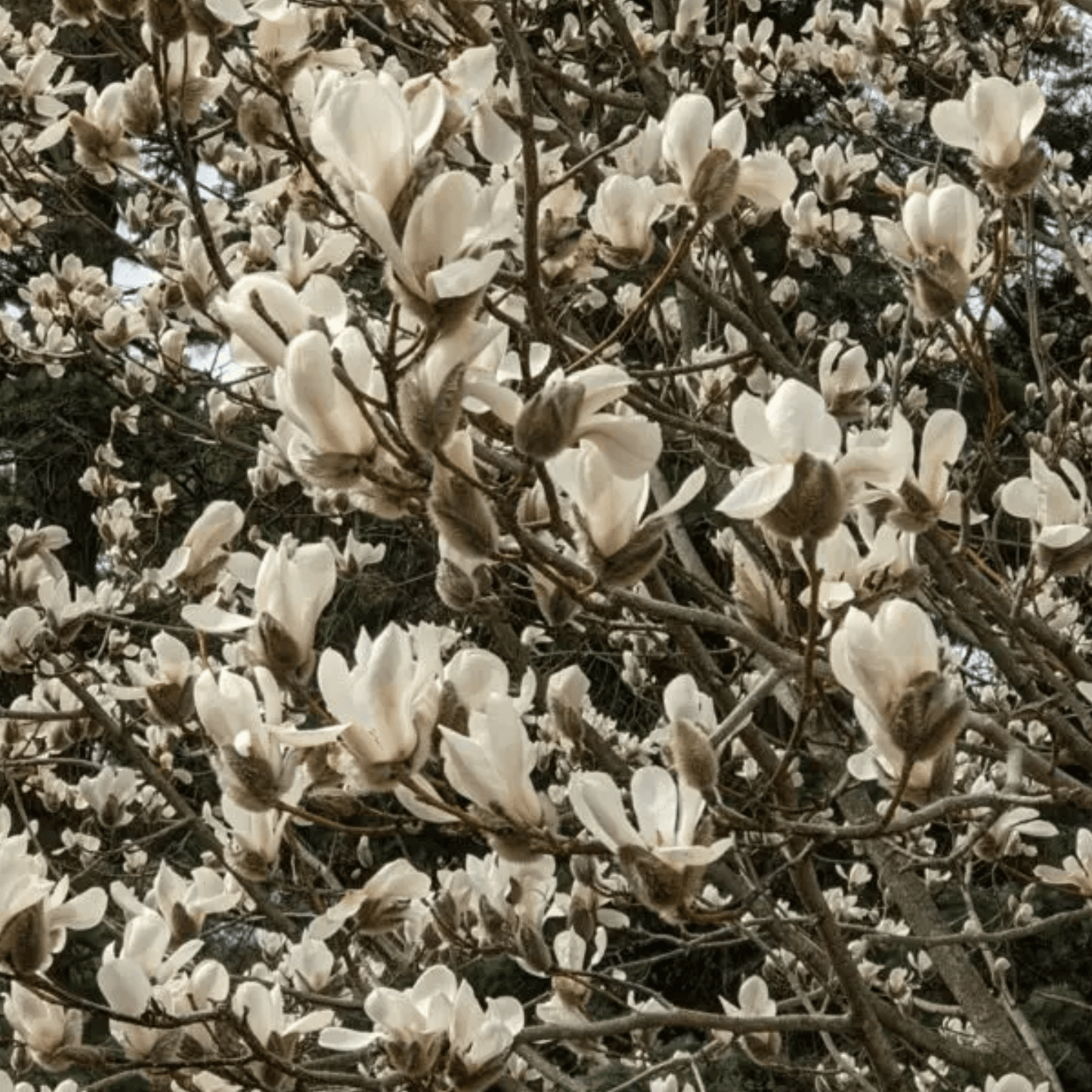
The earliest magnolia. Pure white. An ice storm of flowers in late winter.
Magnolia biondii, Biond's Magnolia or the Chinese Willow Leaf Magnolia, is one of the earliest-blooming magnolias available to temperate growers, producing masses of slender, pure white flowers on bare branches in late winter before even the Star Magnolia opens, in a display that has a spare, clean elegance completely unlike the large, showy blooms of Saucer or Bigleaf Magnolia. The narrow, willow-like leaves that give it one of its common names are distinctive among magnolias and create a fine, graceful texture in summer that the broader-leaved species cannot match. Named for the Italian missionary and plant collector Pietro Biondo who collected specimens in Hubei Province in the 1890s, it is one of the less commonly grown species magnolias with qualities that serious magnolia collectors seek specifically. If you are looking to buy Biond's Magnolia seeds or grow this early-blooming Chinese magnolia from seed, this is the magnolia that opens the flowering season before winter has fully released its grip.
- Among the earliest-blooming magnolias, flowering on bare branches in late winter before most other magnolias
- Slender, pure white flowers with a spare, elegant quality different from the showy blooms of larger magnolias
- Narrow, willow-like leaves creating fine texture in summer unlike most other magnolia species
- Cold-hardy for a Chinese magnolia, performing well in zone 5 where early bloom timing suits cool spring climates
- Species magnolia sought by collectors for its early bloom and distinctive leaf form
Things you probably did not know about Biond's Magnolia
The flowers open so early they regularly encounter late freezes that damage the petals. Magnolia biondii typically begins blooming in late February or early March in zone 6, a timing that makes it highly vulnerable to the late winter cold snaps that are common in that period. The petals brown and collapse after a hard freeze, but the tree flowers again the following year without lasting damage. Choosing a site with some protection from late cold can extend the undamaged bloom period significantly.
The species was introduced to western horticulture through the Arnold Arboretum and Kew Gardens connections to the Hubei Province plant hunters. Like many Chinese magnolias introduced to western gardens, Magnolia biondii arrived through the network of early 20th century plant hunters including E.H. Wilson, who collected extensively in the same regions of central China where this species grows naturally on mountain slopes and forest margins. Its introduction to cultivation in the West was part of one of the most productive periods of ornamental plant discovery in botanical history.
The fruit cones in fall contain bright red seeds that attract birds. Like most magnolias, Magnolia biondii produces cone-like aggregate fruits in late summer and fall that open to reveal bright red seeds hanging on threads. These seeds are attractive to mockingbirds, vireos, and other fruit-eating birds that harvest them before they drop. The red fruit display is brief but provides late-season ornamental interest after the main flowering and foliage season.
Seed-grown plants take longer to bloom than vegetatively propagated ones but develop stronger root systems. Magnolia biondii grown from seed typically requires 8 to 12 years to produce its first flowers. The patience required is substantial but the resulting plants develop on their own roots and tend to be more vigorous and longer-lived than grafted specimens. Each seed-grown tree also carries its own unique genetic expression of the species.
Growing Details
- Botanical Name: Magnolia biondii
- Stratification: Required, 90 to 120 days cold moist stratification
- USDA Zones: 5 to 8
- Soil: Well-drained, moist, slightly acidic, rich in organic matter
- Light: Full sun to partial shade, some protection from late frost preferred
- Height: 20 to 40 feet
- Spread: 15 to 25 feet
- Growth Rate: Slow to moderate, 1 to 1.5 feet per year
Plant it in the most sheltered spot available to protect the early flowers from late frost and where you will see it from inside the house in February. The first morning you see white flowers on bare branches while the ground is still frozen is the whole reward.
FAQ
FAQ
Do you pre-stratify the seeds?
Most of our seeds are not pre-stratified. They are stored under dry, cold conditions to preserve viability without initiating stratification, allowing you to time germination for your local growing season.
The exception is recalcitrant seeds. Because these seeds must remain moist to stay viable, they are kept in moist, cold storage and are therefore in a pre-stratified state. Depending on how long a particular batch has been stored, some may arrive with an emerging radicle and be ready to plant immediately. Radicle development is not guaranteed.
Please refer to the individual product page and included growing instructions for species-specific requirements.
Do any of your seeds need to stay moist? (Recalcitrant seeds)
Yes. Some species we offer, including Chestnut, Hazelnut, and Paw Paw, are recalcitrant and must remain moist to stay viable.
Please refrigerate these seeds immediately upon arrival unless they have already developed a radicle. Seeds with an emerging radicle should be planted promptly.
Do you ship internationally?
No. We currently ship within the United States only.
We previously shipped to Canada, but tariffs, duties, and import fees resulted in customers receiving significant and unpredictable additional charges upon delivery. Because we cannot reliably calculate or absorb these costs, we have suspended shipping to Canada.
At this time, we do not ship to Canada or other international destinations.
Shipping & What's Included
Shipping & What's Included
Shipping & Packaging
• Hand-packed in resealable kraft paper seed bags
• Stratification and planting instructions included on every seed pack
• Ships within 3–5 business days via USPS within the United States and U.S. territories
Return Policy
Return Policy
Due to the nature of our products, we do not accept returns on seeds.
If your order arrives damaged, contains incorrect items, or is missing items, please contact us within 7 days of delivery so we can resolve the issue.