

Balsam Fir Tree Seeds | (Abies balsamea)
Balsam Fir Tree Seeds | (Abies balsamea)
The scent of the north. The tree that made Christmas smell like Christmas.
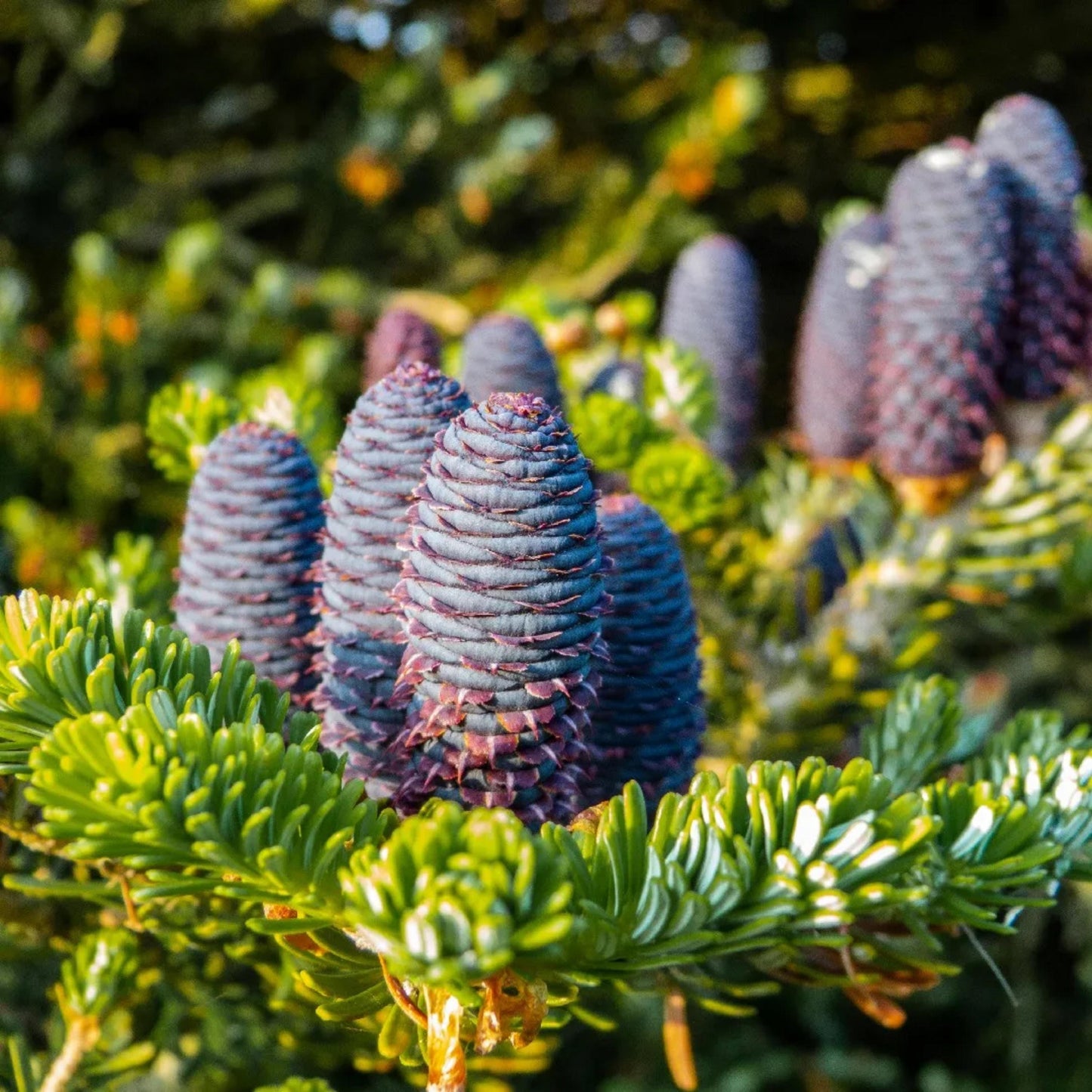
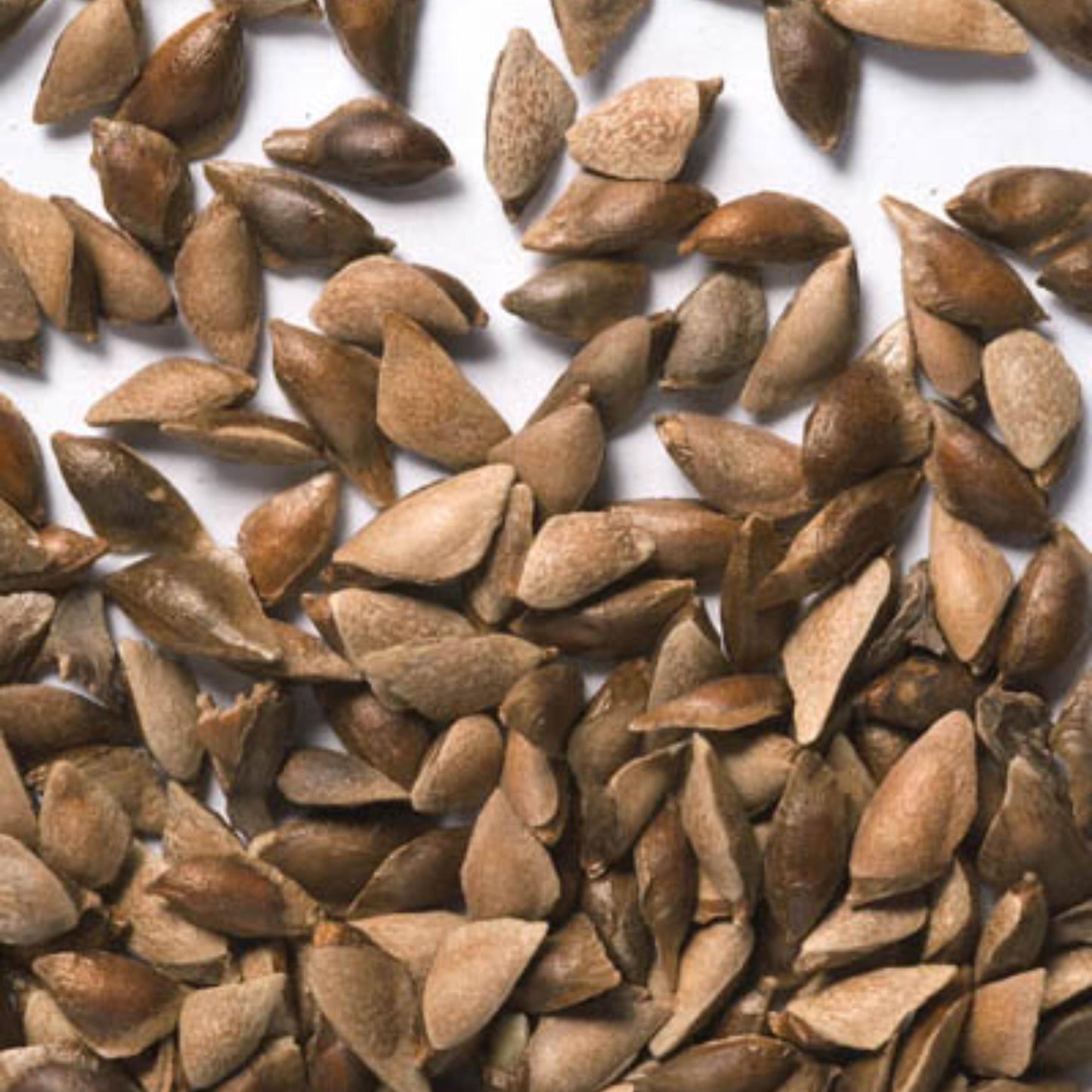
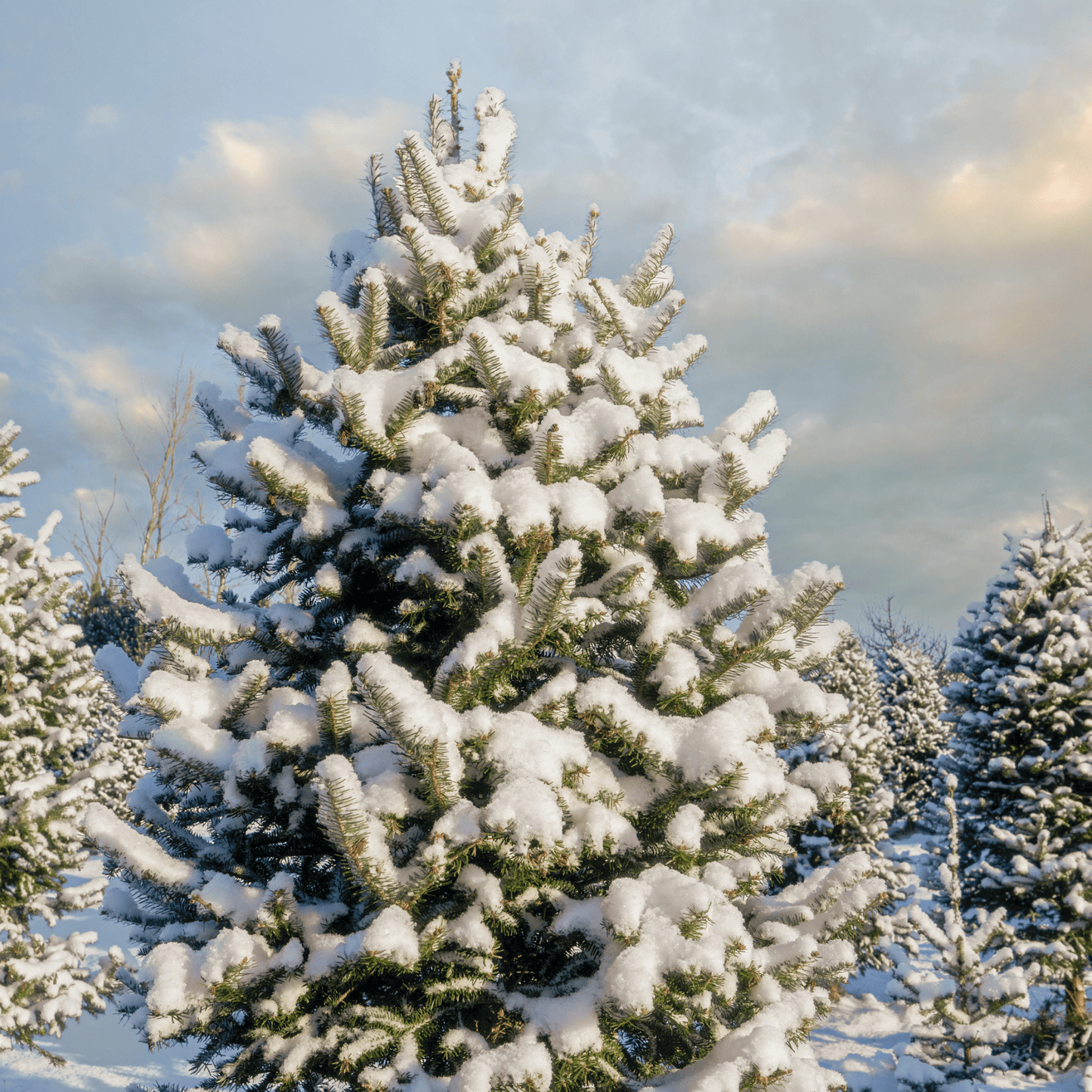
Abies balsamea, the Balsam Fir, is the tree whose fragrance has defined the holiday season for generations across North America. It is the original Christmas tree of New England and eastern Canada, the dense soft-needled fir that fills a room with the clean, resinous scent of northern forests the moment it is brought inside. But the Balsam Fir is far more than a holiday tradition. It is one of the dominant trees of the boreal forest, a critical habitat tree for moose, deer, snowshoe hare, and over 40 species of birds, and the primary host of the spruce budworm, which in turn drives enormous population cycles of warblers and other songbirds across the north. If you are looking to buy Balsam Fir seeds or grow this iconic northern conifer from seed, you are starting a tree with one of the most beloved fragrances in the natural world.
- The fragrance that defines Christmas for millions of North American households, rich, clean, and unmistakably northern
- Dense, soft, flat needles with silvery-blue undersides, beautiful in every season
- Native across the northeastern United States and vast stretches of Canada, extremely cold-hardy
- Critical wildlife habitat tree for moose, deer, snowshoe hare, and over 40 bird species
- One of the most planted native Christmas trees in the northeastern United States and eastern Canada
Things you probably did not know about the Balsam Fir
The resin blisters in the bark were used as wilderness first aid for centuries.
Balsam Fir bark is covered with small blisters filled with clear, fragrant resin that can be collected by puncturing them with a fingernail. Indigenous peoples and woodsmen used this resin to seal wounds, treat skin conditions, and waterproof birch bark canoes and containers. The resin has genuine antimicrobial properties that help explain its traditional wound-healing uses.
It was the original medium for microscopy slides.
Balsam Fir resin, called Canada Balsam, has an optical refractive index nearly identical to glass. For over a century, from the 1830s until synthetic mounting media became available in the 1950s, Canada Balsam was the standard medium used by microscopists worldwide to mount specimens on glass slides. The resin preserved specimens and created a permanent, optically clear mounting that lasted for decades.
The needles are extremely high in Vitamin C.
Like many northern conifers, Balsam Fir needles contain significant concentrations of Vitamin C. Indigenous peoples in northern Canada and New England brewed needle tea from Balsam Fir throughout the winter as a scurvy preventative. Voyageurs, the French-Canadian canoe traders who covered enormous distances across the north, relied on it as a winter health staple.
It is the primary food source that drives warbler population cycles.
Spruce budworm, which feeds primarily on Balsam Fir, undergoes massive population outbreaks every few decades across the boreal forest. These outbreaks drive explosive increases in the populations of Bay-breasted Warblers, Cape May Warblers, and Tennessee Warblers, which time their reproduction to coincide with budworm abundance. The boom and bust cycle of these warblers is one of the most dramatic wildlife population events in North American ecology, and Balsam Fir is at the center of it.
Growing Details
- Botanical Name: Abies balsamea
- Stratification: Required, 30 to 60 days cold stratification
- USDA Zones: 3 to 6
- Soil: Moist, well-drained, cool, slightly acidic, rich in organic matter
- Light: Full sun to partial shade, tolerates shade better than most conifers
- Height: 45 to 75 feet
- Spread: 15 to 25 feet
- Growth Rate: Slow, 6 to 12 inches per year
Plant it in the coolest, moistest spot on your property and let it fill that corner with something that smells like everything that is right about the north.
FAQ
FAQ
Do you pre-stratify the seeds?
Most of our seeds are not pre-stratified. They are stored under dry, cold conditions to preserve viability without initiating stratification, allowing you to time germination for your local growing season.
The exception is recalcitrant seeds. Because these seeds must remain moist to stay viable, they are kept in moist, cold storage and are therefore in a pre-stratified state. Depending on how long a particular batch has been stored, some may arrive with an emerging radicle and be ready to plant immediately. Radicle development is not guaranteed.
Please refer to the individual product page and included growing instructions for species-specific requirements.
Do any of your seeds need to stay moist? (Recalcitrant seeds)
Yes. Some species we offer, including Chestnut, Hazelnut, and Paw Paw, are recalcitrant and must remain moist to stay viable.
Please refrigerate these seeds immediately upon arrival unless they have already developed a radicle. Seeds with an emerging radicle should be planted promptly.
Do you ship internationally?
No. We currently ship within the United States only.
We previously shipped to Canada, but tariffs, duties, and import fees resulted in customers receiving significant and unpredictable additional charges upon delivery. Because we cannot reliably calculate or absorb these costs, we have suspended shipping to Canada.
At this time, we do not ship to Canada or other international destinations.
Shipping & What's Included
Shipping & What's Included
Shipping & Packaging
• Hand-packed in resealable kraft paper seed bags
• Stratification and planting instructions included on every seed pack
• Ships within 3–5 business days via USPS within the United States and U.S. territories
Return Policy
Return Policy
Due to the nature of our products, we do not accept returns on seeds.
If your order arrives damaged, contains incorrect items, or is missing items, please contact us within 7 days of delivery so we can resolve the issue.