

American Arborvitae Tree Seeds | Northern White Cedar | (Thuja occidentalis)
American Arborvitae Tree Seeds | Northern White Cedar | (Thuja occidentalis)
Older than most of the forests it grows in. Tougher than it looks.
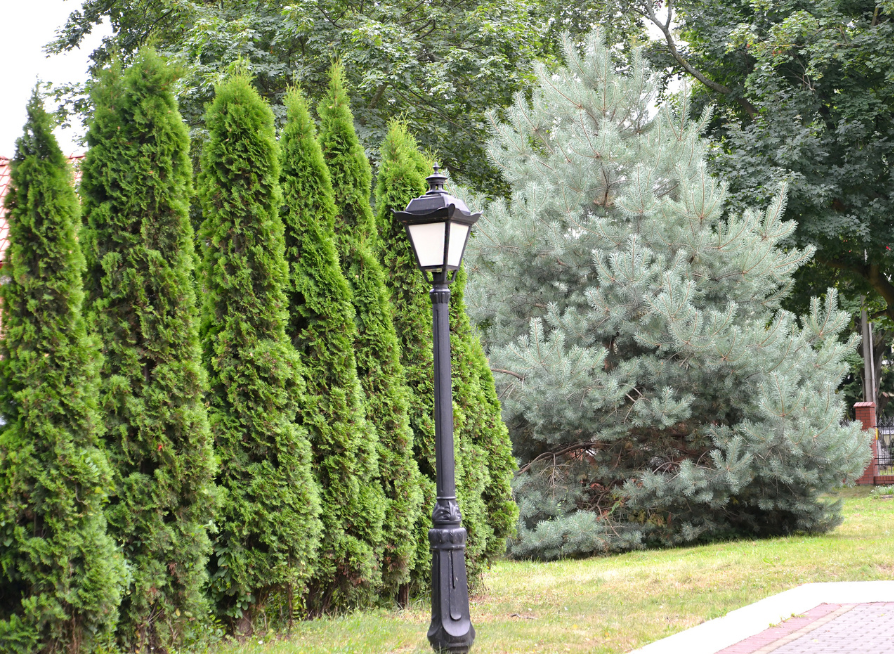
Thuja occidentalis, the American Arborvitae or Northern White Cedar, is one of the most widely used and deeply rooted conifers in North American horticulture and ecology, a dense, aromatic evergreen native to the northeastern United States and eastern Canada that has been shaping landscapes, sheltering wildlife, and serving human needs for longer than almost any tree in cultivation. Its flat, scale-like foliage is carried in horizontal sprays that release a sharp, resinous cedar fragrance when handled, and its naturally columnar to broadly pyramidal habit makes it one of the most structurally reliable conifers for screens, hedges, windbreaks, and specimen planting across the northern half of the continent. In the wild it grows in cold, wet lowlands, rocky lakeshores, and calcium-rich cliff faces, developing a gnarled, deeply furrowed character in age that belies the tidy cultivated forms most gardeners know. Some wild specimens on the cliff faces of the Niagara Escarpment have been dated to over 1,000 years old, making Thuja occidentalis one of the longest-lived trees in eastern North America. If you are looking to buy American Arborvitae seeds or grow Thuja occidentalis from seed, this is the cold-climate evergreen that delivers year-round structure, wildlife value, and centuries of proven performance.
- Dense, scale-like foliage in flat, overlapping sprays releases a sharp, distinctive cedar fragrance and provides year-round deep green color
- Naturally columnar to pyramidal habit creates reliable screening, windbreak, and privacy plantings with minimal maintenance
- Exceptional cold hardiness to Zone 2, making it one of the most frost-proof evergreens for northern and continental climates
- Provides critical winter cover, nesting habitat, and browse for white-tailed deer, rabbits, and a wide range of birds
- Highly adaptable to wet, poorly drained, and calcium-rich soils where many other conifers fail to establish
Things you probably did not know about American Arborvitae
The oldest known Thuja occidentalis trees are growing on vertical cliff faces where they are completely inaccessible to deer browse and human disturbance. Researchers studying the ancient cliff-face cedars of the Niagara Escarpment in Ontario have documented specimens exceeding 1,000 years of age using dendrochronology, with some estimates suggesting individuals older than 1,800 years. These trees grow in near-horizontal positions from cracks in the limestone, their trunks twisted and flattened by centuries of wind and limited soil, growing as little as one millimeter of wood per year. They represent some of the oldest living organisms in eastern North America and exist entirely because their inaccessible location protected them from the logging and browsing that eliminated old-growth cedar from every accessible landscape.
Thuja occidentalis was the first North American tree to be introduced to European horticulture, arriving in France in the 1530s. The tree was brought back from northeastern North America during early French exploration and was cultivated at the royal gardens in Paris by the mid-16th century, preceding the European introduction of most other North American trees by a century or more. Its Latin name occidentalis, meaning western, was applied by European botanists for whom any tree from across the Atlantic was from the west, and its French name arbre de vie, tree of life, reportedly honored its role in saving the crew of Jacques Cartier's expedition from scurvy when Indigenous guides provided a tea made from its foliage rich in vitamin C.
The foliage of Thuja occidentalis saved the lives of Jacques Cartier's crew during the winter of 1535 to 1536. Stranded near present-day Quebec City with over 100 men suffering from advanced scurvy, Cartier was shown by Iroquoian people how to prepare a medicinal tea from the bark and foliage of what was almost certainly Thuja occidentalis. The men recovered rapidly, and Cartier documented the cure in detail, describing it as a remedy that a physician with all the drugs of Alexandria could not have matched. The foliage contains significant concentrations of vitamin C and other compounds, and this account represents one of the earliest documented instances of Indigenous plant knowledge directly saving European lives in North America.
American Arborvitae is a preferred browse species for white-tailed deer, and deer pressure is the single greatest obstacle to its establishment in many regions. The foliage and young stems of Thuja occidentalis are highly palatable to deer, and in areas with high deer populations newly planted trees are routinely browsed to stubs within weeks of planting. This preference is strong enough that deer damage has significantly altered the natural regeneration of Northern White Cedar in parts of its range, with heavy browse pressure preventing seedling establishment in areas where mature trees still produce abundant seed. Growers planting Thuja occidentalis in deer country should plan for physical protection of young trees until they reach a height and stem diameter that makes browsing less effective.
Growing Details
- Botanical Name: Thuja occidentalis
- Seed Treatment: Cold stratification recommended, 30 to 60 days at 34 to 40 degrees Fahrenheit in moist medium; surface sow or cover lightly, seeds require light for germination
- USDA Zones: 2 to 7
- Soil: Adaptable to a wide range of conditions including wet, poorly drained, and calcium-rich soils; tolerates clay and shallow ground; avoid extremely dry, sandy sites
- Light: Full sun to partial shade; densest habit and deepest color in full sun
- Height: 20 to 60 feet at maturity depending on site conditions
- Spread: 10 to 15 feet
- Growth Rate: Slow to moderate, 6 to 12 inches per year
Plant it where winters are hard and you want something that will still be standing long after everything around it has been replaced. American Arborvitae does not ask for much, and what it gives back, in structure, fragrance, shelter, and longevity, is the return on a very patient investment.
FAQ
FAQ
Do you pre-stratify the seeds?
Most of our seeds are not pre-stratified. They are stored under dry, cold conditions to preserve viability without initiating stratification, allowing you to time germination for your local growing season.
The exception is recalcitrant seeds. Because these seeds must remain moist to stay viable, they are kept in moist, cold storage and are therefore in a pre-stratified state. Depending on how long a particular batch has been stored, some may arrive with an emerging radicle and be ready to plant immediately. Radicle development is not guaranteed.
Please refer to the individual product page and included growing instructions for species-specific requirements.
Do any of your seeds need to stay moist? (Recalcitrant seeds)
Yes. Some species we offer, including Chestnut, Hazelnut, and Paw Paw, are recalcitrant and must remain moist to stay viable.
Please refrigerate these seeds immediately upon arrival unless they have already developed a radicle. Seeds with an emerging radicle should be planted promptly.
Do you ship internationally?
No. We currently ship within the United States only.
We previously shipped to Canada, but tariffs, duties, and import fees resulted in customers receiving significant and unpredictable additional charges upon delivery. Because we cannot reliably calculate or absorb these costs, we have suspended shipping to Canada.
At this time, we do not ship to Canada or other international destinations.
Shipping & What's Included
Shipping & What's Included
Shipping & Packaging
• Hand-packed in resealable kraft paper seed bags
• Stratification and planting instructions included on every seed pack
• Ships within 3–5 business days via USPS within the United States and U.S. territories
Return Policy
Return Policy
Due to the nature of our products, we do not accept returns on seeds.
If your order arrives damaged, contains incorrect items, or is missing items, please contact us within 7 days of delivery so we can resolve the issue.