

Sweet Gum Tree Seeds | Sweetgum | (Liquidambar styraciflua)
Sweet Gum Tree Seeds | Sweetgum | (Liquidambar styraciflua)
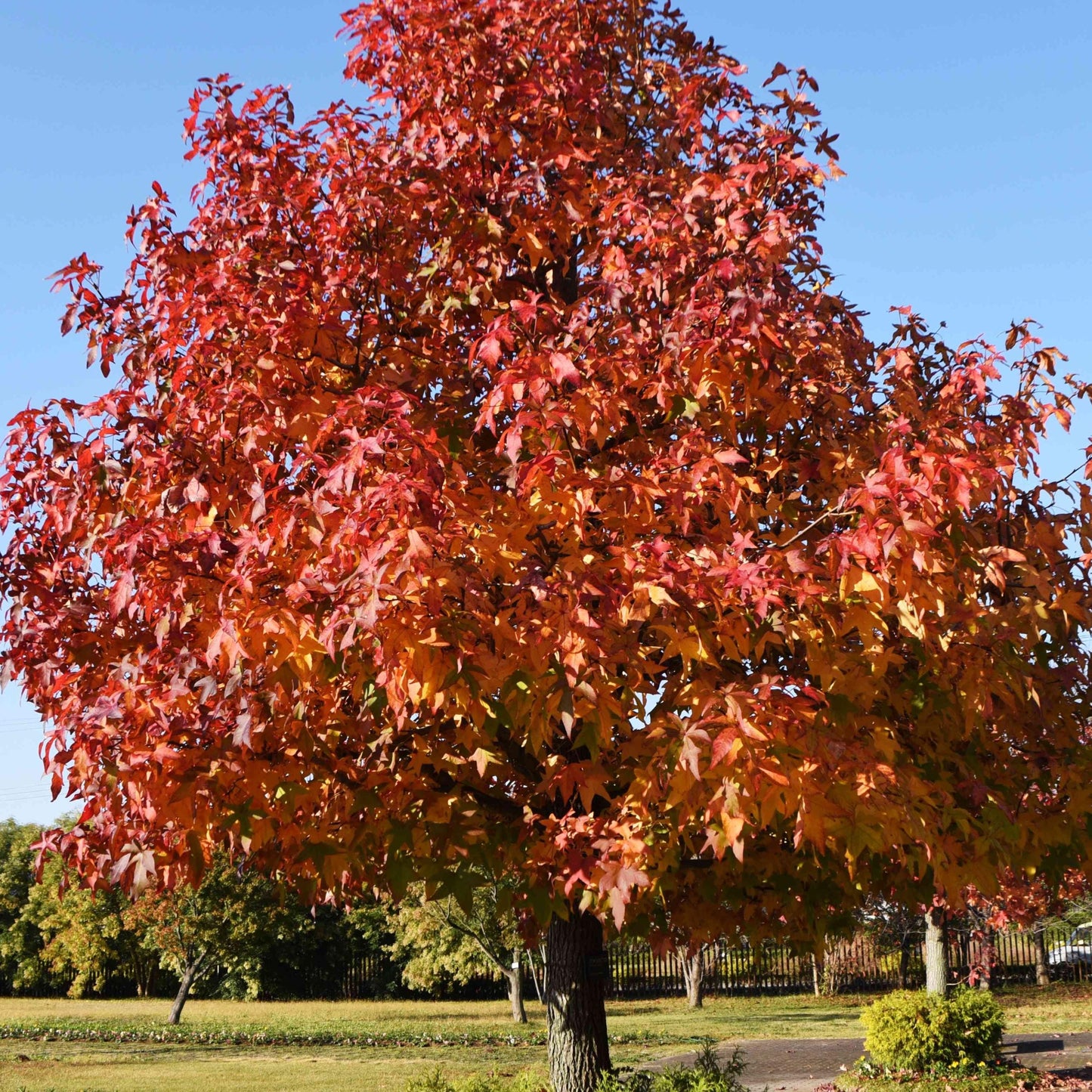
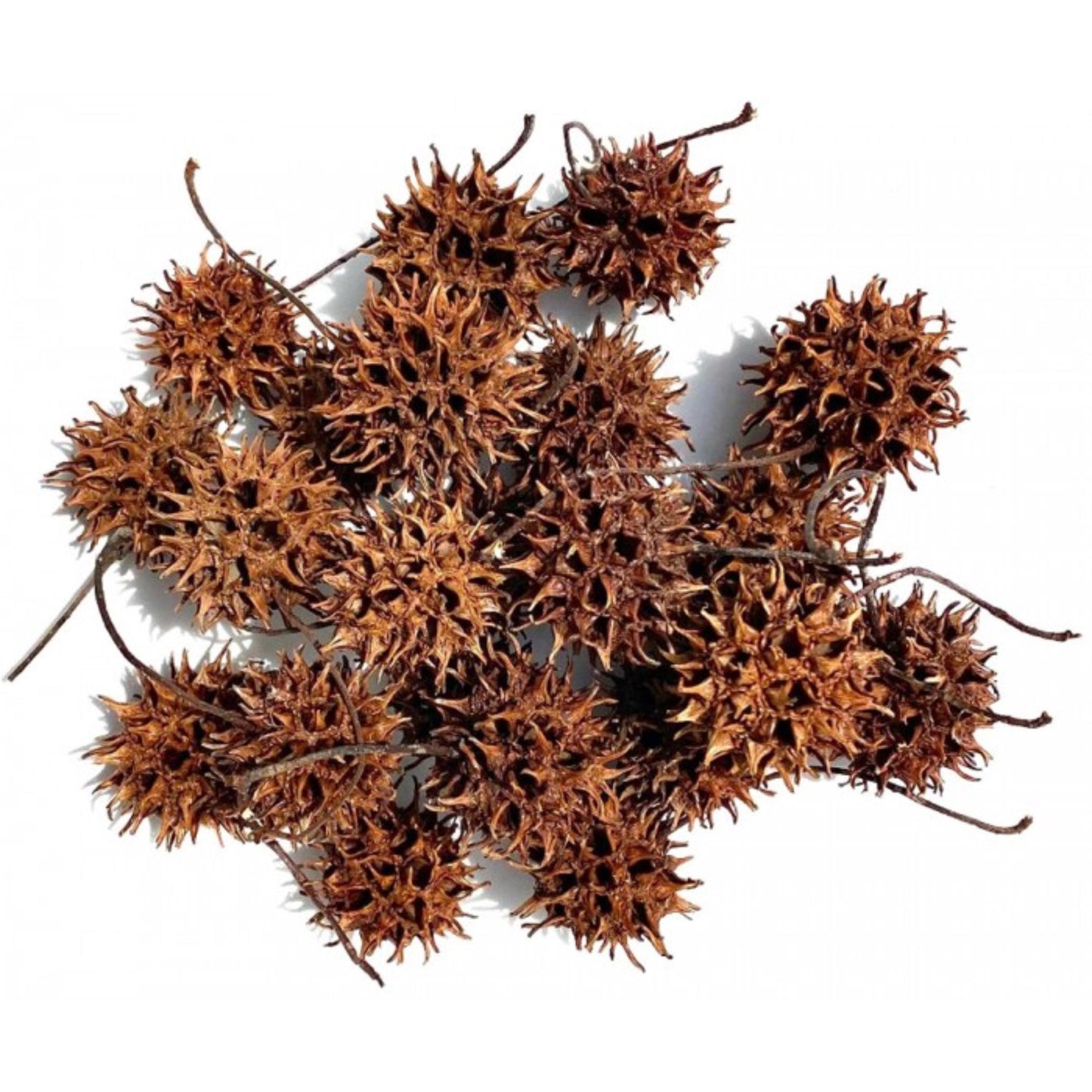
The most spectacular fall color in eastern North America. The spiky ball you either love or learn to love.
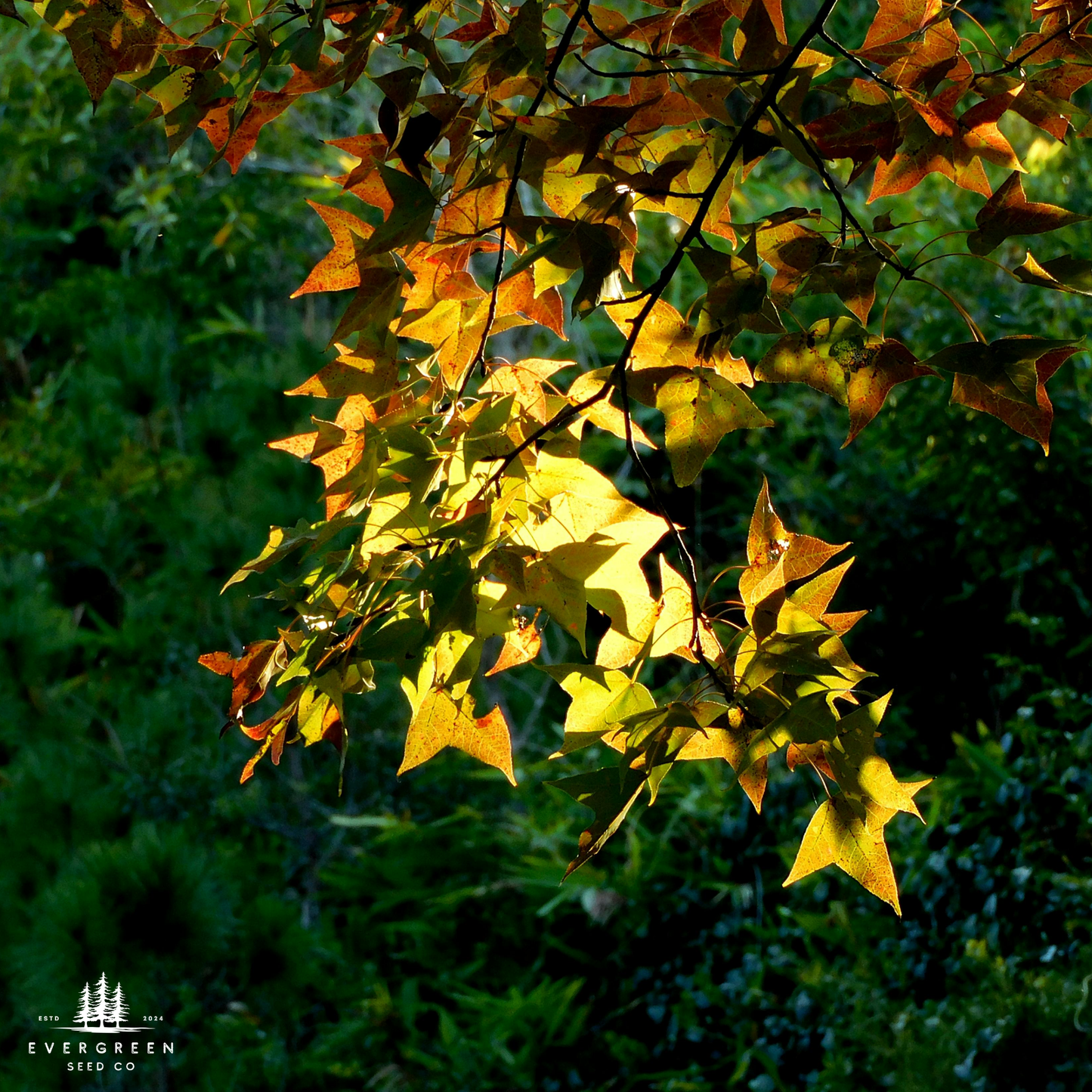
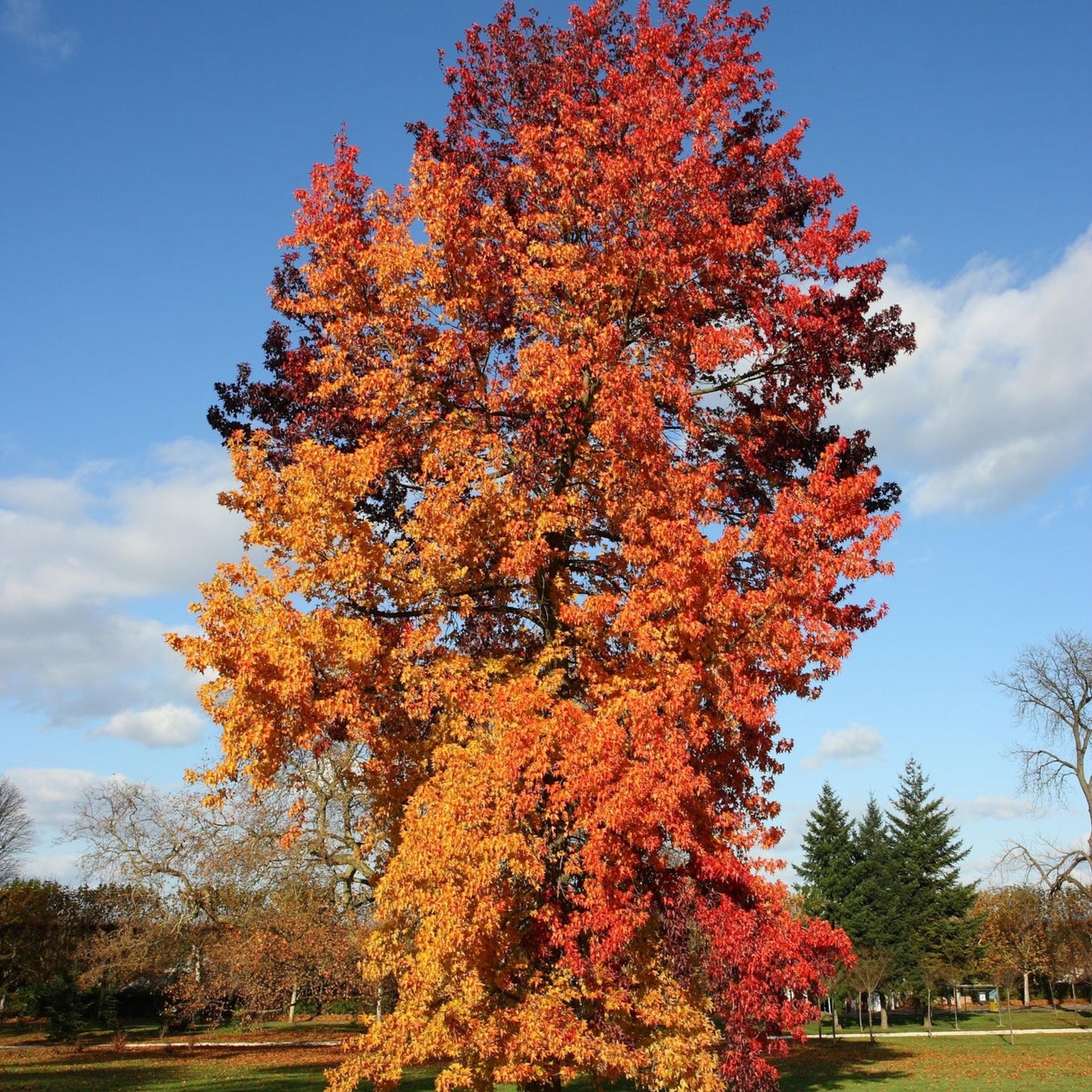
Liquidambar styraciflua, the Sweet Gum, produces the most vivid and varied fall color display of any native tree in eastern North America, its star-shaped leaves turning simultaneously through purple, burgundy, crimson, orange, and gold in combinations that vary between individual trees and change daily as the season progresses. No other native hardwood matches the Sweet Gum for sheer color intensity and multi-toned autumn display. It grows fast, tolerates wet and dry soils, and is one of the most adaptable large native shade trees in the eastern forest. The spiky ball seed pods are either a beloved natural curiosity or a barefoot hazard depending on your perspective, but they have been providing food for goldfinches and wood ducks for millions of years. If you are looking to buy Sweet Gum seeds or grow Liquidambar from seed, this is the tree that redefines what fall color means.
- The most vivid and multi-toned fall color of any native tree in eastern North America, purple through crimson to gold simultaneously
- Fast-growing large shade tree adaptable to a wide range of soils including wet and compacted sites
- Star-shaped leaves in a distinctive five to seven-lobed form immediately recognizable in any season
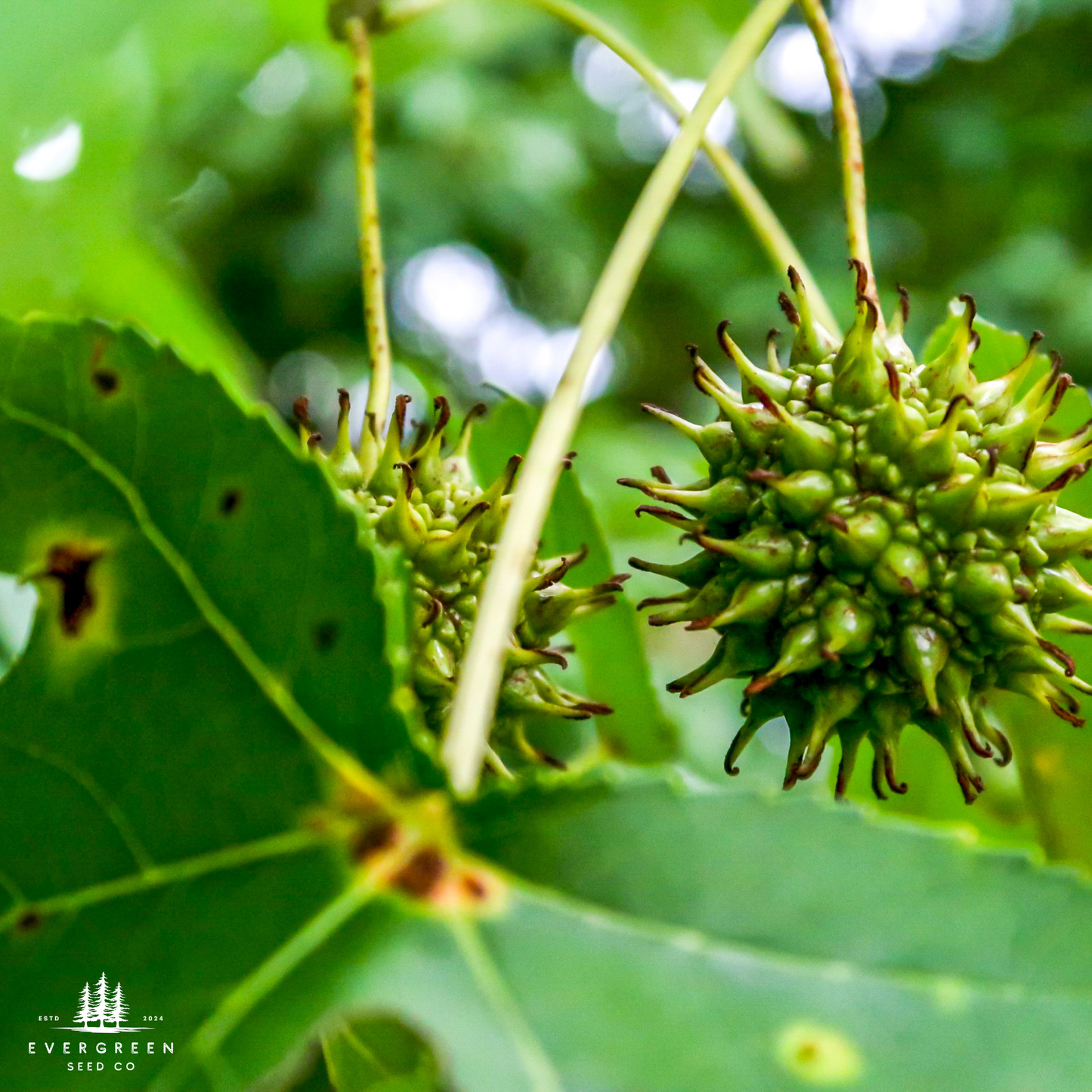
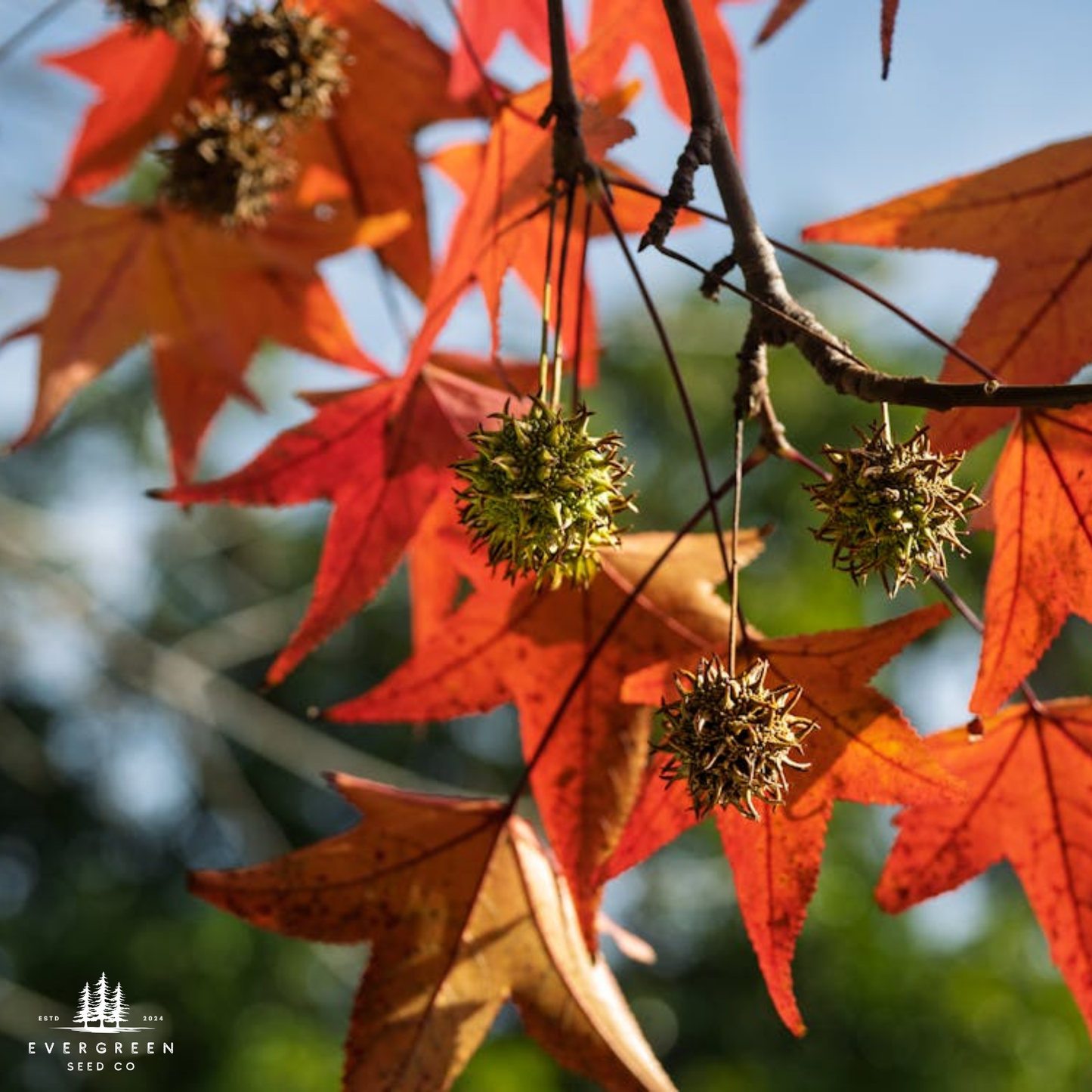
- Spiky ball seed pods providing winter food for goldfinches, wood ducks, and numerous other species
- Native across the eastern and southern United States, hardy and reliable across a wide range of climates
Things you probably did not know about the Sweet Gum
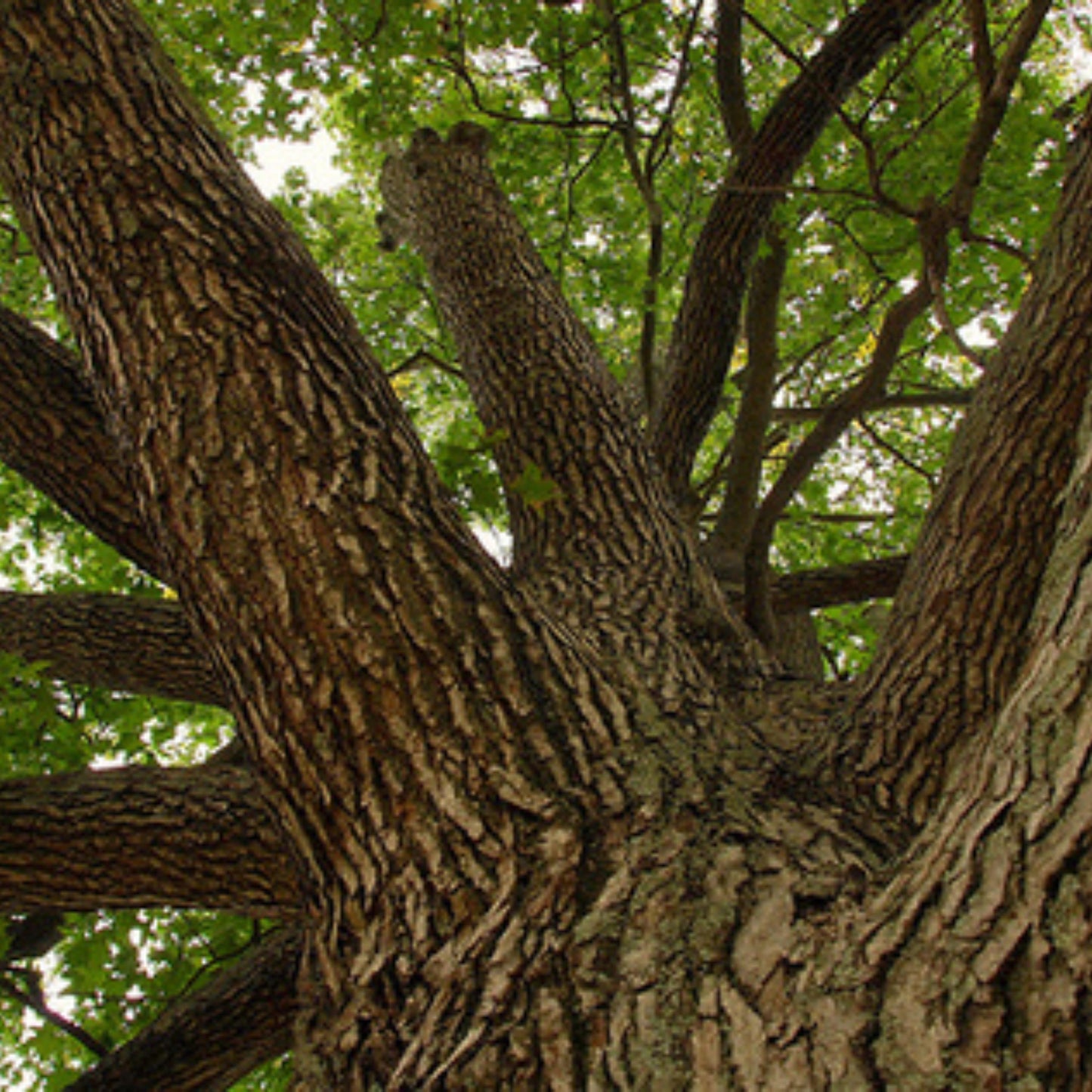
The sweet gum resin was the original American chewing gum. The fragrant resin that oozes from wounds in Sweet Gum bark hardens into an amber, balsamic substance with a sweet, spicy scent. Indigenous peoples across the southeastern United States and Central America chewed the hardened resin, and Spanish colonists adopted the practice, describing Sweet Gum resin as the American gum in the 16th century. The resin was also used medicinally and as a fixative in perfumery. The commercial chewing gum industry that followed centuries later used a different base material but the Sweet Gum provided the original concept.
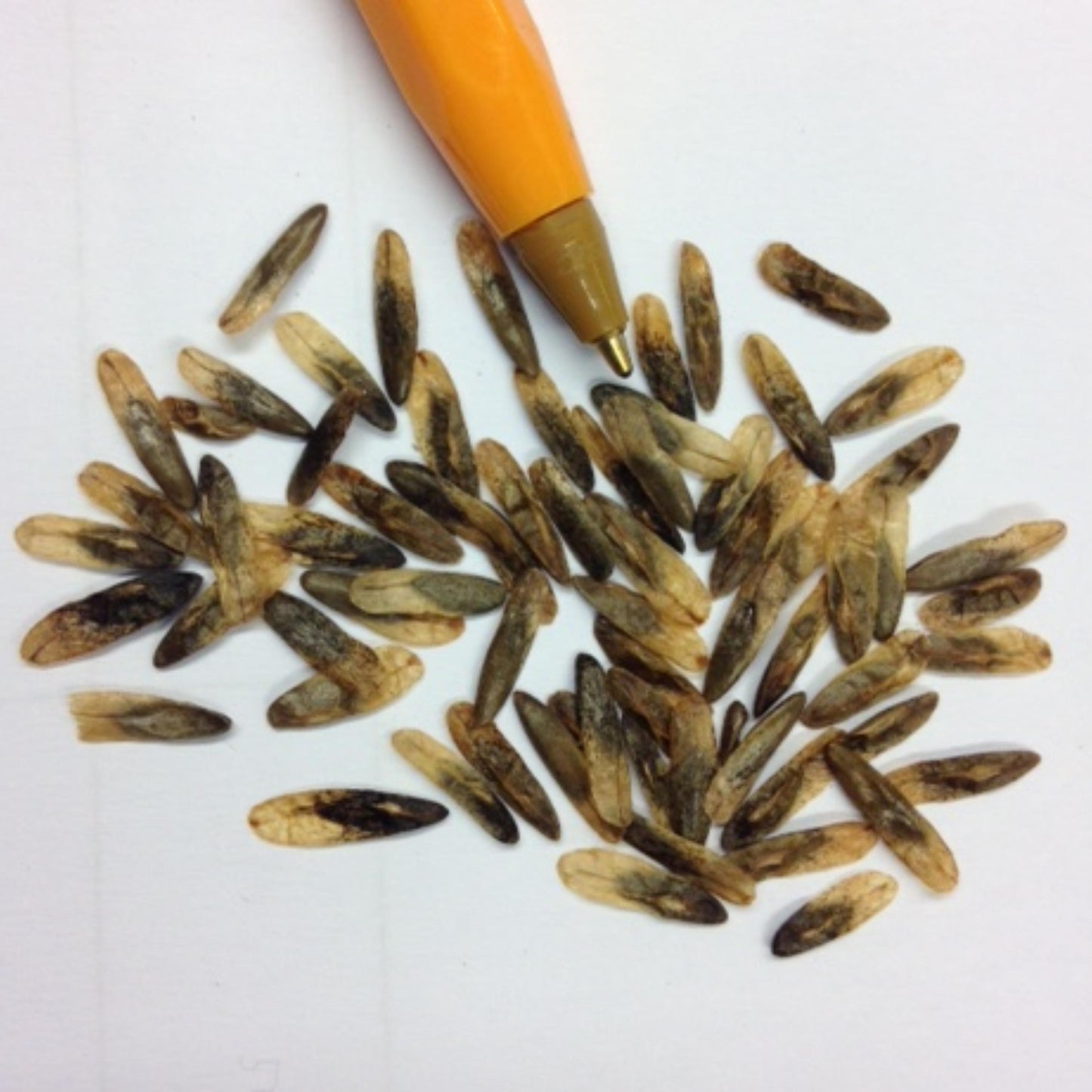
The spiky balls are actually not painful to produce but are engineered for dispersal. Each spiky ball is a compound fruit containing dozens of individual seed capsules with two seeds per capsule. The spikes are the dried remains of the stigmas from the individual flowers that formed the ball. They evolved to catch in fur, feathers, and clothing to assist dispersal, which is why they cling so effectively to socks and shoelaces. The seeds inside the openings between the spikes are eaten by goldfinches and other finches that pry them out specifically.
The fall color varies dramatically between individual trees. Unlike Silver Maple, which turns a predictable yellow, or Red Maple, which turns red, Sweet Gum trees show extraordinary individual variation in fall color. Some trees turn predominantly purple and burgundy, others go orange and red, and some display all five colors simultaneously. This variation is genetic, meaning seed-grown trees each develop their own unique color signature that cannot be predicted until the first fall season.
The wood was used extensively in the furniture industry as a substitute for satinwood and walnut. Sweet Gum wood, sold commercially as red gum or satin walnut, has an interlocking grain that produces a distinctive ribbon figure when quarter-sawn and was used extensively in the early 20th century furniture industry as a lower-cost substitute for more expensive hardwoods. Old American furniture often has Sweet Gum panels in secondary positions where appearance mattered but cost needed to be managed.
Growing Details
- Botanical Name: Liquidambar styraciflua
- Stratification: Required, 30 to 60 days cold stratification
- USDA Zones: 5 to 9
- Soil: Adaptable, prefers moist, slightly acidic soil, tolerates wet and periodically flooded sites
- Light: Full sun
- Height: 60 to 80 feet
- Spread: 40 to 60 feet
- Growth Rate: Fast, 2 to 3 feet per year
Plant it where you will see it from a window in October. Then wait for the first really cold night and the morning after it. That is when the Sweet Gum earns everything.
FAQ
FAQ
Do you pre-stratify the seeds?
Most of our seeds are not pre-stratified. We ship them unstratified so you can control germination timing based on your local growing season. We sell to all 50 U.S. states and Canadian provinces, and since each region has different planting windows, pre-stratifying would risk seeds germinating in transit or before you're ready to plant.
True stratification requires cold, moist conditions, which can lead to premature sprouting or mold if not timed properly. To avoid this, we store most seeds in dry cold conditions to preserve viability — but this does not initiate stratification.
Do any of your seeds need to stay moist? (Recalcitrant seeds)
Yes — some species we offer are recalcitrant, meaning they must remain moist to stay viable and cannot be dried out. Examples include: Chestnut, Hazelnut, Paw Paw, etc.
These seeds are shipped in moist cold storage and are clearly labeled on the product page when applicable. Please refrigerate immediately upon arrival and follow included care instructions.
Do you ship internationally?
We currently ship to the United States and Canada only. Unfortunately, we cannot ship to other countries without a phytosanitary certificate, which is required by most international customs agencies.
If you're interested in shipping outside North America, please contact us. Note that a phytosanitary certificate typically adds $60–$80 USD per seed type and must be arranged in advance.
Shipping & What's Included
Shipping & What's Included
Shipping & Packaging
Hand-packed in resealable zipper kraft paper seed bags
Stratification and planting instructions included with every order
1 free bonus seed pack included with every order
Ships within 3–5 business days via USPS
Return Policy
Return Policy
Due to the nature of our products, we do not accept returns on seeds.
However, if your order arrives damaged or incorrect, please contact us within 7 days and we’ll make it right.