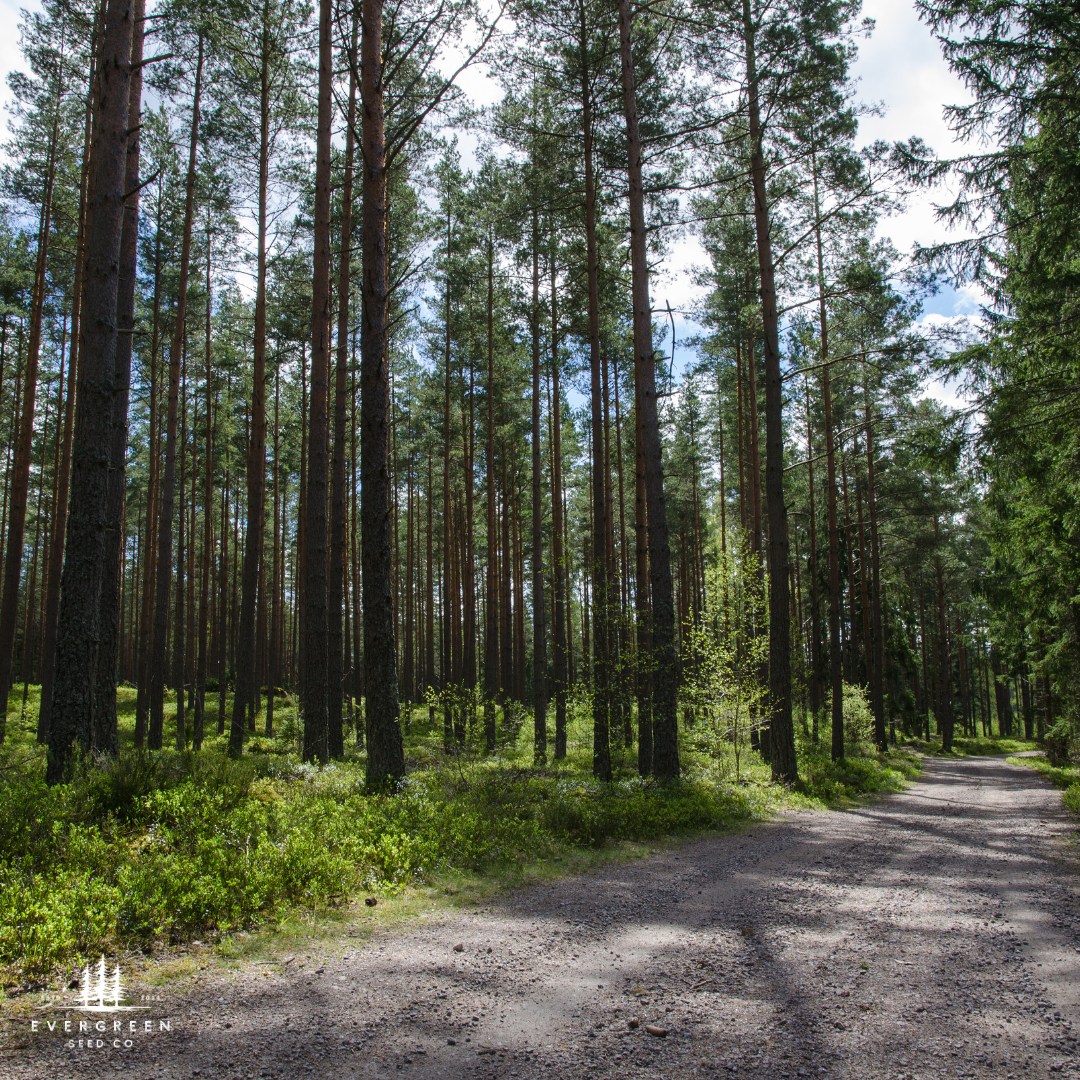


Ponderosa Pine Tree Seeds (Pinus ponderosa)
Ponderosa Pine Tree Seeds (Pinus ponderosa)
The great western pine. The tree that smells like vanilla.
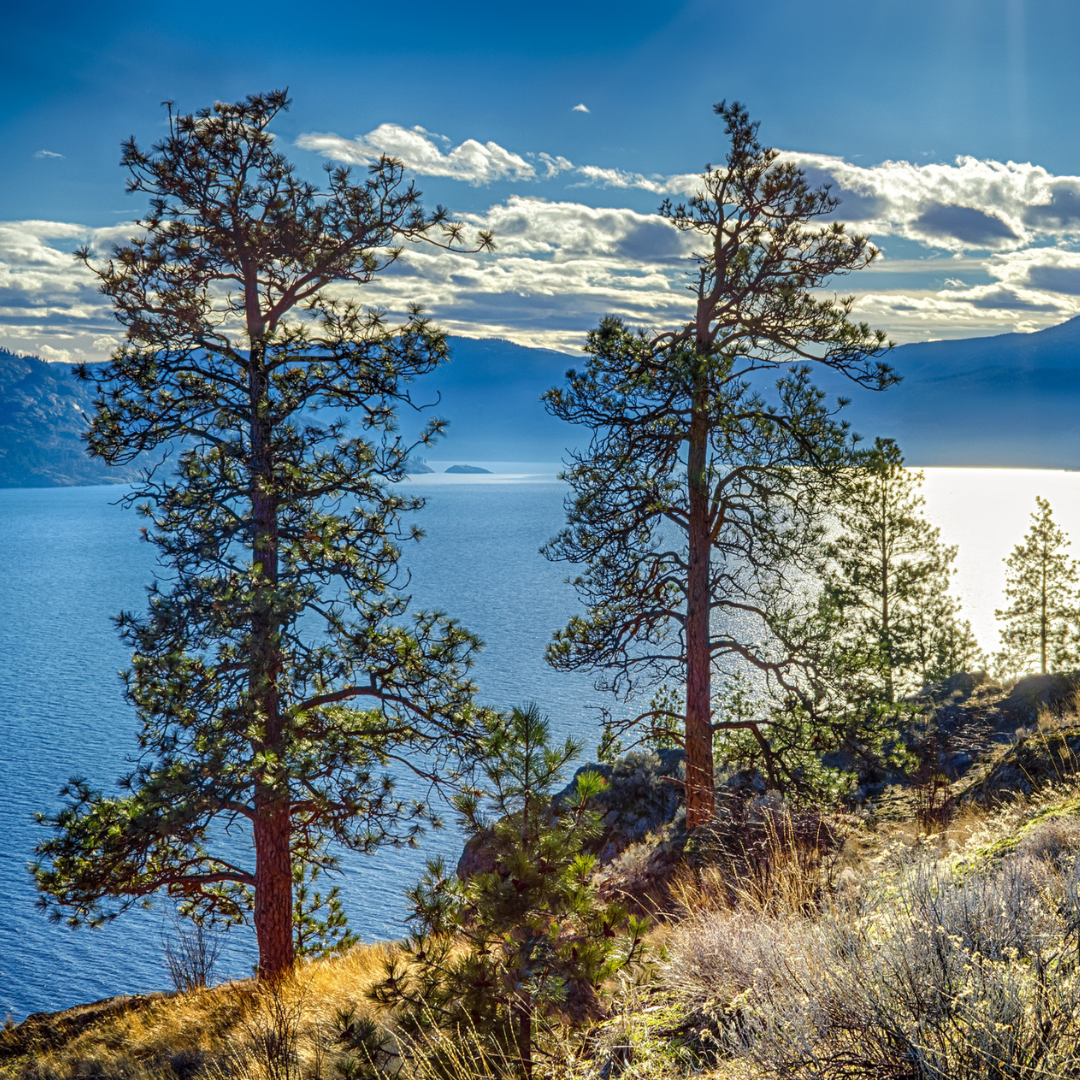
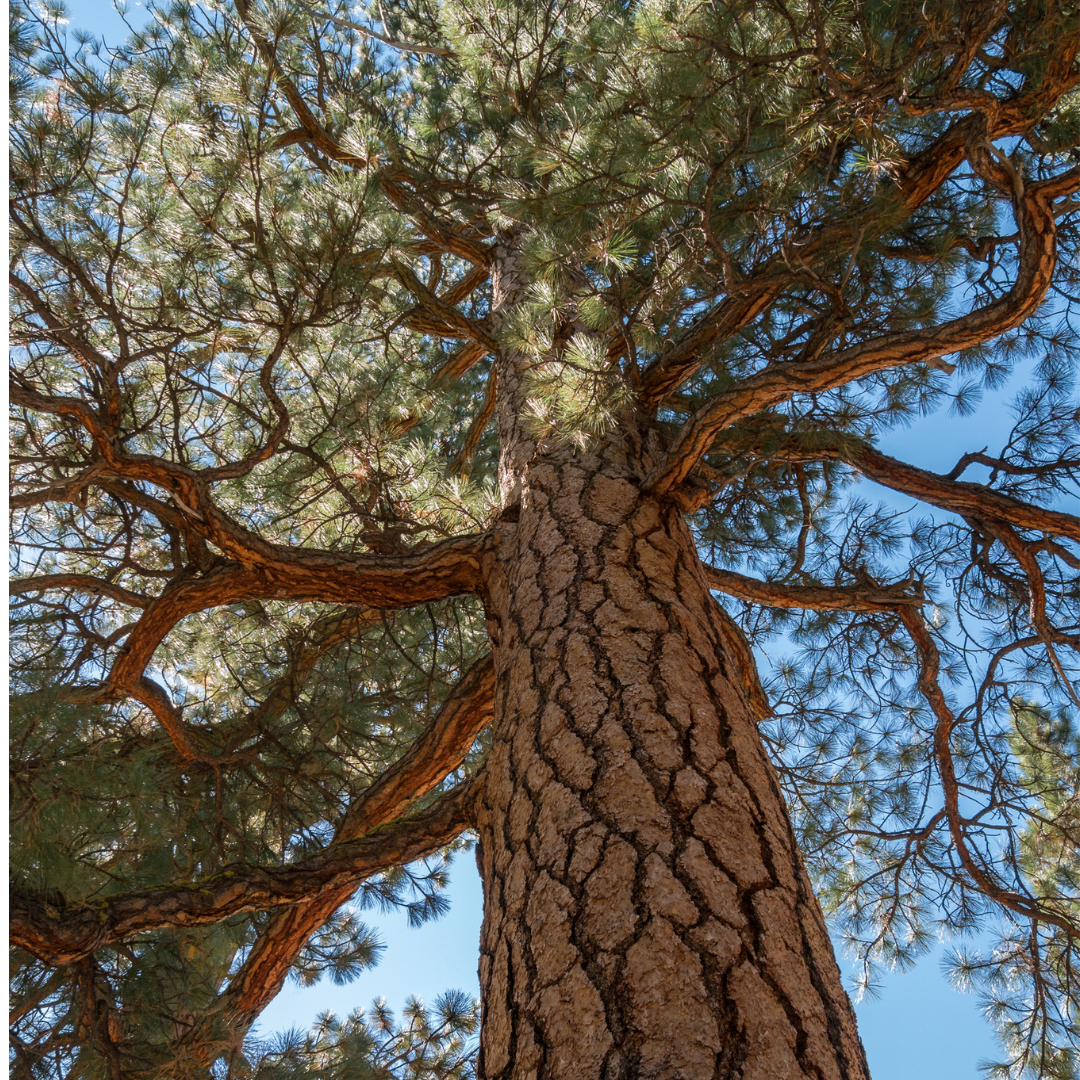
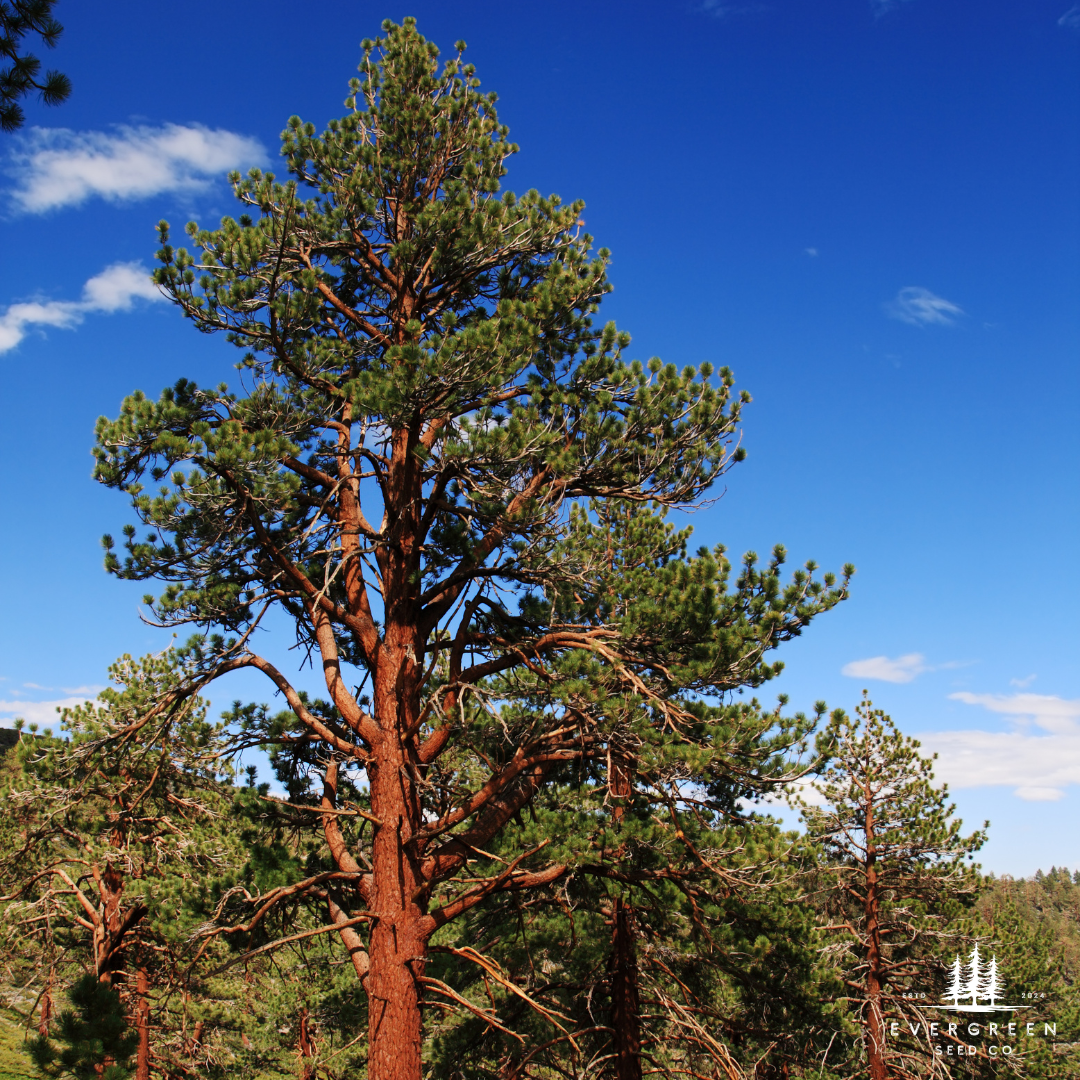
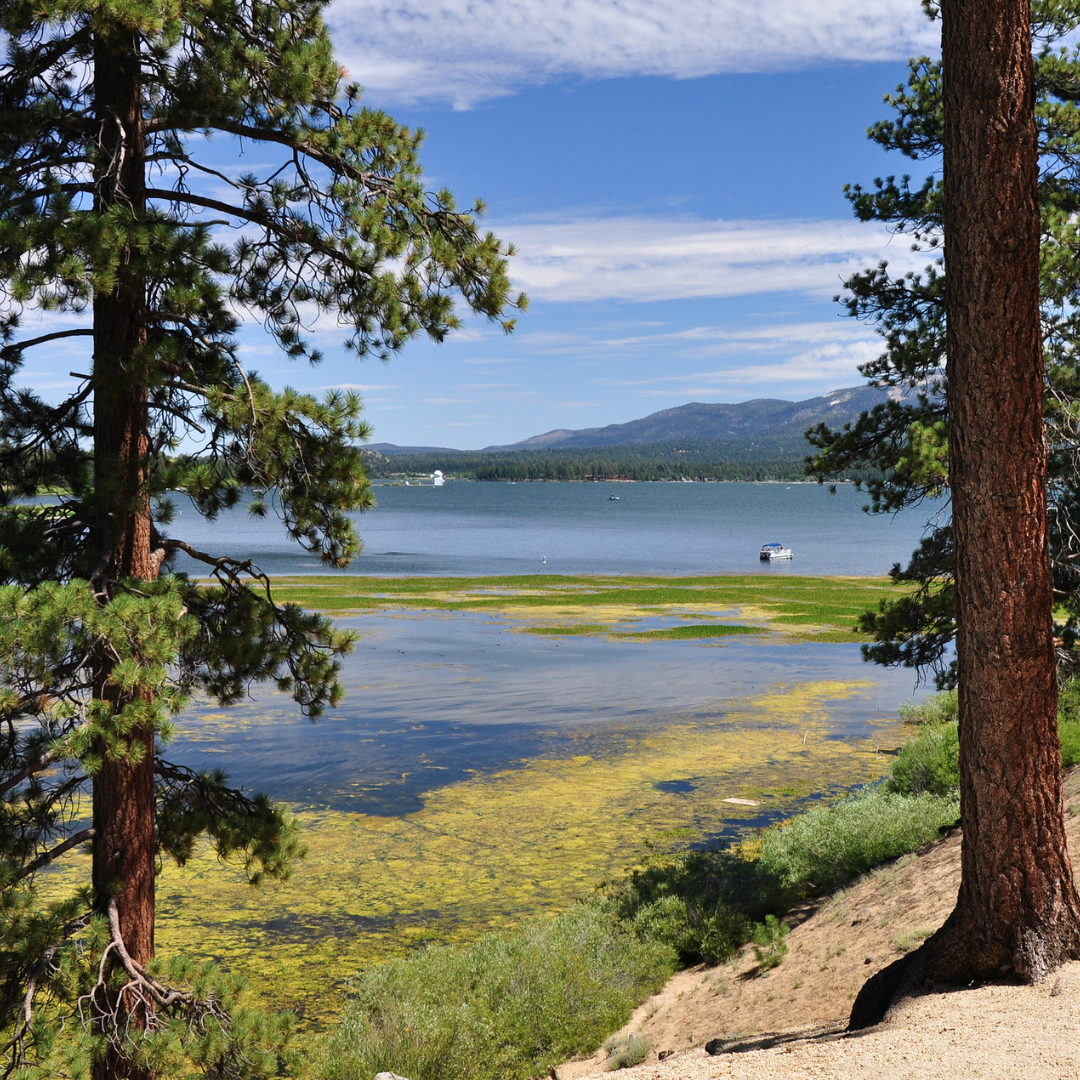
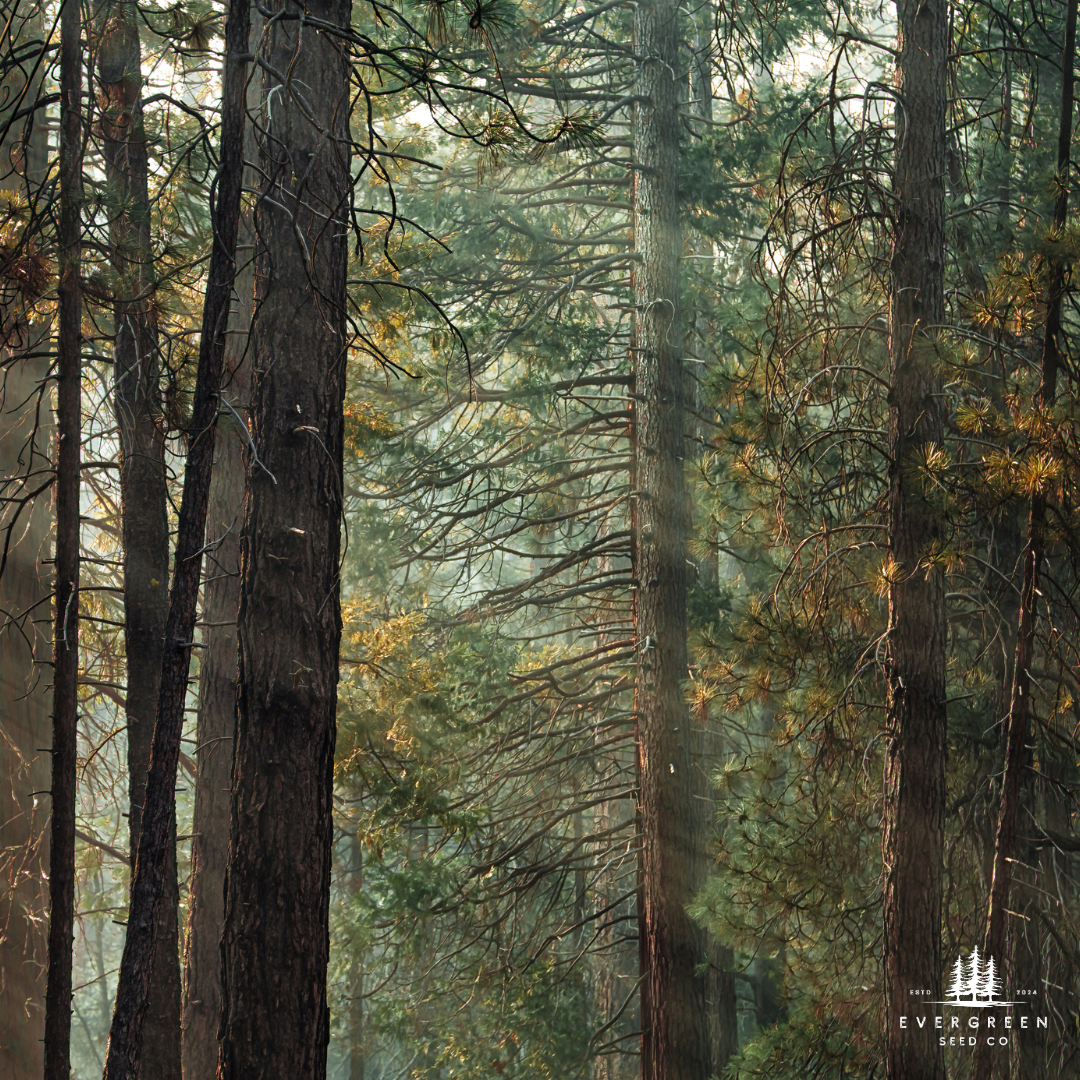
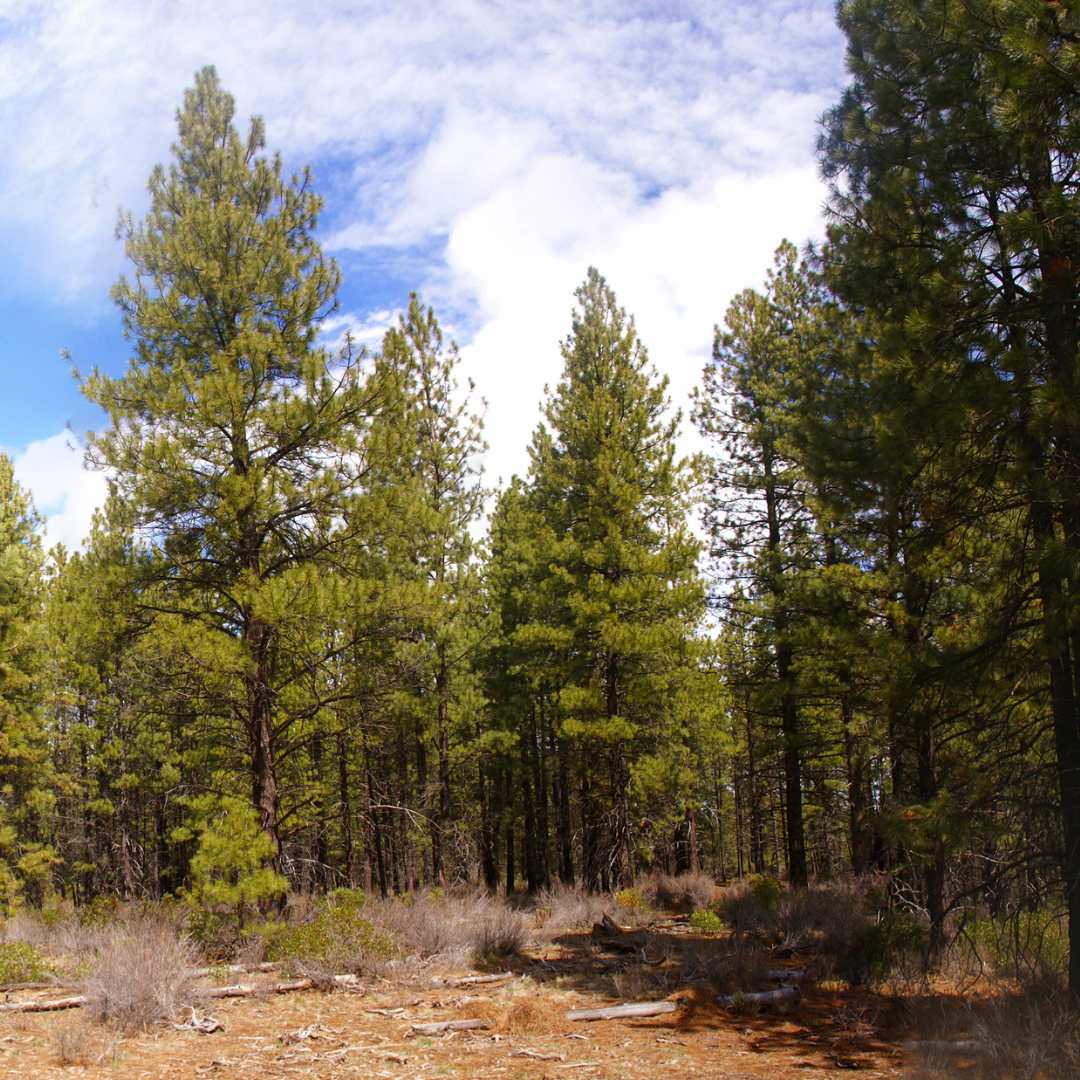
Pinus ponderosa, the Ponderosa Pine, is one of the most iconic trees of the American West, its tall straight trunk covered in puzzle-piece orange-brown bark that warms in the sun and releases the unmistakable scent of vanilla and butterscotch that defines the ponderosa forest for anyone who has walked through it. It is the most widely distributed pine in western North America, covering more acreage than any other western conifer, and one of the most fire-adapted trees in the world, with bark so thick that ground fires pass beneath its canopy without reaching the living wood. If you are looking to buy Ponderosa Pine seeds or grow this iconic western pine from seed, this is the pine that defined the landscape of the American frontier and continues to anchor the western mountain forest.
- Warm orange-brown puzzle-piece bark that releases a striking vanilla and butterscotch scent in warm weather
- The most widely distributed pine in western North America, dominant across millions of acres
- Extraordinarily drought-tolerant, evolved for the dry mountain west
- Highly fire-adapted, with thick bark that protects living wood from ground fires
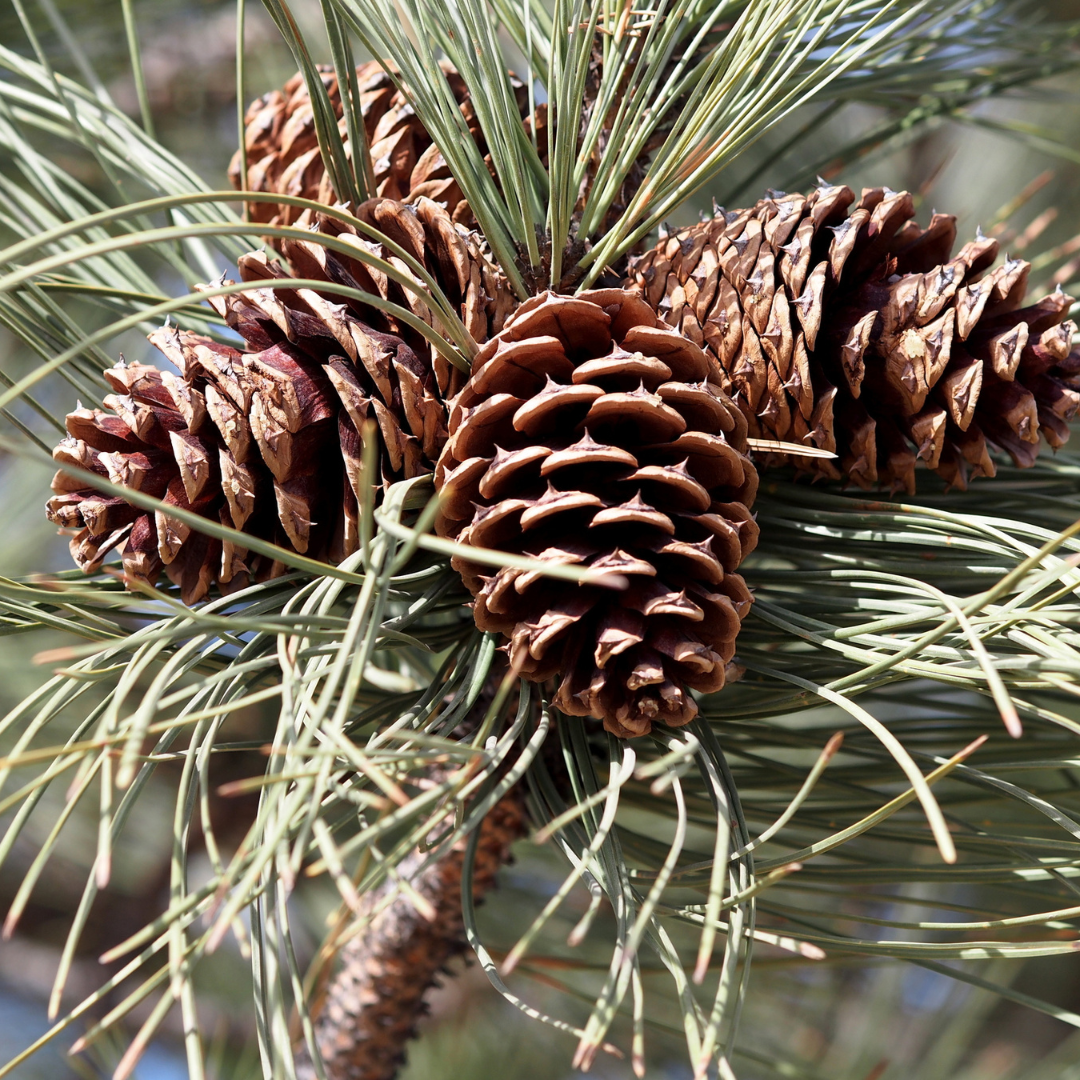
- Important wildlife tree, seeds and cones providing critical food for crossbills, Clark's nutcrackers, and squirrels
Things you probably did not know about the Ponderosa Pine
The vanilla scent is not your imagination.
The distinctive smell of Ponderosa Pine bark comes from volatile compounds called terpenes, particularly alpha-pinene and limonene, that concentrate in the bark and are released when the bark is warmed by sunlight. The scent is strongest on hot summer days when you press your nose directly into a crevice of the orange bark. Hikers in Ponderosa forests routinely stop to smell the bark because the experience is so unexpectedly pleasant.
It can live for over 500 years.
Ponderosa Pines in undisturbed stands regularly exceed 300 years and occasional specimens have been documented at 500 to 600 years. The largest known Ponderosa Pine, known as the Flagstaff Giant, is over 40 inches in diameter and estimated to be over 500 years old. It was already a mature tree when the Pilgrims arrived in New England.
Ground fires actually help it.
Unlike many forest trees that are killed by fire, mature Ponderosa Pines are adapted to survive frequent low-intensity ground fires. The thick, insulating bark protects the cambium, while the high, self-pruning canopy keeps flames below the crown. Fire suppression over the past century has allowed dense understory growth to accumulate in Ponderosa forests, which paradoxically has made modern fires more severe than the historical fires the trees evolved to survive.
Clark's nutcrackers are essential to its reproduction.
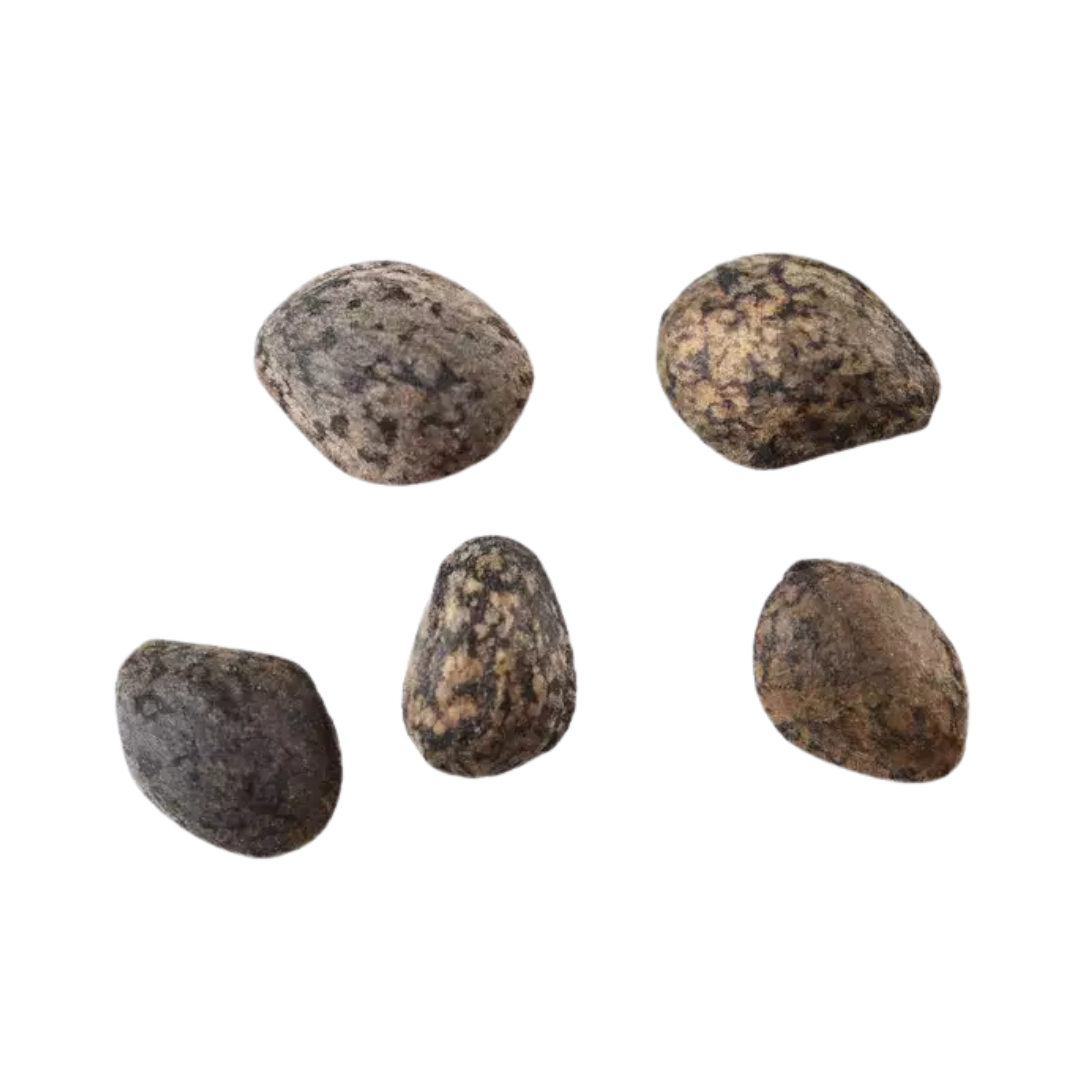
Clark's Nutcrackers, the gray and black birds of western mountain forests, harvest Ponderosa Pine seeds and cache them in the ground across wide areas as a winter food supply. They remember the locations of most caches, but forgotten caches germinate and become the next generation of trees. The spatial memory of a single bird can plant thousands of seeds per year.
Growing Details
- Botanical Name: Pinus ponderosa
- Stratification: Recommended, 30 to 60 days cold stratification
- USDA Zones: 3 to 7
- Soil: Well-drained, sandy to loamy, tolerates dry and rocky conditions
- Light: Full sun
- Height: 60 to 130 feet
- Spread: 15 to 25 feet
- Growth Rate: Moderate, 1 to 1.5 feet per year
Plant it in full sun in well-drained soil and walk up to the bark on a hot summer afternoon. The smell alone justifies everything.
FAQ
FAQ
Do you pre-stratify the seeds?
Most of our seeds are not pre-stratified. We ship them unstratified so you can control germination timing based on your local growing season. We sell to all 50 U.S. states and Canadian provinces, and since each region has different planting windows, pre-stratifying would risk seeds germinating in transit or before you're ready to plant.
True stratification requires cold, moist conditions, which can lead to premature sprouting or mold if not timed properly. To avoid this, we store most seeds in dry cold conditions to preserve viability — but this does not initiate stratification.
Do any of your seeds need to stay moist? (Recalcitrant seeds)
Yes — some species we offer are recalcitrant, meaning they must remain moist to stay viable and cannot be dried out. Examples include: Chestnut, Hazelnut, Paw Paw, etc.
These seeds are shipped in moist cold storage and are clearly labeled on the product page when applicable. Please refrigerate immediately upon arrival and follow included care instructions.
Do you ship internationally?
We currently ship to the United States and Canada only. Unfortunately, we cannot ship to other countries without a phytosanitary certificate, which is required by most international customs agencies.
If you're interested in shipping outside North America, please contact us. Note that a phytosanitary certificate typically adds $60–$80 USD per seed type and must be arranged in advance.
Shipping & What's Included
Shipping & What's Included
Shipping & Packaging
Hand-packed in resealable zipper kraft paper seed bags
Stratification and planting instructions included with every order
1 free bonus seed pack included with every order
Ships within 3–5 business days via USPS
Return Policy
Return Policy
Due to the nature of our products, we do not accept returns on seeds.
However, if your order arrives damaged or incorrect, please contact us within 7 days and we’ll make it right.