

Paradise Apple Tree Seeds | Wild Apple | (Malus pumila)
Paradise Apple Tree Seeds | Wild Apple | (Malus pumila)
The original apple. The rootstock that built the orchard industry.
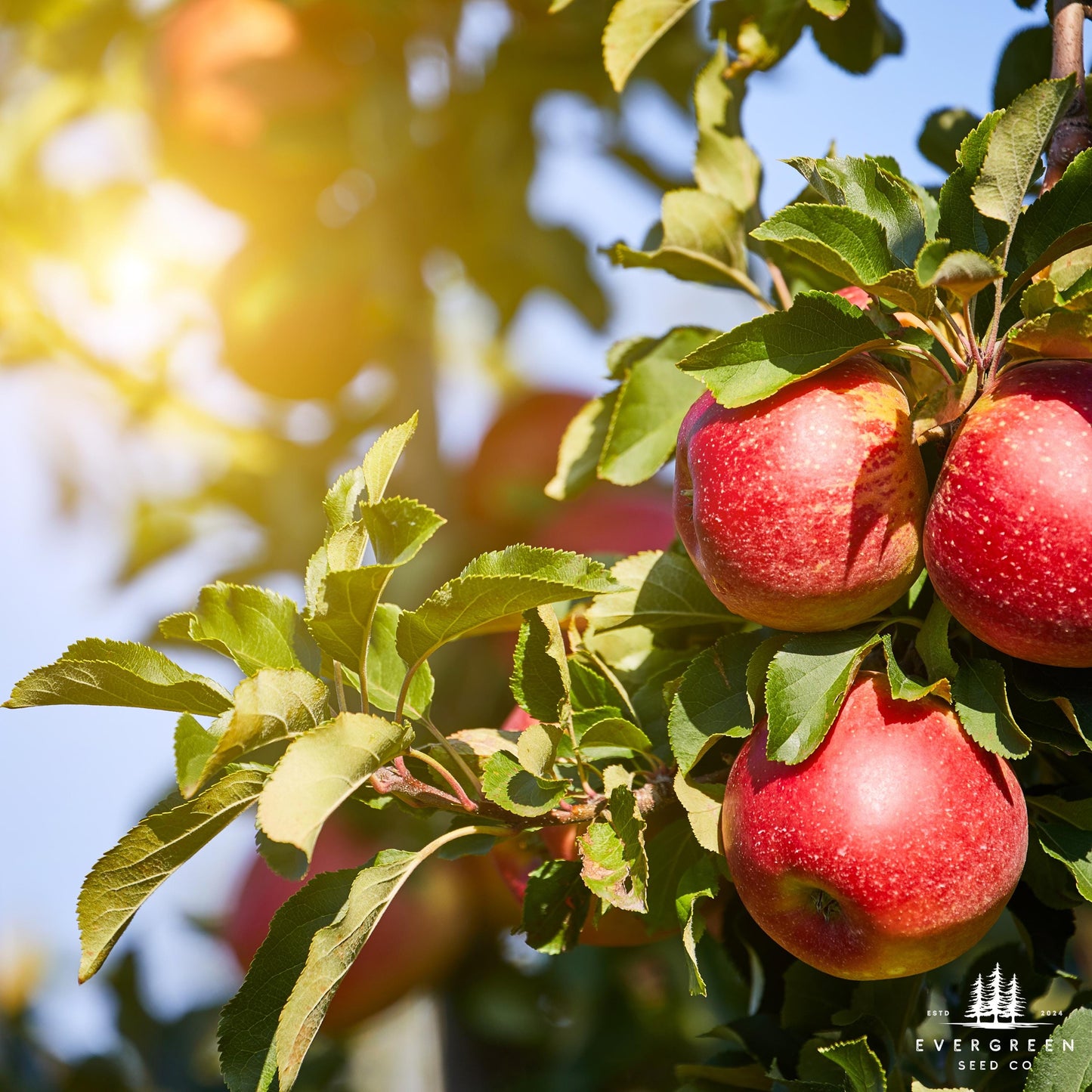
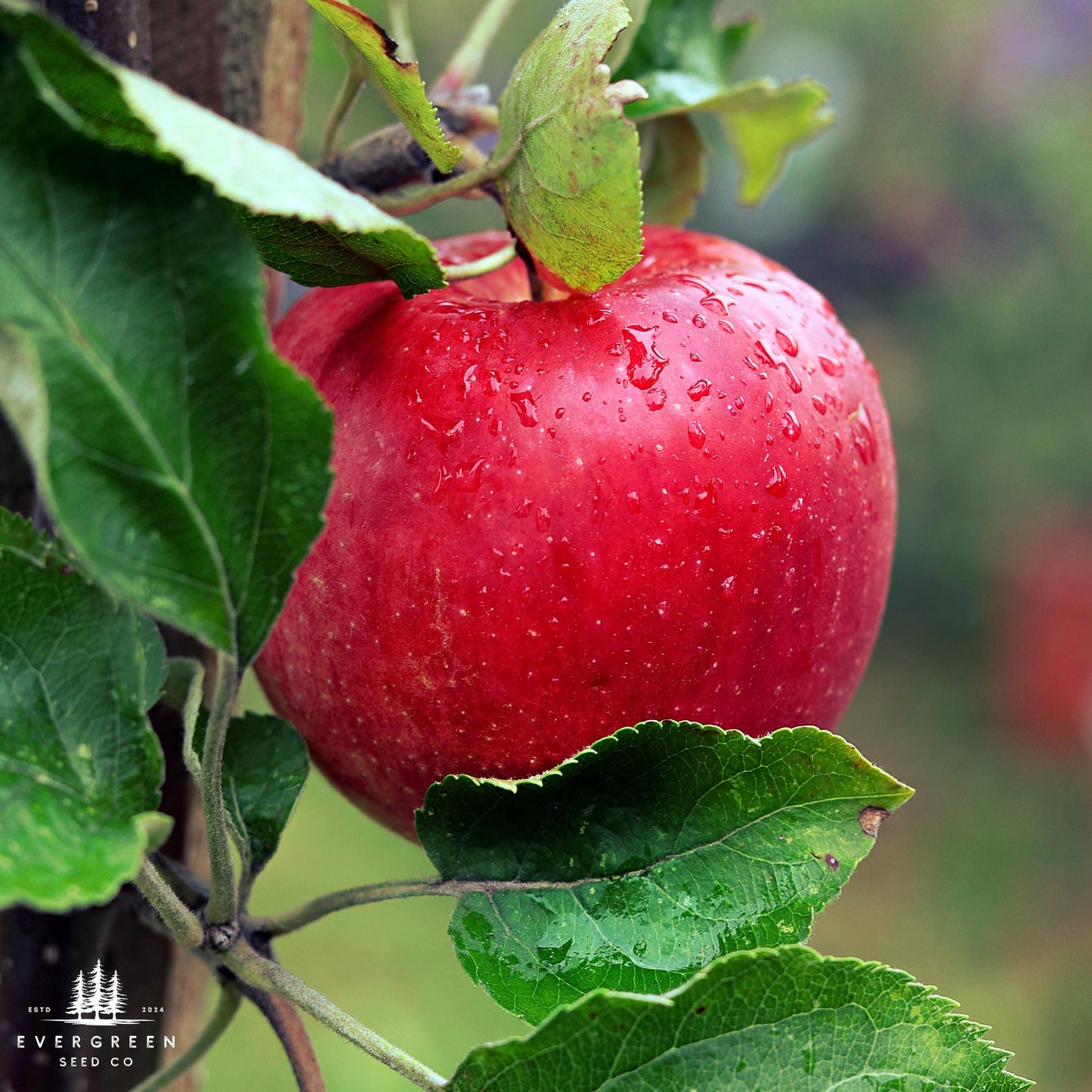
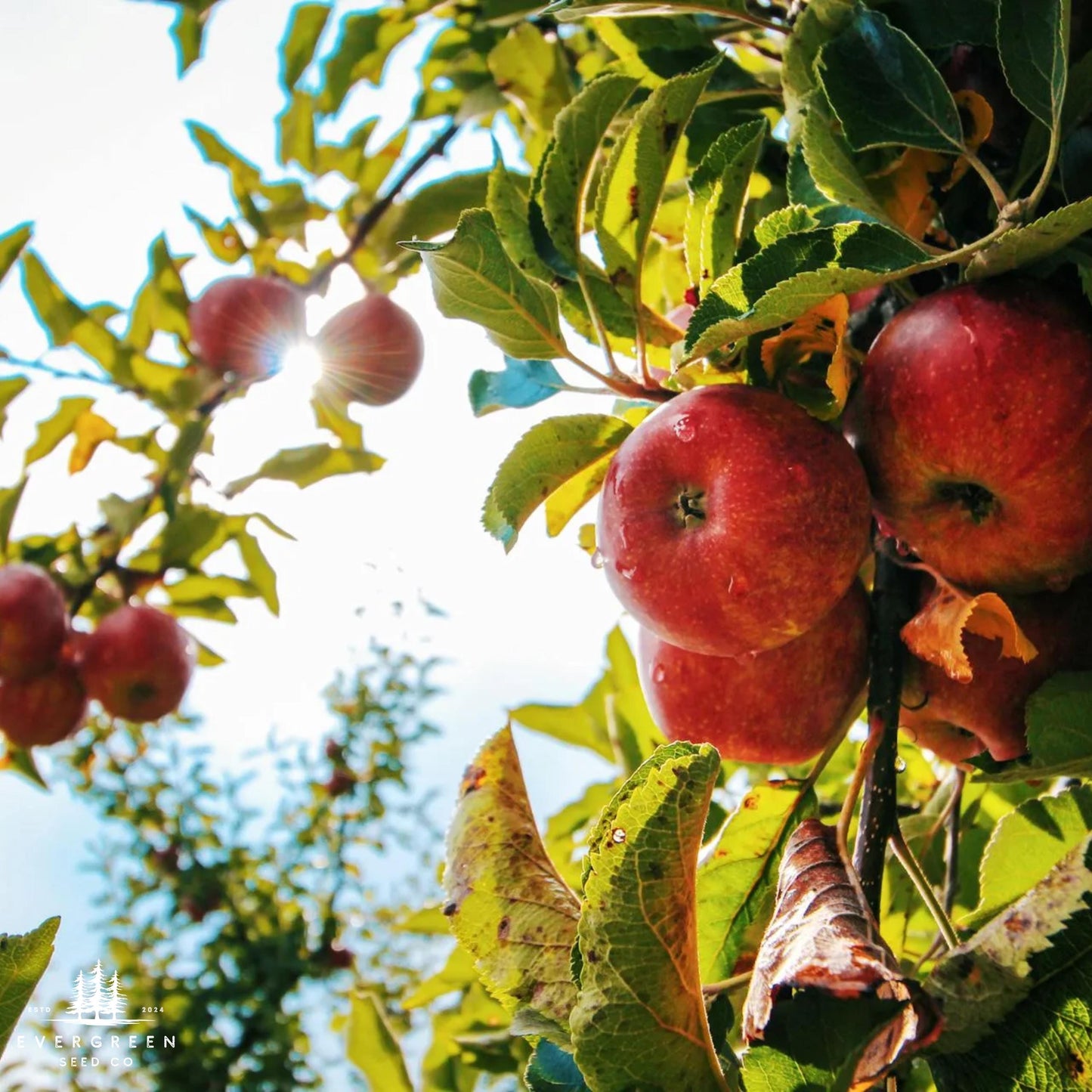
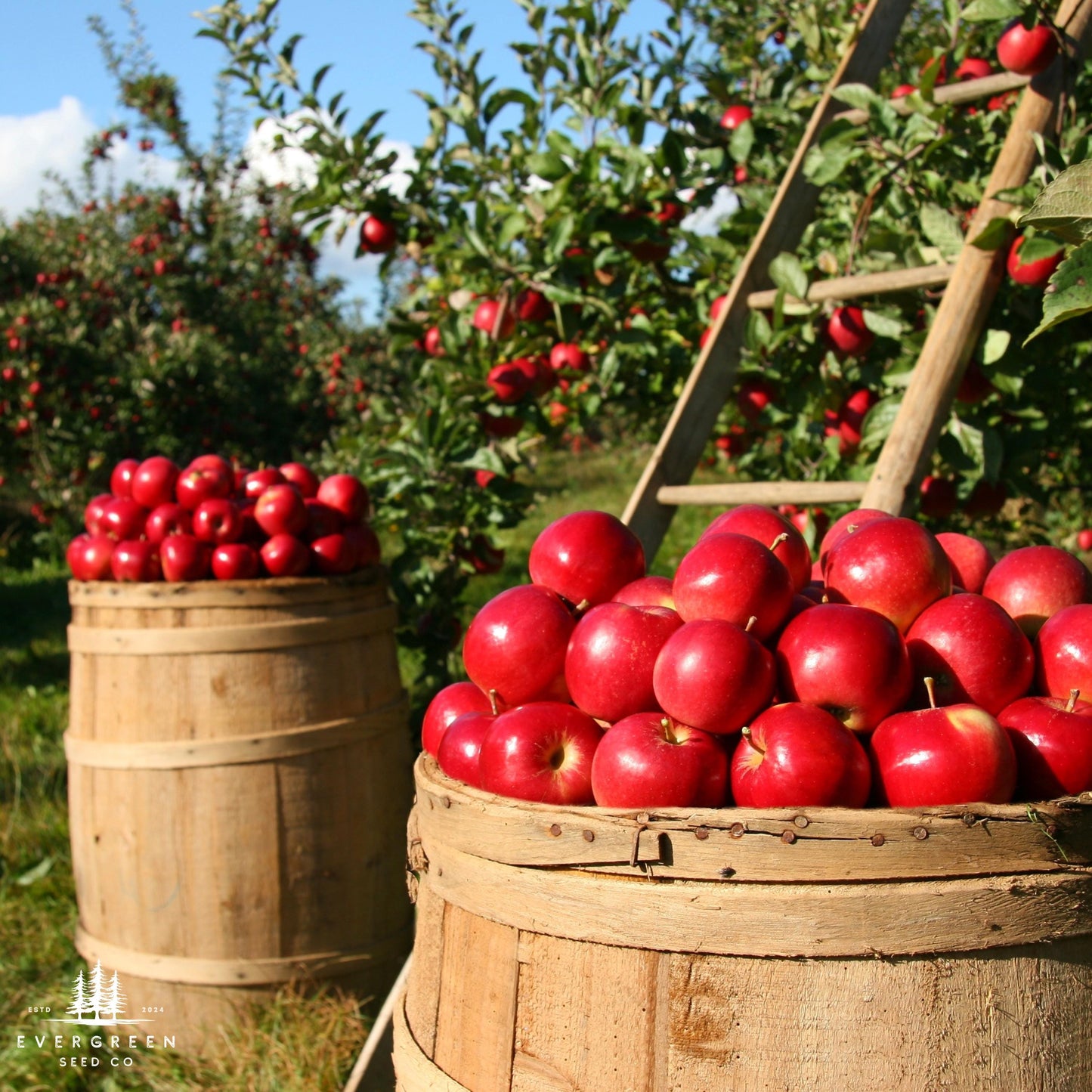
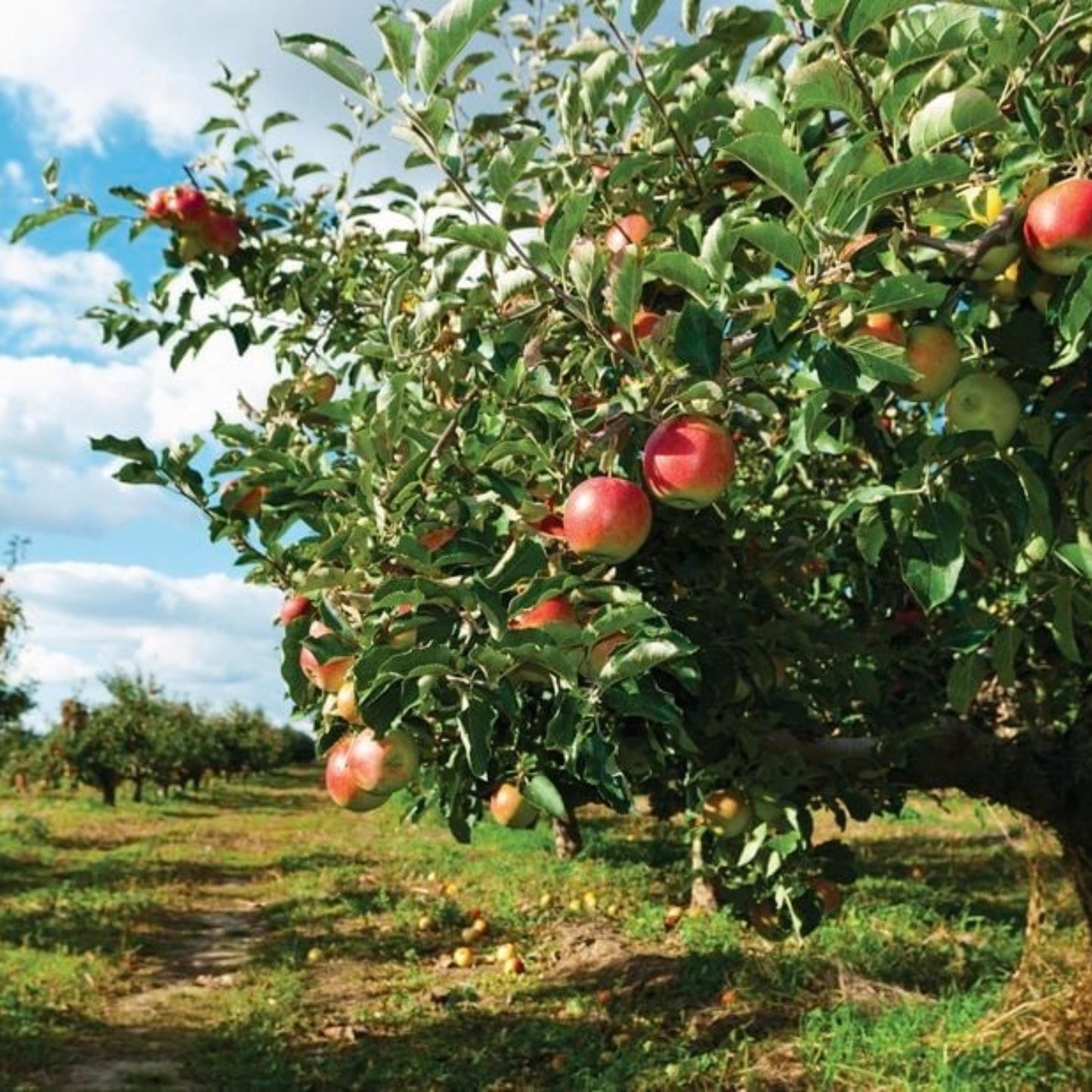
Malus pumila, the Paradise Apple, is the ancestral wild apple from which virtually all modern cultivated apple varieties descend, the original species that humans began selecting and cultivating in the forests of Kazakhstan over 4,000 years ago and that has since become, through millennia of human selection, the most widely grown and eaten fruit in temperate regions worldwide. It is also the most important rootstock species in the commercial apple industry, used for hundreds of years to control tree size, precocity, and productivity in commercial orchards. Seed-grown Paradise Apples produce trees with the natural vigor and unpredictable fruit variation of the wild ancestral species, each tree a genetic individual that may bear fruit ranging from small and tart to surprisingly pleasant and sweet. If you are looking to buy Paradise Apple seeds or grow wild apple from seed, this is the tree that started everything.
- The ancestral species from which all modern cultivated apples descend
- The most important apple rootstock in commercial orchard production worldwide
- Seed-grown trees produce genetically unique fruit with wide variation in size, color, and flavor
- Cold-hardy and adaptable, growing successfully across a wide range of soils and climates
- Valuable wildlife tree, fruit eaten by deer, bears, foxes, and dozens of bird species
Things you probably did not know about the Paradise Apple
The origin of the apple was discovered in Kazakhstan in the 1990s. For centuries the origin of the cultivated apple was debated and uncertain. DNA analysis in the 1990s traced the genetic origin of all cultivated apple varieties to wild apple forests in the Tian Shan mountains of Kazakhstan, where Malus sieversii, an extremely close relative of Malus pumila, grows in diverse wild populations. Botanists walking through these forests describe encountering trees bearing fruit that tastes remarkably like modern cultivated apples, a living window into the origin of one of the most important food plants in history.
Every apple variety ever grown came from a seed. Modern apple cultivation is built on clonal propagation because apple seeds do not breed true. But every named apple variety that has ever existed, from Cox's Orange Pippin to Honeycrisp to Golden Delicious, originated as a single unique seedling that someone noticed, tasted, and decided was worth propagating. Johnny Appleseed, the legendary American apple planter, planted wild seedling apple orchards specifically to provide hard cider fruit and livestock fodder, not the grafted eating apples of modern horticulture.
The wild apple forests of Kazakhstan are among the most biodiverse in the world. The Tian Shan apple forests contain individual trees producing fruit in an almost incomprehensible range of colors, flavors, sizes, and textures. Yellow, red, green, striped, speckled, sweet, tart, hard, soft, early, late. This genetic diversity is the raw material from which 4,000 years of apple breeding drew everything it produced. These forests are now under threat from development and habitat loss.
Paradise dwarfing rootstocks changed how orchards were planted forever. The term Paradise in apple rootstock names, used commercially since the 19th century, derives from the use of Malus pumila and related wild species as size-controlling rootstocks. Trees grafted onto Paradise rootstocks produce fruit earlier and remain smaller than trees on seedling roots, making high-density commercial orchard planting possible. The entire modern intensive orchard system is built on this rootstock technology.
Growing Details
- Botanical Name: Malus pumila
- Stratification: Required, 60 to 90 days cold moist stratification
- USDA Zones: 3 to 8
- Soil: Well-drained, fertile, slightly acidic to neutral
- Light: Full sun
- Height: 15 to 30 feet
- Spread: 15 to 25 feet
- Growth Rate: Moderate, 1 to 2 feet per year
Grow it knowing the fruit it produces will be its own. You are one seed away from something that has never existed before in the 4,000-year history of apple cultivation.
FAQ
FAQ
Do you pre-stratify the seeds?
Most of our seeds are not pre-stratified. We ship them unstratified so you can control germination timing based on your local growing season. We sell to all 50 U.S. states and Canadian provinces, and since each region has different planting windows, pre-stratifying would risk seeds germinating in transit or before you're ready to plant.
True stratification requires cold, moist conditions, which can lead to premature sprouting or mold if not timed properly. To avoid this, we store most seeds in dry cold conditions to preserve viability — but this does not initiate stratification.
Do any of your seeds need to stay moist? (Recalcitrant seeds)
Yes — some species we offer are recalcitrant, meaning they must remain moist to stay viable and cannot be dried out. Examples include: Chestnut, Hazelnut, Paw Paw, etc.
These seeds are shipped in moist cold storage and are clearly labeled on the product page when applicable. Please refrigerate immediately upon arrival and follow included care instructions.
Do you ship internationally?
We currently ship to the United States and Canada only. Unfortunately, we cannot ship to other countries without a phytosanitary certificate, which is required by most international customs agencies.
If you're interested in shipping outside North America, please contact us. Note that a phytosanitary certificate typically adds $60–$80 USD per seed type and must be arranged in advance.
Shipping & What's Included
Shipping & What's Included
Shipping & Packaging
Hand-packed in resealable zipper kraft paper seed bags
Stratification and planting instructions included with every order
1 free bonus seed pack included with every order
Ships within 3–5 business days via USPS
Return Policy
Return Policy
Due to the nature of our products, we do not accept returns on seeds.
However, if your order arrives damaged or incorrect, please contact us within 7 days and we’ll make it right.