

Moringa Tree Seeds (Moringa oleifera)
Moringa Tree Seeds (Moringa oleifera)
The miracle tree. The most nutrient-dense tree on Earth.
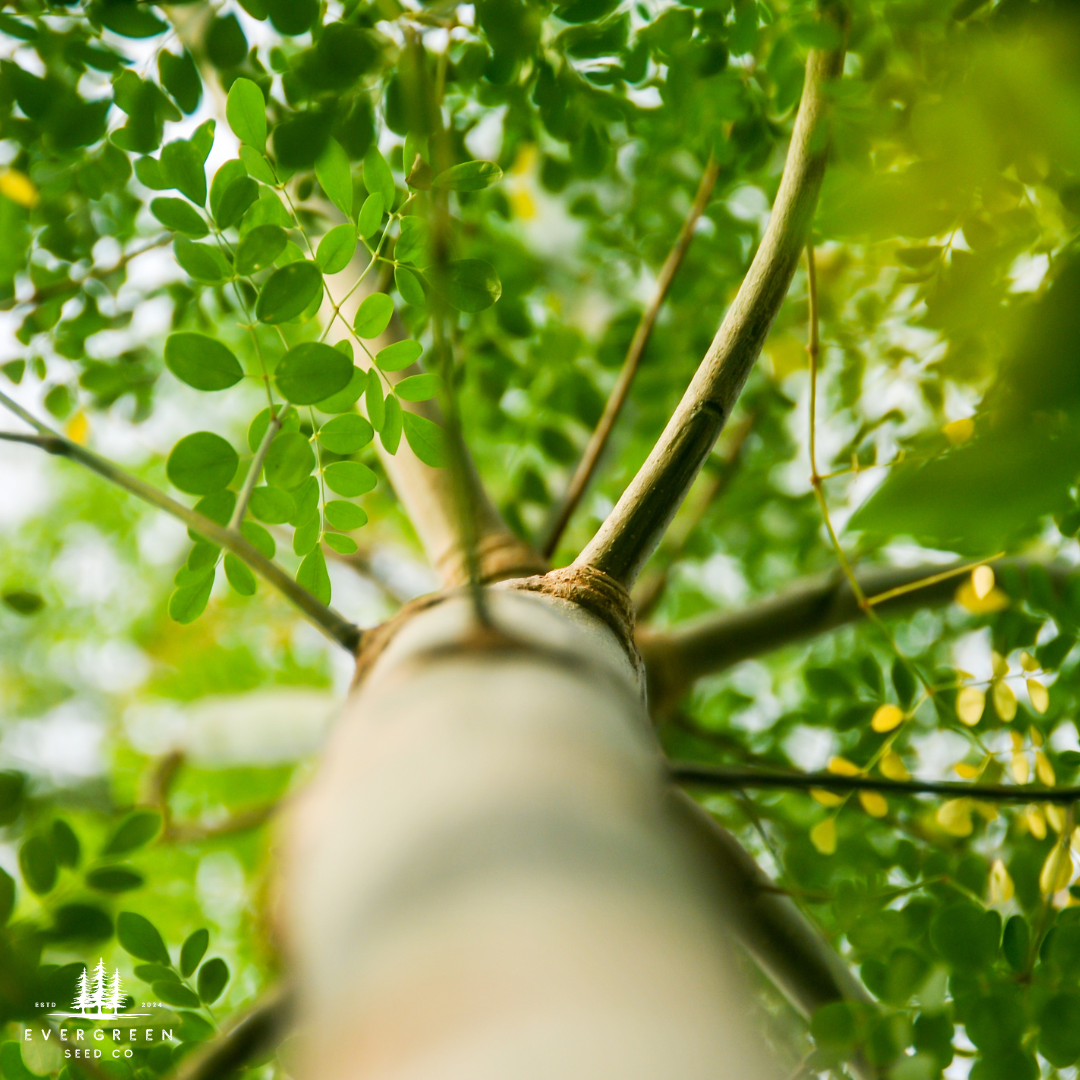
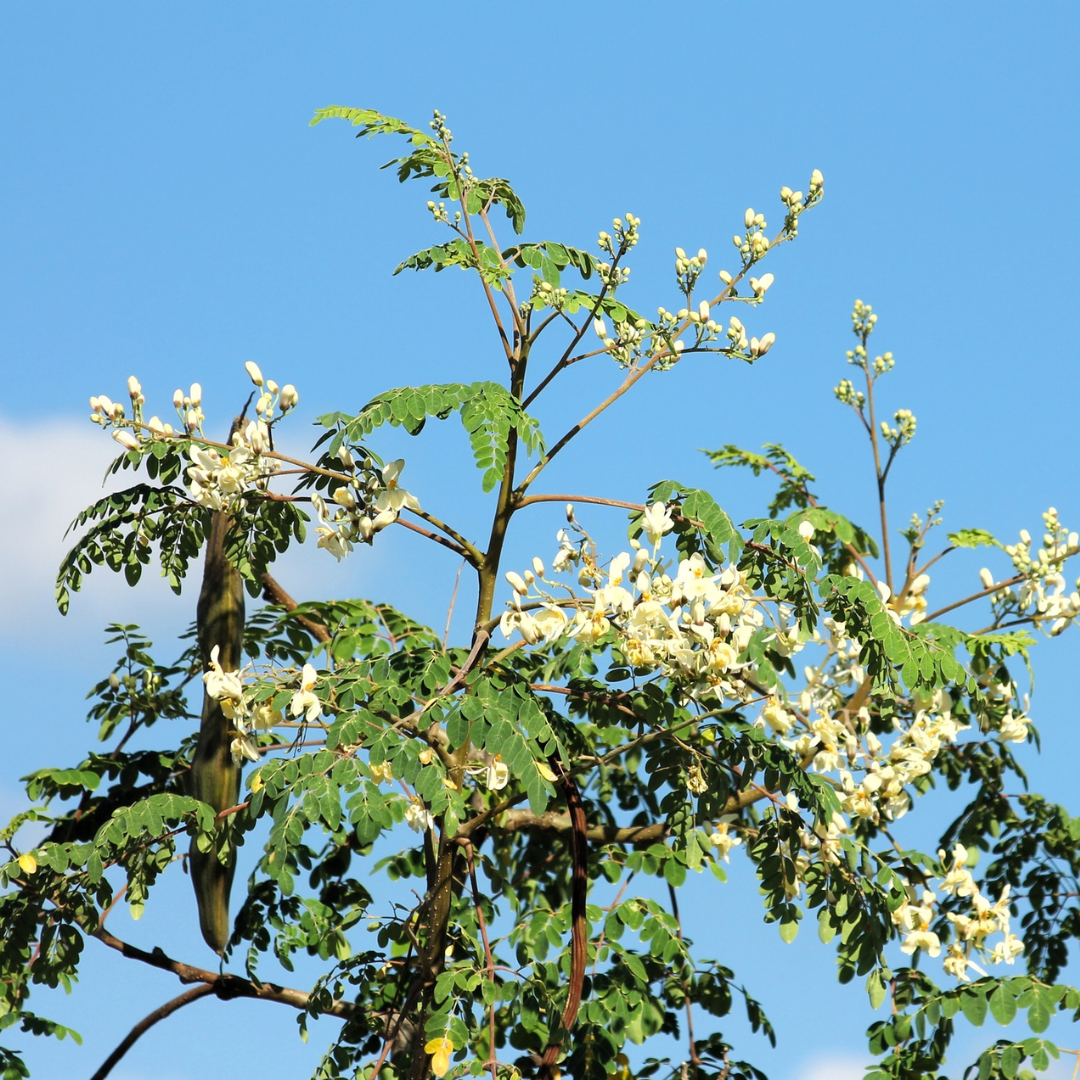
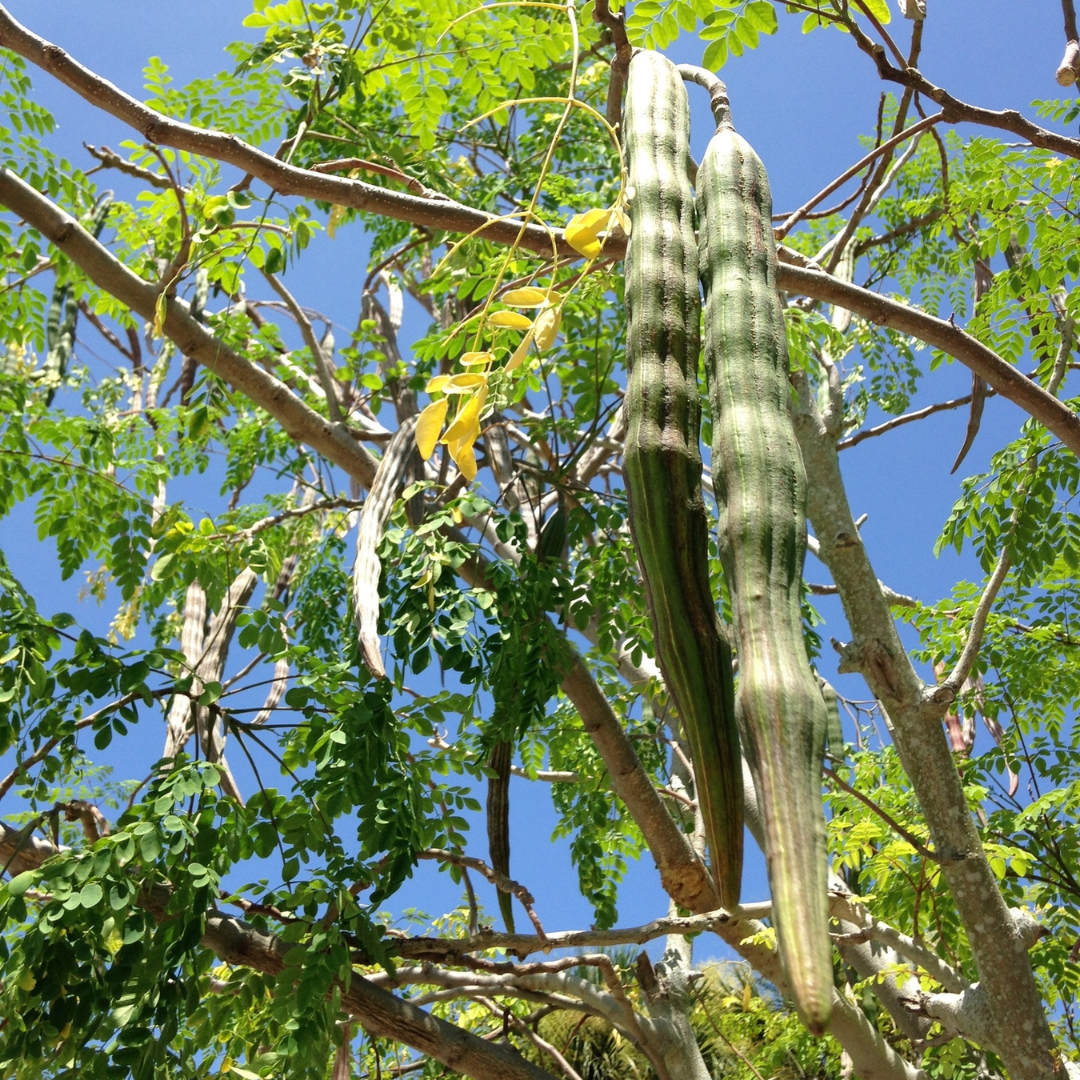
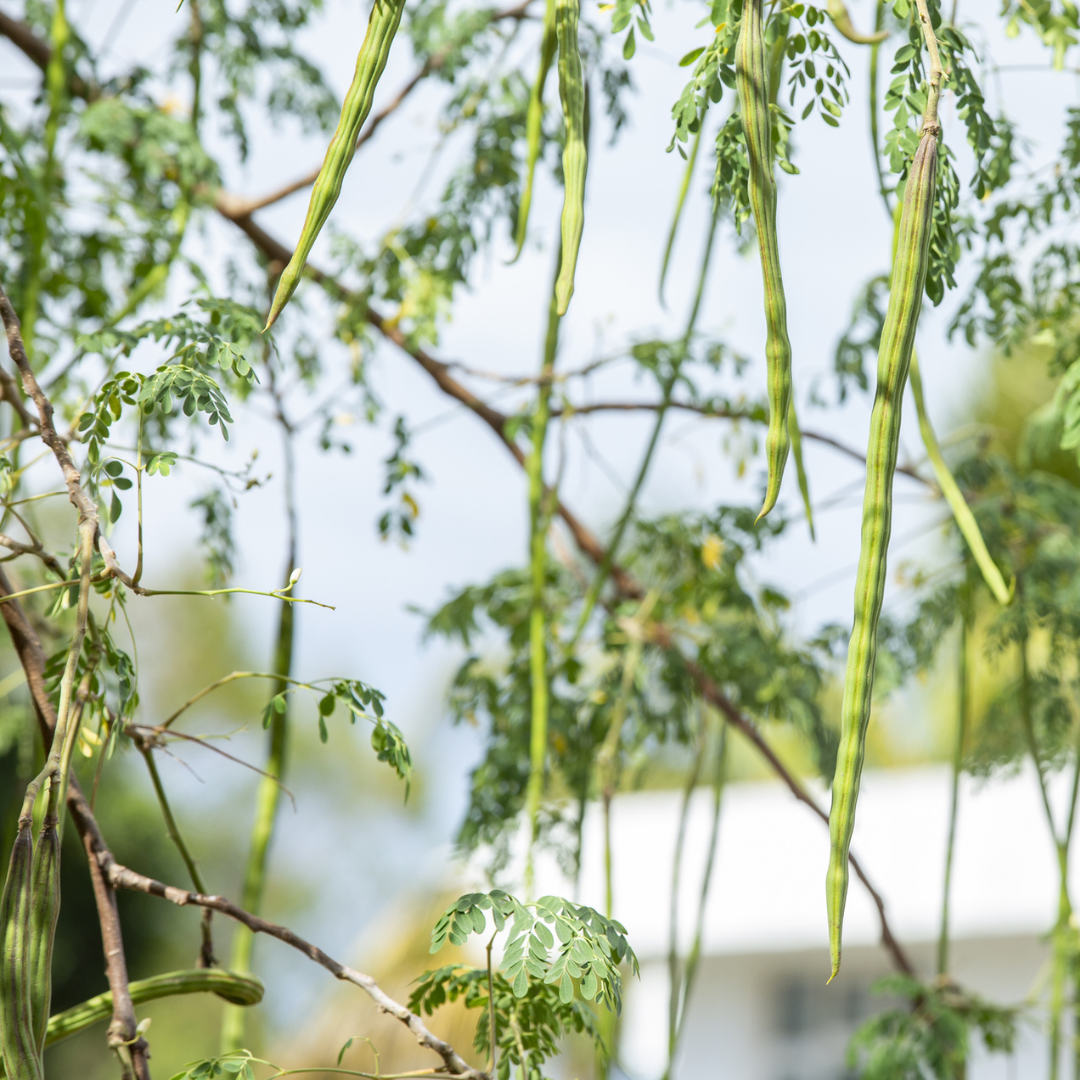
Moringa oleifera is called the miracle tree for a reason. It is the most nutritionally complete tree known to science, producing leaves, pods, flowers, and seeds that are edible and extraordinary in their concentration of vitamins, minerals, and protein. The leaves contain more vitamin C than oranges, more calcium than milk, more iron than spinach, and more potassium than bananas per gram of dry weight. It grows from seed to 12 feet in a single season in warm climates. It tolerates drought once established. And every part of it, the leaves, the pods, the seeds, the flowers, and even the bark, has documented uses in food, medicine, and water purification. If you are looking to buy Moringa seeds or grow the miracle tree from seed, this is the most productive edible tree available in warm climates.
- The most nutritionally complete tree known to science, with leaves containing extraordinary concentrations of vitamins, minerals, and protein
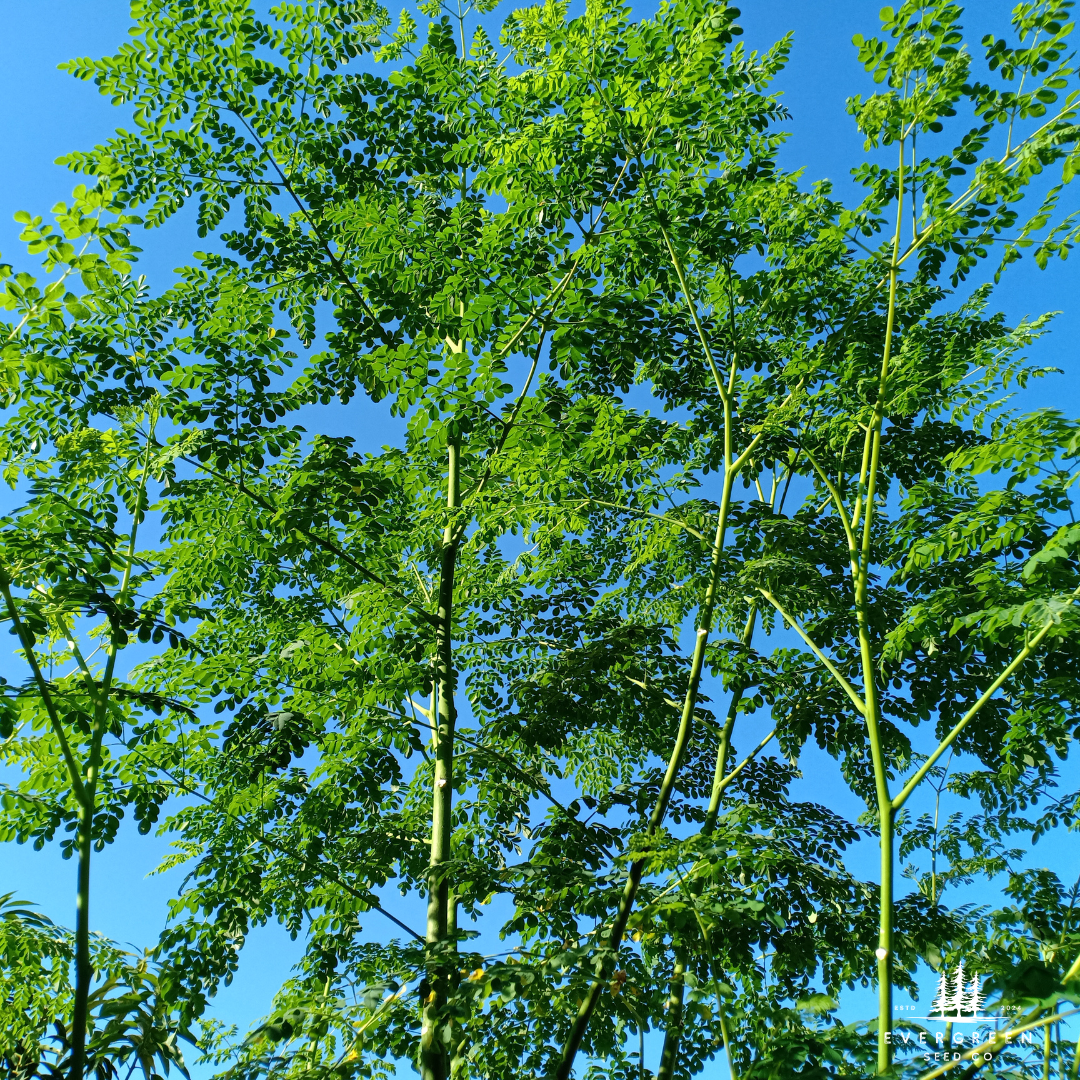
- Grows from seed to 12 feet or more in a single growing season in warm climates
- Drought-tolerant once established, thriving in the hot, dry conditions that stress most edible plants
- Every part of the tree is edible or useful, leaves, pods, flowers, seeds, and bark
- Used for water purification in developing countries, where crushed seeds clarify turbid water
Things you probably did not know about the Moringa
The seeds can purify drinking water.
Crushed Moringa seeds release natural coagulant proteins that bind to suspended particles in turbid water, causing them to clump together and settle out. Field studies in developing countries have shown that Moringa seed powder can reduce water turbidity by 90 percent and significantly reduce bacterial counts. It has been used for drinking water treatment in rural communities across Africa and South Asia for decades.
It can be coppiced repeatedly for leaf production.
Moringa responds exceptionally well to cutting back, resprouting vigorously and producing dense new leaf growth after each harvest. Farmers growing Moringa for leaf production cut the trees down to 3 feet every few months throughout the growing season to maximize leaf yield. This cycling keeps the leaves tender and nutritious at the stage when they are most beneficial.
The protein content rivals soybeans.
Moringa leaves contain approximately 27 percent protein on a dry weight basis, comparable to soybean meal. The protein is complete, containing all essential amino acids, which is unusual for a plant source. In communities where animal protein is scarce or expensive, Moringa leaves have been used as a protein supplement for children and nursing mothers with documented results in improving nutritional status.
It was used in ancient Egypt, Greece, and Rome.
Moringa was cultivated in the Nile delta over 4,000 years ago and was known to ancient Greek and Roman physicians for its medicinal properties. The seed oil, called ben oil, was used in perfumery, as a lubricant for mechanical devices, and as a carrier oil for cosmetics. It is still used in high-end cosmetic formulations today for its exceptional shelf stability.
Growing Details
- Botanical Name: Moringa oleifera
- Stratification: Not required
- USDA Zones: 9 to 11 as a perennial, zones 6 to 8 as an annual or container plant
- Soil: Well-drained, sandy to loamy, tolerates poor soils, does not tolerate wet or waterlogged conditions
- Light: Full sun
- Height: 15 to 40 feet in tropical conditions, smaller in cultivation at zone limits
- Spread: 10 to 20 feet
- Growth Rate: Very fast, up to 12 feet in the first year in warm climates
Plant it in the warmest, sunniest spot you have and harvest the leaves before anything else. There is nothing more productive per square foot in a warm-climate garden.
FAQ
FAQ
Do you pre-stratify the seeds?
Most of our seeds are not pre-stratified. We ship them unstratified so you can control germination timing based on your local growing season. We sell to all 50 U.S. states and Canadian provinces, and since each region has different planting windows, pre-stratifying would risk seeds germinating in transit or before you're ready to plant.
True stratification requires cold, moist conditions, which can lead to premature sprouting or mold if not timed properly. To avoid this, we store most seeds in dry cold conditions to preserve viability — but this does not initiate stratification.
Do any of your seeds need to stay moist? (Recalcitrant seeds)
Yes — some species we offer are recalcitrant, meaning they must remain moist to stay viable and cannot be dried out. Examples include: Chestnut, Hazelnut, Paw Paw, etc.
These seeds are shipped in moist cold storage and are clearly labeled on the product page when applicable. Please refrigerate immediately upon arrival and follow included care instructions.
Do you ship internationally?
We currently ship to the United States and Canada only. Unfortunately, we cannot ship to other countries without a phytosanitary certificate, which is required by most international customs agencies.
If you're interested in shipping outside North America, please contact us. Note that a phytosanitary certificate typically adds $60–$80 USD per seed type and must be arranged in advance.
Shipping & What's Included
Shipping & What's Included
Shipping & Packaging
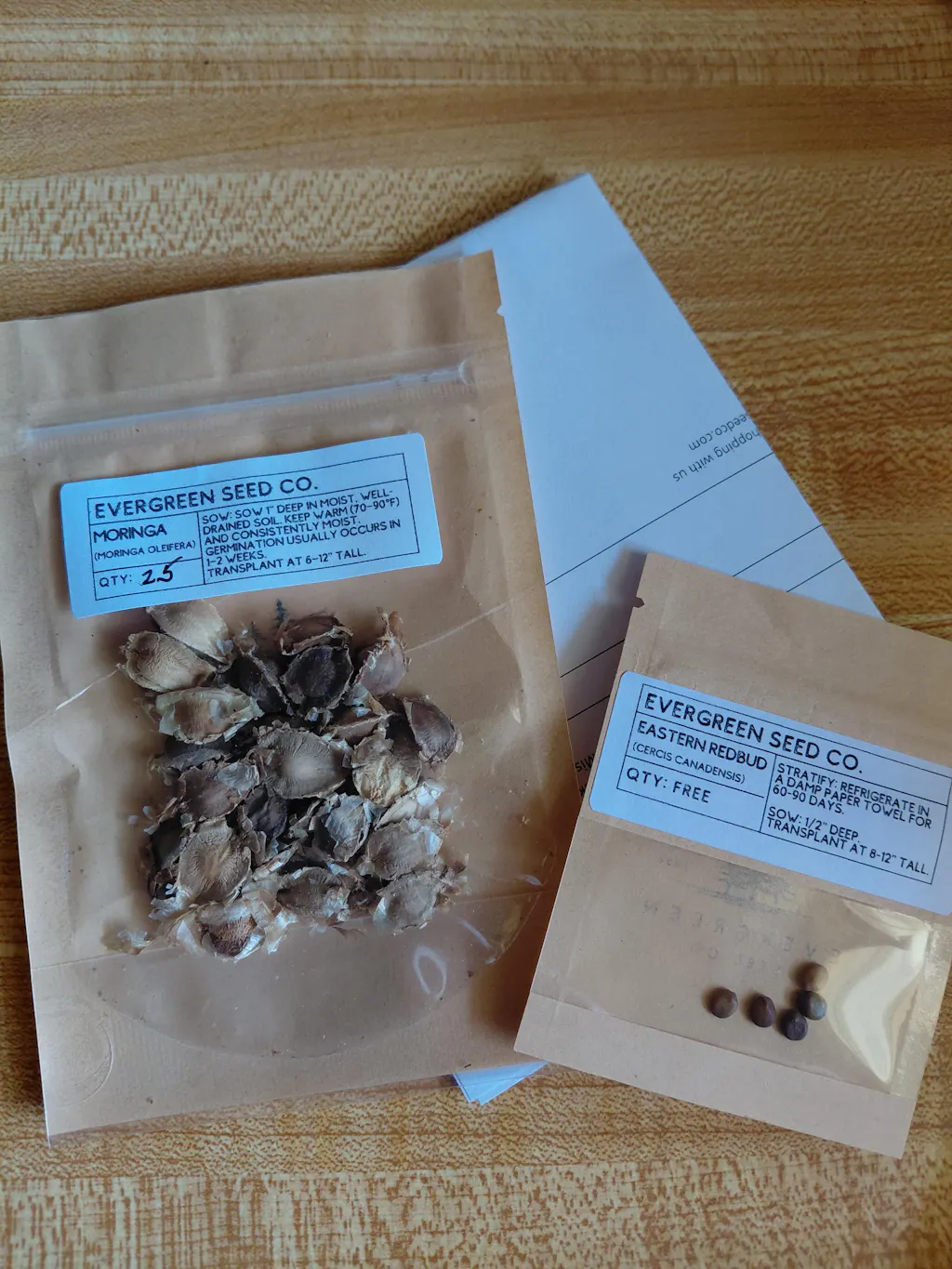
Hand-packed in resealable zipper kraft paper seed bags
Stratification and planting instructions included with every order
1 free bonus seed pack included with every order
Ships within 3–5 business days via USPS
Return Policy
Return Policy
Due to the nature of our products, we do not accept returns on seeds.
However, if your order arrives damaged or incorrect, please contact us within 7 days and we’ll make it right.