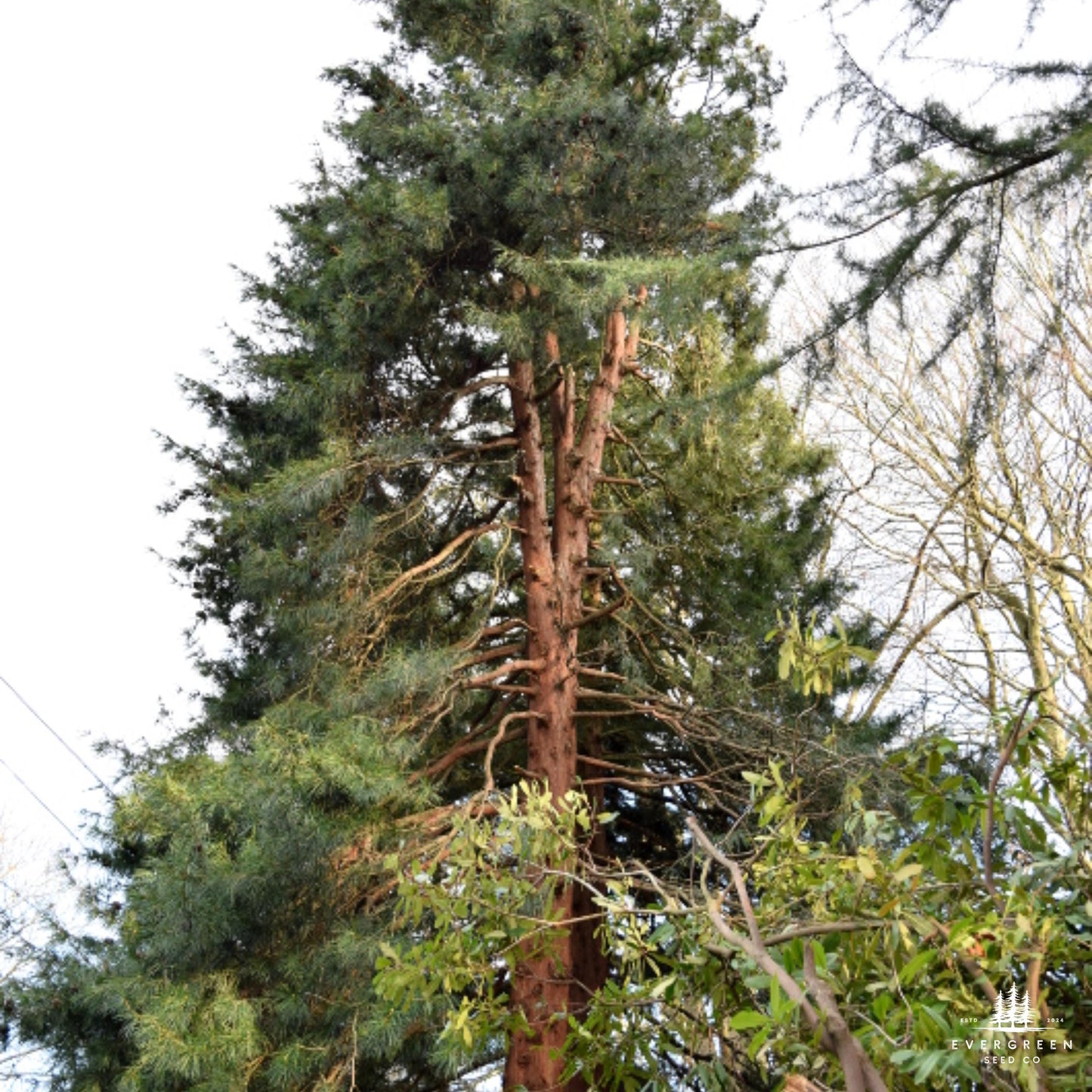


Japanese Umbrella Pine Tree Seeds | (Sciadopitys verticillata)
Japanese Umbrella Pine Tree Seeds | (Sciadopitys verticillata)
The living fossil with the most unusual needles of any conifer on Earth.
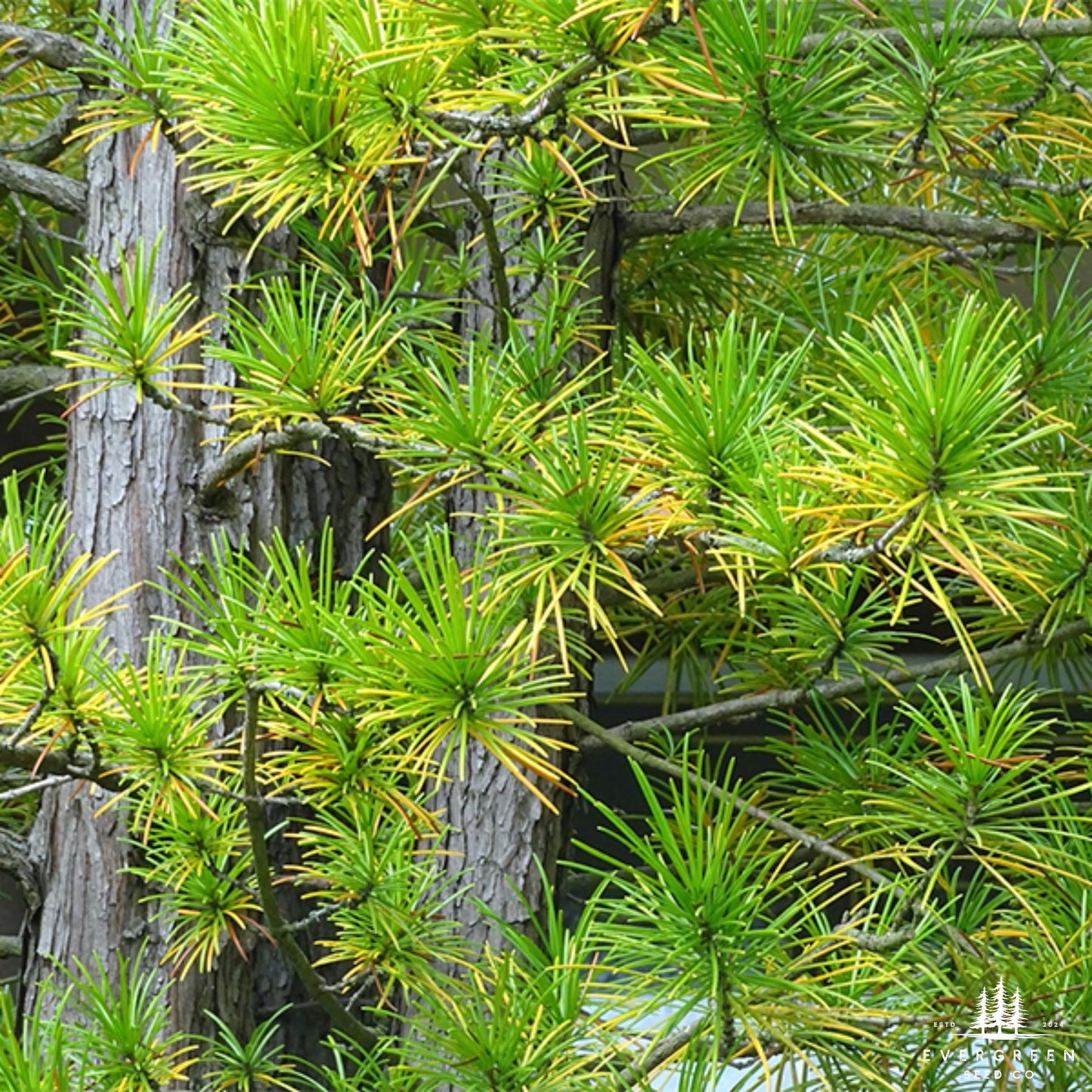
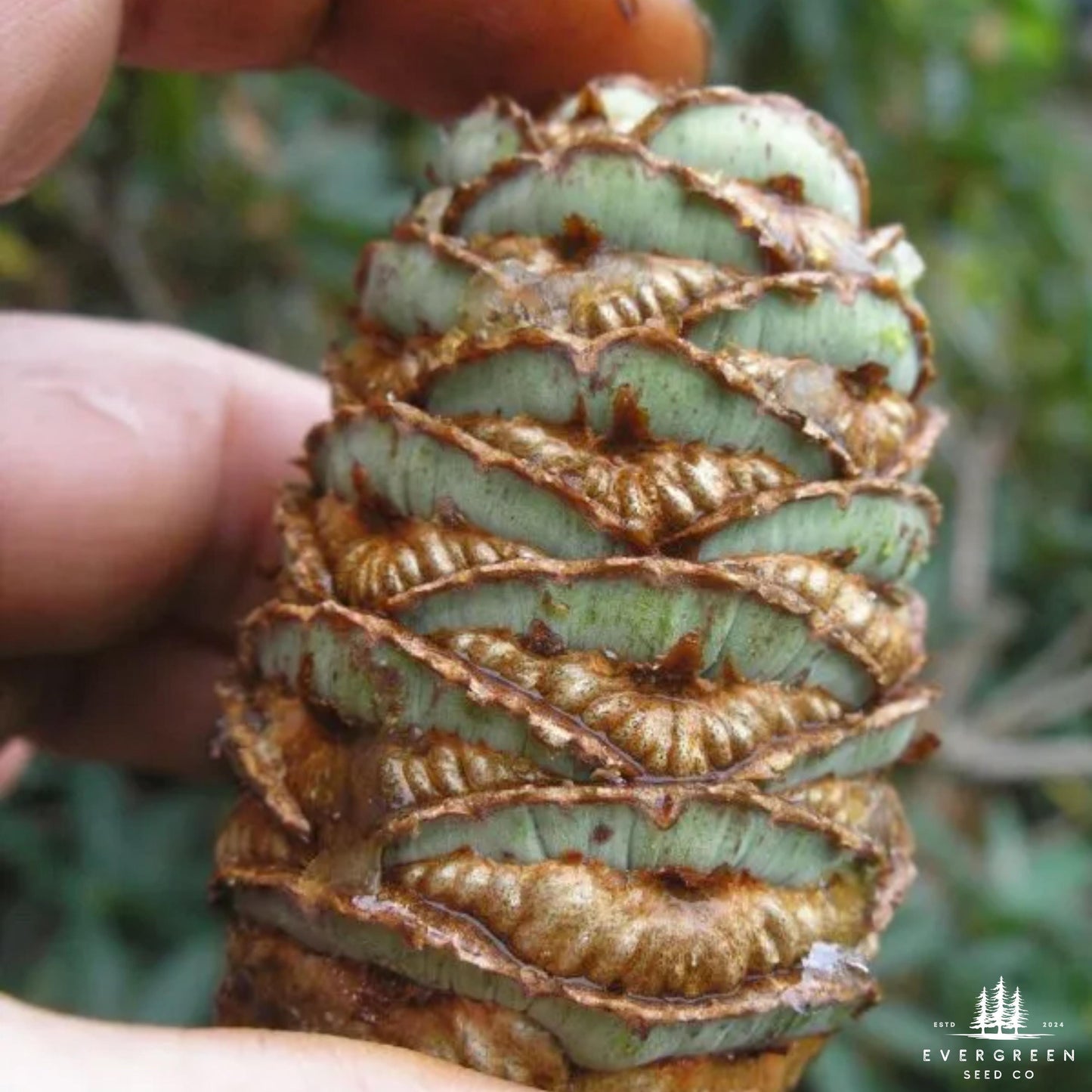
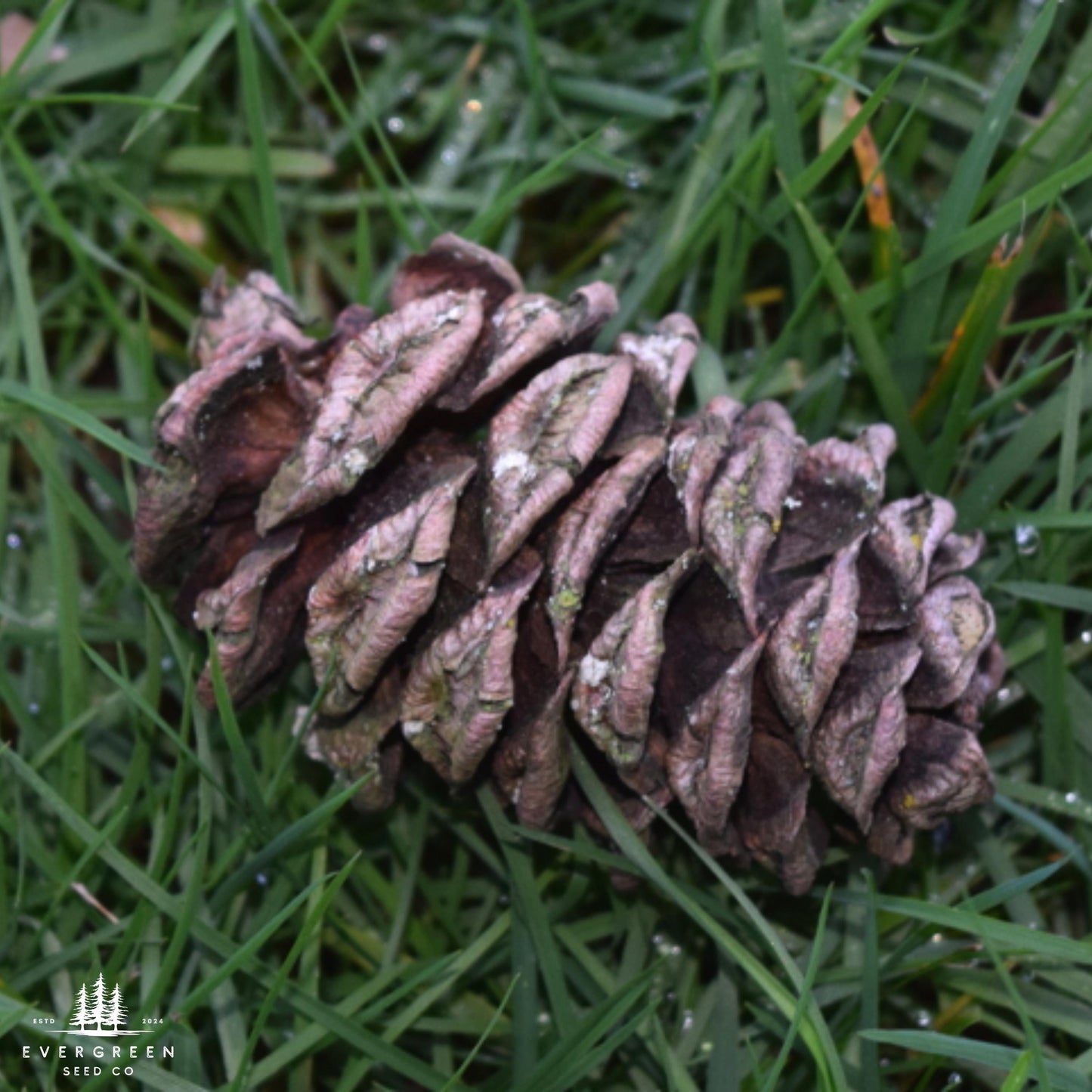
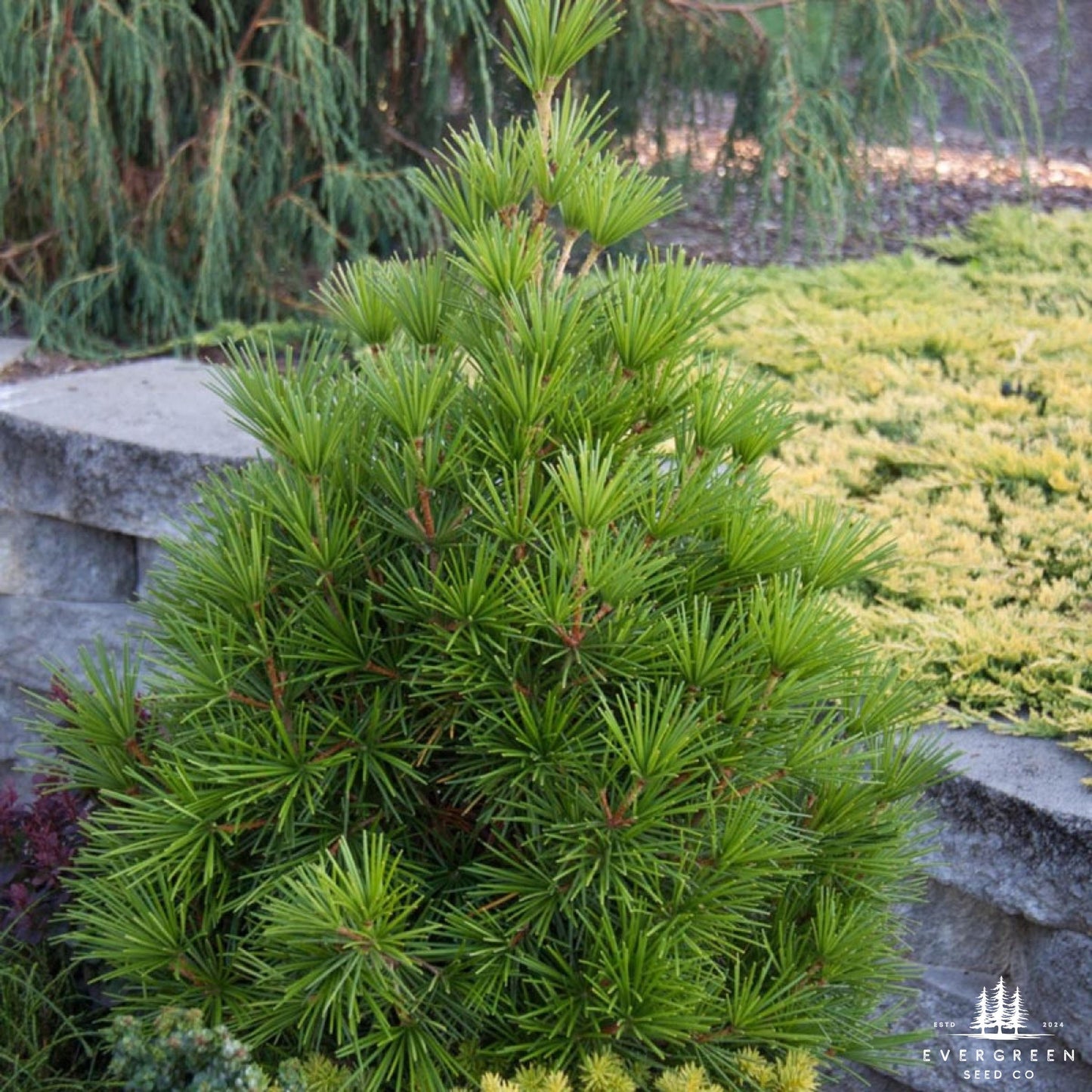
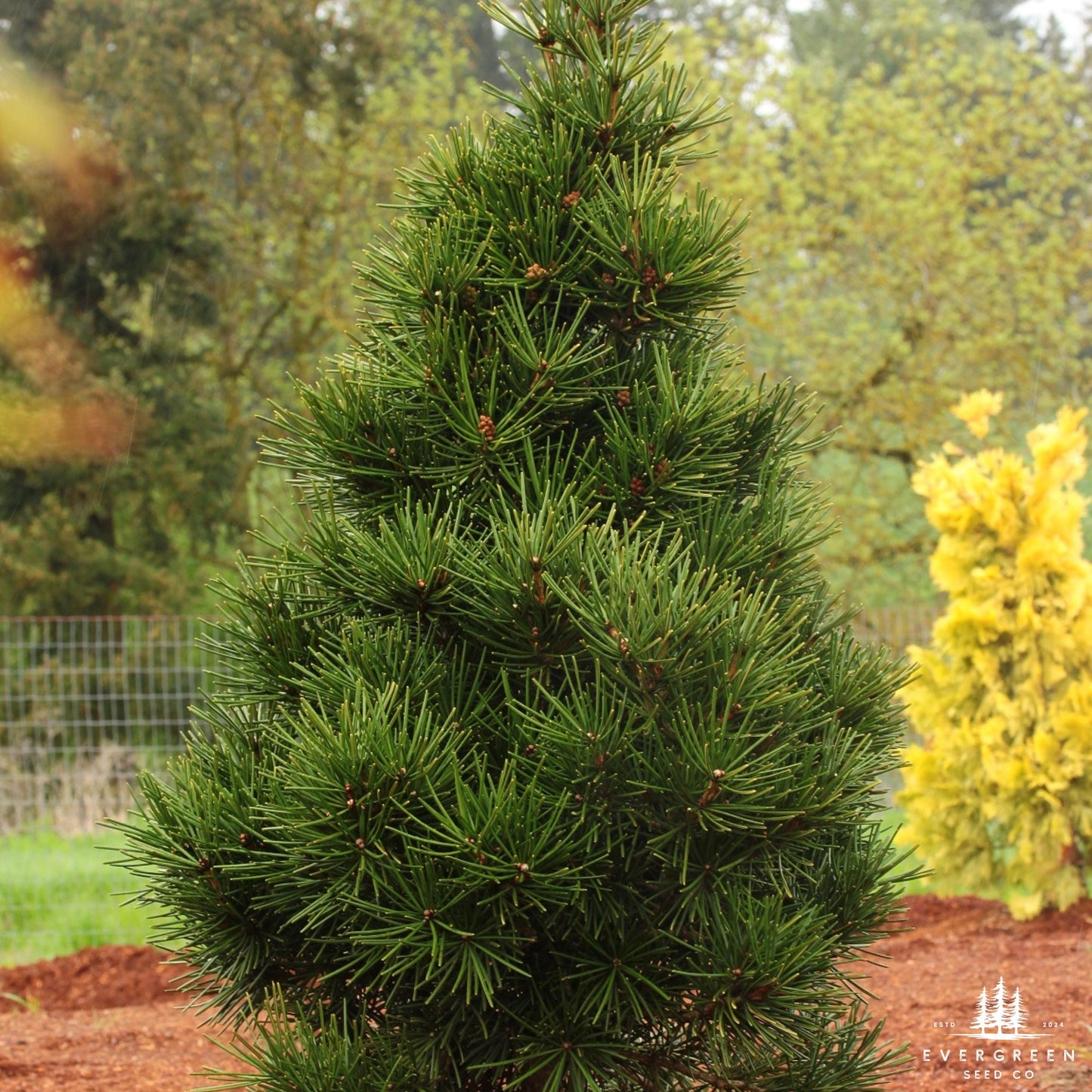
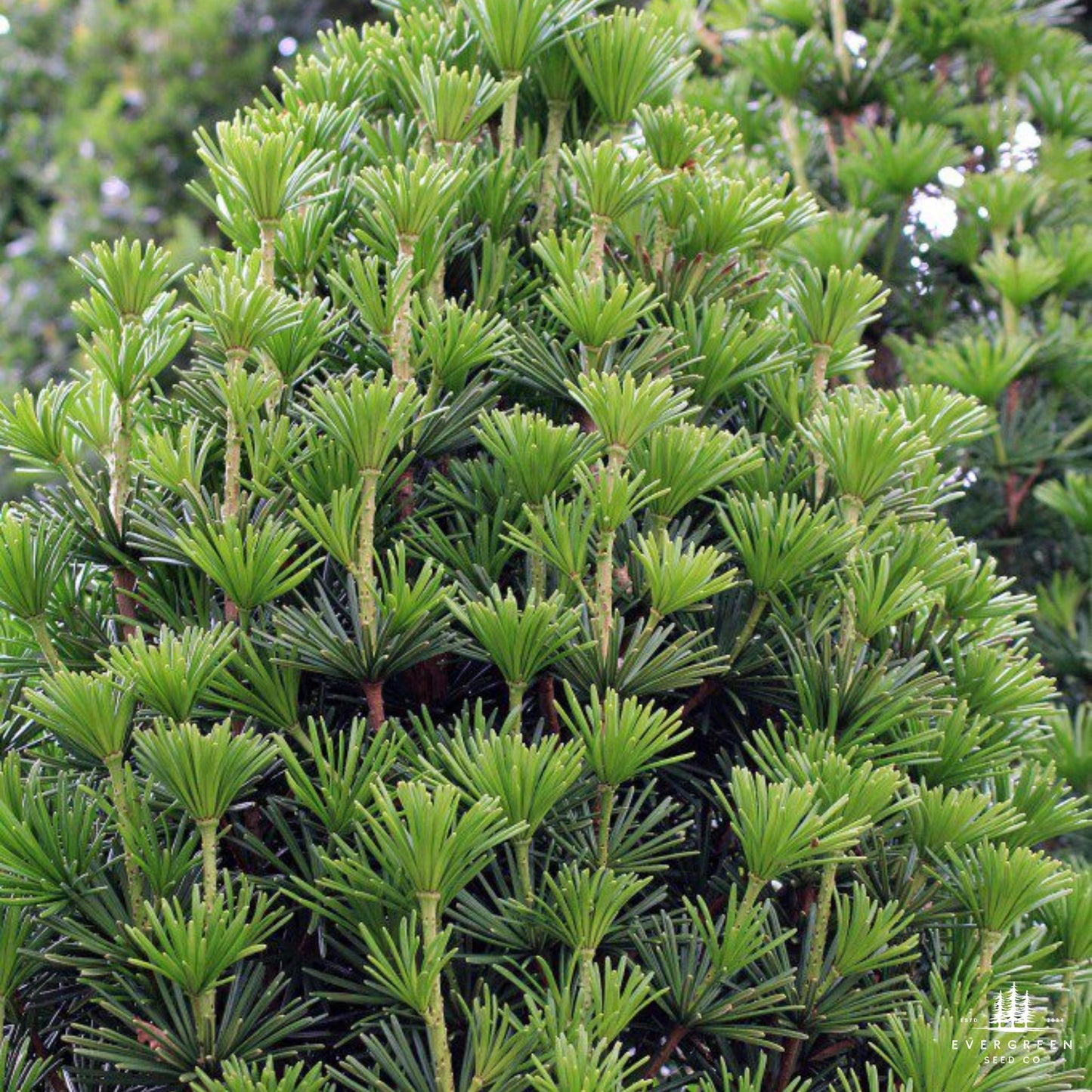
Sciadopitys verticillata, the Japanese Umbrella Pine, is the sole living species of an entire conifer family that has been present in the fossil record since the Triassic period, a living fossil that has outlasted every other member of its lineage and survives today only in the mountain forests of central and southern Japan. Its needles are unlike those of any other conifer in the world, arranged in whorls of 20 to 30 that radiate outward like the spokes of an umbrella, which gives both the common name and the most immediately distinctive silhouette of any conifer in cultivation. The needles are deep, glossy green, thick, and grooved down the center, looking almost artificial in their perfection, and the tree is extremely slow-growing, building the dense, narrow form over decades that makes large specimens of considerable age among the most impressive conifers in any garden. If you are looking to buy Japanese Umbrella Pine seeds or grow this living fossil from seed, this is the conifer that has no close living relative and has been growing in Japanese mountain forests in essentially its current form for 230 million years.
- The only living species of its entire family, a conifer lineage dating back 230 million years to the Triassic period
- Needles arranged in whorls of 20 to 30 radiating like an umbrella, unique among all living conifers
- Deep, glossy, grooved needles with an almost artificial perfection unlike any other conifer foliage
- Extremely slow-growing, building a dense narrow form over decades that makes aged specimens extraordinary
- Sacred in Japan, planted at temples and shrines for over 1,000 years
Things you probably did not know about the Japanese Umbrella Pine
The needles are not true needles but are fused pairs of reduced scale leaves. The thick, grooved structures that appear to be the needles of Japanese Umbrella Pine are actually cladodes, fused pairs of highly reduced leaves that have evolved together into photosynthetic organs functionally equivalent to needles but structurally completely different. This unusual developmental history is one of the characteristics that places Sciadopitys in its own family with no close living relatives.
It is one of the five sacred trees of Kiso in Japan. The Kiso Valley in Nagano Prefecture contains forests of five sacred conifer species including Japanese Umbrella Pine, Hinoki Cypress, Sawara Cypress, Thuja, and Japanese Yew. These trees were so important to Japanese culture and economy that their harvest was controlled by the Tokugawa shogunate in the 17th century with strict regulations specifying the punishments for unauthorized cutting. The tradition of considering these five trees sacred predates the shogunate by centuries and reflects the genuine cultural reverence for Japanese Umbrella Pine that has lasted over a thousand years.
The wood has been used for building coffins in Japan for centuries because of its durability and fragrance. Japanese Umbrella Pine wood is highly decay-resistant, fragrant with a distinctive pleasant scent, and has been the preferred material for Japanese coffins and ceremonial wooden objects requiring durability and aromatic quality. The same slow growth that makes the trees so impressive in the landscape produces dense, aromatic heartwood that has been prized by woodworkers for centuries.
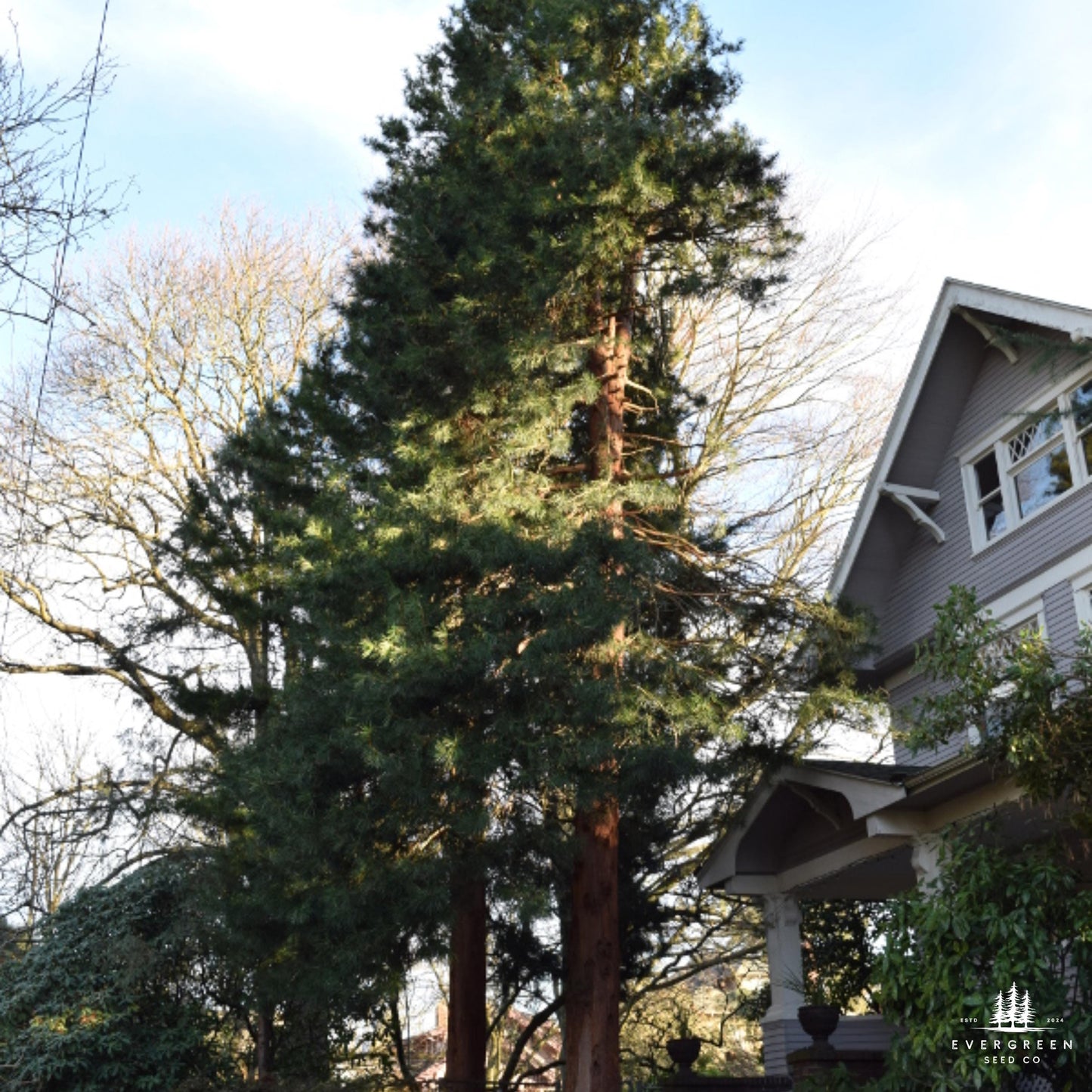
A single seed-grown Japanese Umbrella Pine will be essentially unchanged when your grandchildren plant trees beside it. The extreme slow growth of Japanese Umbrella Pine in cultivation, typically 3 to 6 inches per year, means that trees planted today will be recognized works in progress for decades. A seed planted now will be a notable specimen in 50 years and a genuinely impressive presence in 100. Growing this species from seed is a commitment to a timeline that extends well beyond any individual human lifetime.
Growing Details
- Botanical Name: Sciadopitys verticillata
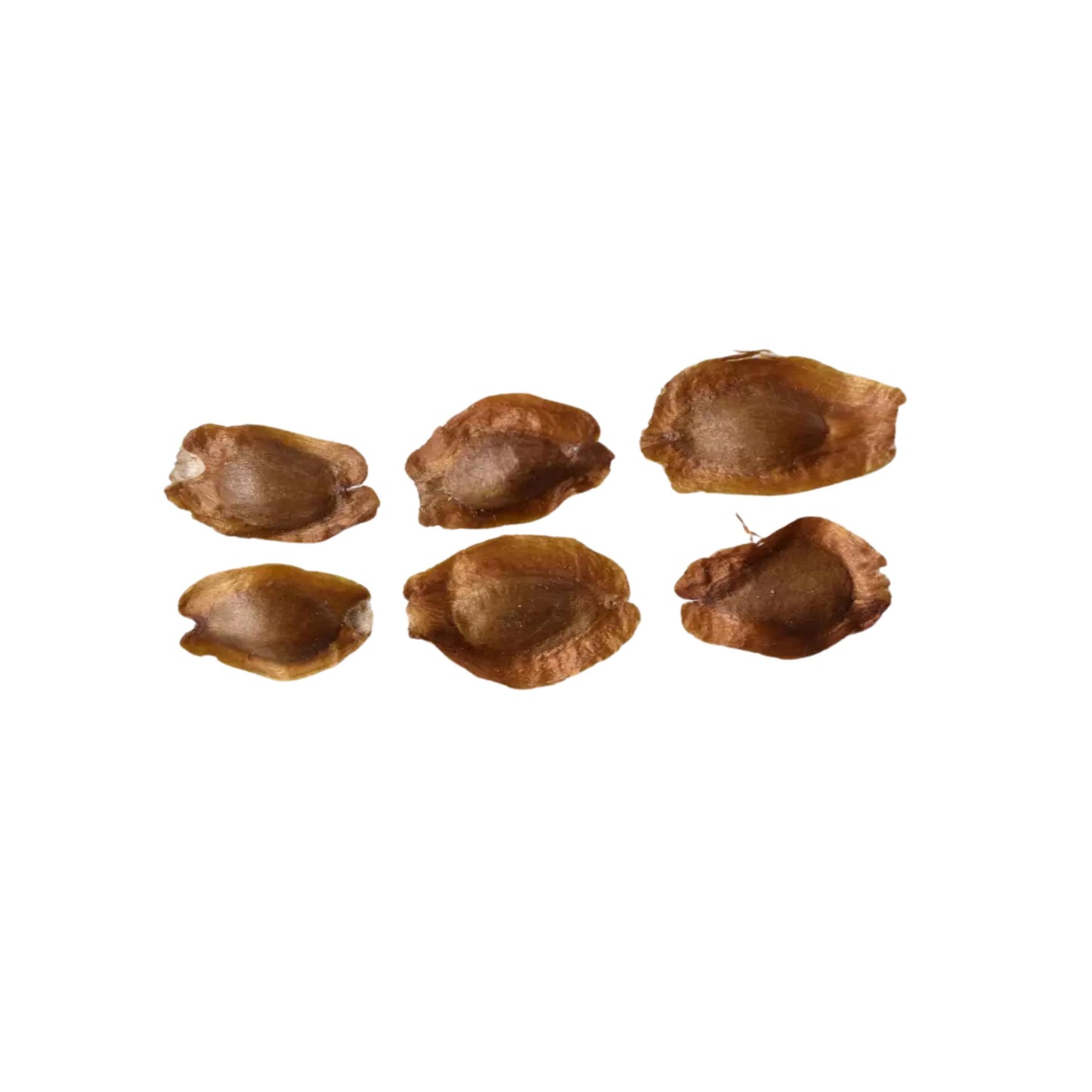
- Stratification: Required, 60 to 90 days cold moist stratification
- USDA Zones: 5 to 8
- Soil: Well-drained, moist, slightly acidic, rich in organic matter
- Light: Full sun to partial shade, best in morning sun with afternoon shade in hot climates
- Height: 25 to 40 feet in cultivation, larger in native conditions
- Spread: 15 to 20 feet
- Growth Rate: Very slow, 3 to 6 inches per year
Plant it in a prominent location where it will be visible and undisturbed for the next century. Every year it grows is irreplaceable. Treat it accordingly.
FAQ
FAQ
Do you pre-stratify the seeds?
Most of our seeds are not pre-stratified. We ship them unstratified so you can control germination timing based on your local growing season. We sell to all 50 U.S. states and Canadian provinces, and since each region has different planting windows, pre-stratifying would risk seeds germinating in transit or before you're ready to plant.
True stratification requires cold, moist conditions, which can lead to premature sprouting or mold if not timed properly. To avoid this, we store most seeds in dry cold conditions to preserve viability — but this does not initiate stratification.
Do any of your seeds need to stay moist? (Recalcitrant seeds)
Yes — some species we offer are recalcitrant, meaning they must remain moist to stay viable and cannot be dried out. Examples include: Chestnut, Hazelnut, Paw Paw, etc.
These seeds are shipped in moist cold storage and are clearly labeled on the product page when applicable. Please refrigerate immediately upon arrival and follow included care instructions.
Do you ship internationally?
We currently ship to the United States and Canada only. Unfortunately, we cannot ship to other countries without a phytosanitary certificate, which is required by most international customs agencies.
If you're interested in shipping outside North America, please contact us. Note that a phytosanitary certificate typically adds $60–$80 USD per seed type and must be arranged in advance.
Shipping & What's Included
Shipping & What's Included
Shipping & Packaging
Hand-packed in resealable zipper kraft paper seed bags
Stratification and planting instructions included with every order
1 free bonus seed pack included with every order
Ships within 3–5 business days via USPS
Return Policy
Return Policy
Due to the nature of our products, we do not accept returns on seeds.
However, if your order arrives damaged or incorrect, please contact us within 7 days and we’ll make it right.