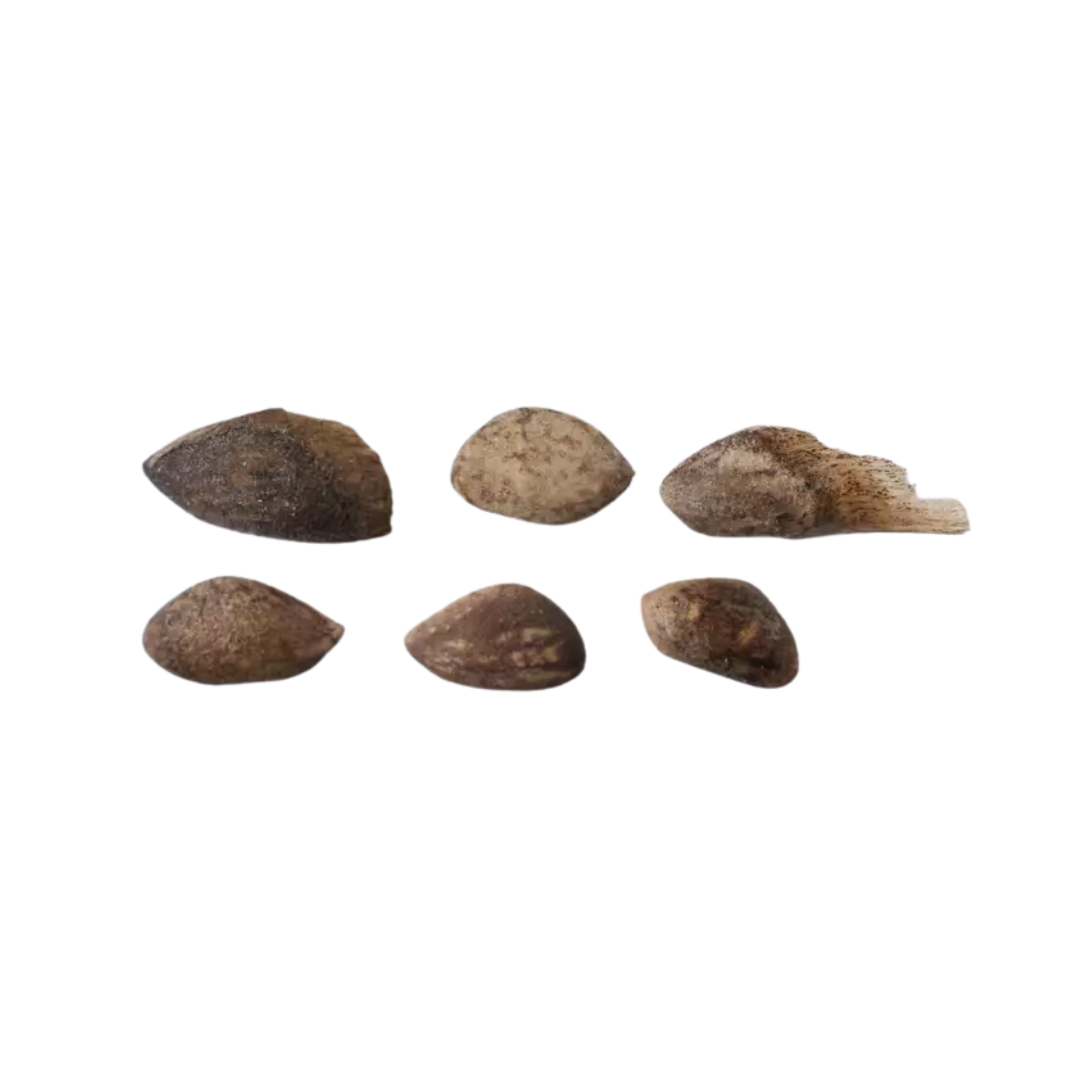


Japanese Black Pine Tree Seeds (Pinus thunbergii)
Japanese Black Pine Tree Seeds (Pinus thunbergii)
Coastal strength. Bonsai soul. A pine unlike any other.
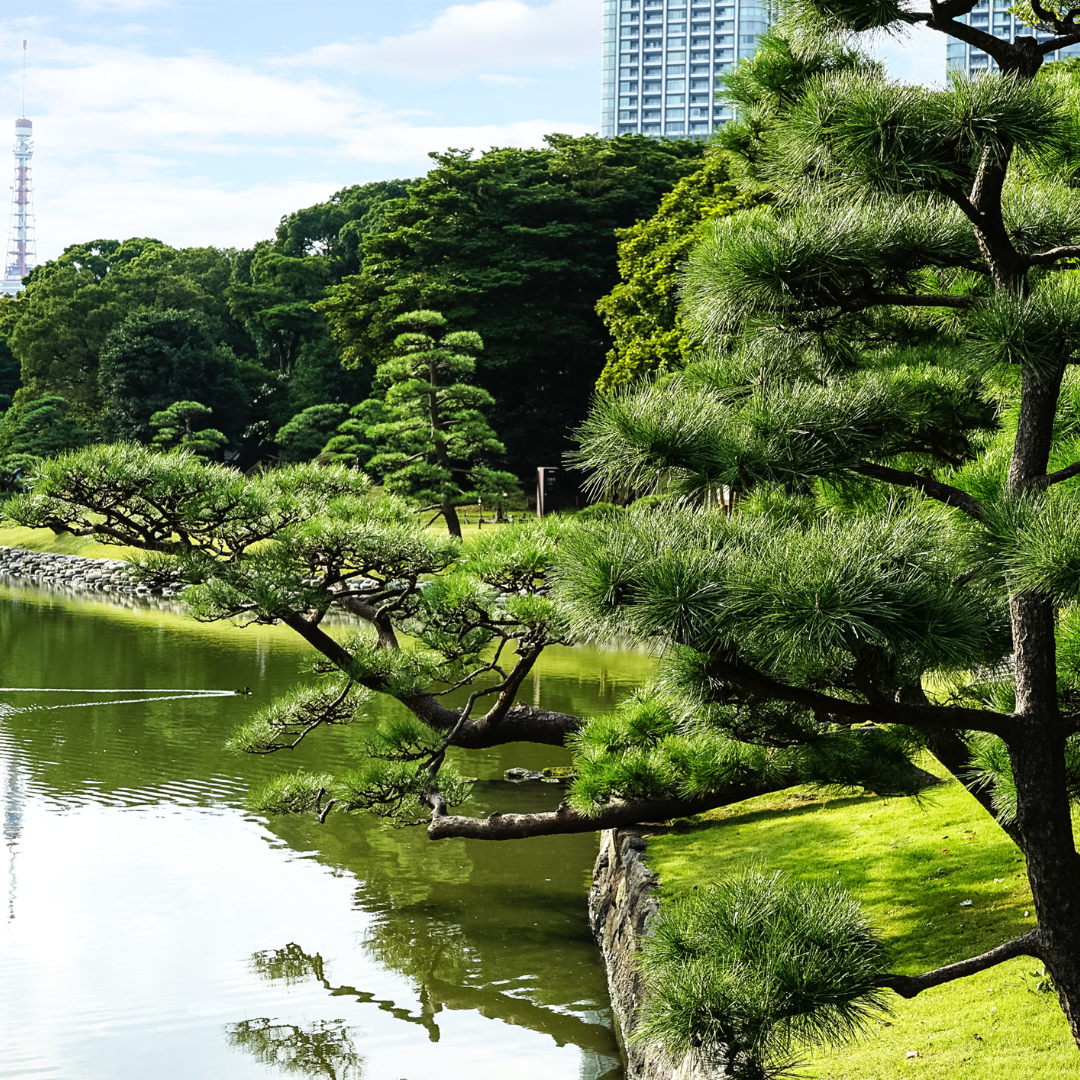
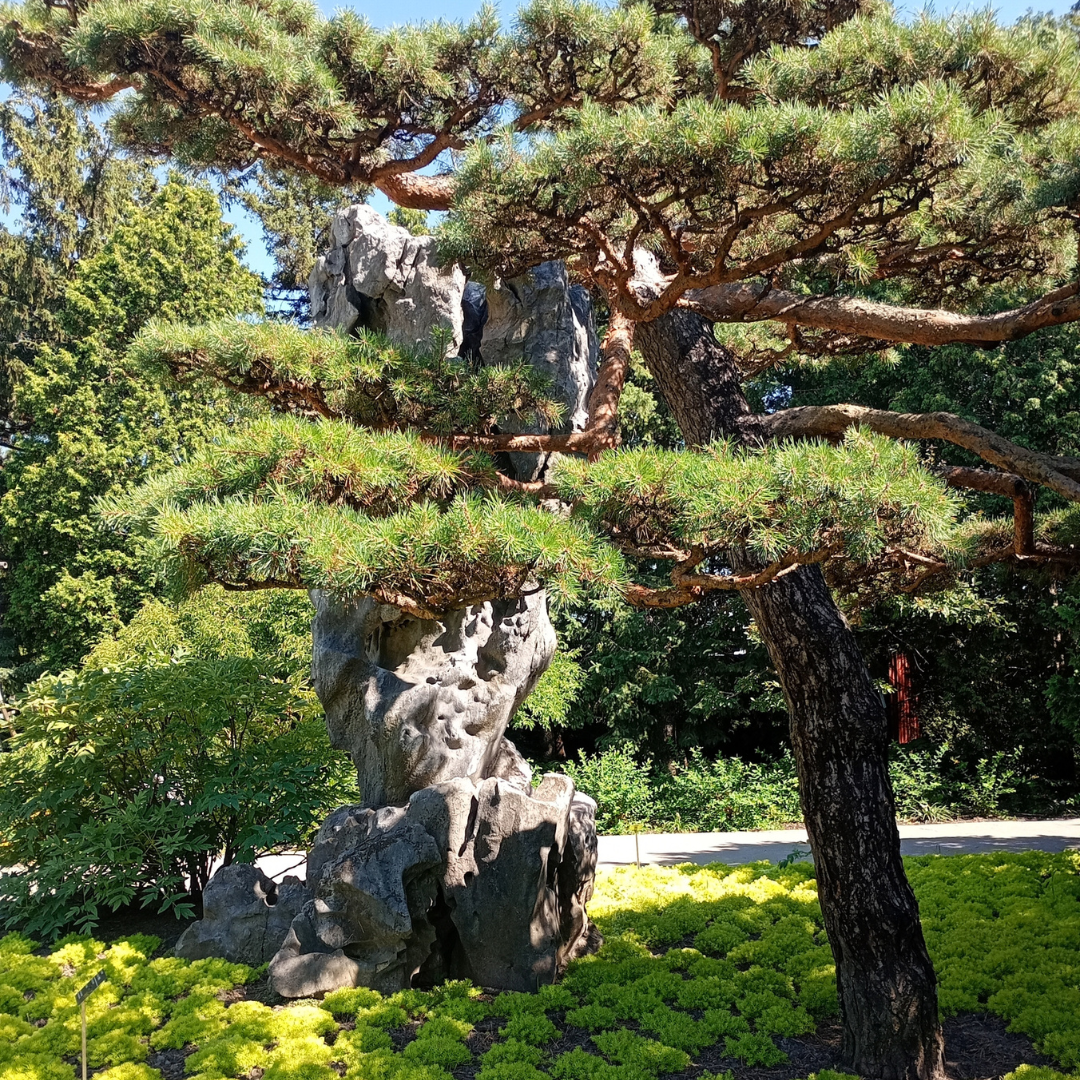
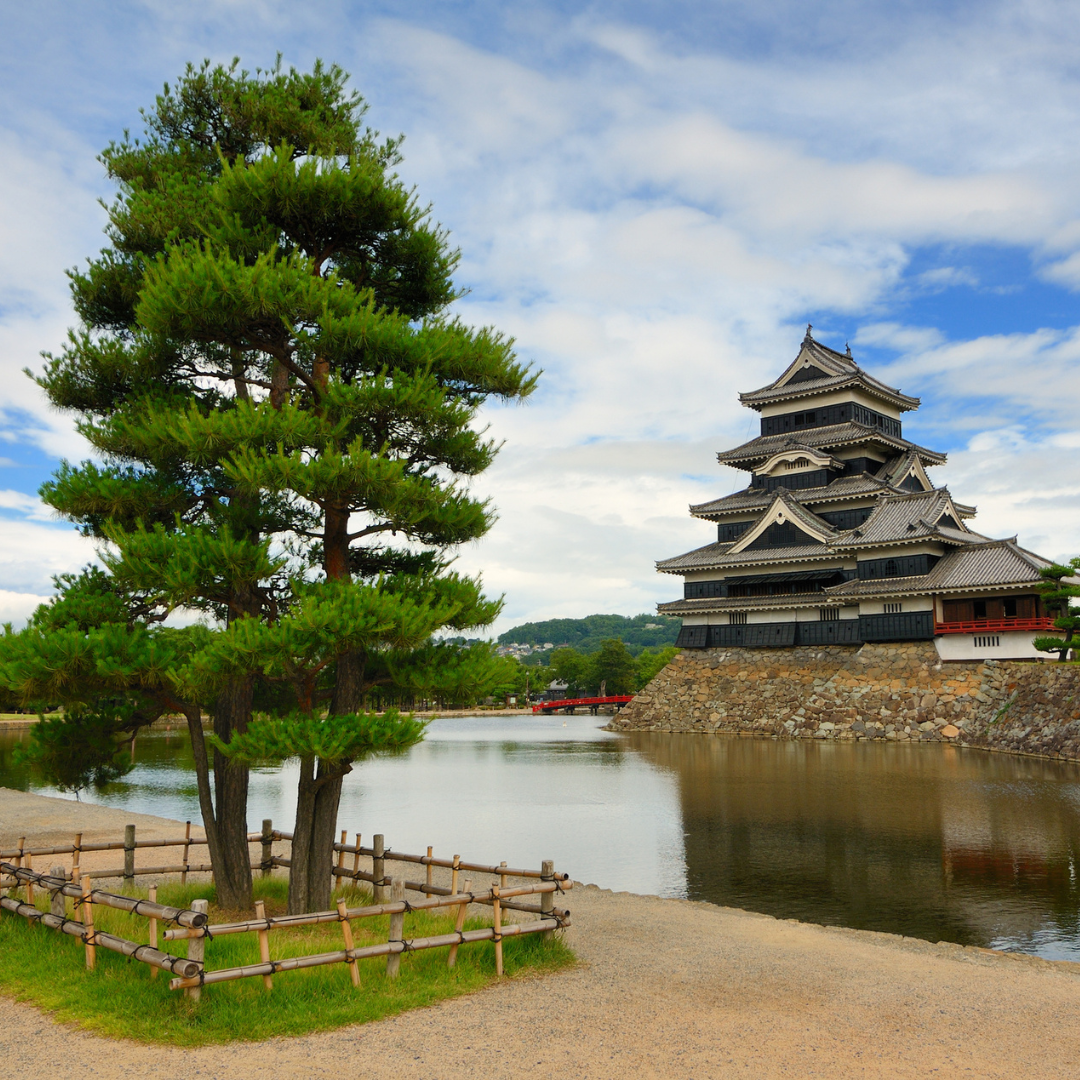
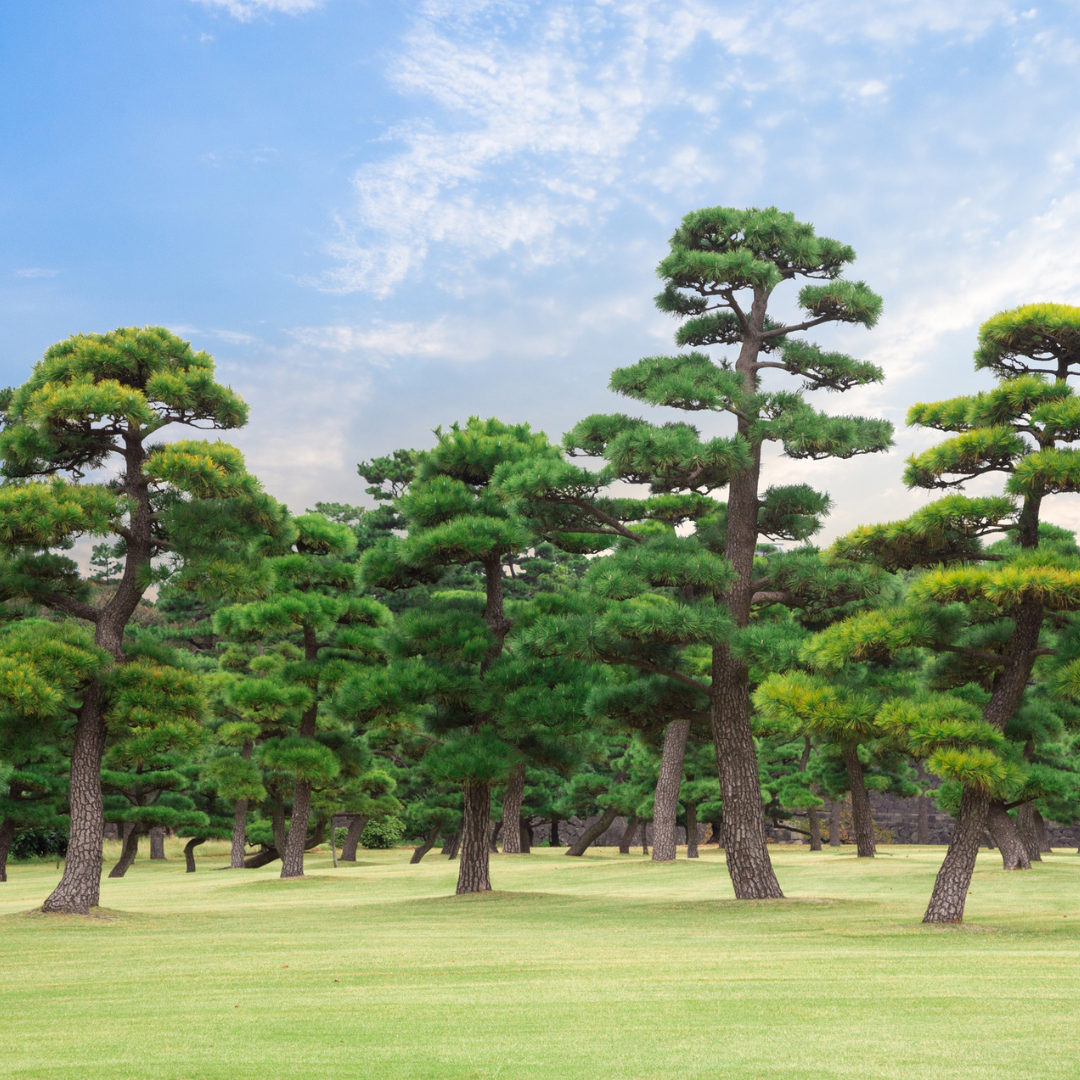
Pinus thunbergii, the Japanese Black Pine, is the most important pine in Japanese culture and one of the most striking conifers available to western growers. Its dense, dark needles, dramatically textured bark, and naturally irregular growth habit make it the defining pine of Japanese gardens, coastal landscapes, and bonsai collections worldwide. Hardy, adaptable, and highly tolerant of salt spray and wind, it has proven itself in the most exposed coastal conditions imaginable. Seed-grown specimens develop the natural character and variation that grafted nursery trees rarely achieve. If you are looking to buy Japanese Black Pine seeds or grow this pine from seed, you are beginning a relationship with a tree that rewards patience and attention over decades.
- Dramatic dark needles and irregular growth habit prized in Japanese garden design for centuries
- Exceptionally salt-tolerant, one of the best conifers for coastal planting and seaside windbreaks
- The most widely used pine species in traditional bonsai cultivation worldwide
- Naturally develops rugged, textured bark with character that takes decades to achieve in other species
- Adaptable to poor, sandy, or rocky soils and highly exposed sites
Things you probably did not know about the Japanese Black Pine
It is the pine that defines the Japanese coastline.
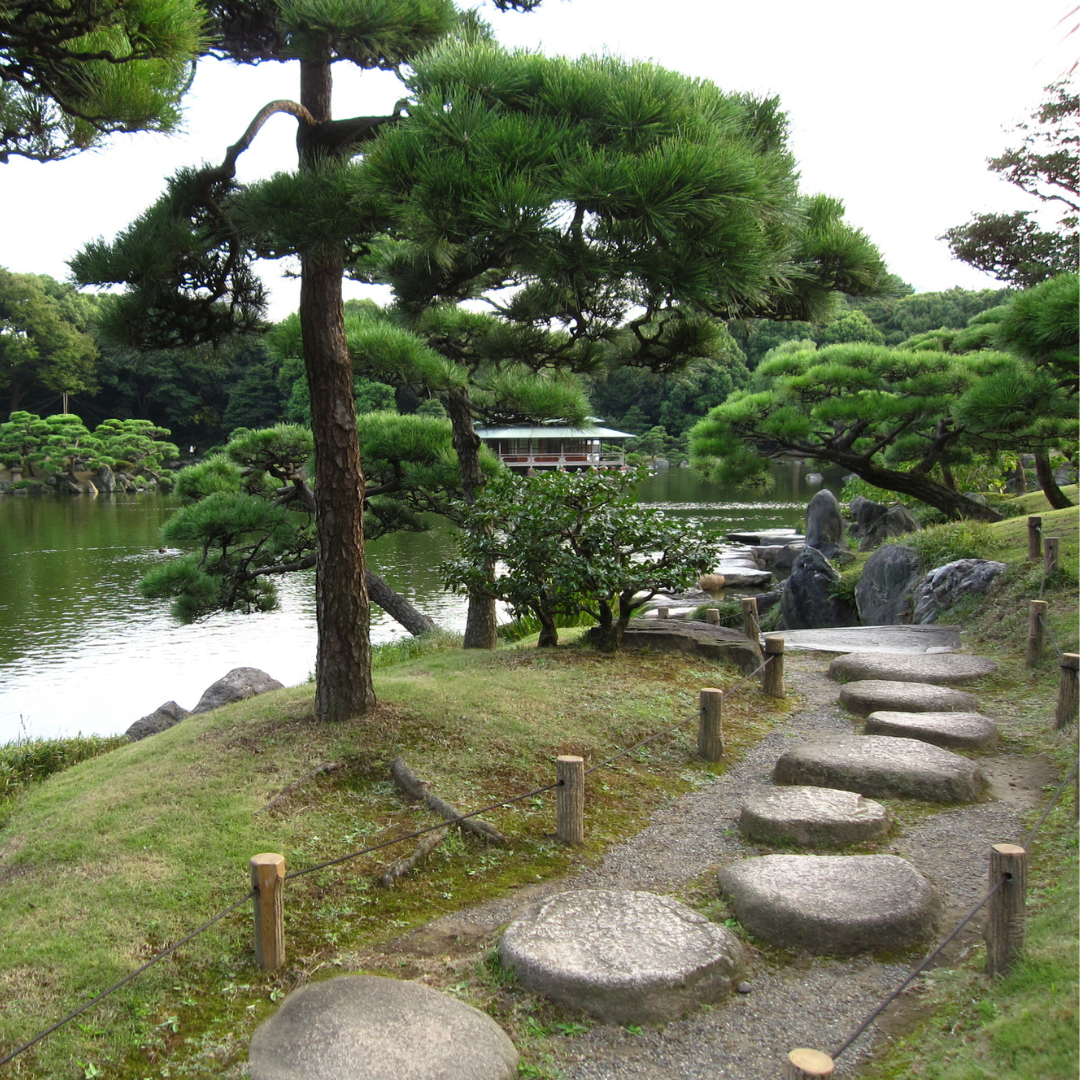
Groves of Japanese Black Pine planted along the Japanese coast over centuries serve as windbreaks protecting villages and rice fields from typhoon winds and salt spray. The silhouette of windswept Black Pines against a gray sea is one of the most recognized images in Japanese art and landscape painting.
Bonsai masters spend entire careers on a single tree.
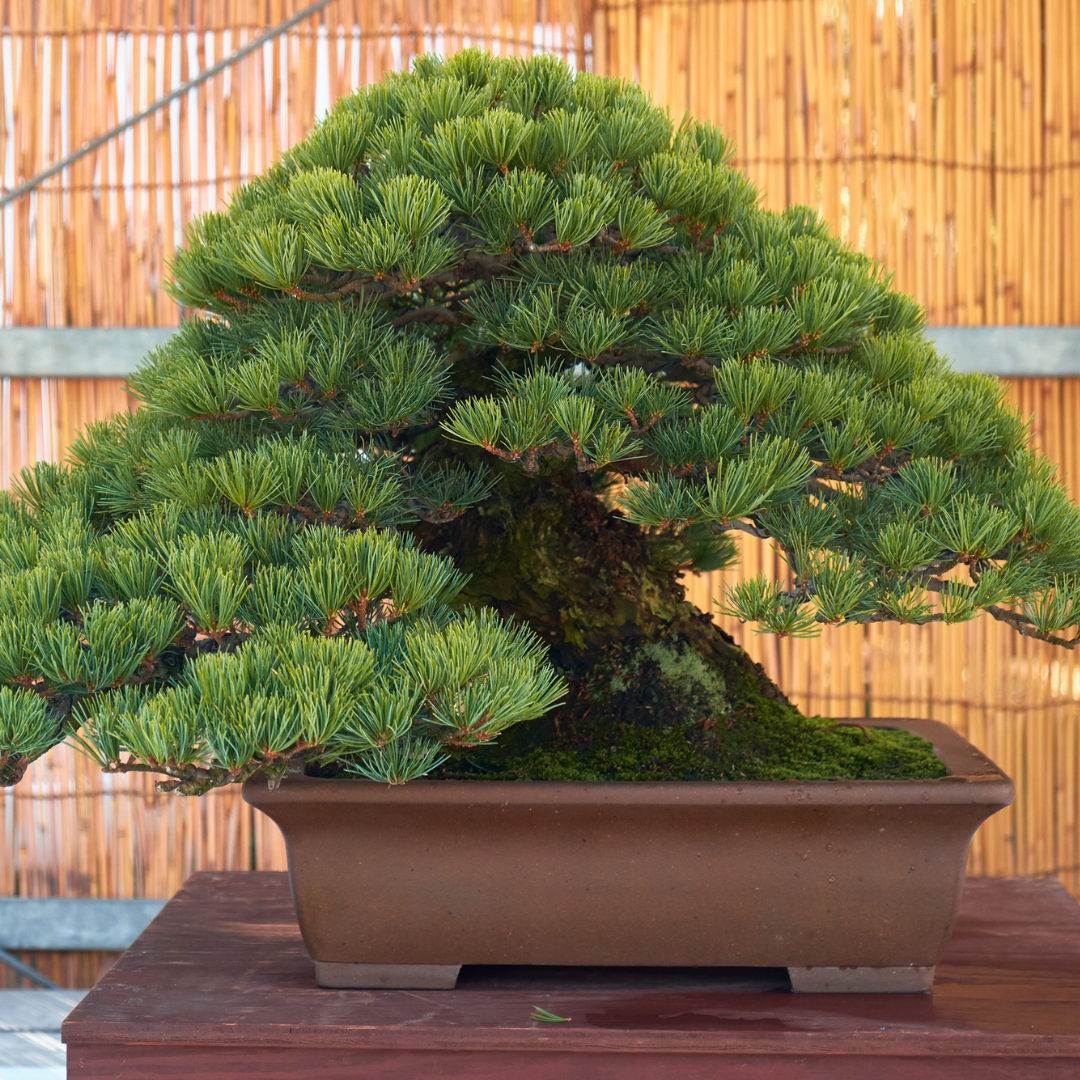
Japanese Black Pine bonsai require specific summer and winter care techniques that have been refined and passed down through generations of practitioners. A well-developed Black Pine bonsai represents hundreds of hours of accumulated skill and is among the most respected art forms in Japanese culture. Some specimens in major collections are over 200 years old.
It hybridizes naturally with other pines.
Japanese Black Pine crosses readily with Japanese Red Pine to produce Pinus densiflora x thunbergii, a hybrid sometimes used in coastal plantings. Seed-grown specimens from wild-collected seeds occasionally show hybrid characteristics, adding to the natural variation that makes growing from seed rewarding.
The candles are a key feature in bonsai technique.
The new spring growth of Japanese Black Pine emerges as elongated buds called candles. Bonsai practitioners remove or cut these candles at precise times to control growth, ramification, and needle length. Mastering candle work is considered one of the foundational skills of pine bonsai.
Growing Details
- Botanical Name: Pinus thunbergii
- Stratification: Recommended, 30 to 60 days cold stratification
- USDA Zones: 5 to 9
- Soil: Well-drained, sandy, tolerates poor and rocky soils
- Light: Full sun
- Height: 20 to 80 feet depending on conditions
- Spread: 20 to 40 feet
- Growth Rate: Moderate, 1 to 2 feet per year
Grow it in the ground for a coastal windbreak or in a pot for a lifetime of creative engagement. Either way, this pine is a commitment worth making.
FAQ
FAQ
Do you pre-stratify the seeds?
Most of our seeds are not pre-stratified. We ship them unstratified so you can control germination timing based on your local growing season. We sell to all 50 U.S. states and Canadian provinces, and since each region has different planting windows, pre-stratifying would risk seeds germinating in transit or before you're ready to plant.
True stratification requires cold, moist conditions, which can lead to premature sprouting or mold if not timed properly. To avoid this, we store most seeds in dry cold conditions to preserve viability — but this does not initiate stratification.
Do any of your seeds need to stay moist? (Recalcitrant seeds)
Yes — some species we offer are recalcitrant, meaning they must remain moist to stay viable and cannot be dried out. Examples include: Chestnut, Hazelnut, Paw Paw, etc.
These seeds are shipped in moist cold storage and are clearly labeled on the product page when applicable. Please refrigerate immediately upon arrival and follow included care instructions.
Do you ship internationally?
We currently ship to the United States and Canada only. Unfortunately, we cannot ship to other countries without a phytosanitary certificate, which is required by most international customs agencies.
If you're interested in shipping outside North America, please contact us. Note that a phytosanitary certificate typically adds $60–$80 USD per seed type and must be arranged in advance.
Shipping & What's Included
Shipping & What's Included
Shipping & Packaging
Hand-packed in resealable zipper kraft paper seed bags
Stratification and planting instructions included with every order
1 free bonus seed pack included with every order
Ships within 3–5 business days via USPS
Return Policy
Return Policy
Due to the nature of our products, we do not accept returns on seeds.
However, if your order arrives damaged or incorrect, please contact us within 7 days and we’ll make it right.