

Honeycrisp Apple Tree Seeds | (Malus domestica)
Honeycrisp Apple Tree Seeds | (Malus domestica)
The apple that changed everything. Now yours to grow from seed.
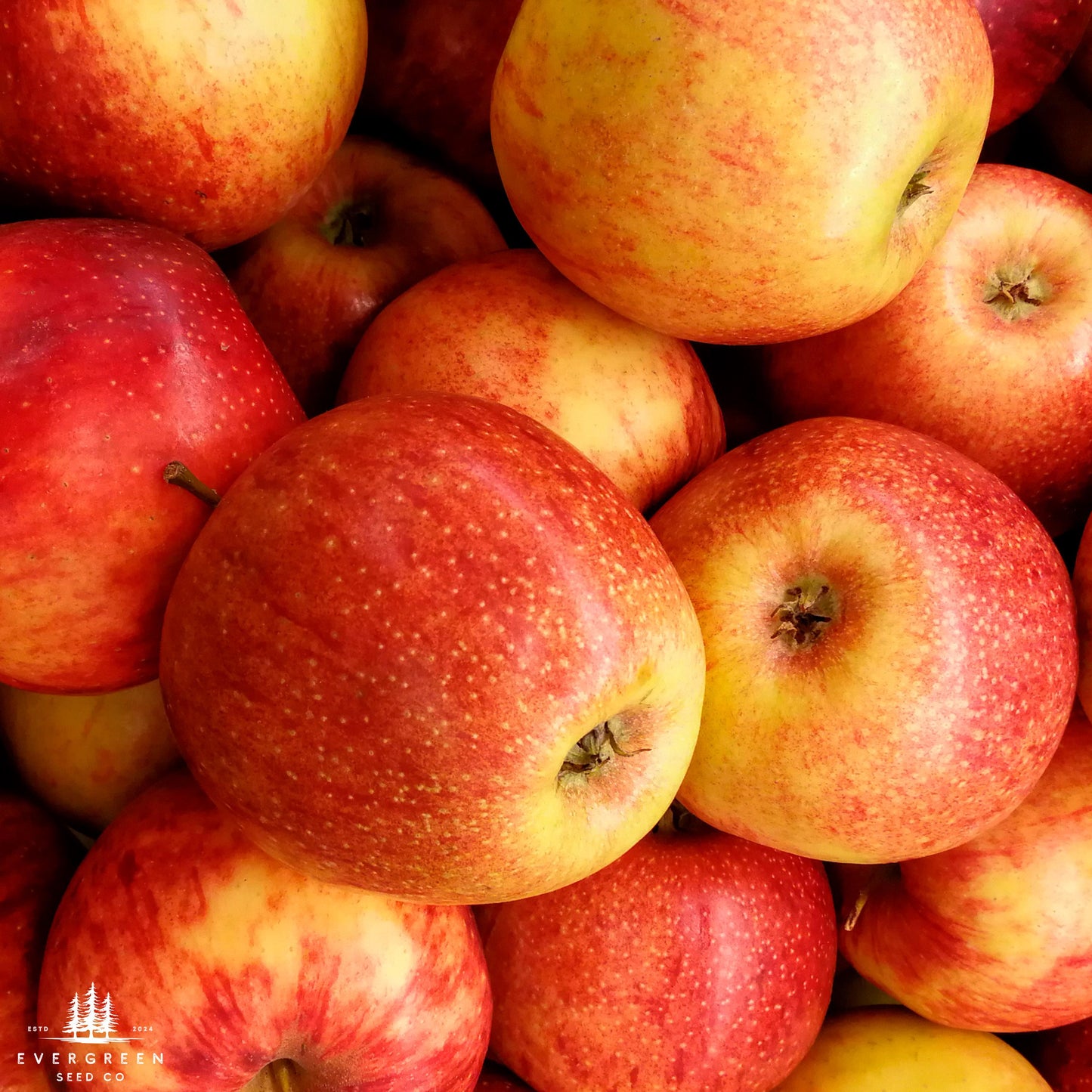
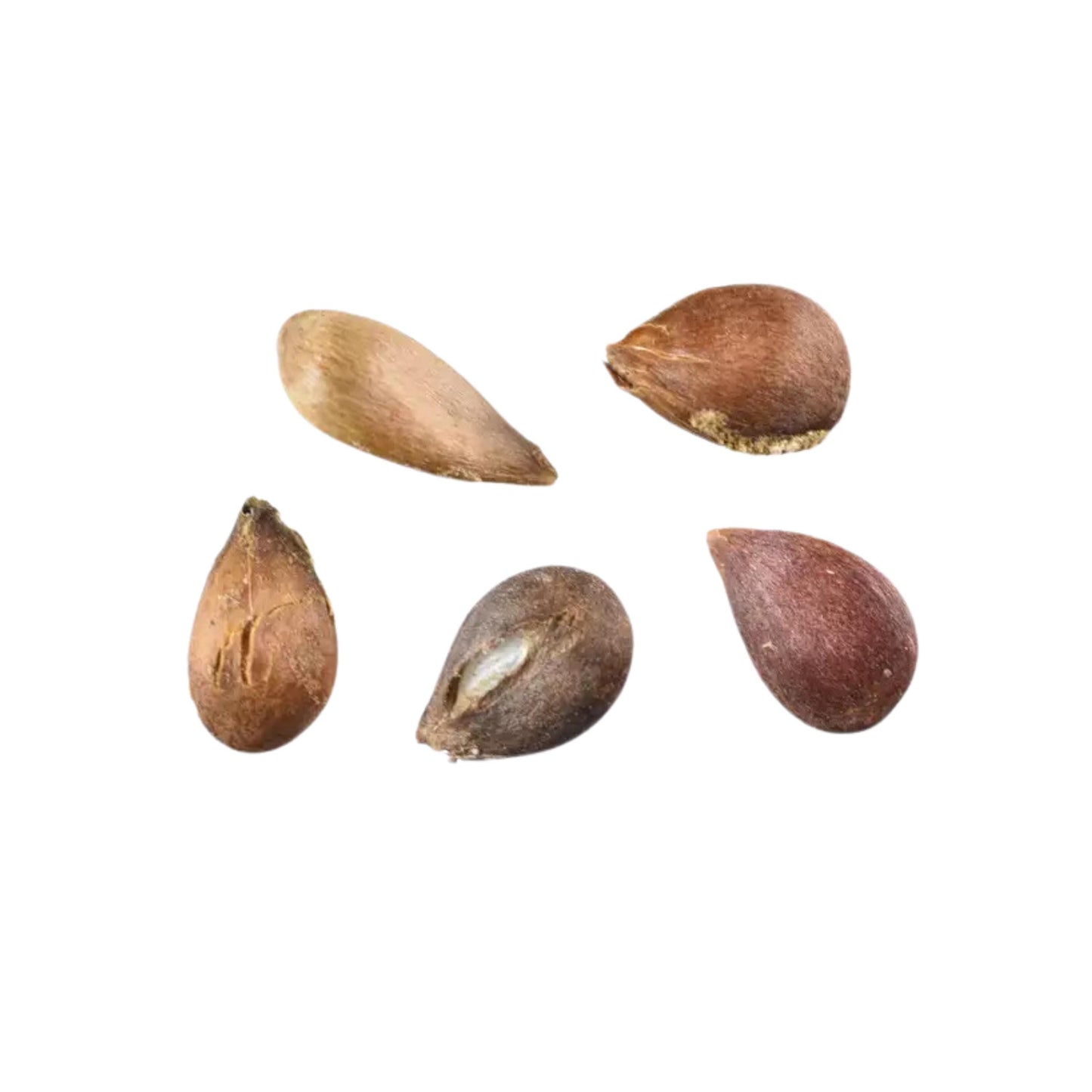
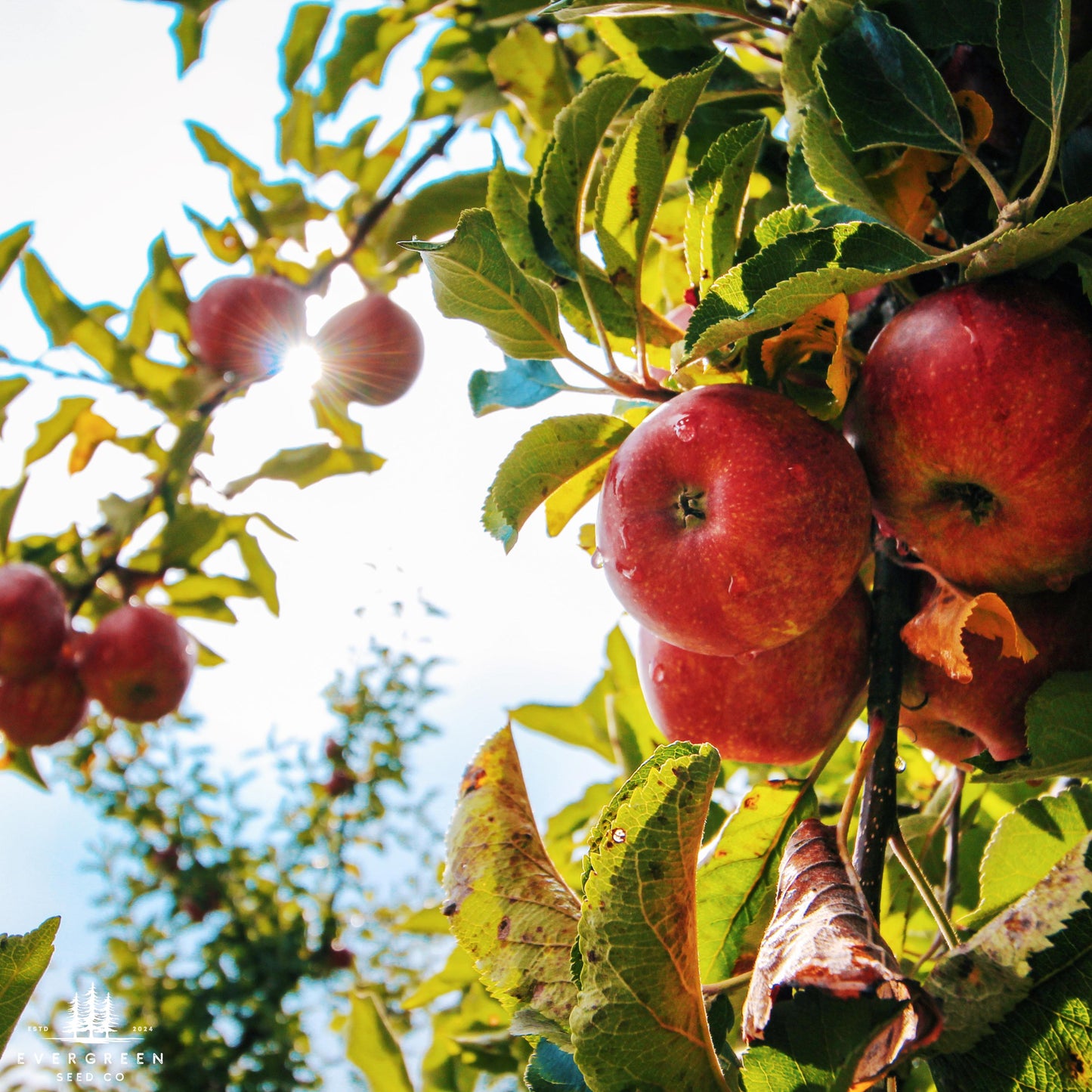
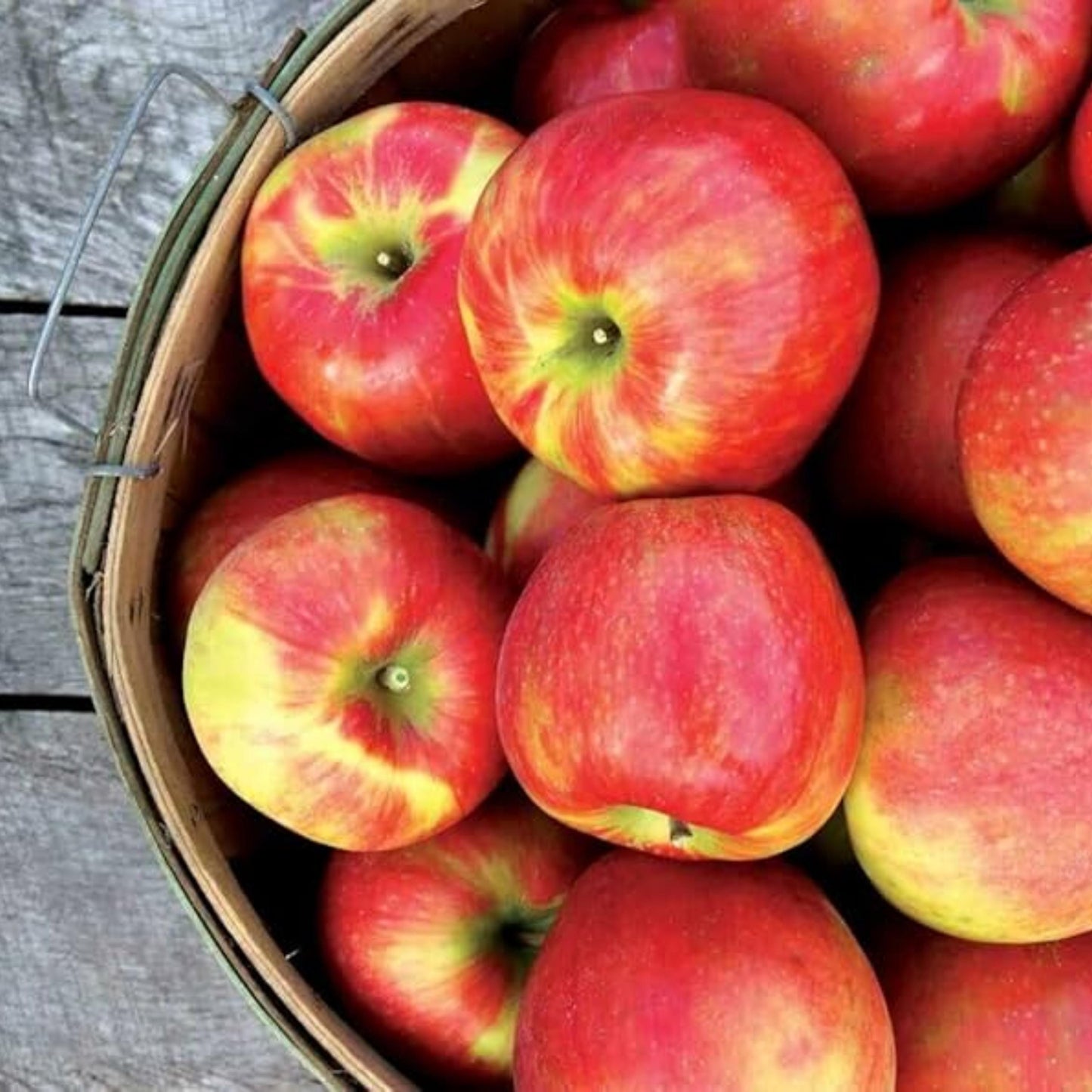
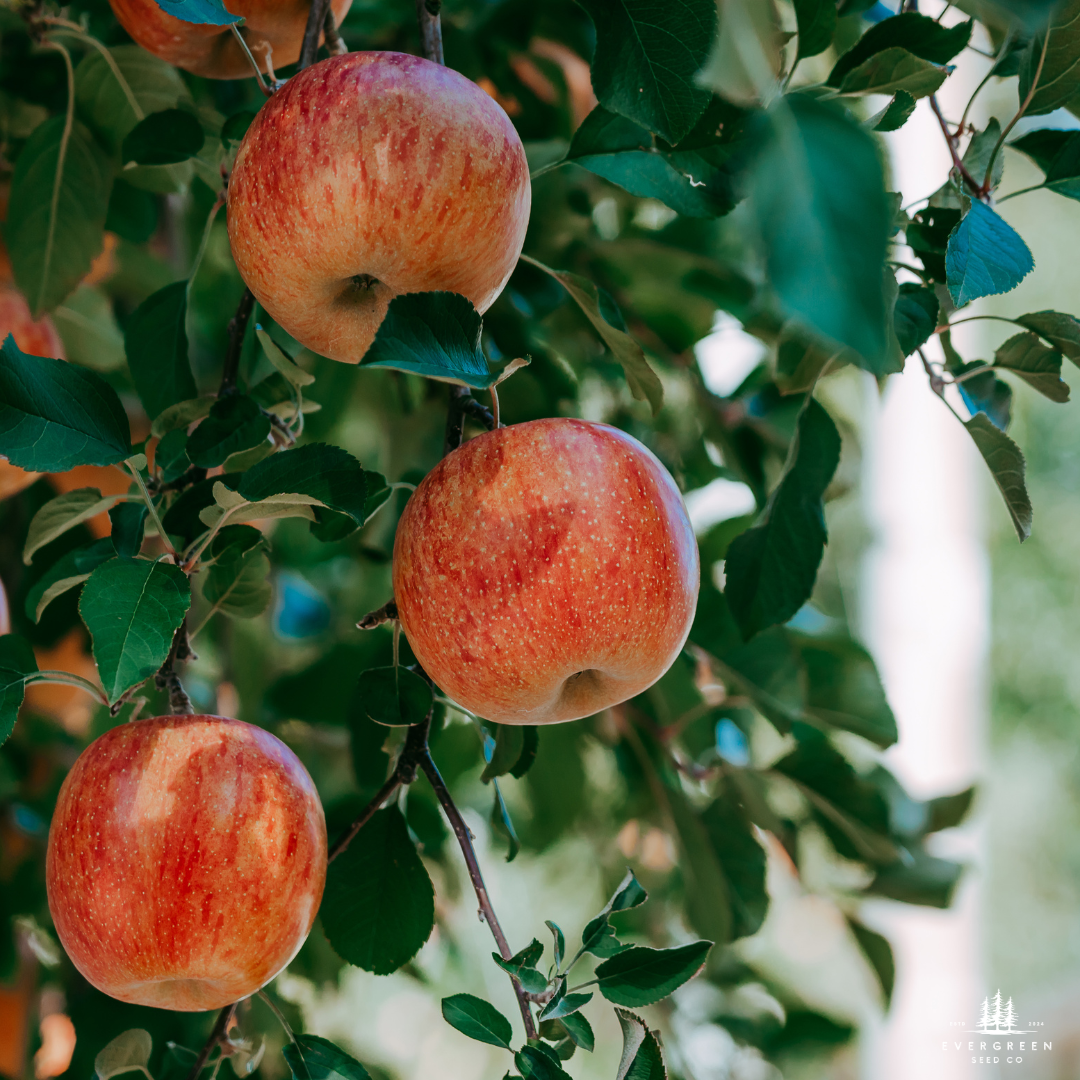
Malus domestica, the Honeycrisp Apple, is the apple that fundamentally changed what American consumers expected from an apple. Developed at the University of Minnesota and released in 1991 after decades of breeding work, it combined extraordinary crispness, a distinctive sweet-tart flavor balance, and a texture unlike any apple that had come before it. Within twenty years it became the most sought-after apple variety in the country and transformed the premium apple market. Growing Honeycrisp from seed will not reproduce the exact commercial variety, which is propagated by grafting, but seed-grown trees carry Honeycrisp genetics and produce fruit with natural variation that occasionally yields something exceptional and entirely your own. If you are looking to buy Honeycrisp Apple seeds or grow apple trees from seed, this is the starting point for your own breeding story.
- Carries the genetics of one of the most successful apple breeding achievements in American horticultural history
- Seed-grown trees produce natural variation in fruit flavor, texture, and color across the apple spectrum
- Cold-hardy Minnesota breeding produces trees adapted to northern climates where other apple varieties struggle
- Each seed-grown apple tree is genetically unique, potentially producing fruit found nowhere else in the world
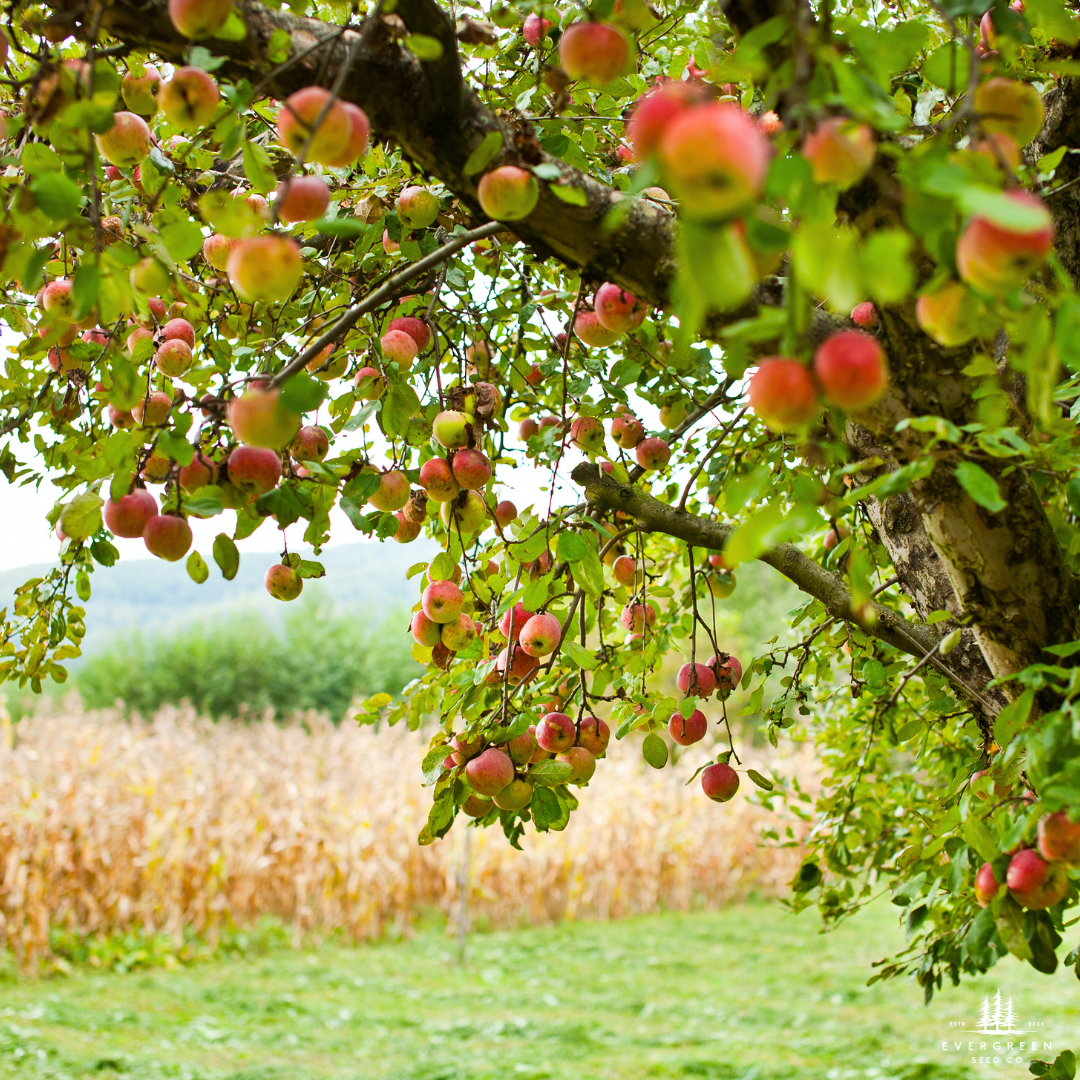
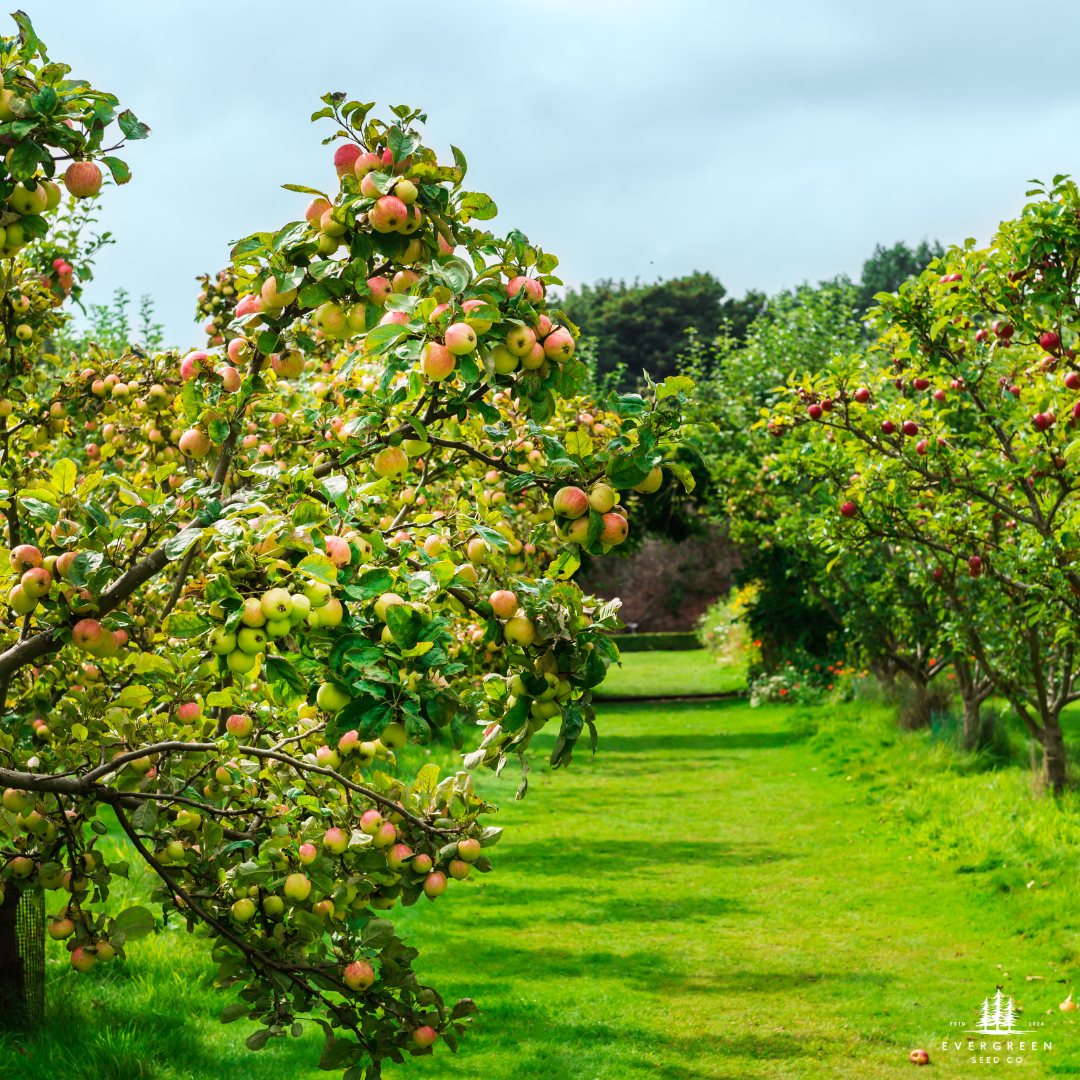
- Productive backyard orchard tree requiring standard apple growing conditions
Things you probably did not know about the Honeycrisp Apple
It was nearly abandoned before release. The University of Minnesota breeding program that developed the Honeycrisp almost dropped it from consideration in the 1970s because early evaluations were not uniformly positive. A few researchers advocated for keeping it in the program. Had they not, one of the most successful apple varieties in American history would never have existed.
The crisp texture comes from unusually large cells. Honeycrisp apples have larger cells than most other apple varieties. When you bite through one, more cells rupture simultaneously, releasing more juice at once and creating the explosive crispness that defines the eating experience. This is a structural characteristic at the cellular level that was selected for through breeding and is one of the things that makes Honeycrisp genuinely different from other apples.
Apple seeds do not breed true. Every apple seed contains a unique combination of genetics from both parent trees. Planting a Honeycrisp seed will produce a tree, but the fruit it eventually bears will be its own variety, distinct from Honeycrisp. Some of the most beloved apple varieties in existence, including Cortland, Fuji, and Gala, were discovered as accidental seedlings. Every apple seed is a potential new variety.
The Honeycrisp premium changed the economics of the entire apple industry. Before Honeycrisp, apples sold for roughly uniform commodity prices. Honeycrisp demonstrated that consumers would pay two to three times more for a genuinely superior apple. This changed how the entire industry thought about variety development and premium fruit marketing. The apple breeding programs at universities across the country shifted significantly in response.
Growing Details
- Botanical Name: Malus domestica
- Stratification: Required, 60 to 90 days cold moist stratification
- USDA Zones: 3 to 8
- Soil: Well-drained, fertile, slightly acidic
- Light: Full sun
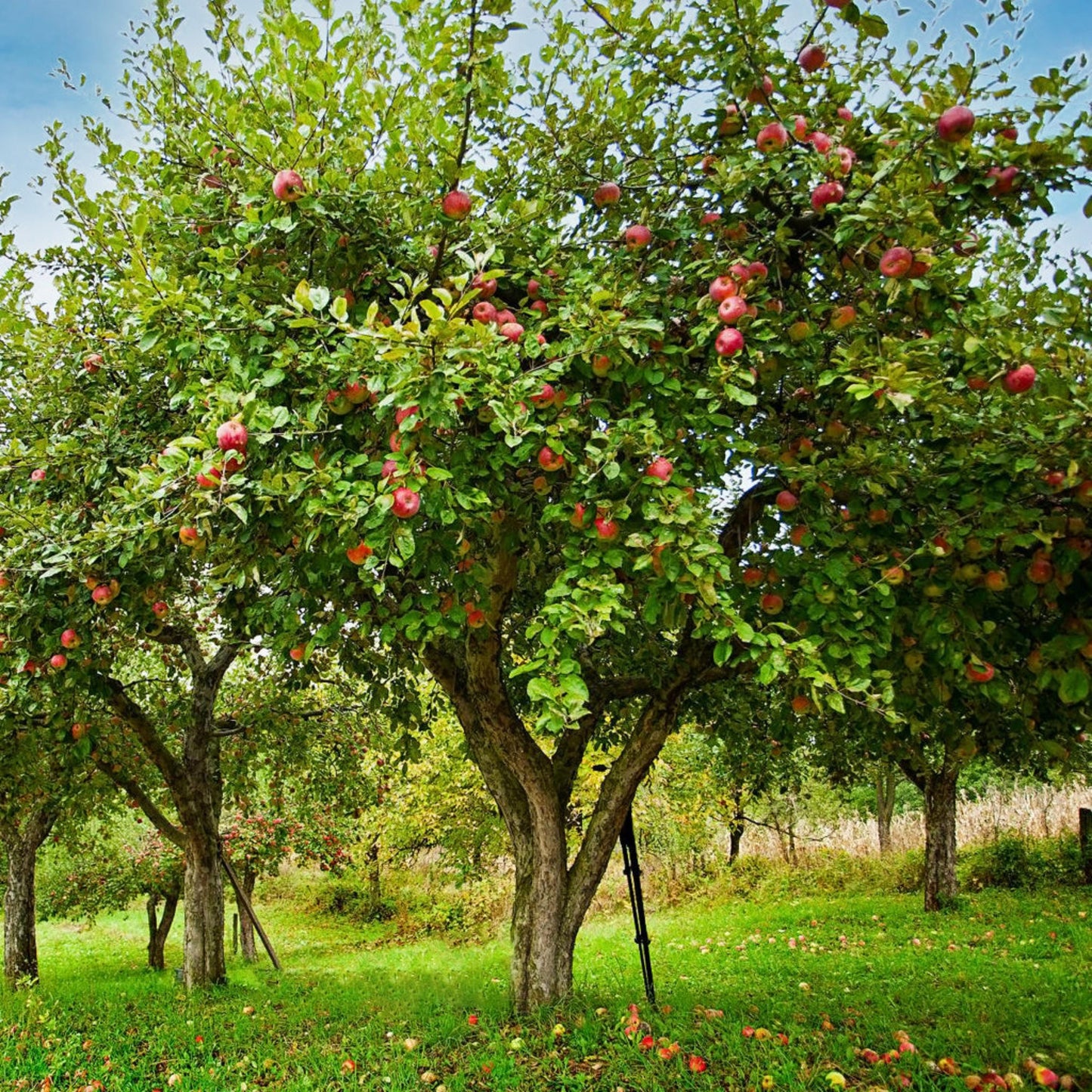
- Height: 15 to 25 feet standard, smaller on dwarfing rootstocks
- Spread: 15 to 20 feet
- Growth Rate: Moderate, 1 to 2 feet per year
Plant it knowing the fruit it produces will be its own. You might grow the next great apple variety. You will definitely grow something no one else has.
FAQ
FAQ
Do you pre-stratify the seeds?
Most of our seeds are not pre-stratified. We ship them unstratified so you can control germination timing based on your local growing season. We sell to all 50 U.S. states and Canadian provinces, and since each region has different planting windows, pre-stratifying would risk seeds germinating in transit or before you're ready to plant.
True stratification requires cold, moist conditions, which can lead to premature sprouting or mold if not timed properly. To avoid this, we store most seeds in dry cold conditions to preserve viability — but this does not initiate stratification.
Do any of your seeds need to stay moist? (Recalcitrant seeds)
Yes — some species we offer are recalcitrant, meaning they must remain moist to stay viable and cannot be dried out. Examples include: Chestnut, Hazelnut, Paw Paw, etc.
These seeds are shipped in moist cold storage and are clearly labeled on the product page when applicable. Please refrigerate immediately upon arrival and follow included care instructions.
Do you ship internationally?
We currently ship to the United States and Canada only. Unfortunately, we cannot ship to other countries without a phytosanitary certificate, which is required by most international customs agencies.
If you're interested in shipping outside North America, please contact us. Note that a phytosanitary certificate typically adds $60–$80 USD per seed type and must be arranged in advance.
Shipping & What's Included
Shipping & What's Included
Shipping & Packaging
Hand-packed in resealable zipper kraft paper seed bags
Stratification and planting instructions included with every order
1 free bonus seed pack included with every order
Ships within 3–5 business days via USPS
Return Policy
Return Policy
Due to the nature of our products, we do not accept returns on seeds.
However, if your order arrives damaged or incorrect, please contact us within 7 days and we’ll make it right.