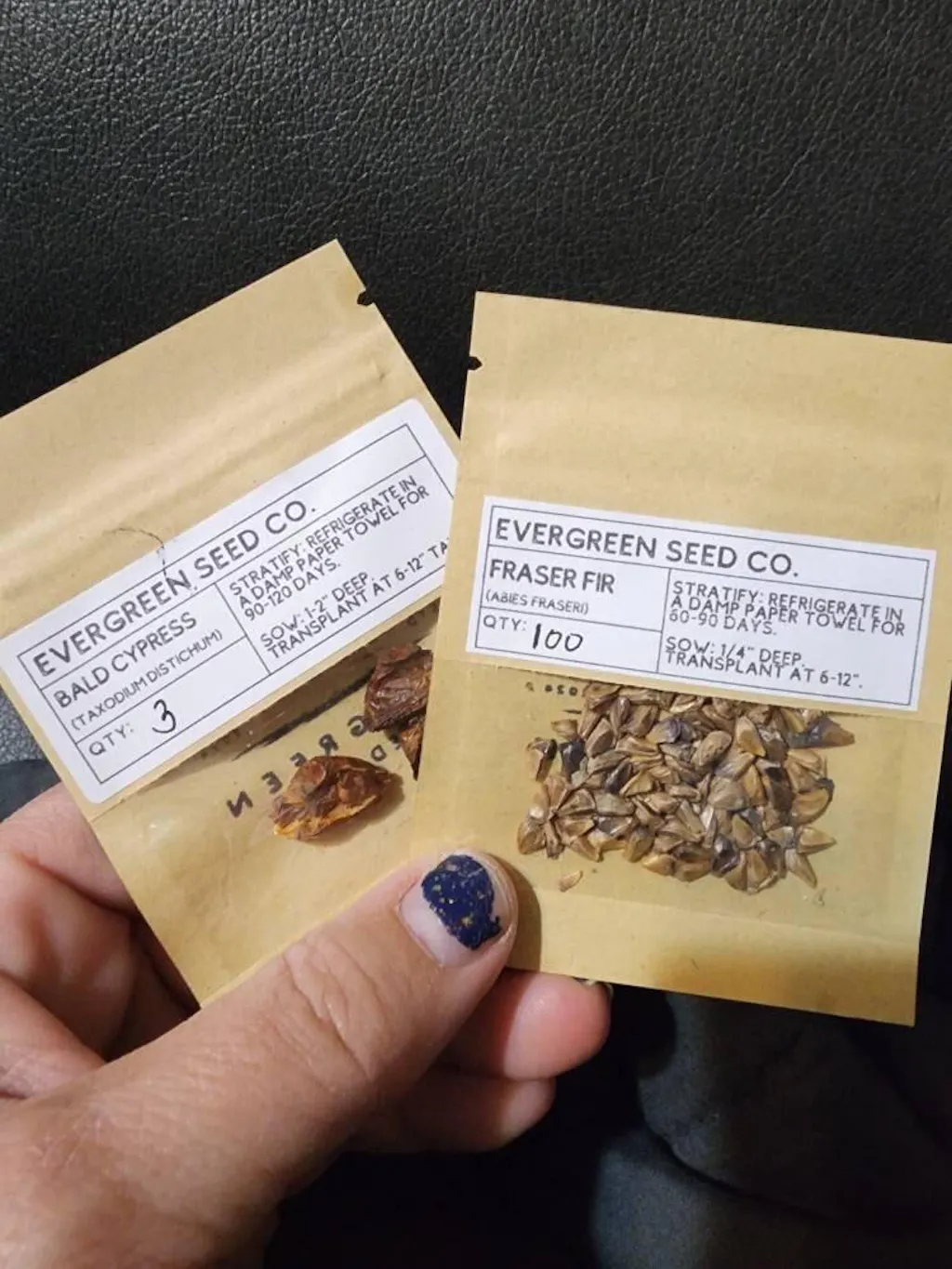


Fraser Fir Tree Seeds-(Abies fraseri)
Fraser Fir Tree Seeds-(Abies fraseri)
The mountain monarch. The Christmas tree that smells like the Appalachians.
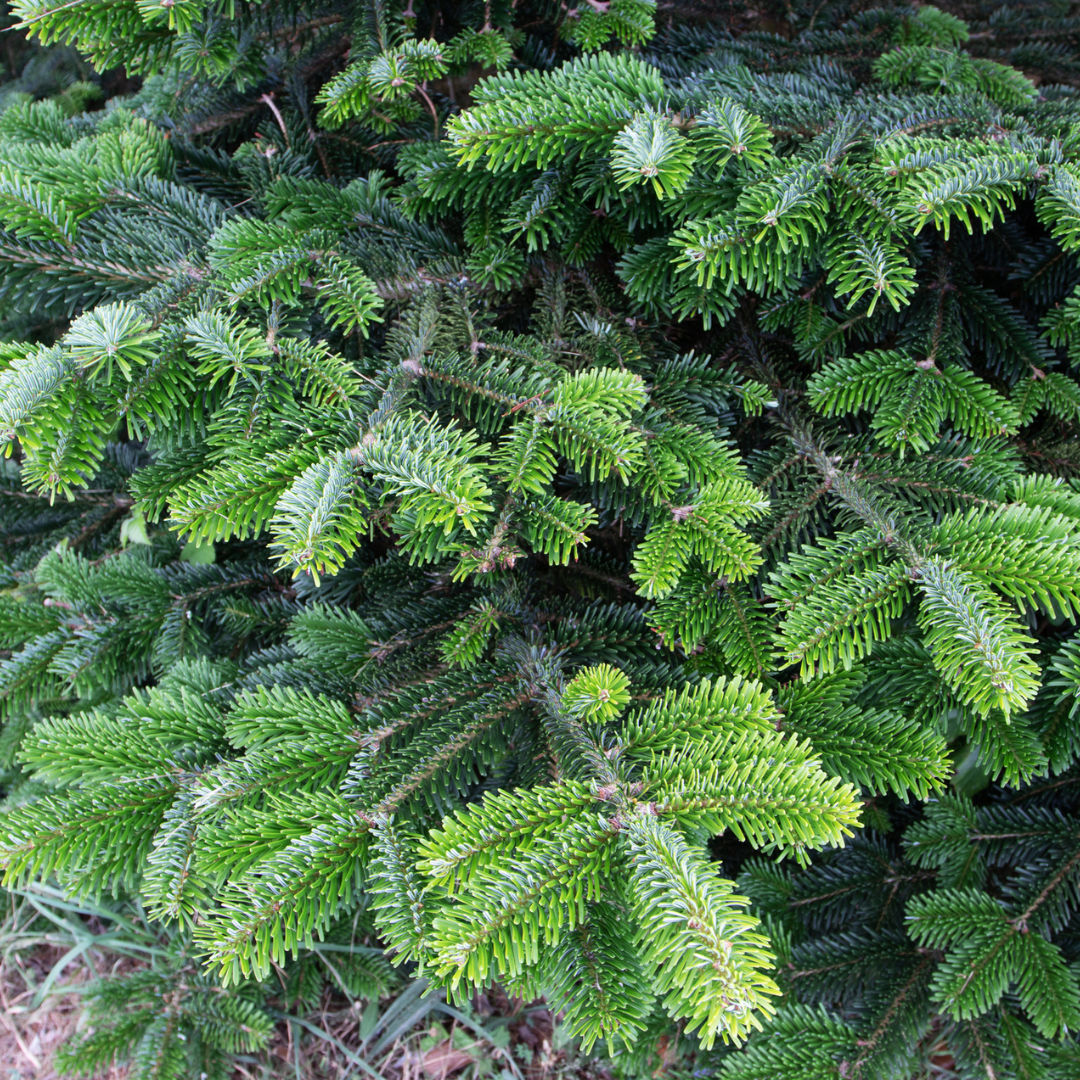
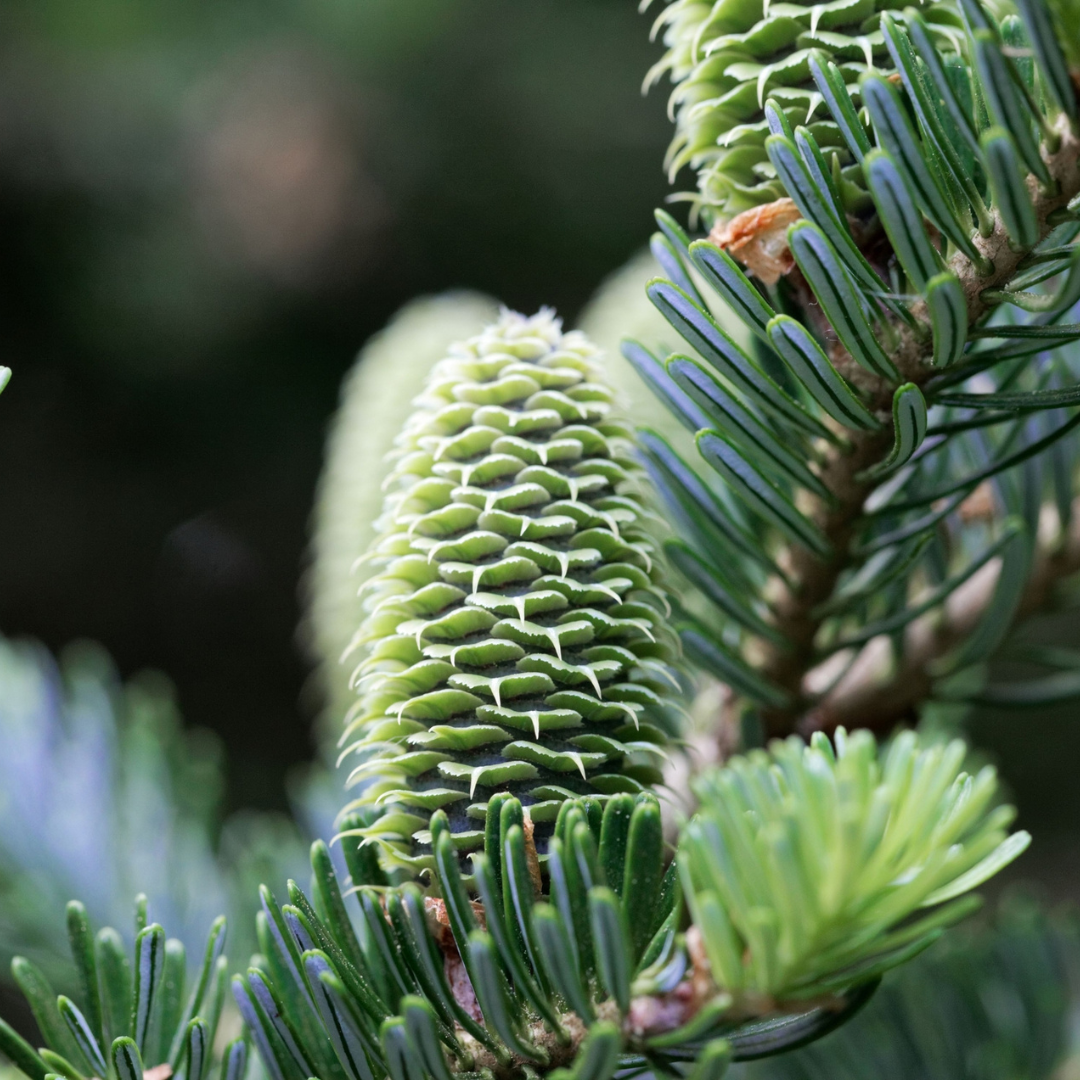
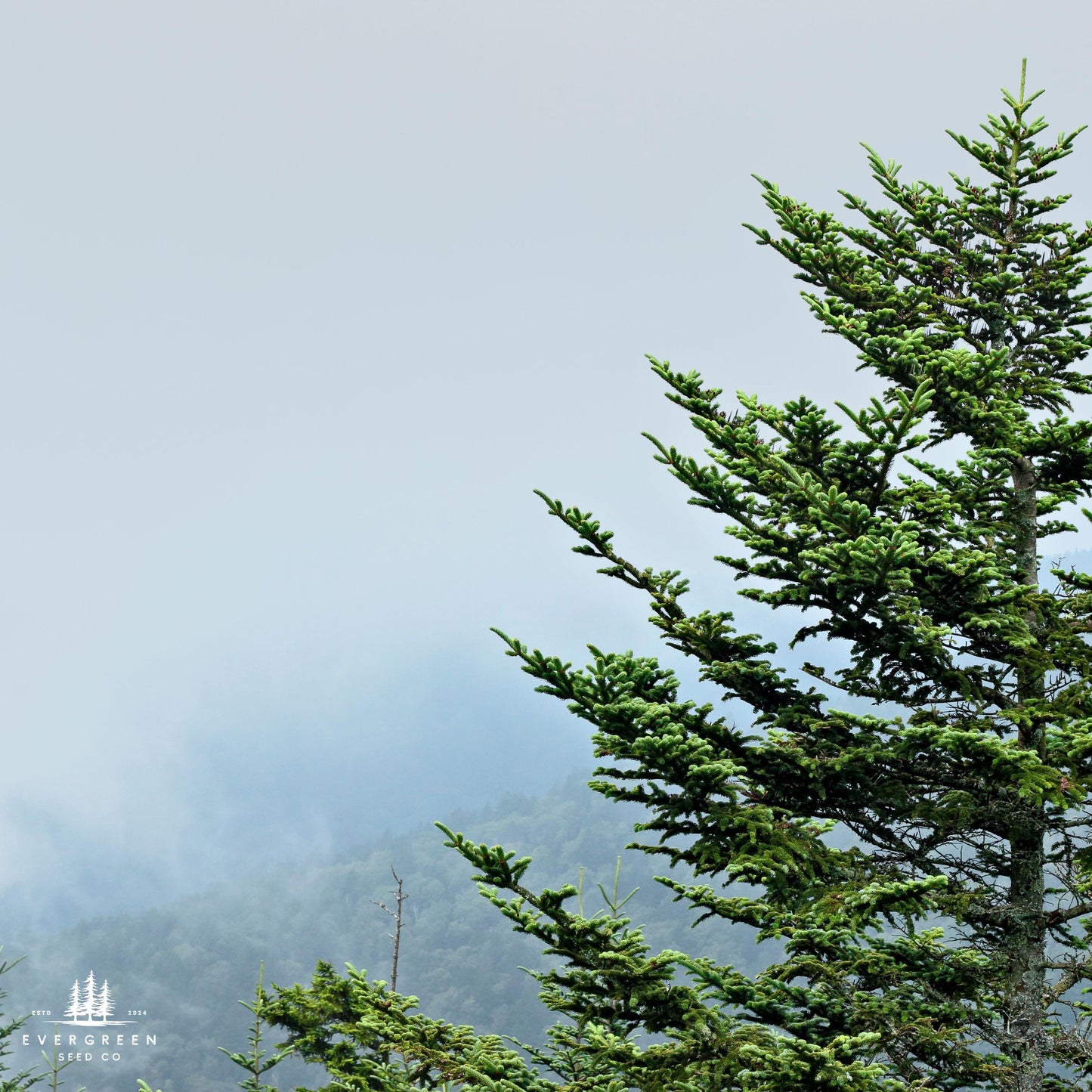
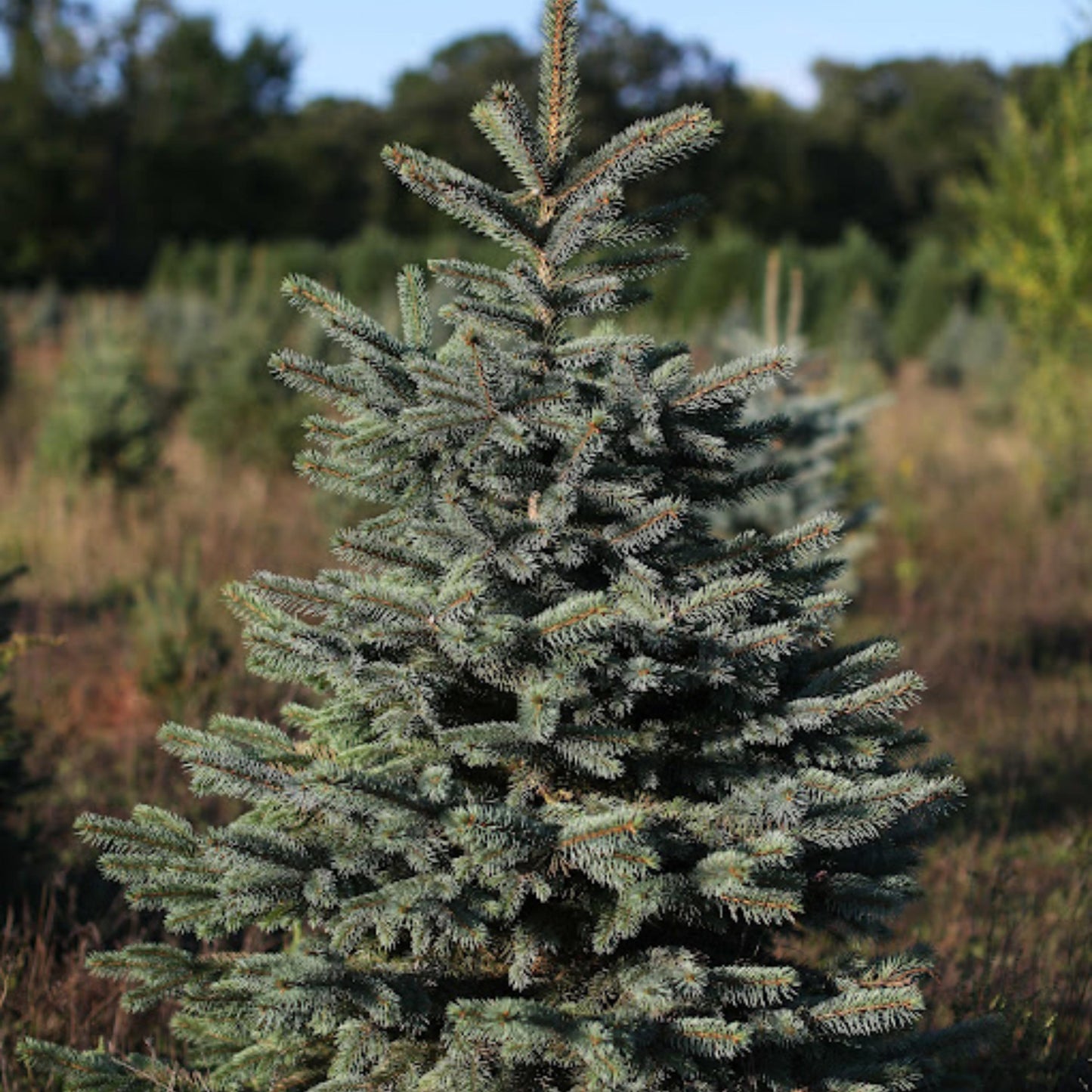
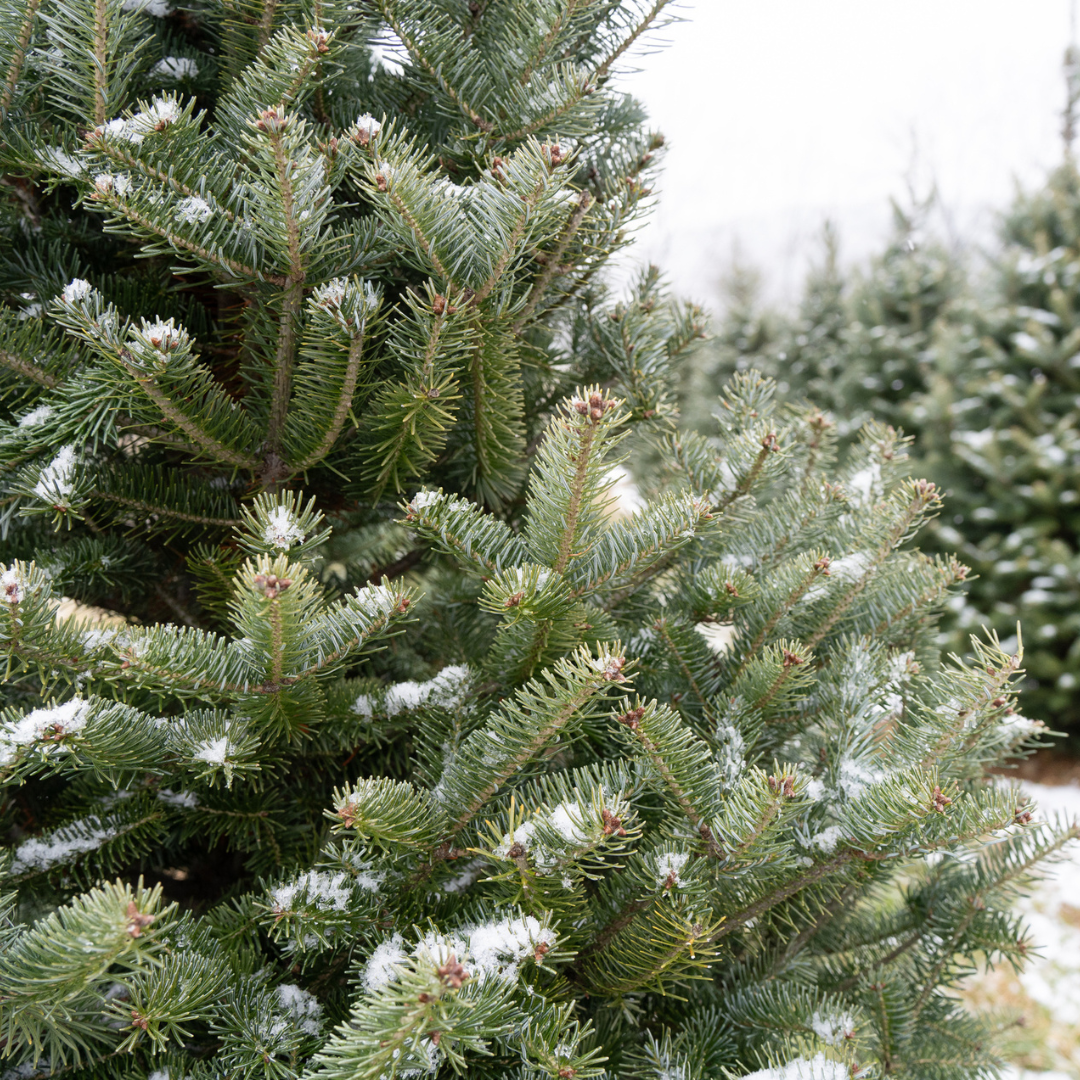
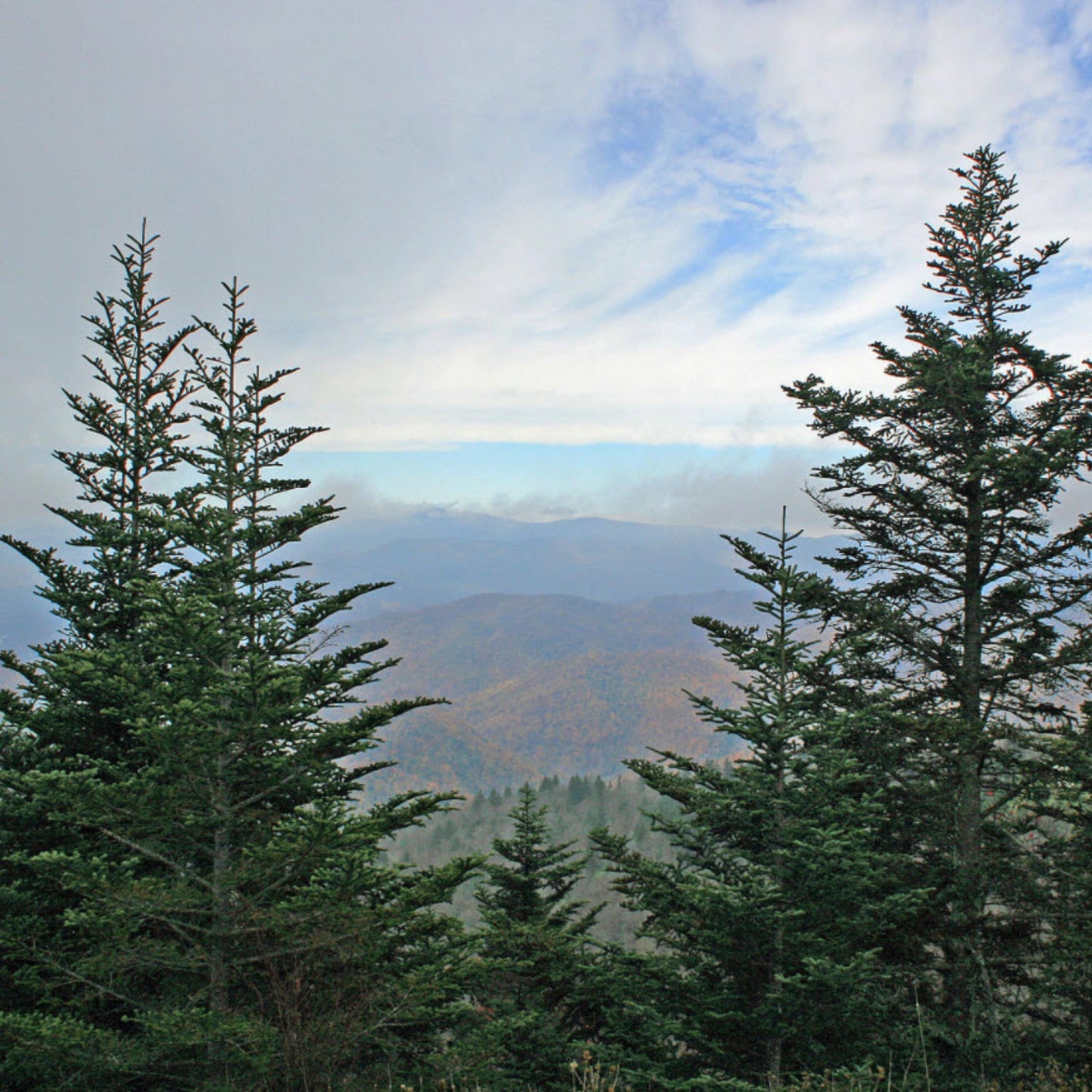
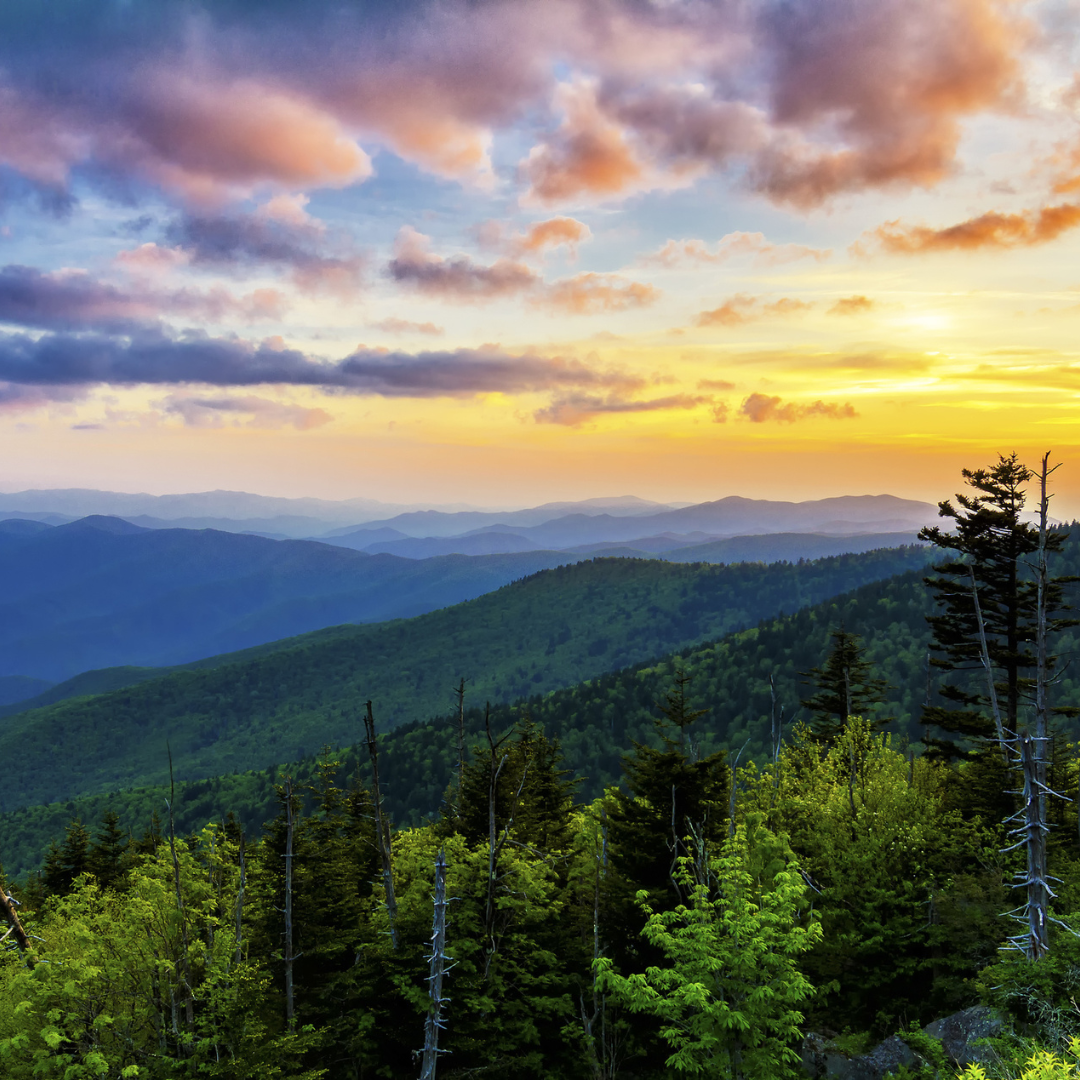
Abies fraseri, the Fraser Fir, grows only in a narrow band of high-elevation ridges in the southern Appalachians, above 5,500 feet where the air is cold, the fog is constant, and the growing season is short. It is the most prized Christmas tree in the eastern United States, sought for its symmetrical form, upward-pointing branches that hold ornaments perfectly, soft needles that do not drop when dry, and a rich balsam fragrance that defines the holiday season for millions of families. It is also one of the most threatened tree species in the East, under severe pressure from the woolly adelgid and from climate change pushing its already thin elevational habitat higher. If you are looking to buy Fraser Fir seeds or grow this mountain conifer from seed, you are growing a tree that is disappearing from the wild.
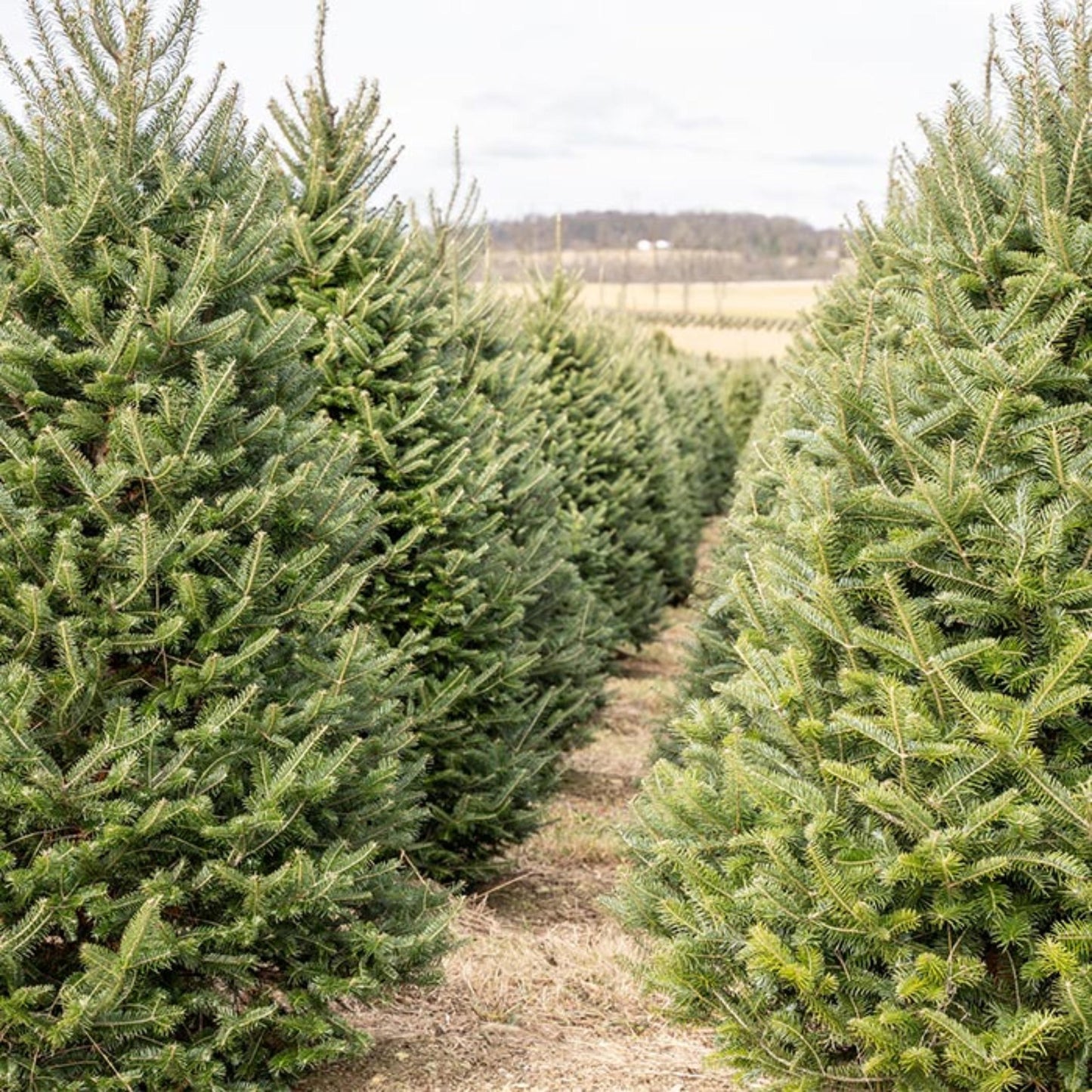
- The most prized Christmas tree in the eastern United States, known for perfect form and balsam fragrance
- Upward-angled branches hold ornaments exceptionally well, needles do not drop when dry
- Native only to high-elevation southern Appalachian peaks, one of the most geographically restricted native conifers
- Endangered in the wild from woolly adelgid and climate pressure, every cultivated tree matters
- Extremely cold-hardy, thriving in the harshest conditions of the southern highlands
Things you probably did not know about the Fraser Fir
It is named after John Fraser, a Scottish botanist who collected it in the 1780s.
Fraser was one of the most adventurous plant hunters of the 18th century, making multiple trips to the southern Appalachians to collect specimens for European gardens and the Russian royal court. The fir bearing his name grows on the same ridges he climbed over 200 years ago.
The woolly adelgid arrived from Asia and has killed millions of Fraser Firs in the wild.
Adelges piceae, an invasive insect pest introduced to the eastern United States from Asia in the 1950s, has devastated native Fraser Fir populations in the Great Smoky Mountains and Roan Highlands. Some wild populations have been reduced by over 90 percent. Christmas tree farms, which treat their trees for adelgid, have inadvertently become a population reservoir for the species.
The balsam fragrance comes from resin blisters in the bark.
Fraser Fir bark is covered with small resin-filled blisters that release the characteristic balsam scent when ruptured. This is the same compound, primarily alpha-pinene and bornyl acetate, that defines the smell of the boreal forest and has been studied for its effects on stress reduction and immune function.
At high elevation, it grows incredibly slowly.
Fraser Firs growing near the treeline at 6,000 feet in the Appalachians may add less than half an inch of trunk diameter per decade. Trees that appear modest in size may be over a century old. The combination of extreme cold, ice damage, and short growing seasons creates growth rings so fine they are barely visible to the naked eye.
Growing Details
- Botanical Name: Abies fraseri
- Stratification: Required, 30 to 60 days cold stratification
- USDA Zones: 4 to 7
- Soil: Well-drained, moist, acidic, rich in organic matter
- Light: Full sun to partial shade
- Height: 30 to 50 feet
- Spread: 15 to 25 feet
- Growth Rate: Slow, 6 to 12 inches per year
Plant it in a cool, moist site and be patient. The tree that grows slowest on the highest ridge is often the one worth waiting for.
FAQ
FAQ
Do you pre-stratify the seeds?
Most of our seeds are not pre-stratified. We ship them unstratified so you can control germination timing based on your local growing season. We sell to all 50 U.S. states and Canadian provinces, and since each region has different planting windows, pre-stratifying would risk seeds germinating in transit or before you're ready to plant.
True stratification requires cold, moist conditions, which can lead to premature sprouting or mold if not timed properly. To avoid this, we store most seeds in dry cold conditions to preserve viability — but this does not initiate stratification.
Do any of your seeds need to stay moist? (Recalcitrant seeds)
Yes — some species we offer are recalcitrant, meaning they must remain moist to stay viable and cannot be dried out. Examples include: Chestnut, Hazelnut, Paw Paw, etc.
These seeds are shipped in moist cold storage and are clearly labeled on the product page when applicable. Please refrigerate immediately upon arrival and follow included care instructions.
Do you ship internationally?
We currently ship to the United States and Canada only. Unfortunately, we cannot ship to other countries without a phytosanitary certificate, which is required by most international customs agencies.
If you're interested in shipping outside North America, please contact us. Note that a phytosanitary certificate typically adds $60–$80 USD per seed type and must be arranged in advance.
Shipping & What's Included
Shipping & What's Included
Shipping & Packaging
Hand-packed in resealable zipper kraft paper seed bags
Stratification and planting instructions included with every order
1 free bonus seed pack included with every order
Ships within 3–5 business days via USPS
Return Policy
Return Policy
Due to the nature of our products, we do not accept returns on seeds.
However, if your order arrives damaged or incorrect, please contact us within 7 days and we’ll make it right.