

Common Lilac Tree Seeds (Syringa vulgaris
Common Lilac Tree Seeds (Syringa vulgaris
The fragrance of May. The shrub that outlives everything planted around it.
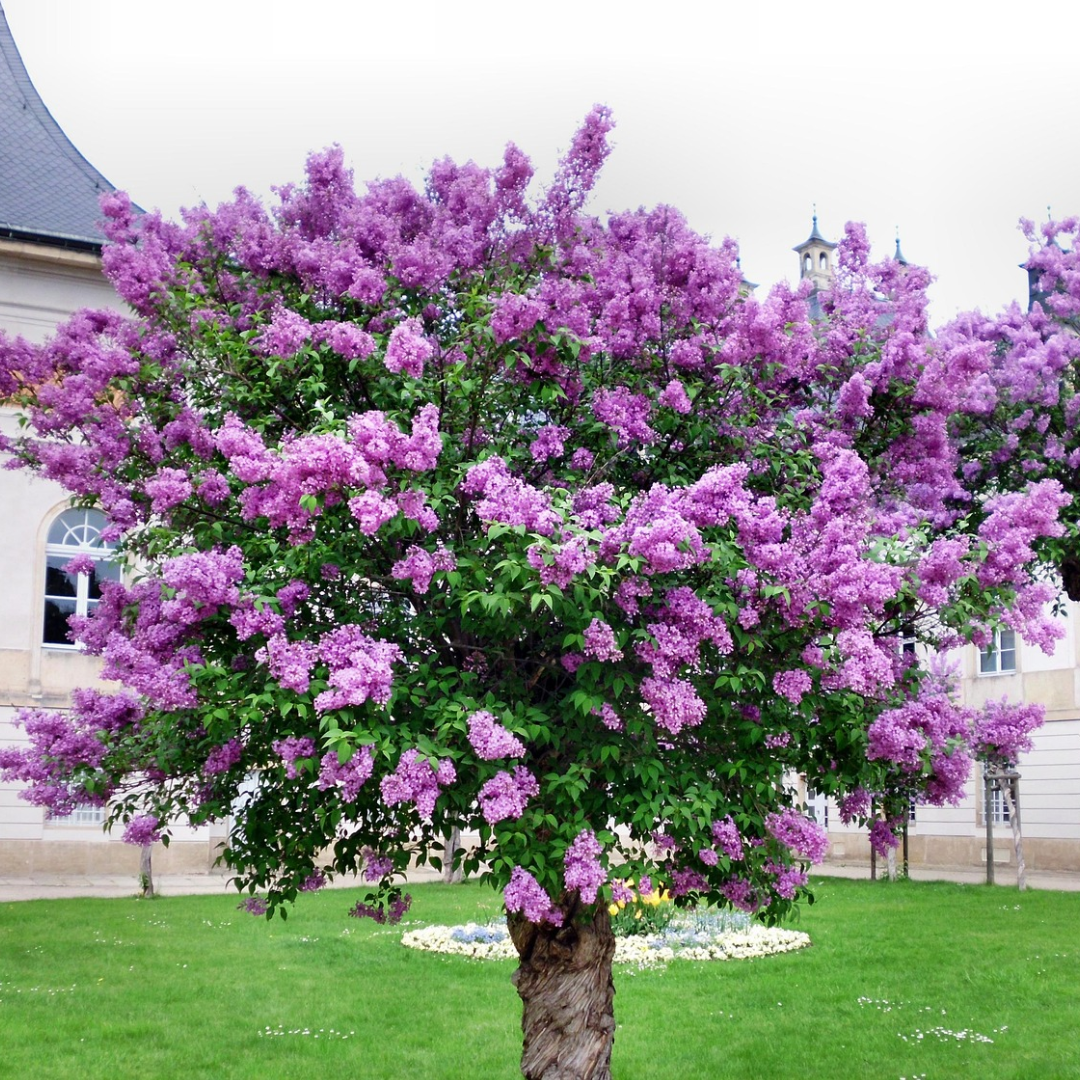
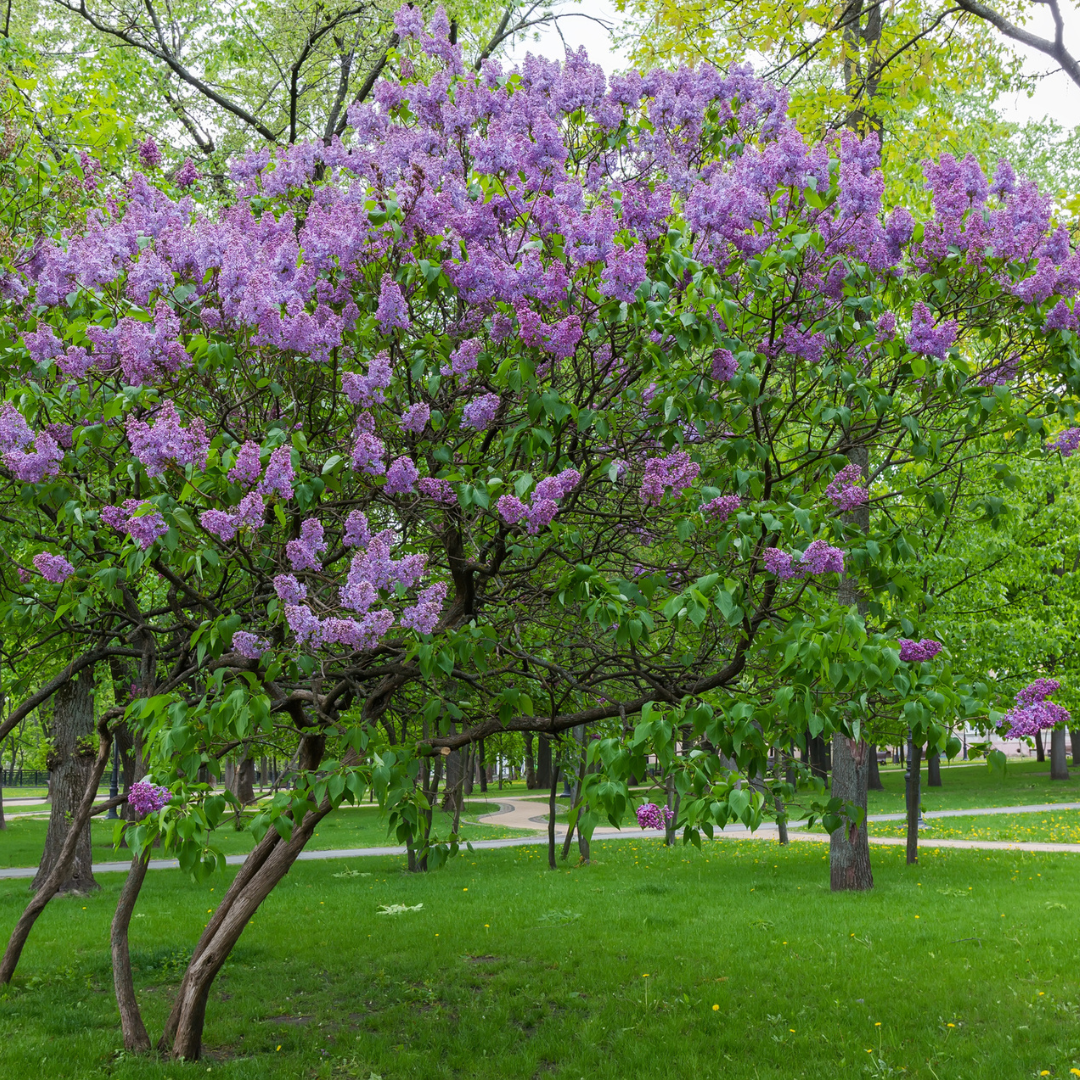
Syringa vulgaris, the Common Lilac, is the most universally loved flowering shrub in the temperate world, its dense clusters of fragrant purple and white flowers in late spring producing a scent so deeply familiar and so intensely pleasurable that it has been written about by poets and preserved in perfumes for centuries. It blooms at the same time every year, reliable as a calendar. It tolerates cold that kills most other flowering shrubs. And it lives for so long that lilac bushes are often found still growing at the sites of long-demolished farmhouses, outlasting every human structure built around them. If you are looking to buy Lilac seeds or grow common lilac from seed, you are planting something that may still be flowering long after everything else in the garden is gone.
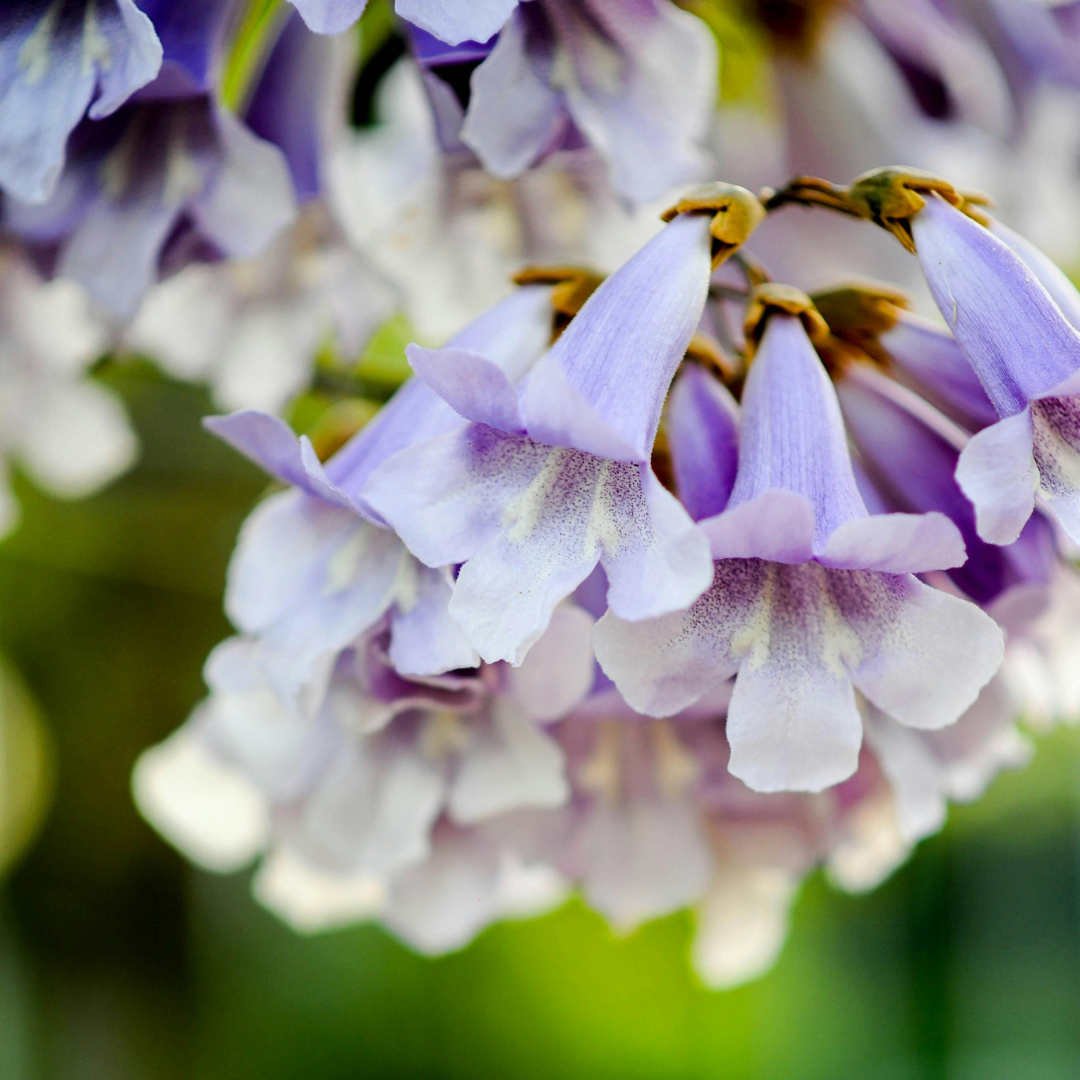
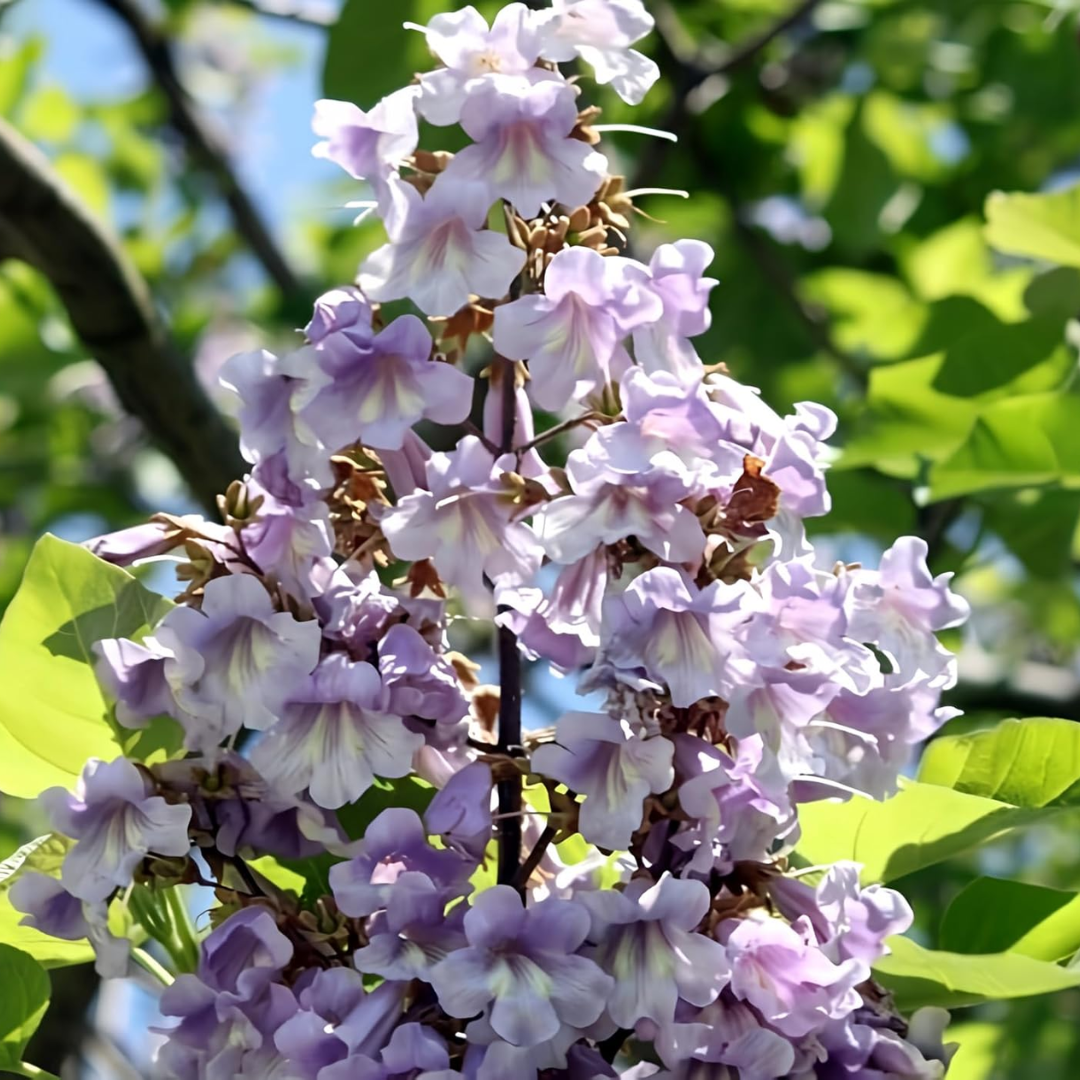
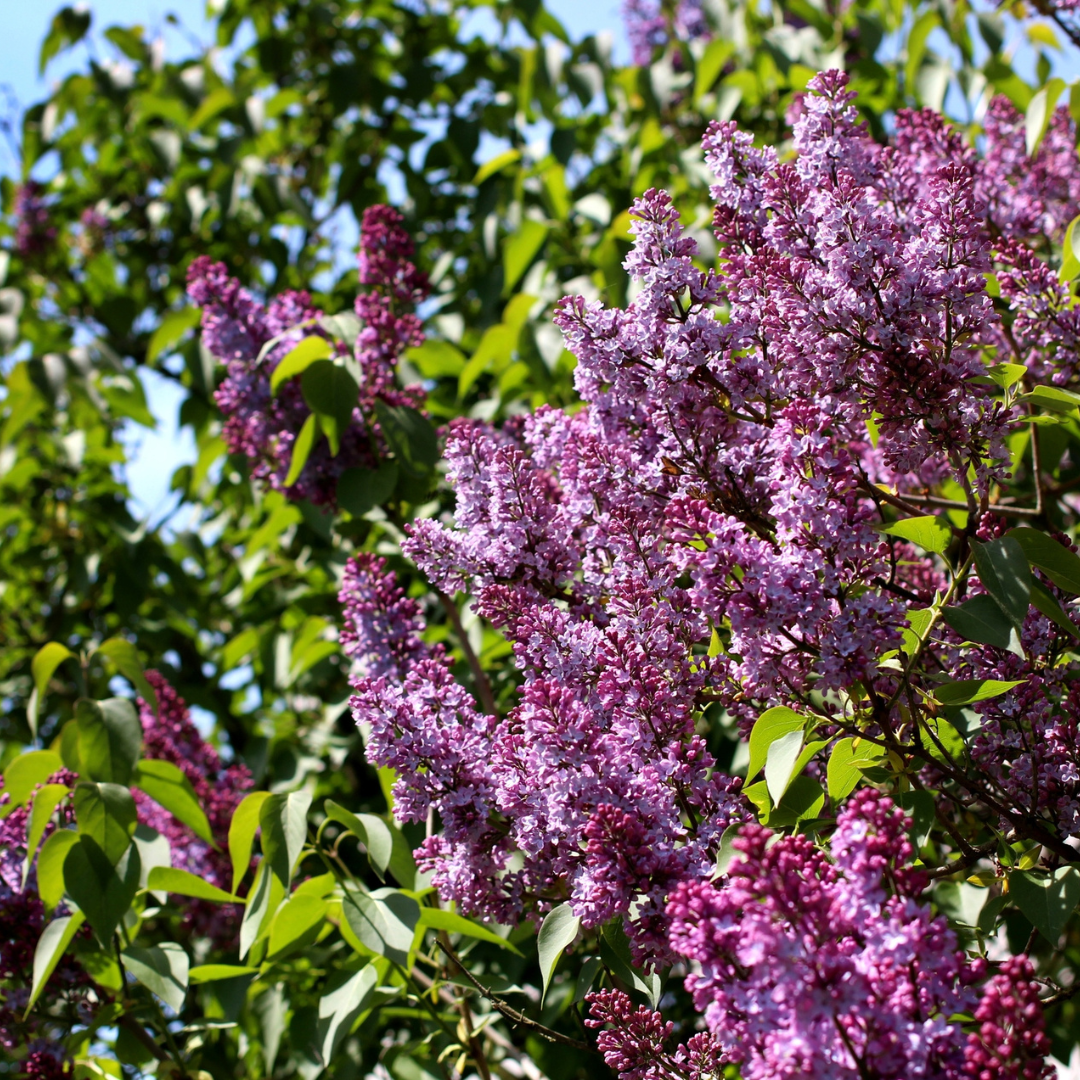
- Dense fragrant flower clusters in shades of purple, lilac, and white, the defining scent of late spring
- Extremely cold-hardy, one of the most cold-tolerant flowering shrubs available in temperate horticulture
- Extraordinarily long-lived, with documented specimens over 200 years old still flowering reliably
- Seed-grown plants produce natural variation in flower color and form not available in grafted nursery stock
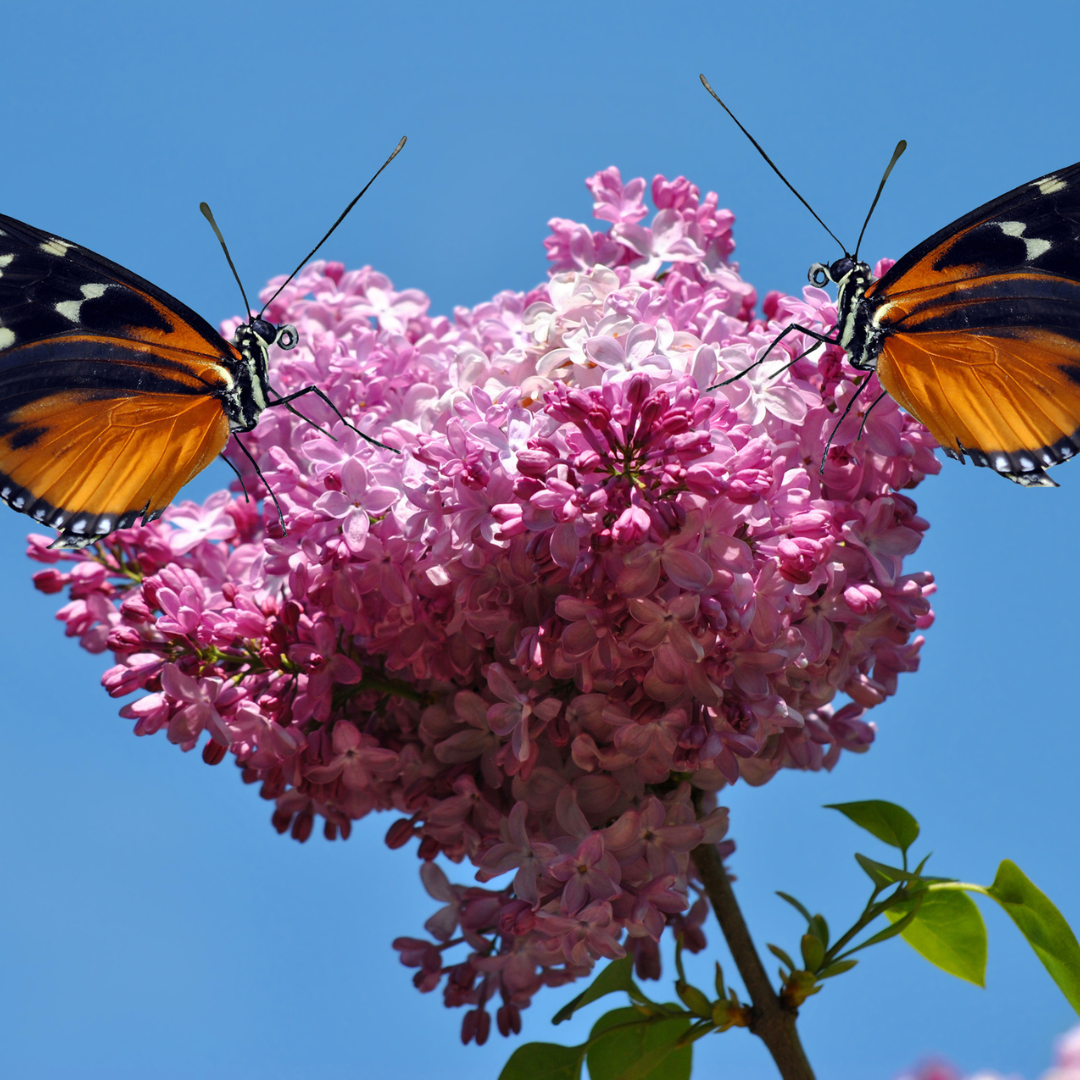
- Attracts swallowtail butterflies, native bees, and hummingbirds during its flowering period
Things you probably did not know about the Common Lilac
A lilac in New Hampshire has been blooming since 1750. The Wentworth Coolidge Mansion in Portsmouth, New Hampshire has a lilac believed to have been planted by Governor Benning Wentworth around 1750, making it the oldest documented lilac in North America. It still flowers every spring. It was growing before the American Revolution and has outlasted every human being who ever owned the property.
Walt Whitman used lilacs as the central symbol of his elegy for Abraham Lincoln. When Lilacs Last in the Dooryard Bloomed is considered one of the finest poems in American literature. Whitman chose lilacs not because of any personal association with Lincoln but because the lilacs were blooming across the country on the day Lincoln was shot in April 1865, and the scent became permanently associated in his memory with the moment the news arrived.
The fragrance is produced by a compound called lilial. The characteristic scent of Lilac flowers comes primarily from indole, lilial, and farnesol, compounds that are extremely difficult to stabilize in commercial perfumery. True lilac fragrance cannot be effectively extracted or synthesized in a way that replicates the living flower, which is why no commercial lilac perfume smells exactly like a real one. The flower itself cannot be replicated.
Seed-grown lilacs take longer to bloom but develop stronger root systems. Grafted nursery lilacs bloom in 3 to 4 years. Seed-grown lilacs may take 5 to 7 years to first flower but develop on their own roots, meaning they do not sucker in the rootstock variety and produce flowers true to their own genetics. Old specimen lilacs that have been growing for a century are almost always on their own roots.
Growing Details
- Botanical Name: Syringa vulgaris
- Stratification: Required, 60 to 90 days cold stratification
- USDA Zones: 3 to 7
- Soil: Well-drained, neutral to slightly alkaline, tolerates a range of conditions
- Light: Full sun, requires at least 6 hours of direct sun for best flowering
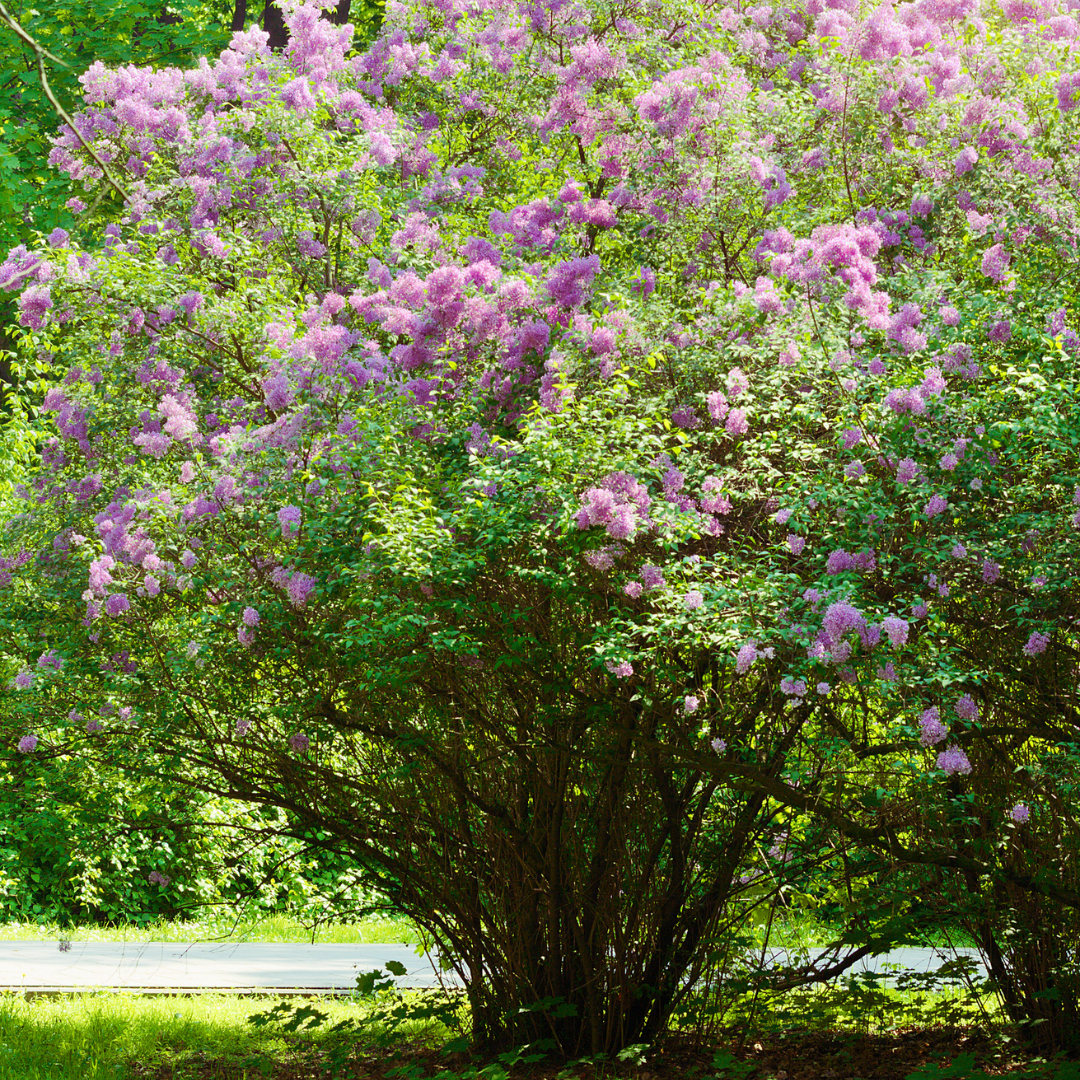
- Height: 8 to 15 feet
- Spread: 6 to 12 feet
- Growth Rate: Moderate, 1 to 2 feet per year
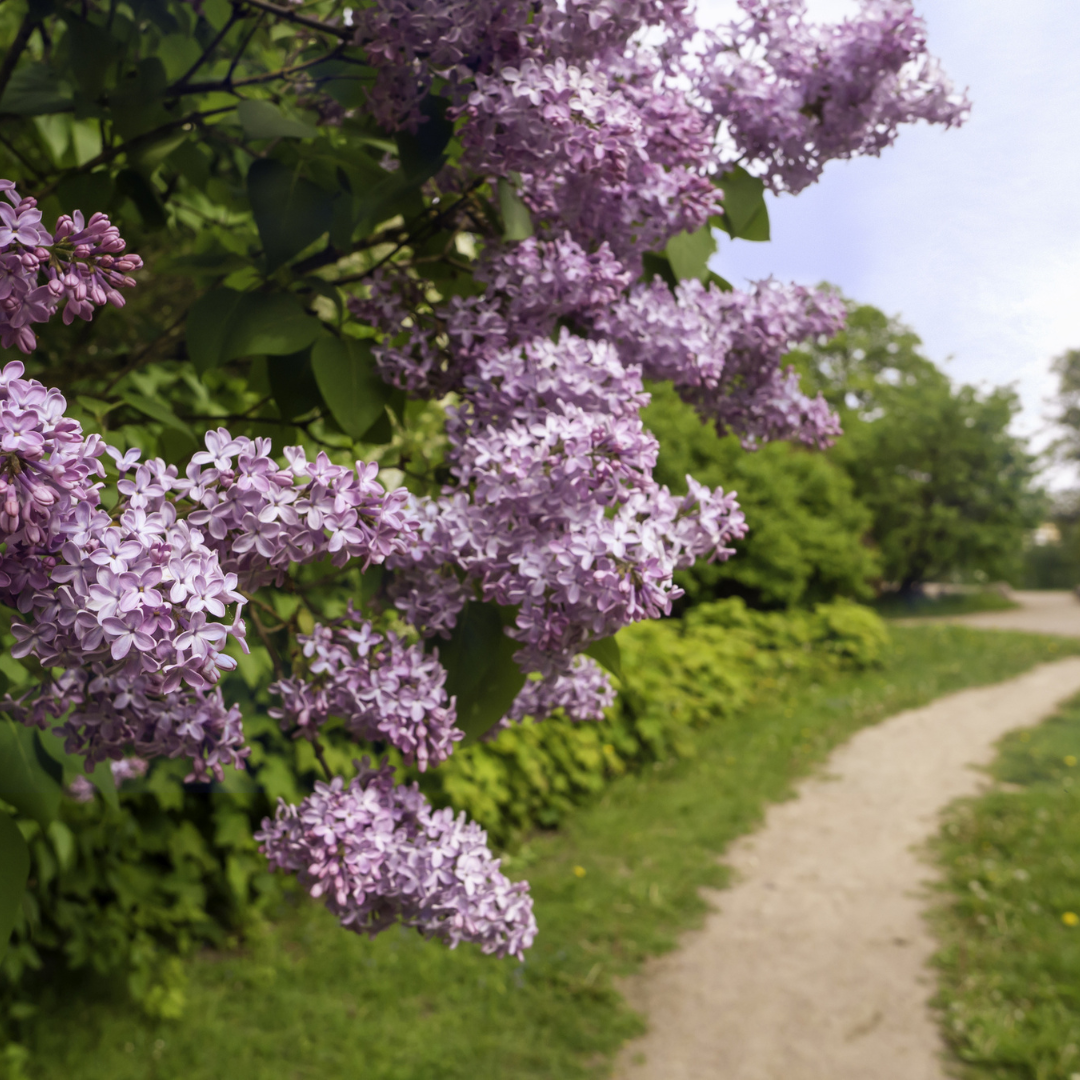
Plant it where you will walk past it every May. The fragrance alone is worth the wait.
FAQ
FAQ
Do you pre-stratify the seeds?
Most of our seeds are not pre-stratified. We ship them unstratified so you can control germination timing based on your local growing season. We sell to all 50 U.S. states and Canadian provinces, and since each region has different planting windows, pre-stratifying would risk seeds germinating in transit or before you're ready to plant.
True stratification requires cold, moist conditions, which can lead to premature sprouting or mold if not timed properly. To avoid this, we store most seeds in dry cold conditions to preserve viability — but this does not initiate stratification.
Do any of your seeds need to stay moist? (Recalcitrant seeds)
Yes — some species we offer are recalcitrant, meaning they must remain moist to stay viable and cannot be dried out. Examples include: Chestnut, Hazelnut, Paw Paw, etc.
These seeds are shipped in moist cold storage and are clearly labeled on the product page when applicable. Please refrigerate immediately upon arrival and follow included care instructions.
Do you ship internationally?
We currently ship to the United States and Canada only. Unfortunately, we cannot ship to other countries without a phytosanitary certificate, which is required by most international customs agencies.
If you're interested in shipping outside North America, please contact us. Note that a phytosanitary certificate typically adds $60–$80 USD per seed type and must be arranged in advance.
Shipping & What's Included
Shipping & What's Included
Shipping & Packaging
Hand-packed in resealable zipper kraft paper seed bags
Stratification and planting instructions included with every order
1 free bonus seed pack included with every order
Ships within 3–5 business days via USPS
Return Policy
Return Policy
Due to the nature of our products, we do not accept returns on seeds.
However, if your order arrives damaged or incorrect, please contact us within 7 days and we’ll make it right.