

Chestnut Oak Tree Seeds | Quercus montana
Chestnut Oak Tree Seeds | Quercus montana
The limestone oak. The biggest acorns east of the Mississippi. The ridge tree.
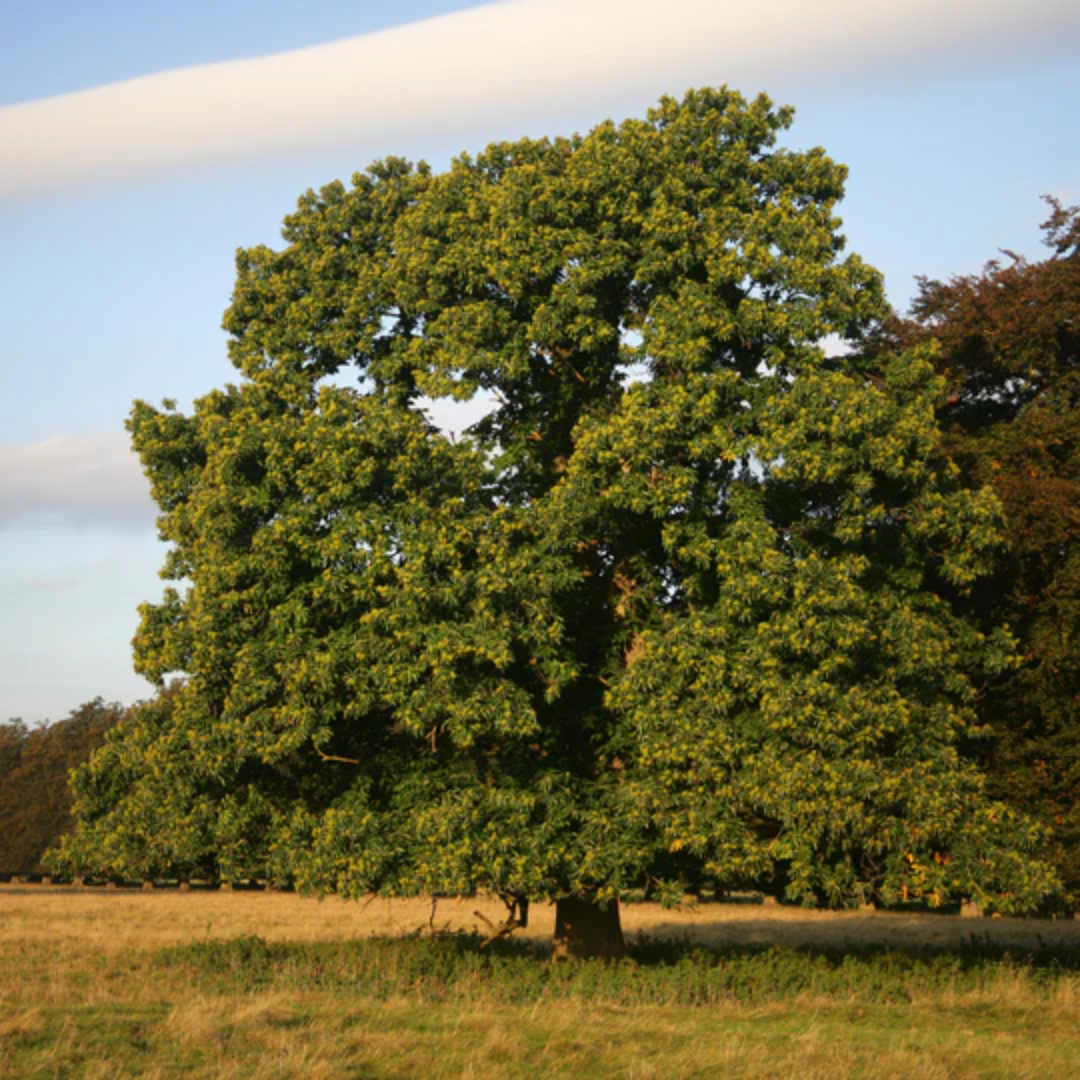
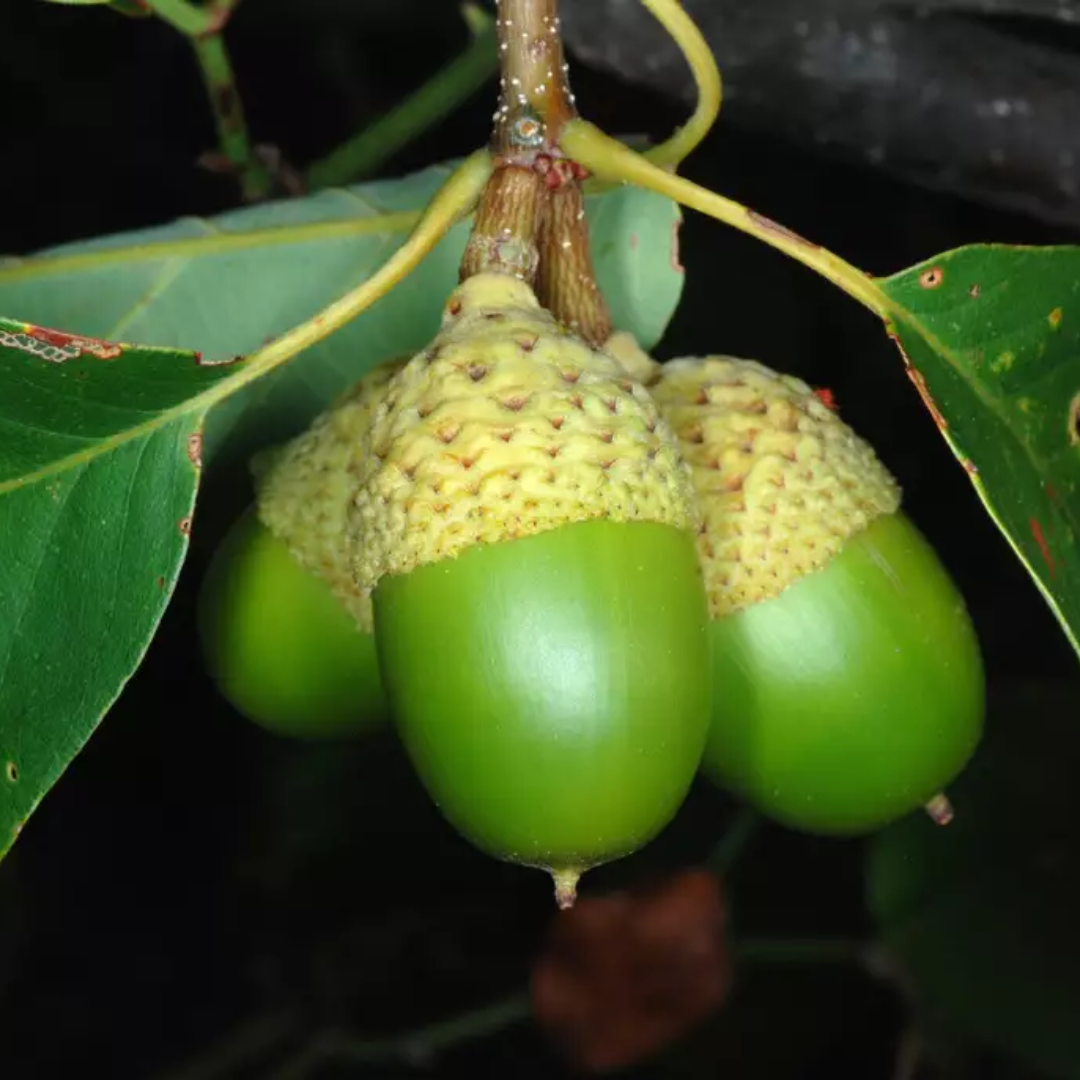
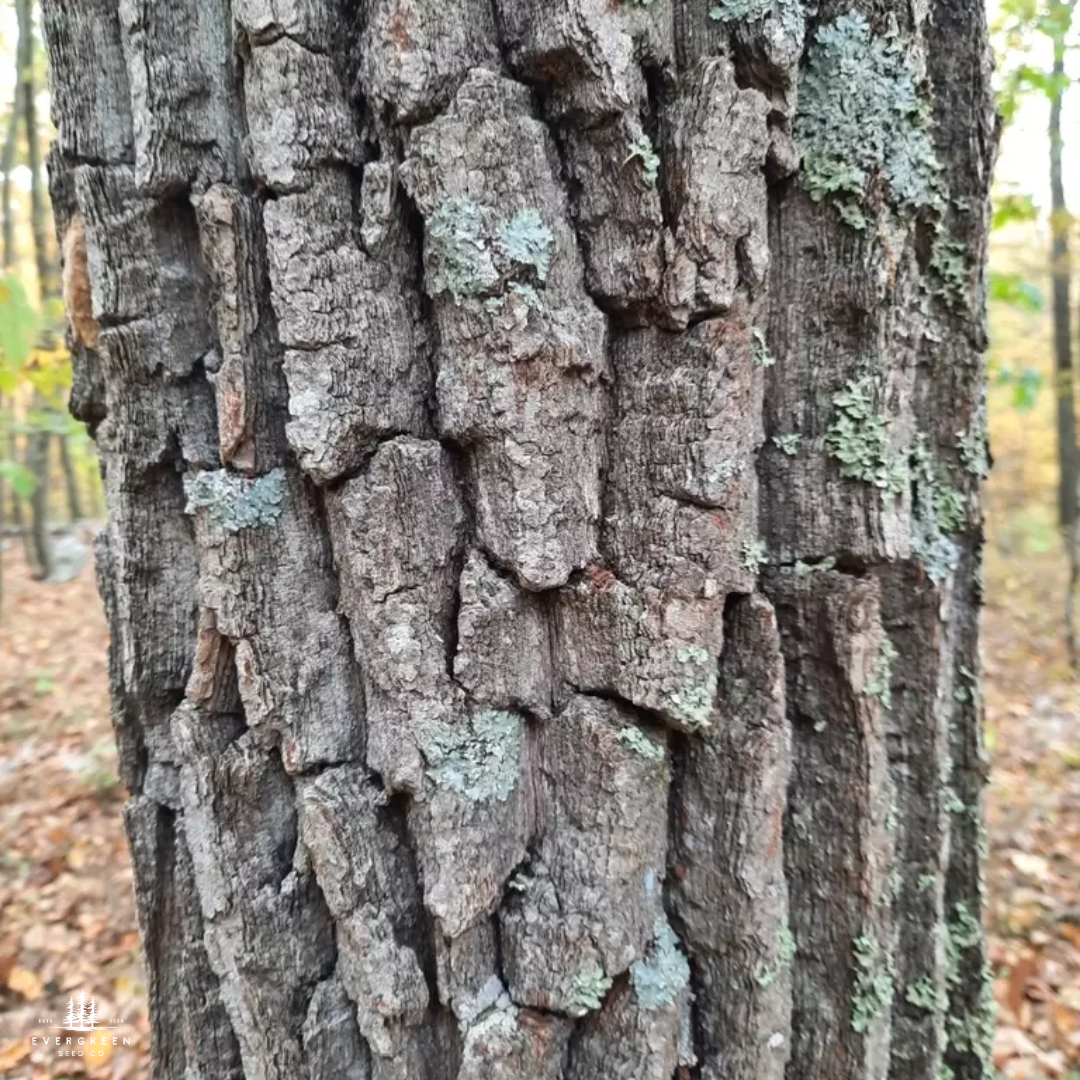
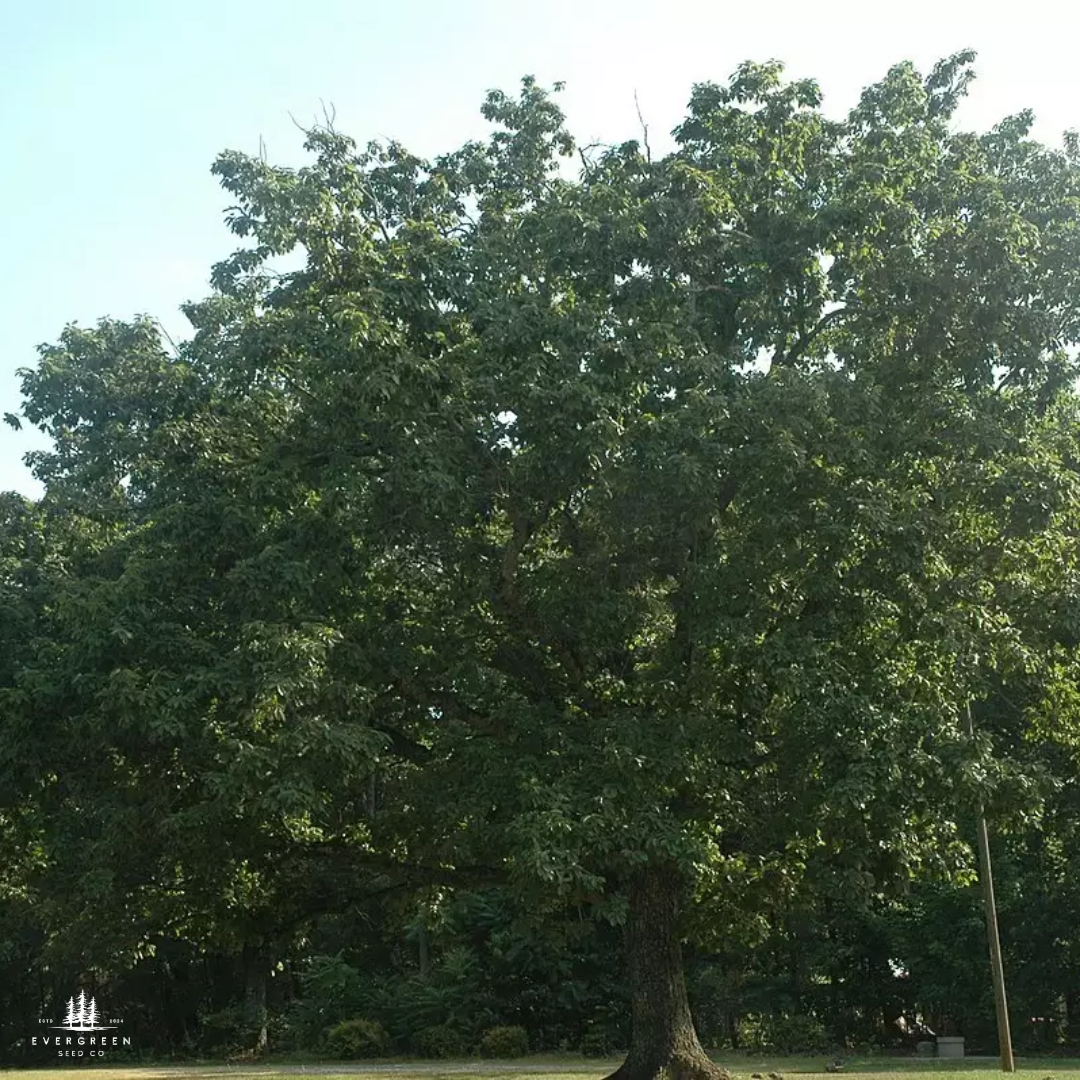
Quercus montana, the Chestnut Oak, is the characteristic tree of the dry, rocky, acidic ridgetops and slopes of the central and southern Appalachians, growing in conditions of shallow soil, extreme drought, and exposed aspects that stress most other oaks while developing into a massive, deeply furrowed, almost black-barked tree that can exceed 150 years in age in undisturbed stands. It produces the largest acorns of any oak in the eastern United States, sweet, low-tannin nuts that are eaten immediately by deer, turkey, bear, and squirrels and were one of the primary acorn food sources for Indigenous peoples of the Appalachian region. Its deeply ridged, corrugated bark is among the most distinctive of any native tree and makes Chestnut Oak identifiable from a distance by bark alone even without leaves. If you are looking to buy Chestnut Oak seeds or grow this Appalachian native from seed, this is the oak for dry, rocky, acidic sites where White Oak or Red Oak would struggle.
- Produces the largest acorns of any oak in eastern North America, sweet and low-tannin
- Adapted to dry, rocky, shallow, acidic soils of exposed ridgetops where most oaks cannot establish
- Deeply corrugated, almost black bark the most distinctive of any eastern oak, identifiable from a distance
- Extremely long-lived, with undisturbed specimens regularly exceeding 200 years on dry ridgetop sites
- One of the most important mast trees for wildlife in the Appalachian ridge and valley region
Things you probably did not know about the Chestnut Oak
The bark was the foundation of the Appalachian tanning industry for over a century. Chestnut Oak bark contains higher concentrations of tannin than the bark of any other common eastern tree, making it the primary source of tannin for the leather tanning industry across the Appalachians from the early 19th century through the early 20th century. Entire hillsides of Chestnut Oak were stripped of their bark for the tanneries that operated throughout the Virginia, West Virginia, and Pennsylvania mountains. The bark stripping killed the trees but left the bare trunks standing in the landscape for decades, creating the ghost forests of Appalachian tanning history.
The acorns are large enough to be practical as a human food with minimal processing. Chestnut Oak acorns contain lower tannin concentrations than most other eastern oaks and were consumed by Indigenous peoples of the Appalachians with less leaching treatment than most acorn species required. The large size means more edible material per nut, and the sweet flavor makes them among the most palatable of any native acorn for direct consumption. Cherokee, Shawnee, and other Appalachian nations ground Chestnut Oak acorns into meal for bread and porridge.
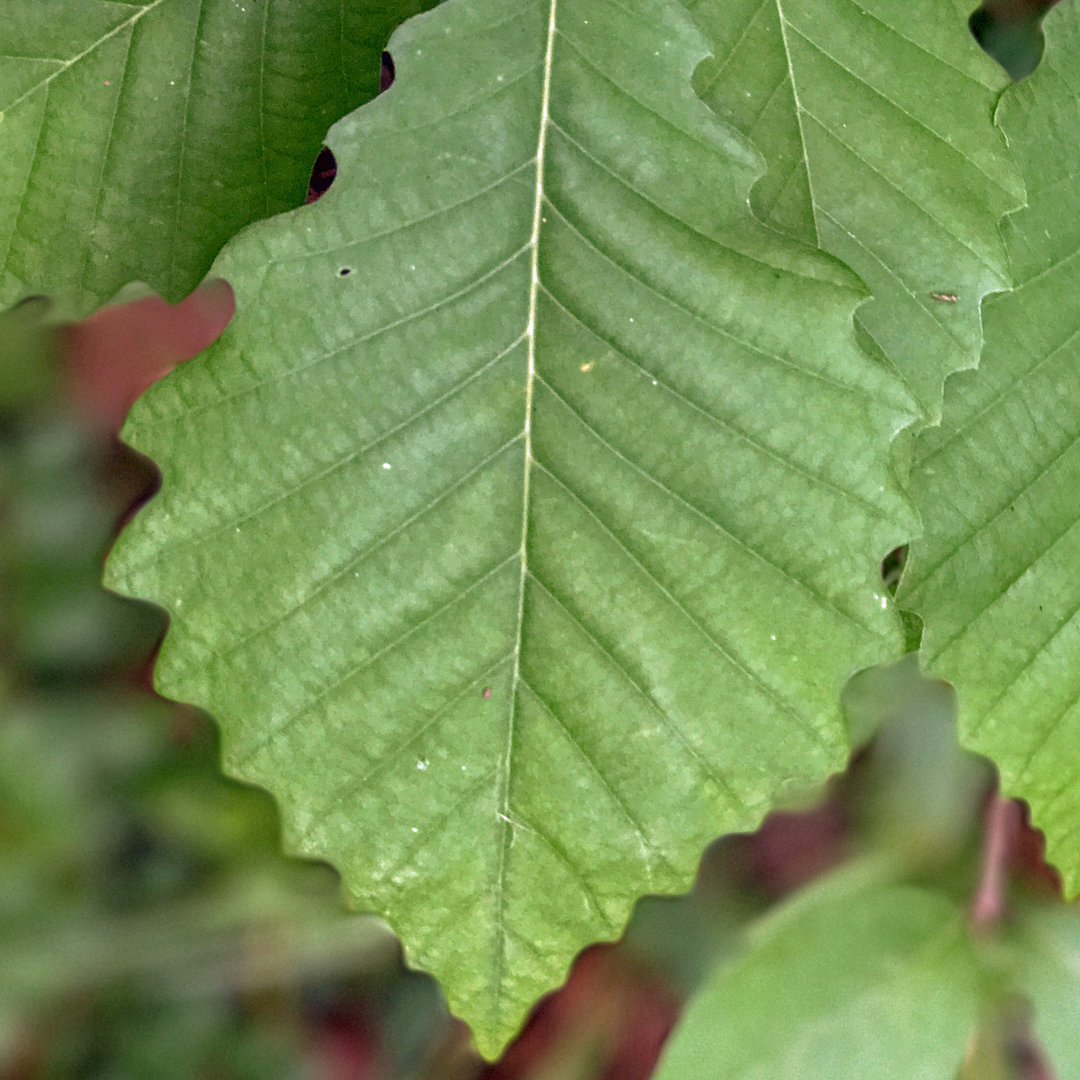
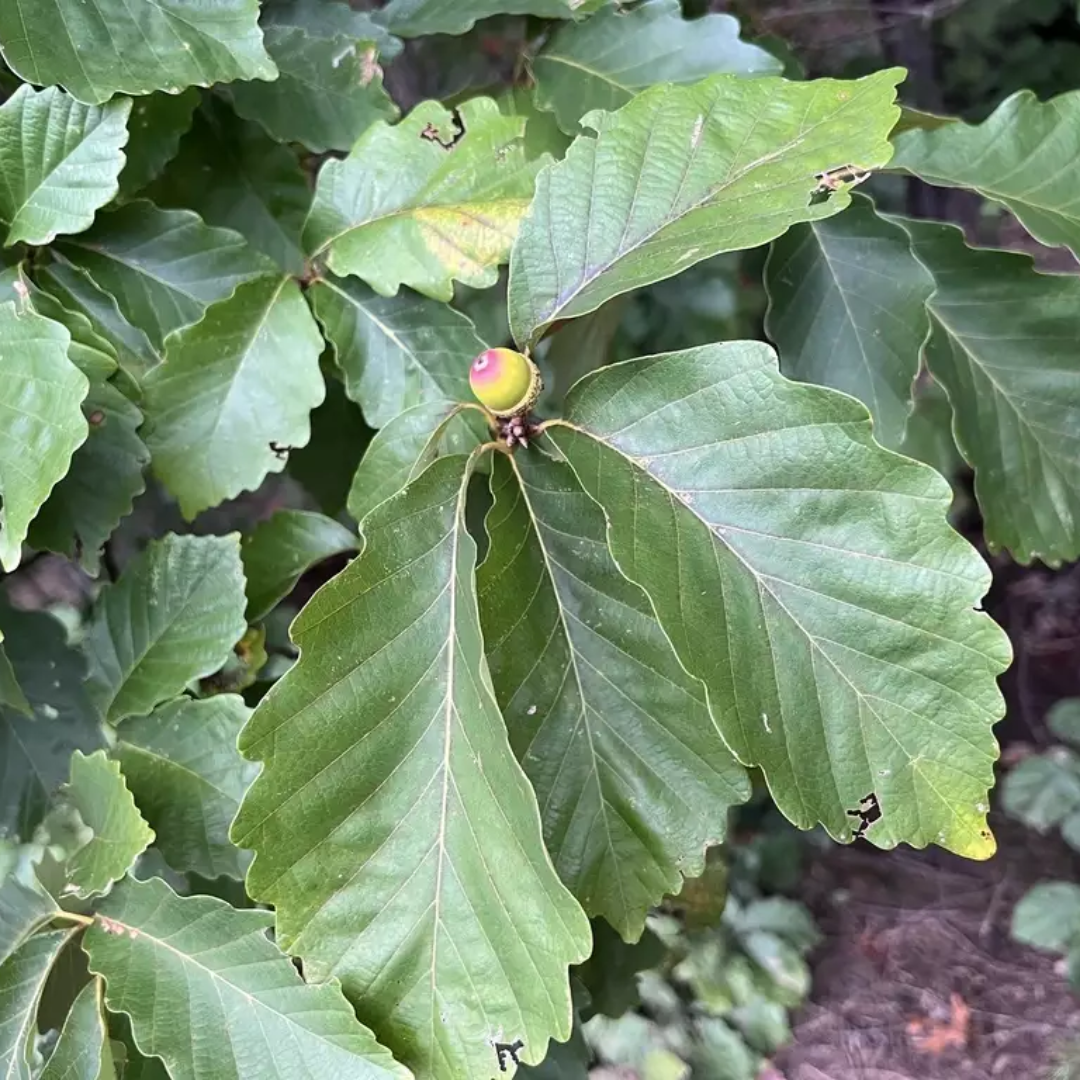
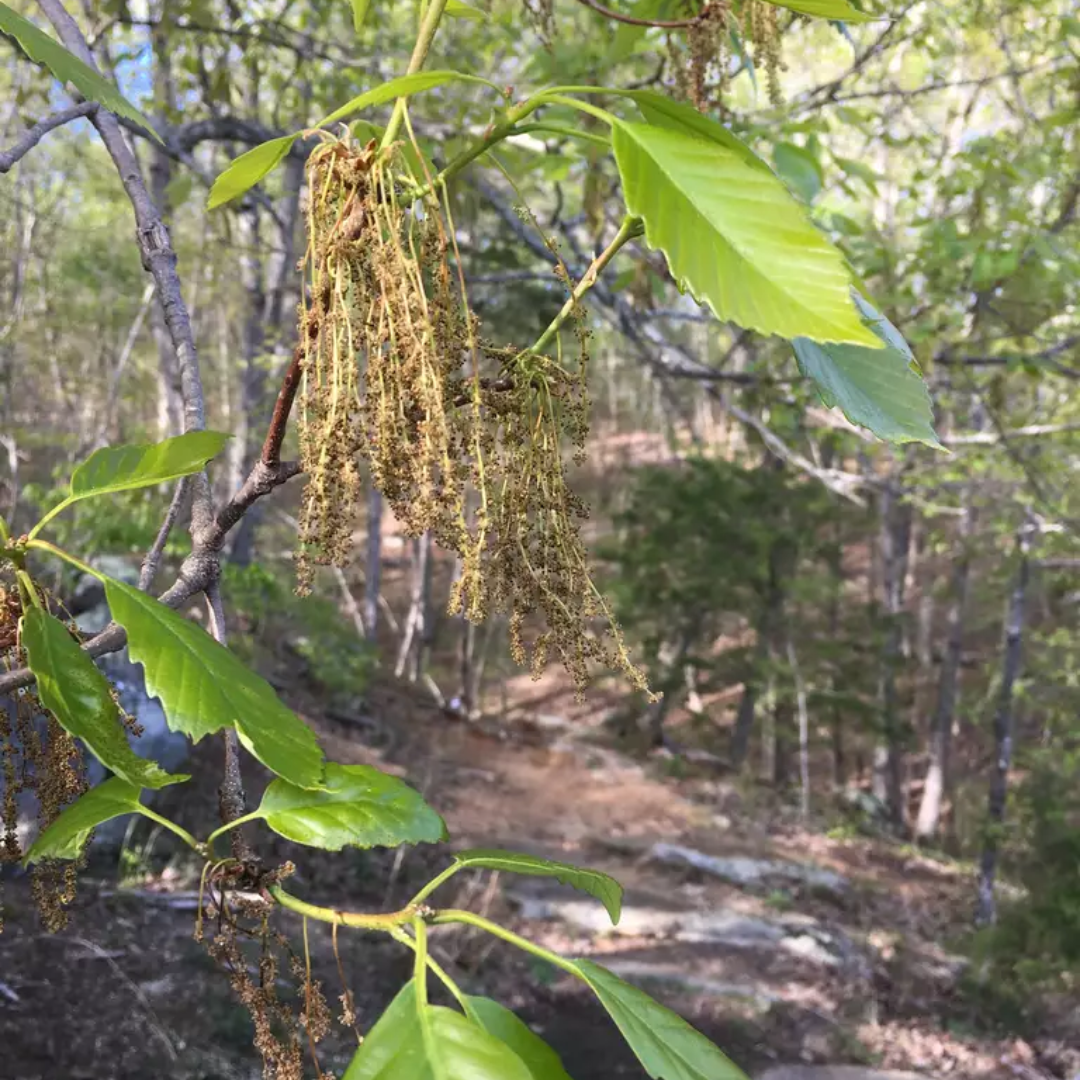
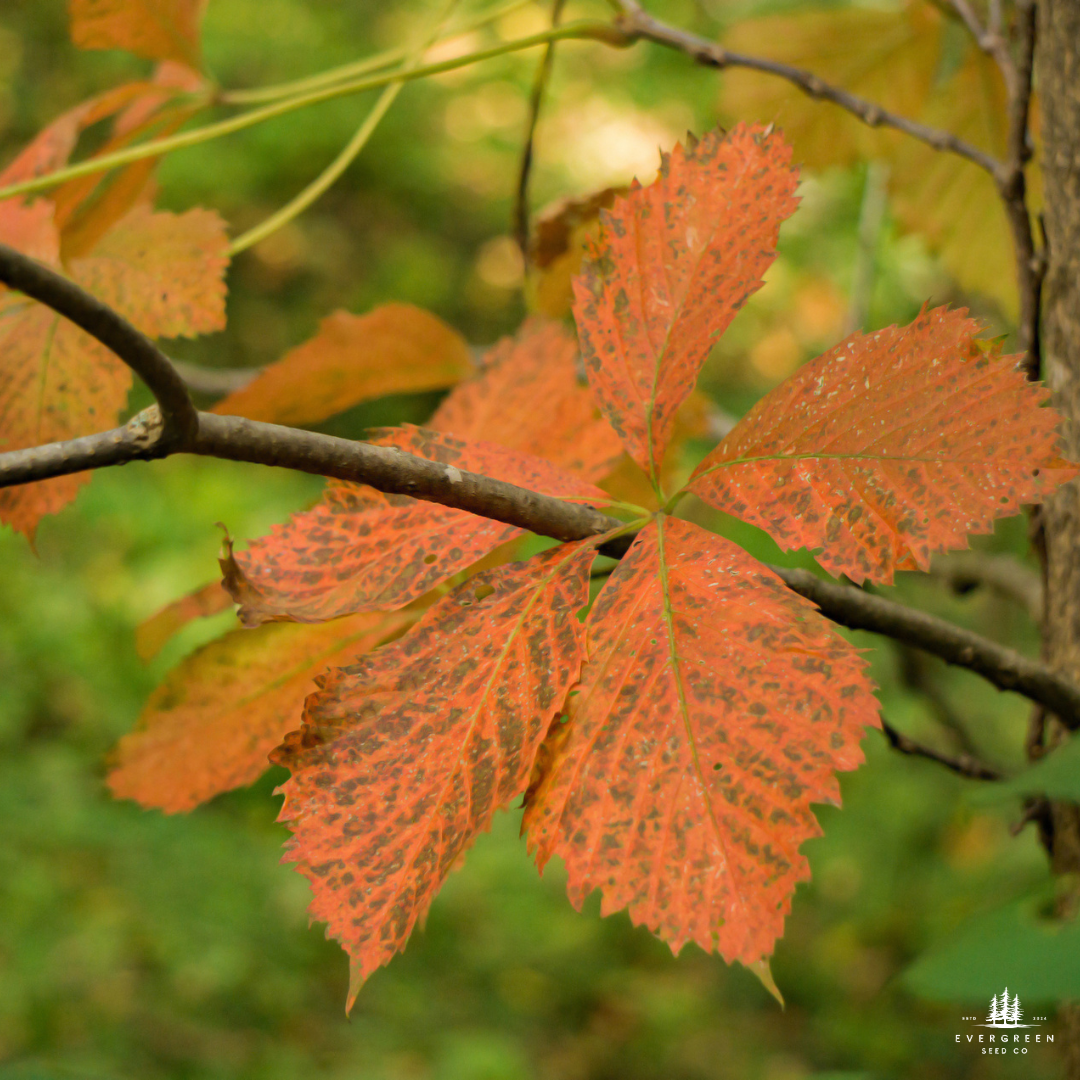
The name refers to the leaf shape resembling chestnut leaves, not to any relationship with the American Chestnut. The large, coarsely toothed leaves of Chestnut Oak resemble the leaves of the American Chestnut in outline and tooth pattern, which gave the oak its common name. The two trees are completely unrelated, the Oak belonging to the beech family and the Chestnut being another member of the same family. They grow together on Appalachian ridges but the naming connection is superficial appearance only.
It is one of the few large trees that grows on exposed serpentine barrens. Some populations of Chestnut Oak have adapted to the extremely challenging soils of serpentine rock outcrops, which are toxic to most plants due to high heavy metal concentrations and low calcium. The Chestnut Oak populations that grow on these barrens have developed tolerance for soil chemistry that excludes most other tree species, demonstrating an ecological flexibility unusual in a large hardwood.
Growing Details
- Botanical Name: Quercus montana
- Stratification: Required, 30 to 60 days cold moist stratification, recalcitrant seed, keep moist
- USDA Zones: 4 to 8
- Soil: Dry, rocky, acidic, shallow soils preferred, tolerates a wide range of well-drained conditions
- Light: Full sun to partial shade
- Height: 60 to 70 feet
- Spread: 60 to 70 feet
- Growth Rate: Slow to moderate, 1 to 1.5 feet per year
Plant it on the dry, rocky ridge or hillside where other oaks have not succeeded. Give it time. It will outlast every other tree planted on the same site.
FAQ
FAQ
Do you pre-stratify the seeds?
Most of our seeds are not pre-stratified. We ship them unstratified so you can control germination timing based on your local growing season. We sell to all 50 U.S. states and Canadian provinces, and since each region has different planting windows, pre-stratifying would risk seeds germinating in transit or before you're ready to plant.
True stratification requires cold, moist conditions, which can lead to premature sprouting or mold if not timed properly. To avoid this, we store most seeds in dry cold conditions to preserve viability — but this does not initiate stratification.
Do any of your seeds need to stay moist? (Recalcitrant seeds)
Yes — some species we offer are recalcitrant, meaning they must remain moist to stay viable and cannot be dried out. Examples include: Chestnut, Hazelnut, Paw Paw, etc.
These seeds are shipped in moist cold storage and are clearly labeled on the product page when applicable. Please refrigerate immediately upon arrival and follow included care instructions.
Do you ship internationally?
We currently ship to the United States and Canada only. Unfortunately, we cannot ship to other countries without a phytosanitary certificate, which is required by most international customs agencies.
If you're interested in shipping outside North America, please contact us. Note that a phytosanitary certificate typically adds $60–$80 USD per seed type and must be arranged in advance.
Shipping & What's Included
Shipping & What's Included
Shipping & Packaging
Hand-packed in resealable zipper kraft paper seed bags
Stratification and planting instructions included with every order
1 free bonus seed pack included with every order
Ships within 3–5 business days via USPS
Return Policy
Return Policy
Due to the nature of our products, we do not accept returns on seeds.
However, if your order arrives damaged or incorrect, please contact us within 7 days and we’ll make it right.