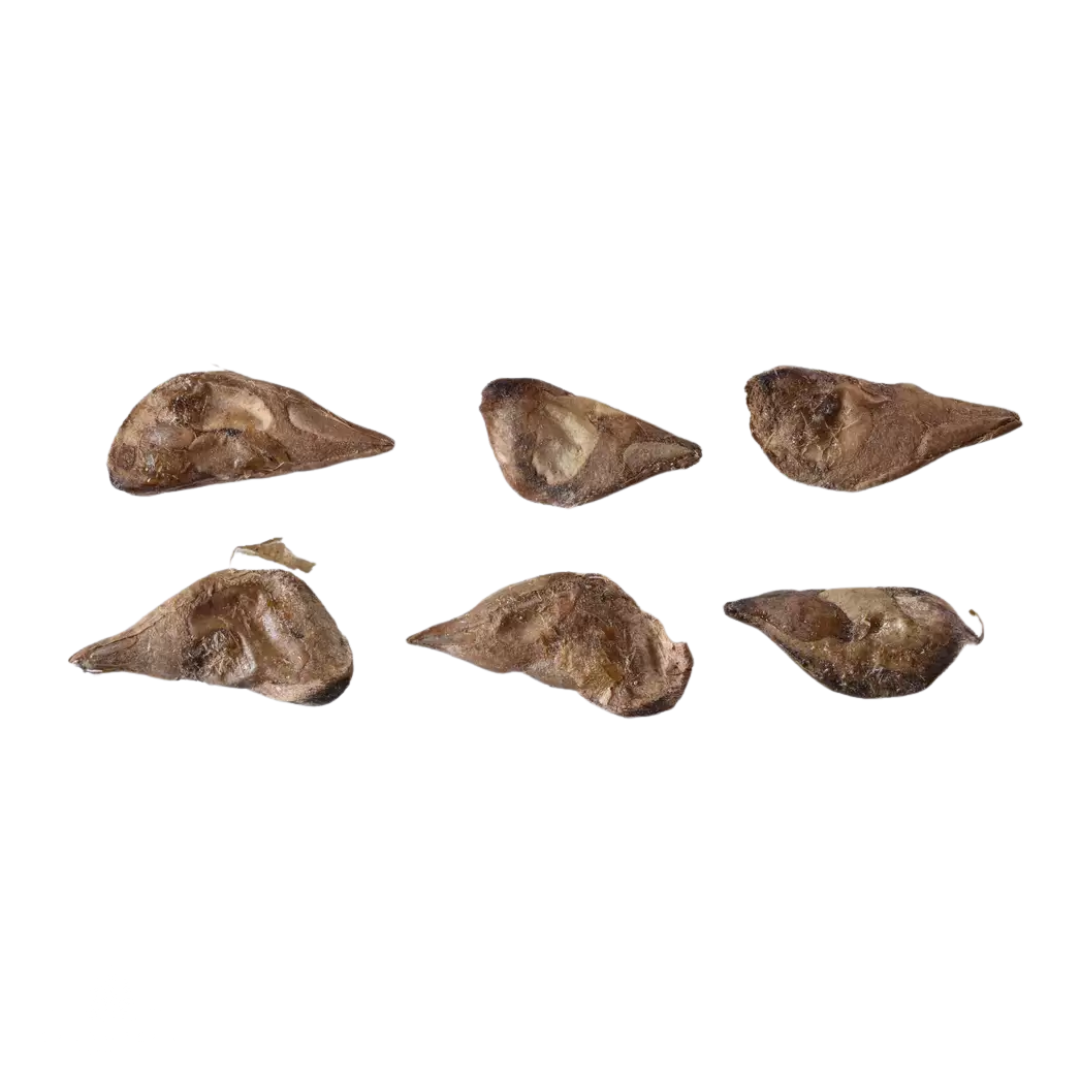


Cedar of Lebanon Tree Seeds (Cedrus libani)
Cedar of Lebanon Tree Seeds (Cedrus libani)
Ancient. Mythological. The most storied tree in human history.
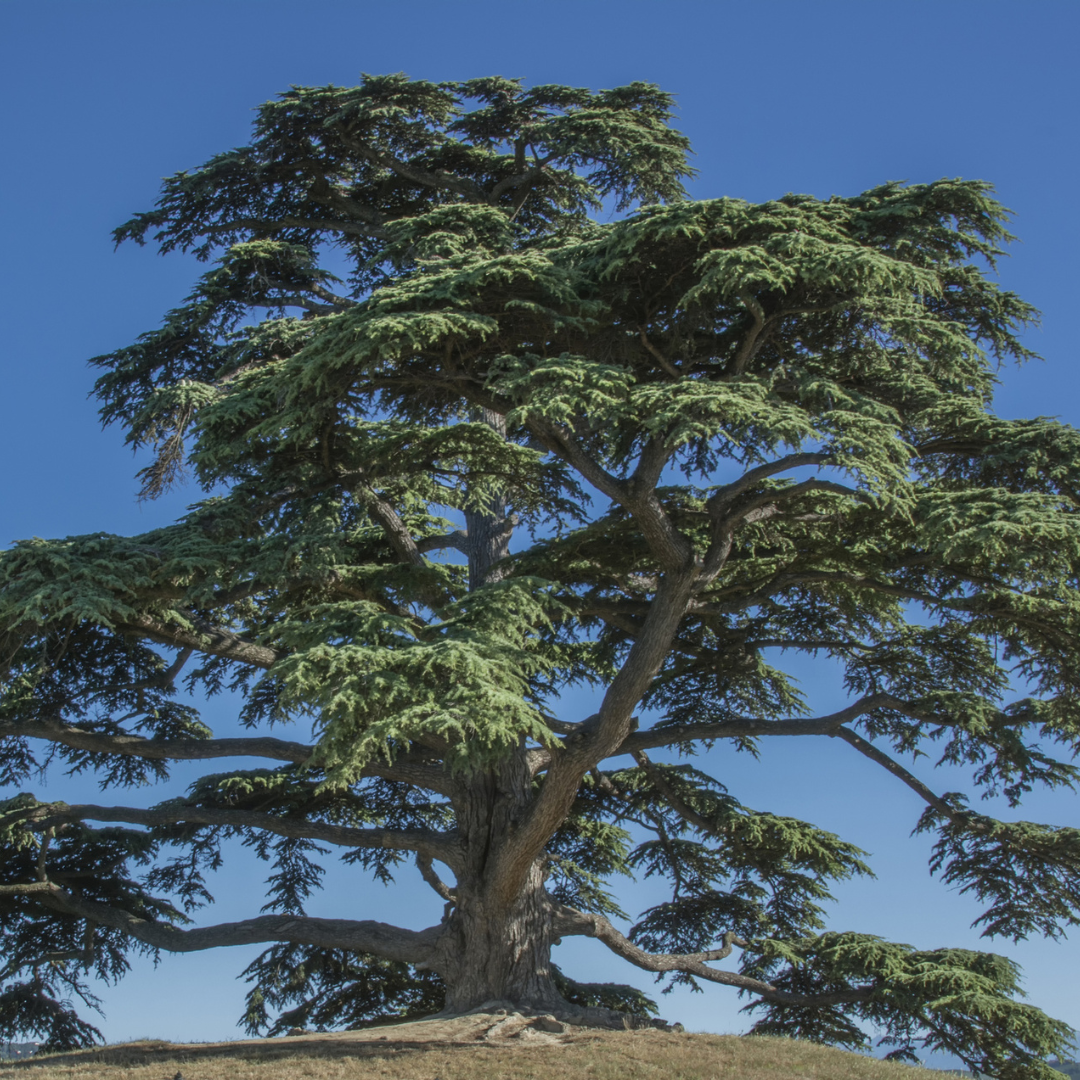
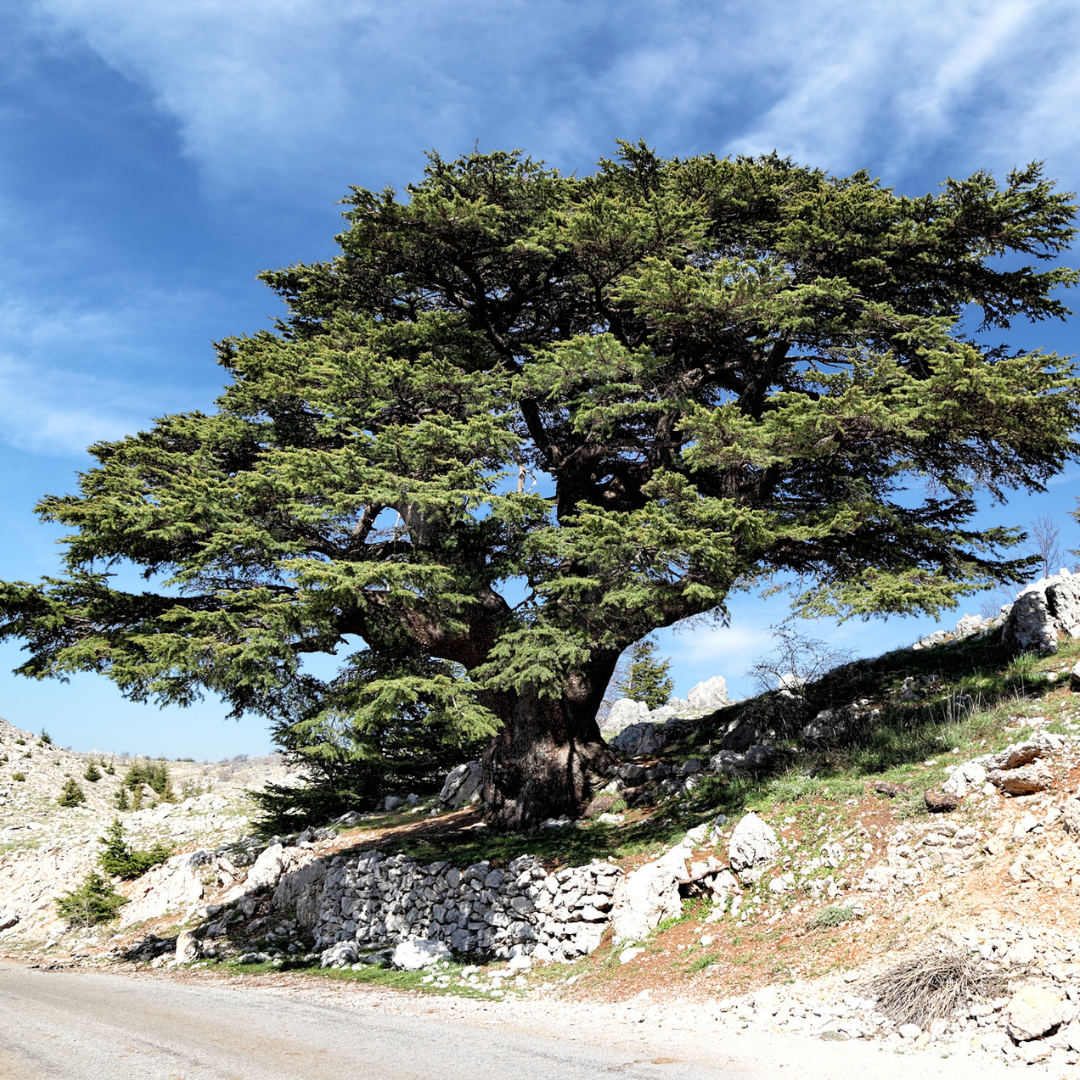
Cedrus libani, the Cedar of Lebanon, is the most historically and symbolically significant tree in the world. It appears in the Epic of Gilgamesh, the oldest written story in human history. It is mentioned over 70 times in the Old Testament. Solomon's Temple in Jerusalem was built from its timber. The Phoenicians built their trading fleets from it. The Egyptians used the resin to embalm their pharaohs. It appears on the flag of Lebanon today because it has been the defining symbol of that land for over 5,000 years. And it grows into one of the most magnificent specimen trees in the temperate world, with a spreading, flat-topped crown of horizontal branches and dense dark green needles that define the landscape of its native mountain home. If you are looking to buy Cedar of Lebanon seeds or grow this legendary tree from seed, nothing else carries this weight of history.
- The most historically significant tree in human civilization, mentioned in the oldest written texts
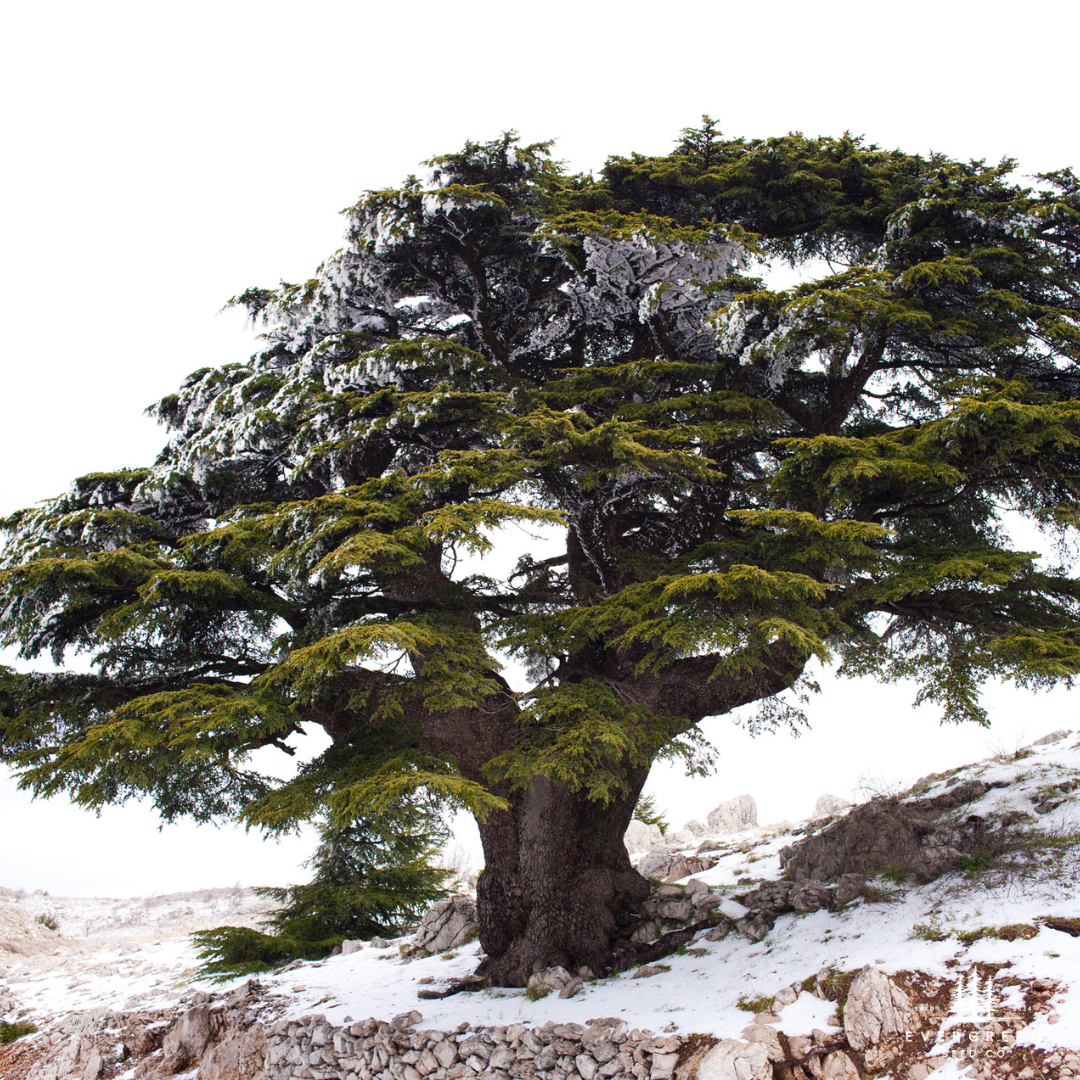
- Magnificent spreading flat-topped crown developing fully in maturity, unlike any other conifer
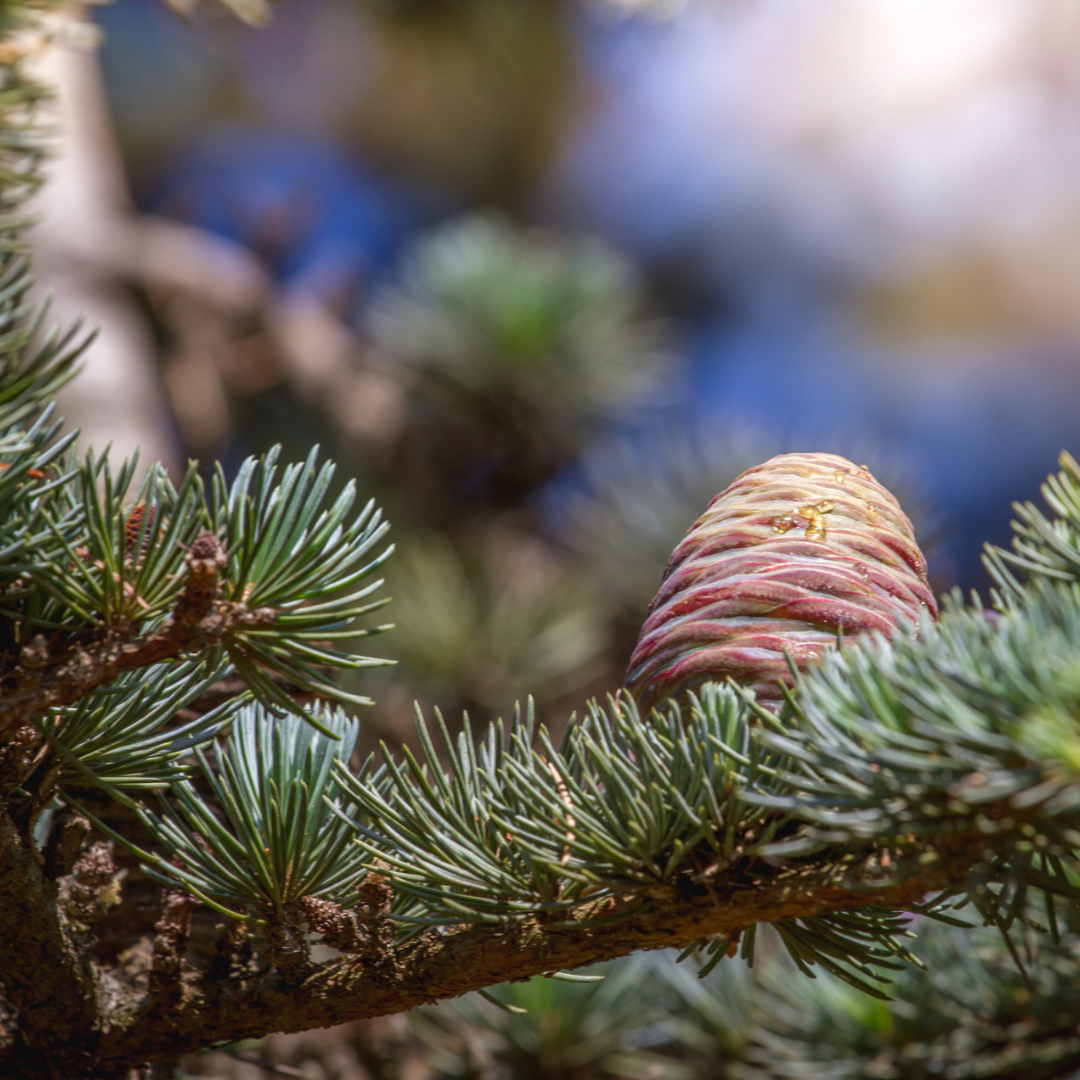
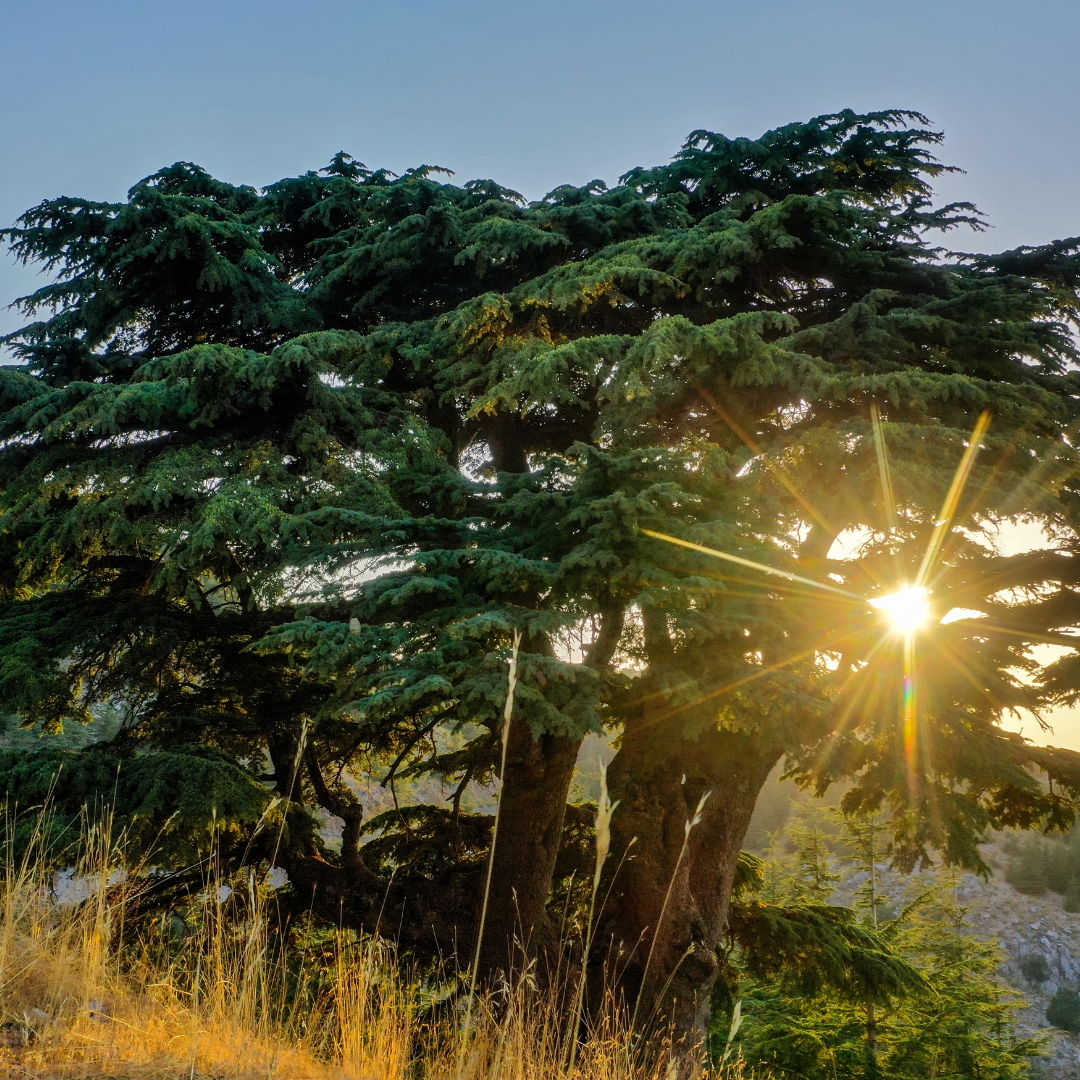
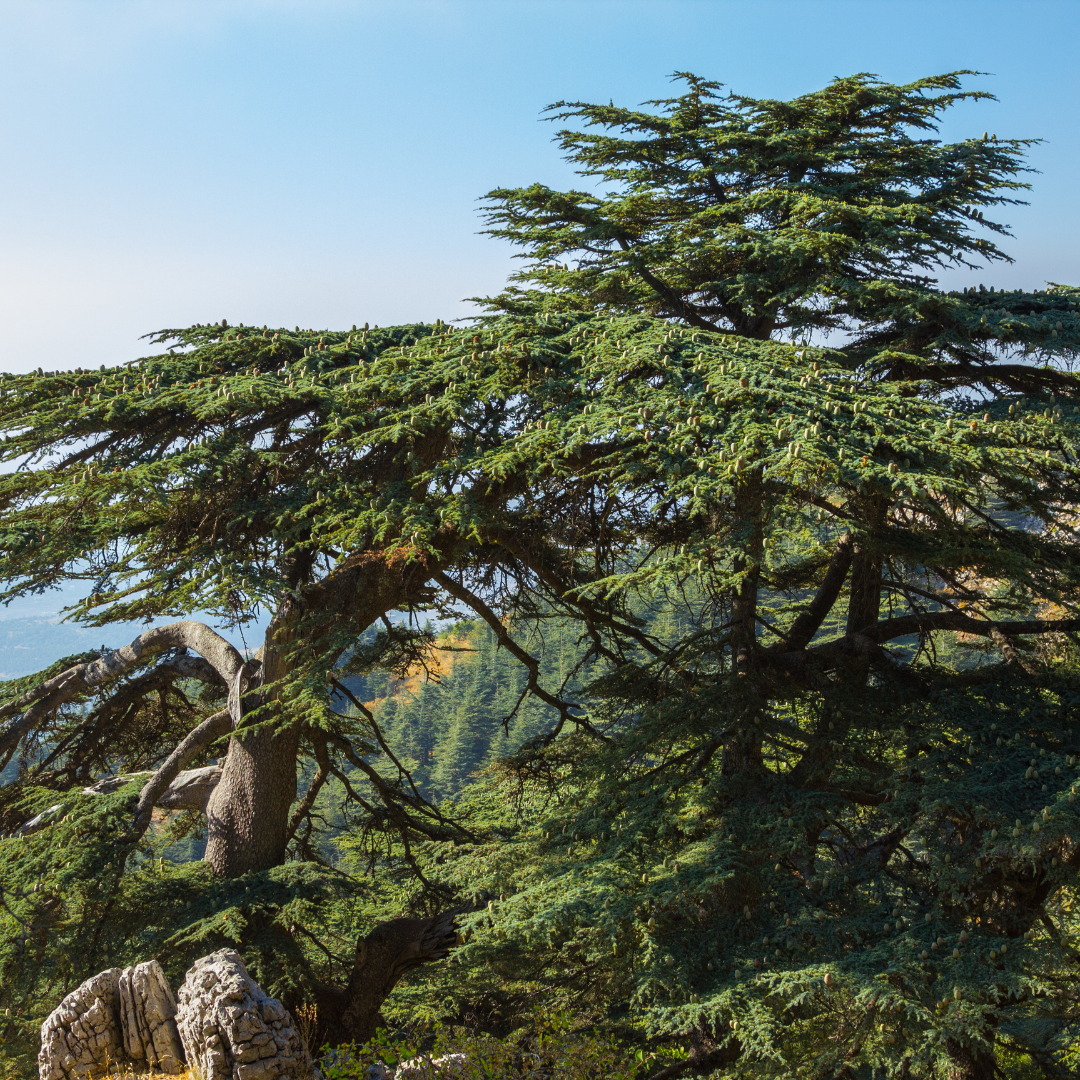
- Dense, dark green needles on stiff horizontal branches, distinctive and architectural in every season
- Cold-hardy and adaptable outside its native Lebanon, growing successfully across the temperate world
- Extremely long-lived, with wild specimens documented at over 1,000 years old
Things you probably did not know about the Cedar of Lebanon
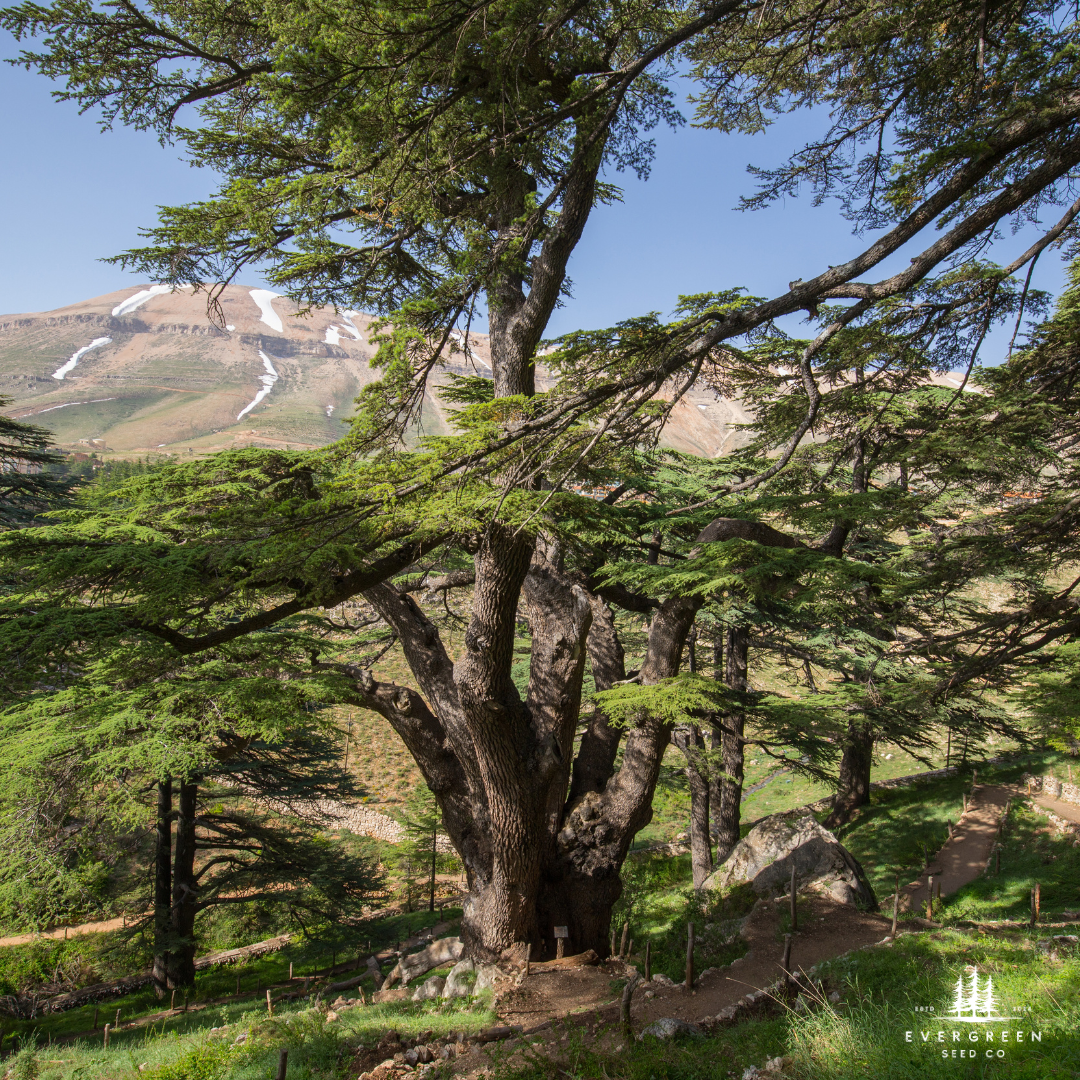
The ancient forests that built civilizations are almost entirely gone. The forests of Cedar of Lebanon once covered the entire mountain range along the eastern Mediterranean coast from Turkey to Israel. Thousands of years of logging to build temples, palaces, ships, and fuel for smelting removed virtually the entire forest. The famous Cedars of God grove near Bsharri in Lebanon, the most famous surviving stand, contains only about 375 mature trees. What remains is a tiny remnant of what once covered hundreds of thousands of acres.
The resin was used in Egyptian mummification. Cedar resin from Lebanon was imported to Egypt in enormous quantities and used in the embalming process, applied internally and externally to preserve the bodies of pharaohs and nobles. The resin has genuine antimicrobial properties that contributed to the extraordinary preservation of Egyptian mummies. Analysis of mummy resin samples has confirmed Cedar of Lebanon as the primary source.
It grows perfectly well far from the Middle East. Despite its legendary association with the mountains of Lebanon, Cedar of Lebanon has been successfully cultivated across Europe and North America since the 17th century. Magnificent specimens over 200 years old grow in Britain, France, and North America. It proved far more adaptable than its exotic origin suggested, tolerating cold, drought, and poor soils with reliable resilience.
The wood repels insects naturally. Cedar of Lebanon wood contains aromatic terpenoid compounds that inhibit insect activity, which is one of the reasons ancient builders preferred it for precious structures. The same compounds that gave Solomon's Temple its legendary fragrance also protected it from the wood-boring insects that destroyed buildings constructed from less durable materials.
Growing Details
- Botanical Name: Cedrus libani
- Stratification: Required, 30 to 60 days cold stratification
- USDA Zones: 5 to 8
- Soil: Well-drained, tolerates poor, rocky, or alkaline soils
- Light: Full sun
- Height: 40 to 70 feet, occasionally larger in ideal conditions
- Spread: 40 to 70 feet at maturity
- Growth Rate: Slow when young, moderate as it establishes, 1 to 2 feet per year
Plant it where it has room to become what it is meant to be. A Cedar of Lebanon in full maturity is one of the most magnificent things you can grow in a temperate garden.
FAQ
FAQ
Do you pre-stratify the seeds?
Most of our seeds are not pre-stratified. We ship them unstratified so you can control germination timing based on your local growing season. We sell to all 50 U.S. states and Canadian provinces, and since each region has different planting windows, pre-stratifying would risk seeds germinating in transit or before you're ready to plant.
True stratification requires cold, moist conditions, which can lead to premature sprouting or mold if not timed properly. To avoid this, we store most seeds in dry cold conditions to preserve viability — but this does not initiate stratification.
Do any of your seeds need to stay moist? (Recalcitrant seeds)
Yes — some species we offer are recalcitrant, meaning they must remain moist to stay viable and cannot be dried out. Examples include: Chestnut, Hazelnut, Paw Paw, etc.
These seeds are shipped in moist cold storage and are clearly labeled on the product page when applicable. Please refrigerate immediately upon arrival and follow included care instructions.
Do you ship internationally?
We currently ship to the United States and Canada only. Unfortunately, we cannot ship to other countries without a phytosanitary certificate, which is required by most international customs agencies.
If you're interested in shipping outside North America, please contact us. Note that a phytosanitary certificate typically adds $60–$80 USD per seed type and must be arranged in advance.
Shipping & What's Included
Shipping & What's Included
Shipping & Packaging
Hand-packed in resealable zipper kraft paper seed bags
Stratification and planting instructions included with every order
1 free bonus seed pack included with every order
Ships within 3–5 business days via USPS
Return Policy
Return Policy
Due to the nature of our products, we do not accept returns on seeds.
However, if your order arrives damaged or incorrect, please contact us within 7 days and we’ll make it right.