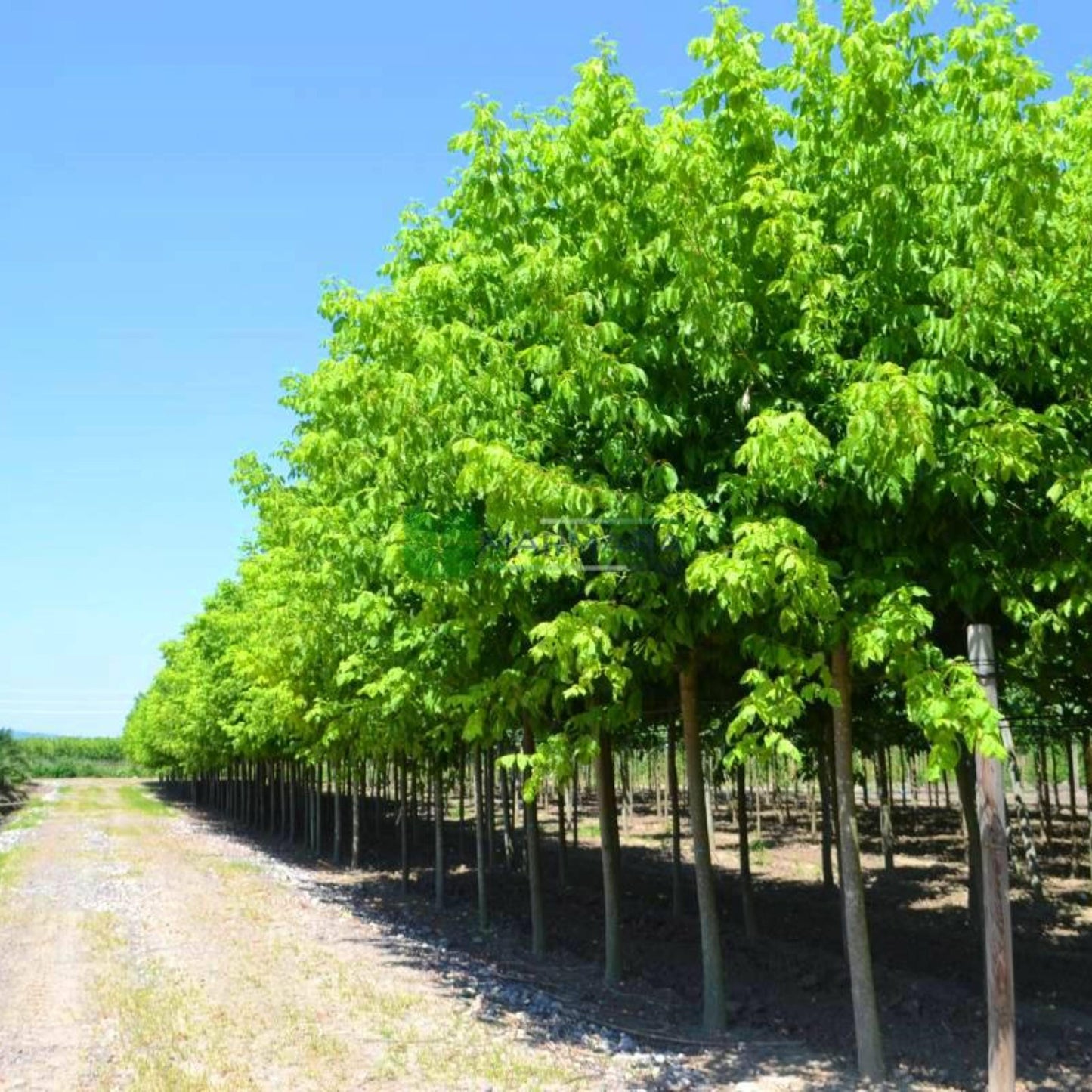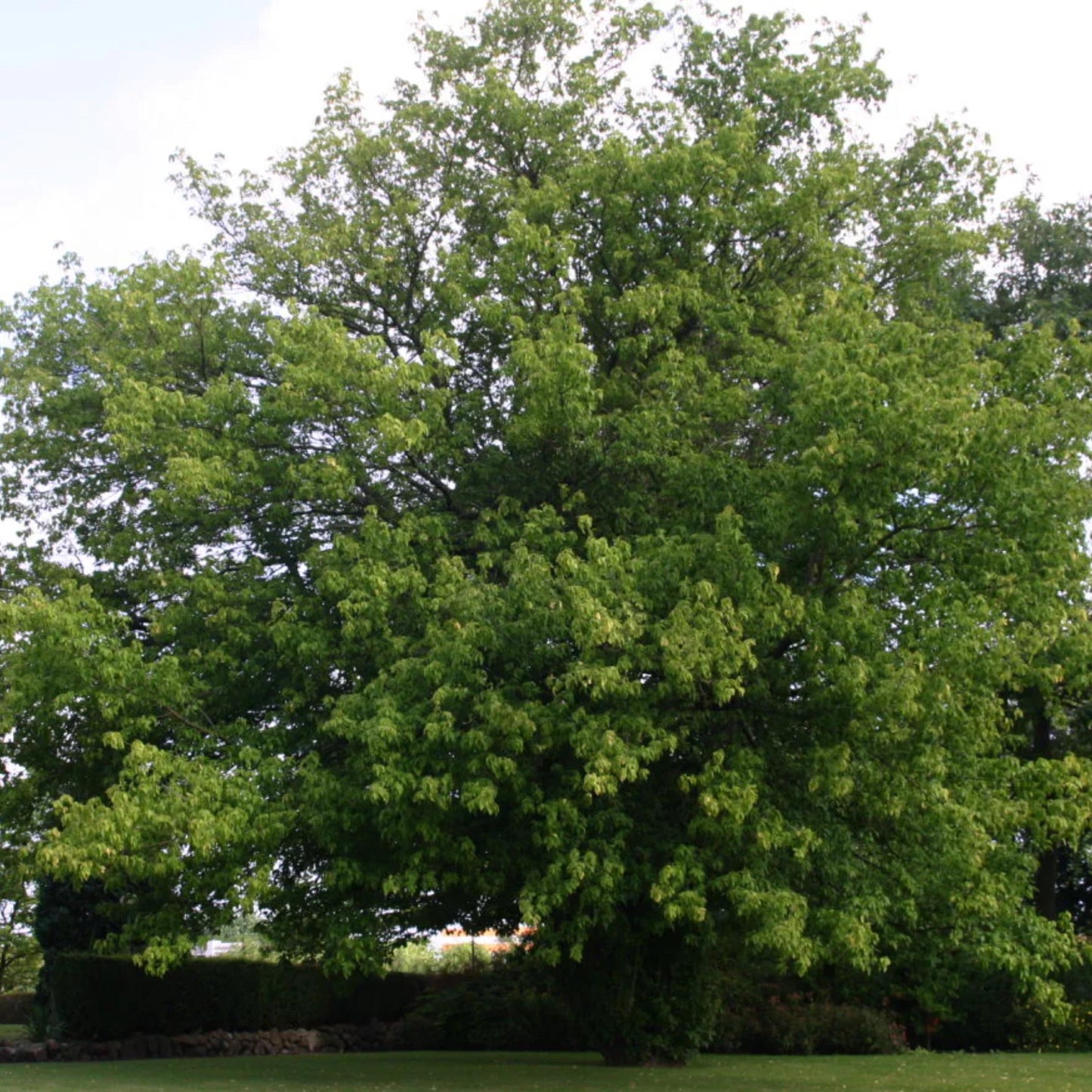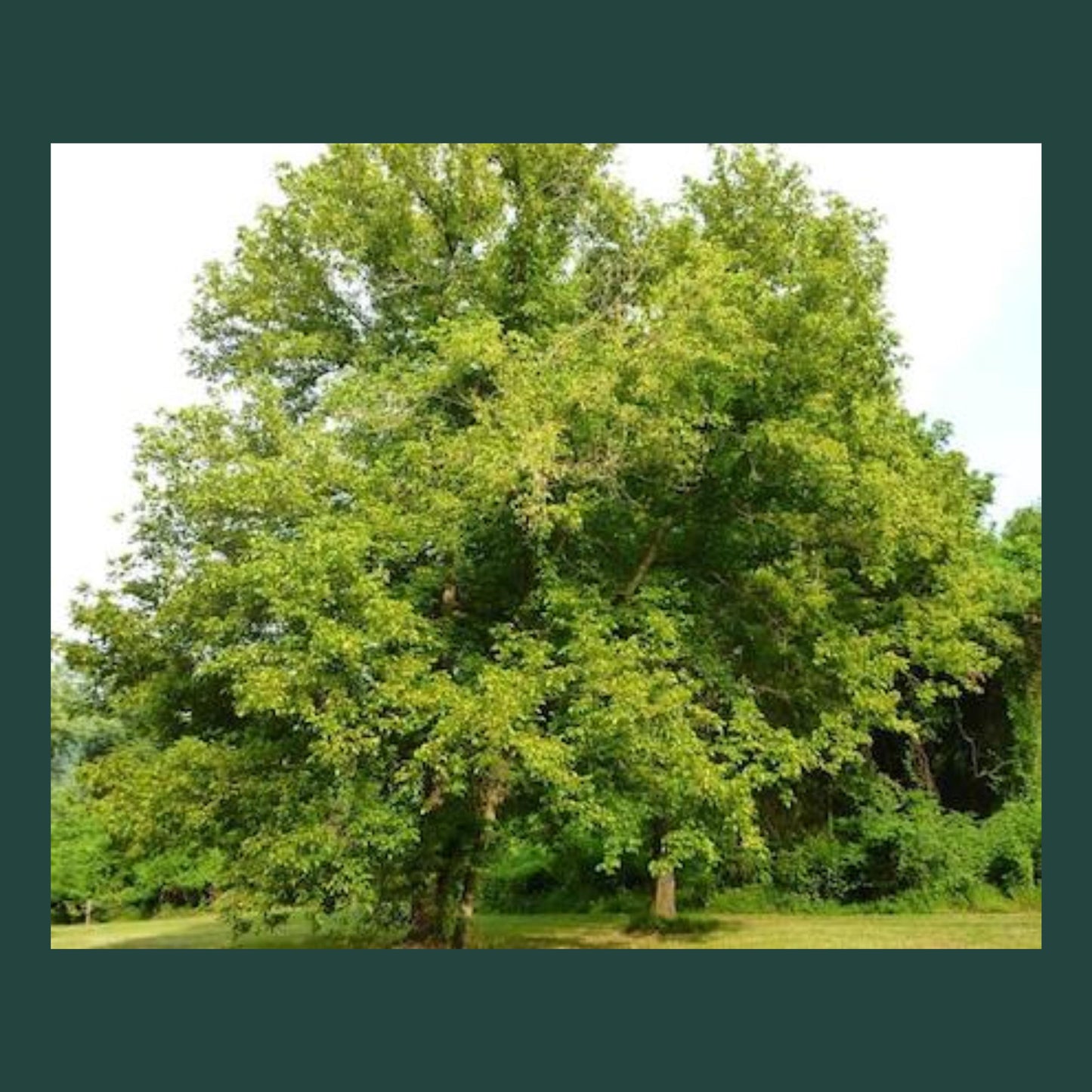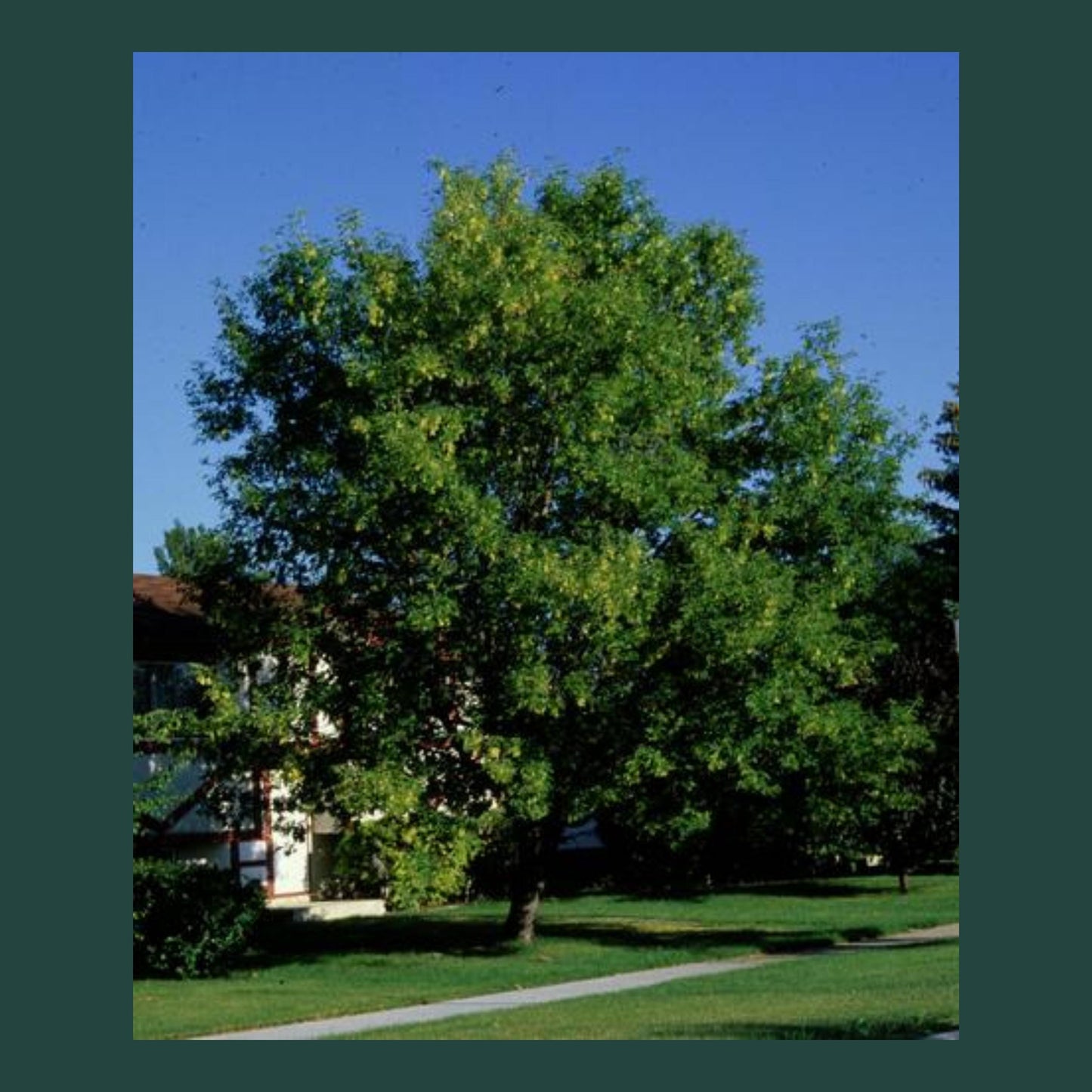


Box Elder Tree Seeds | Ash-Leaf Maple | (Acer negundo)
Box Elder Tree Seeds | Ash-Leaf Maple | (Acer negundo)
The maple that acts like an ash. Tough, fast, and wildly underrated.
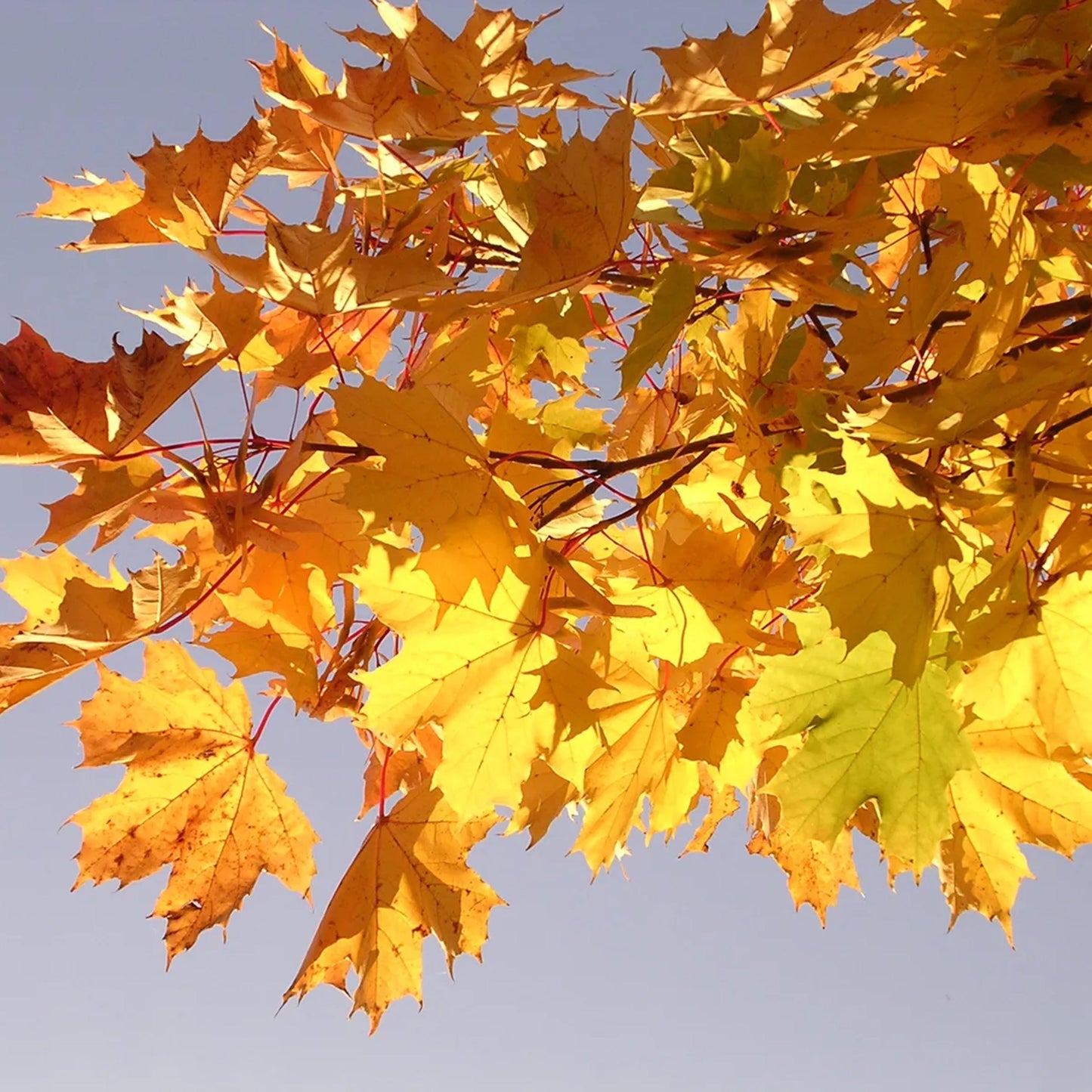
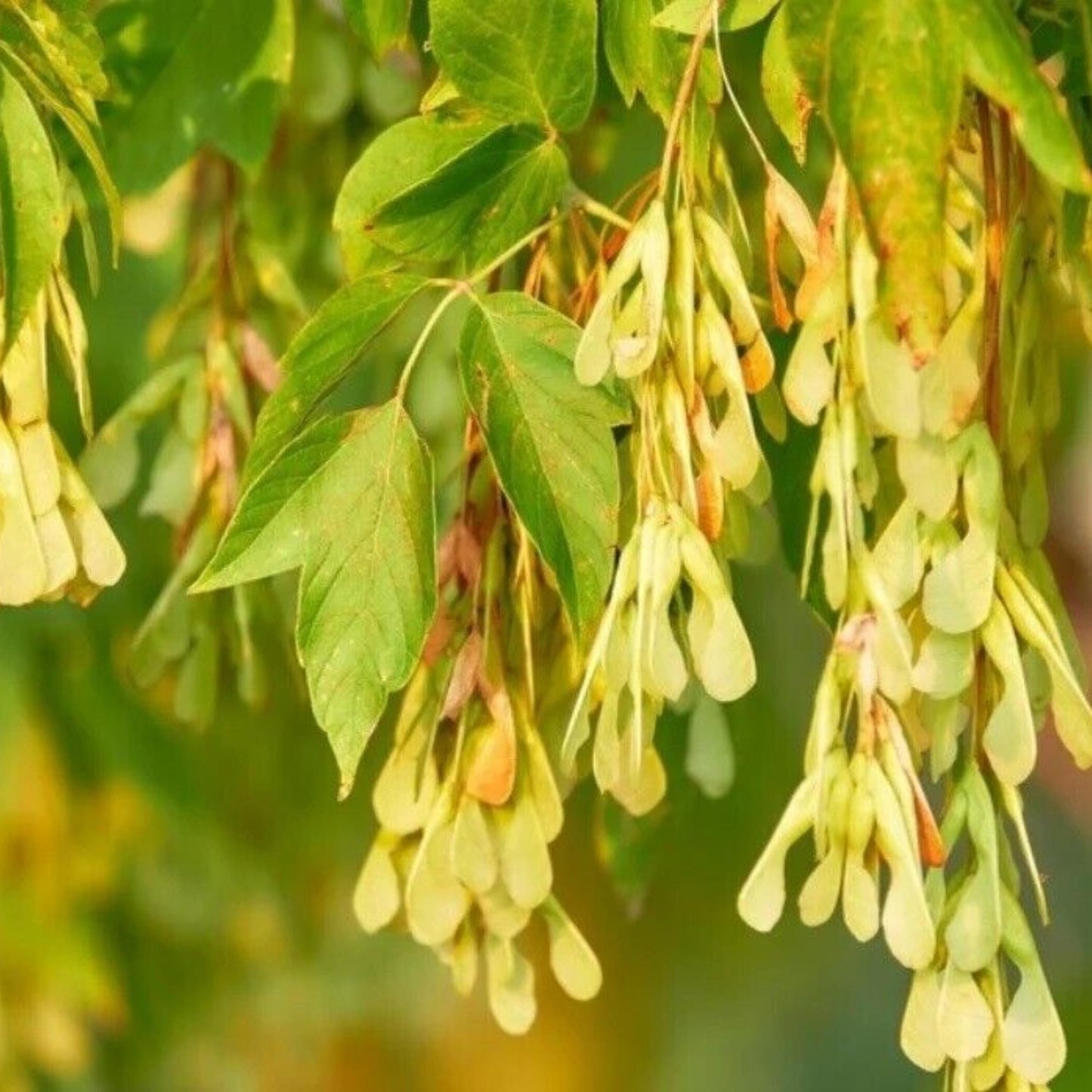
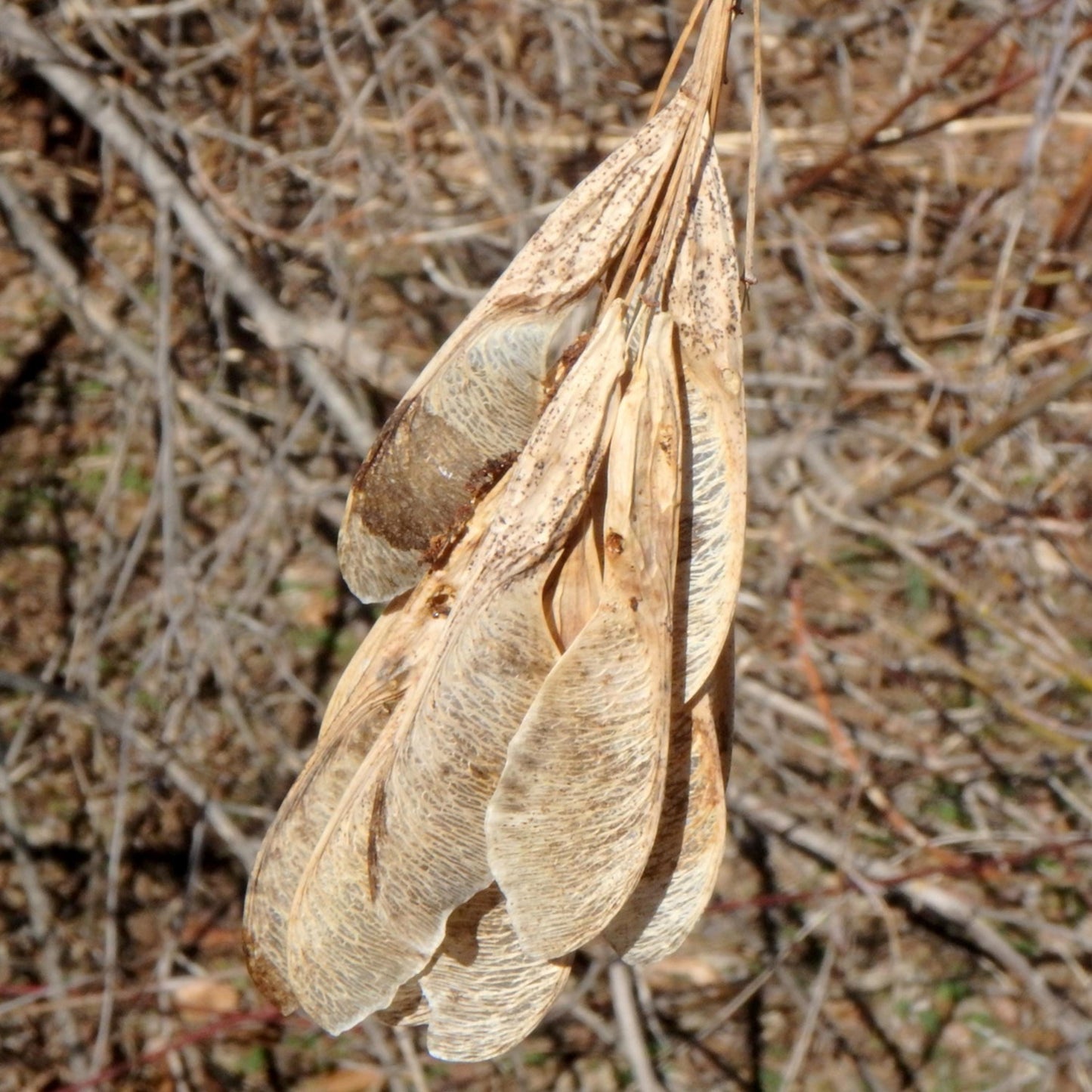
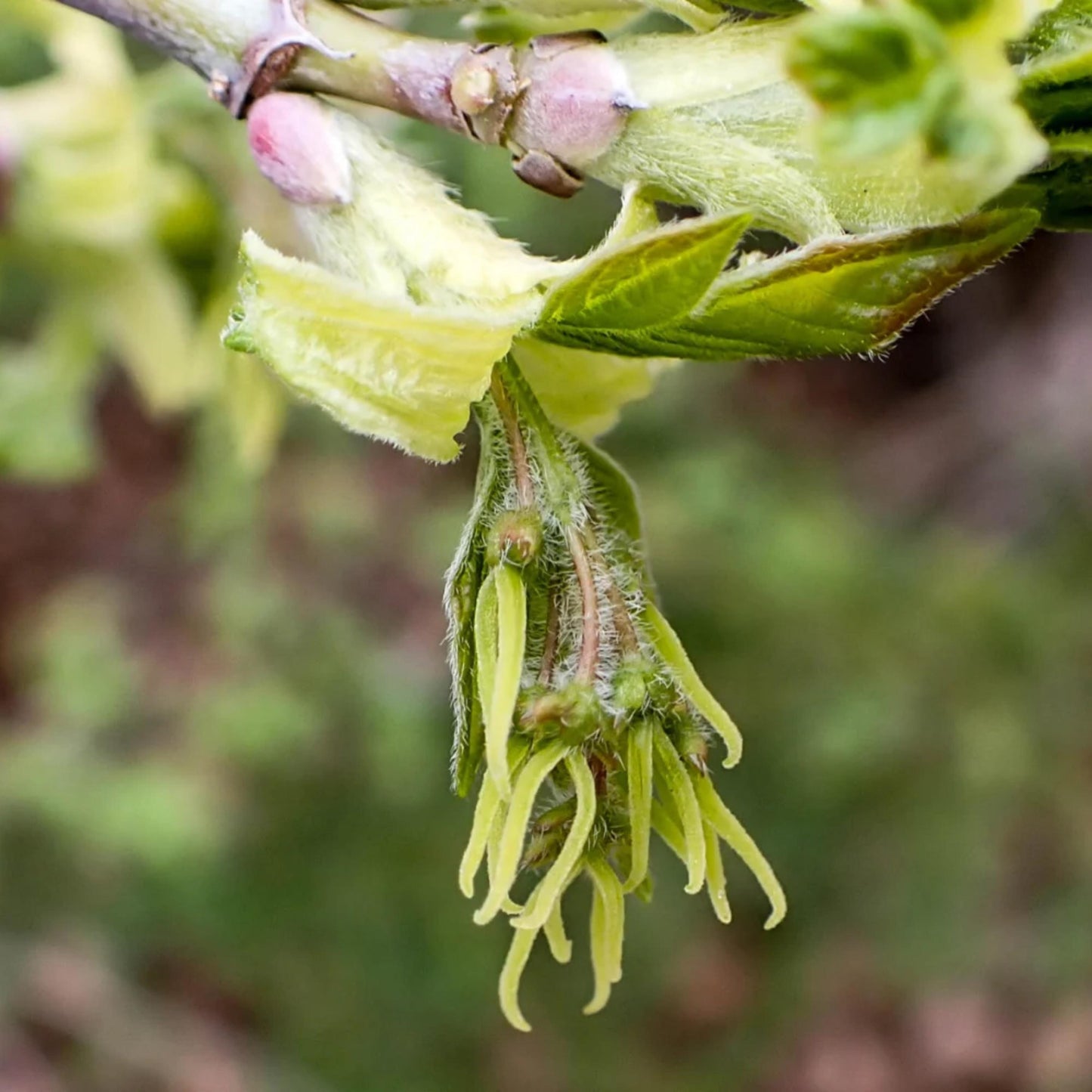
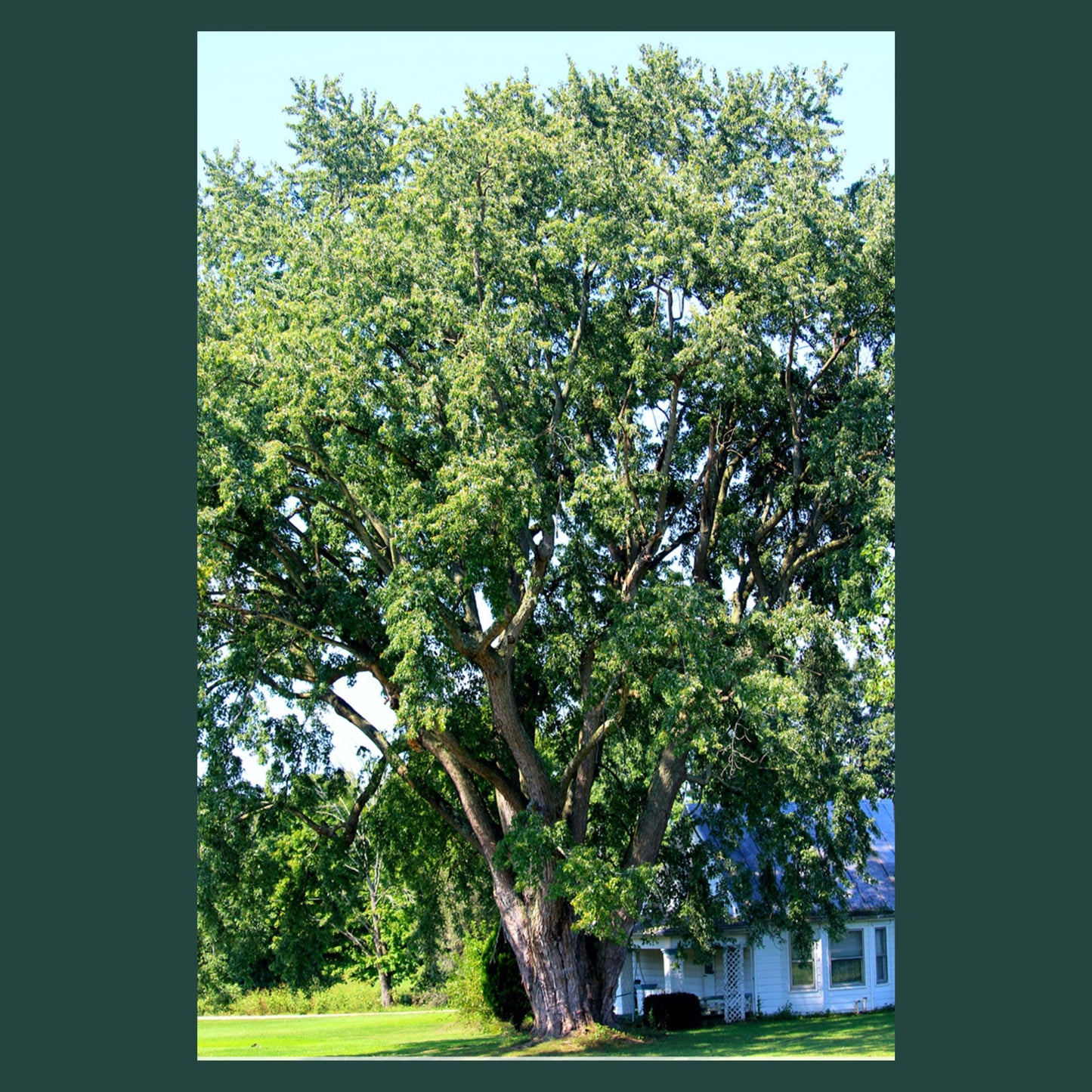
Acer negundo, the Box Elder, is the most widely distributed maple in North America and the one that gets the least respect, dismissed as a weedy pioneer tree while quietly doing some of the most important ecological work on the continent. It colonizes disturbed ground, stream banks, and floodplains faster than any other native maple, stabilizing eroding soils and creating canopy where nothing else establishes. Its compound leaves, unique among all maples, give it the look of an ash until the paired maple samaras appear in fall. It tolerates flooding, drought, alkaline soils, and urban heat with a resilience that puts more celebrated trees to shame. And the Box Elder Bug, one of the most distinctive insects of the eastern and central United States, depends on it almost exclusively. If you are looking to buy Box Elder seeds or grow Acer negundo from seed, this is the native maple that built the banks of every river in the Midwest.
- The most widely distributed native maple in North America, found coast to coast and border to border
- Exceptionally fast-growing, one of the fastest-establishing native maples for quick canopy and bank stabilization
- Unique compound leaves unlike any other maple, giving it a distinctive appearance in every season
- Tolerates flooding, drought, alkaline soils, and urban stress better than most maples
- Critical food tree for evening grosbeaks, purple finches, and Box Elder Bugs
Things you probably did not know about the Box Elder
It is the only maple in the world with compound leaves. Every other maple species produces simple leaves with lobed margins. Box Elder evolved compound leaves of three to seven leaflets that more closely resemble ash or elder leaves than any other maple. This convergence on the compound leaf form, presumably an adaptation to the riparian and floodplain conditions where it grows, is one of the most unusual evolutionary departures in the maple family.
Evening grosbeaks irrupt into North America following Box Elder seed crops. Evening Grosbeaks, the spectacular yellow and black finches of northern forests, stage irregular winter southward irruptions into the United States in years of poor food availability in the boreal forest. Box Elder seeds are a primary food source during these irruptions, and the correlation between Box Elder mast years and grosbeak winter abundance has been documented by ornithologists for decades. A box elder in full seed in winter can draw dozens of grosbeaks at once.
Indigenous peoples tapped it for sap along with Sugar Maple. Box Elder sap is thin and relatively low in sugar compared to Sugar Maple, but it flows abundantly in early spring and was tapped and boiled for syrup by Indigenous peoples across the Great Lakes and Great Plains regions where Sugar Maple does not grow. The syrup produced is lighter in flavor and color than maple syrup but was a valuable sweetener in regions where Sugar Maple was unavailable.
The wood was used for wooden bowls and utensils. Despite its reputation as low-value timber, Box Elder wood has a tendency to produce figured grain patterns including bird's eye, curly, and quilted figure that are prized by woodworkers for decorative turnings, bowls, and small craft objects. The reddish-orange heartwood sometimes produced by Box Elder trees infected with a specific fungus is particularly striking and commands premium prices from specialty wood suppliers.
Growing Details
- Botanical Name: Acer negundo
- Stratification: Required, 30 to 60 days cold stratification
- USDA Zones: 2 to 9
- Soil: Extremely adaptable, tolerates poor, dry, wet, alkaline, or compacted soils
- Light: Full sun to partial shade
- Height: 35 to 60 feet
- Spread: 30 to 50 feet
- Growth Rate: Very fast, 3 to 5 feet per year in ideal conditions
Plant it where you need fast canopy, bank stabilization, or quick wildlife value in a difficult site. It will do the job without being asked twice.
FAQ
FAQ
Do you pre-stratify the seeds?
Most of our seeds are not pre-stratified. We ship them unstratified so you can control germination timing based on your local growing season. We sell to all 50 U.S. states and Canadian provinces, and since each region has different planting windows, pre-stratifying would risk seeds germinating in transit or before you're ready to plant.
True stratification requires cold, moist conditions, which can lead to premature sprouting or mold if not timed properly. To avoid this, we store most seeds in dry cold conditions to preserve viability — but this does not initiate stratification.
Do any of your seeds need to stay moist? (Recalcitrant seeds)
Yes — some species we offer are recalcitrant, meaning they must remain moist to stay viable and cannot be dried out. Examples include: Chestnut, Hazelnut, Paw Paw, etc.
These seeds are shipped in moist cold storage and are clearly labeled on the product page when applicable. Please refrigerate immediately upon arrival and follow included care instructions.
Do you ship internationally?
We currently ship to the United States and Canada only. Unfortunately, we cannot ship to other countries without a phytosanitary certificate, which is required by most international customs agencies.
If you're interested in shipping outside North America, please contact us. Note that a phytosanitary certificate typically adds $60–$80 USD per seed type and must be arranged in advance.
Shipping & What's Included
Shipping & What's Included
Shipping & Packaging
Hand-packed in resealable zipper kraft paper seed bags
Stratification and planting instructions included with every order
1 free bonus seed pack included with every order
Ships within 3–5 business days via USPS
Return Policy
Return Policy
Due to the nature of our products, we do not accept returns on seeds.
However, if your order arrives damaged or incorrect, please contact us within 7 days and we’ll make it right.