



American Plum Tree Seeds | Wild Plum | (Prunus americana)
American Plum Tree Seeds | Wild Plum | (Prunus americana)
Tart, wild, and worth every bite. The native plum that feeds everything.
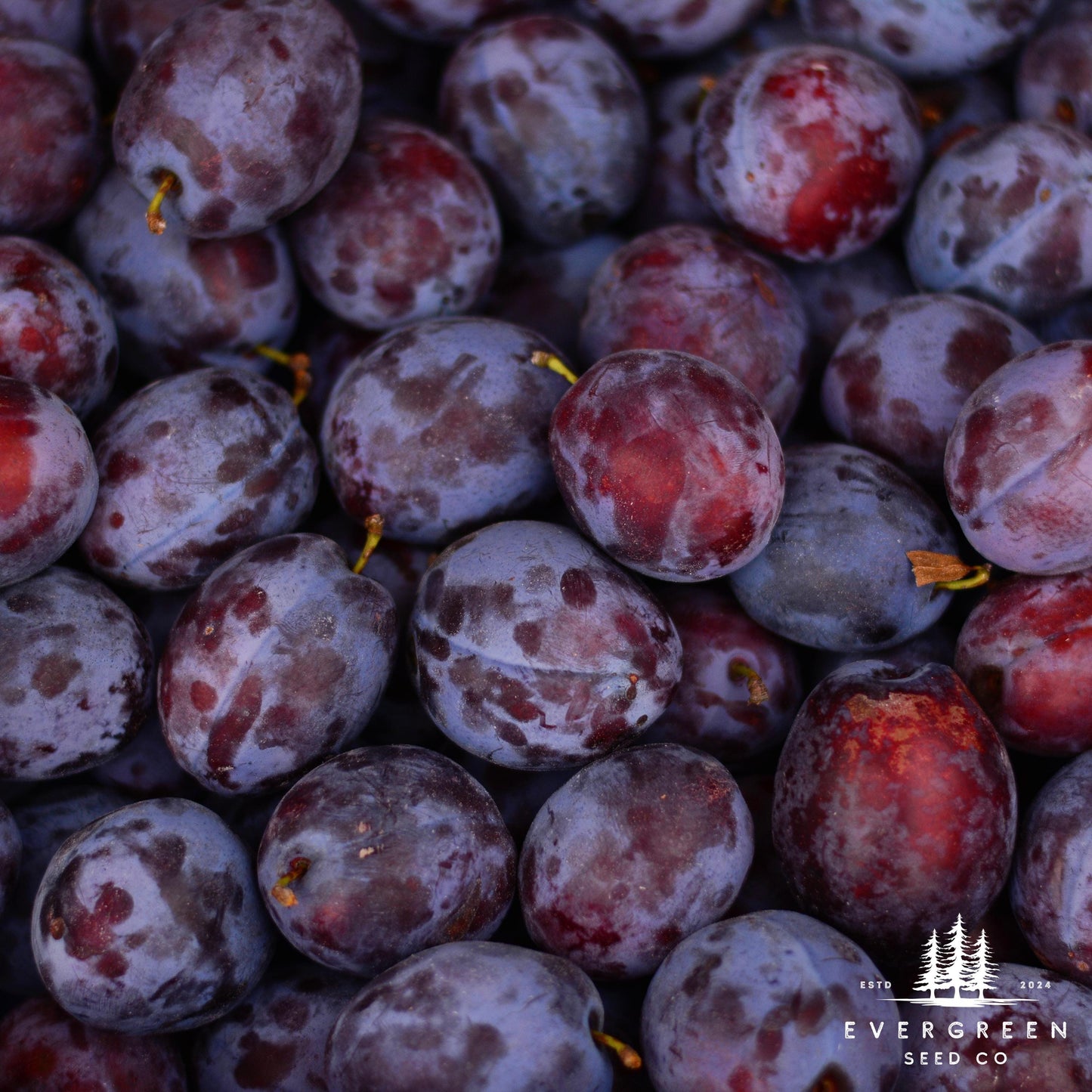
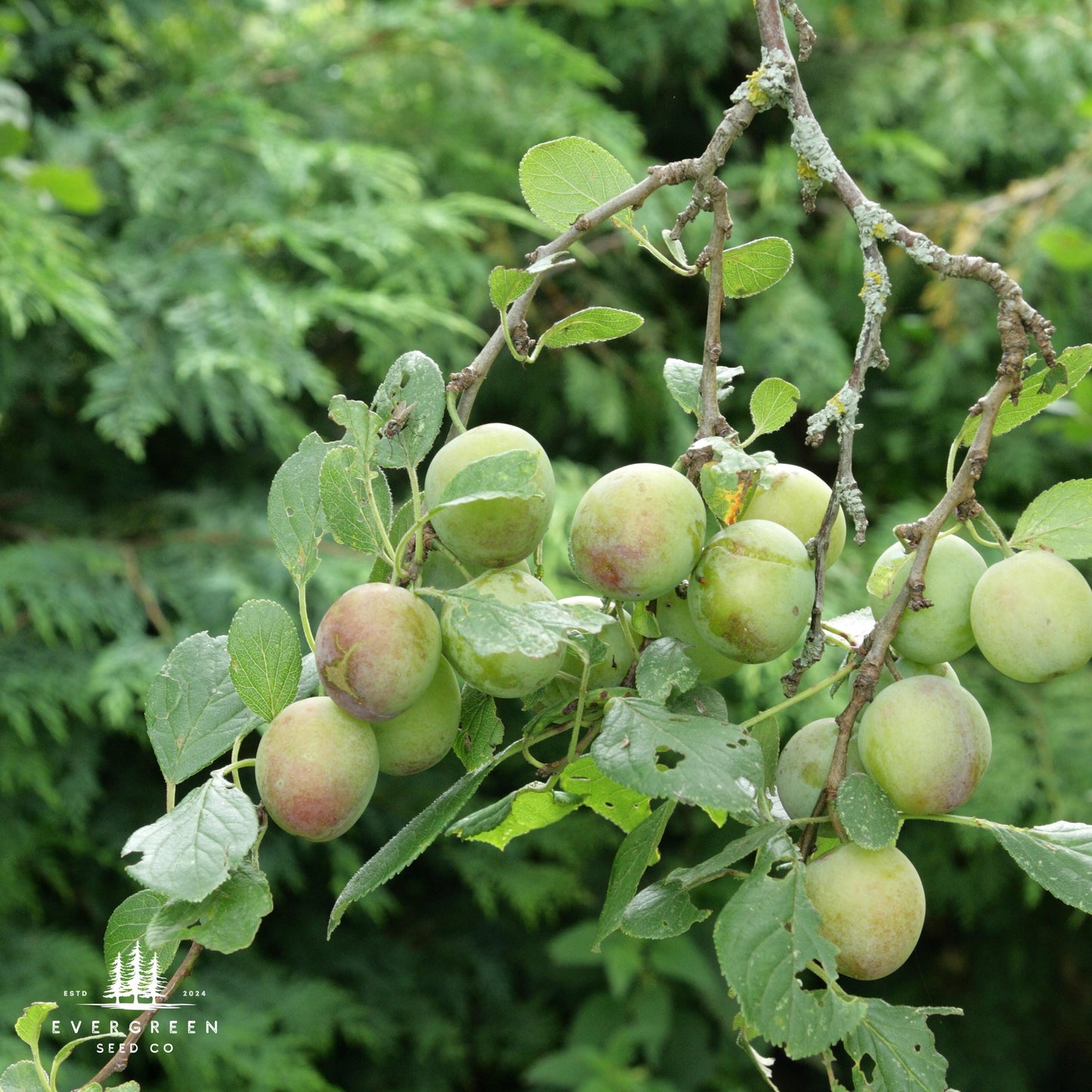
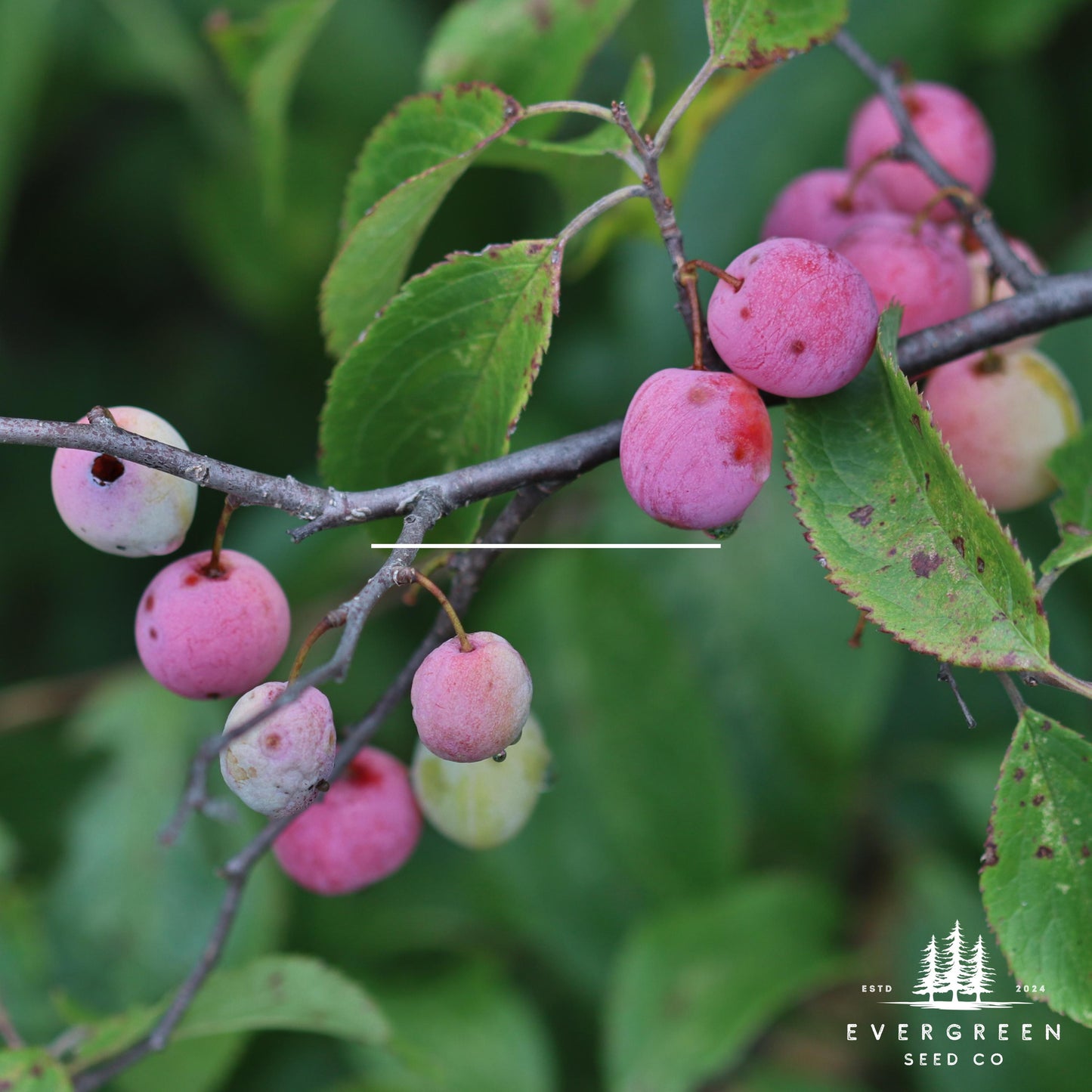
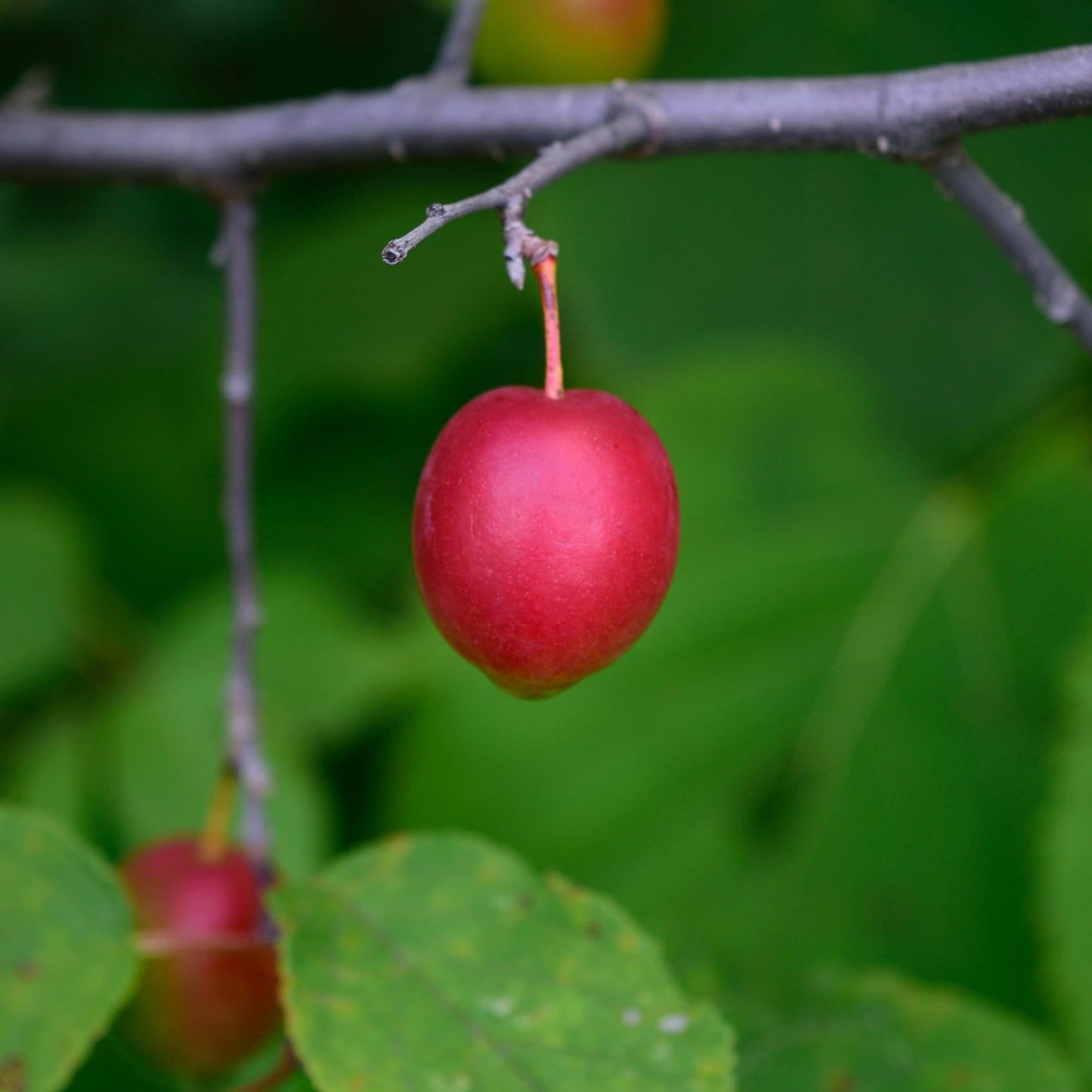
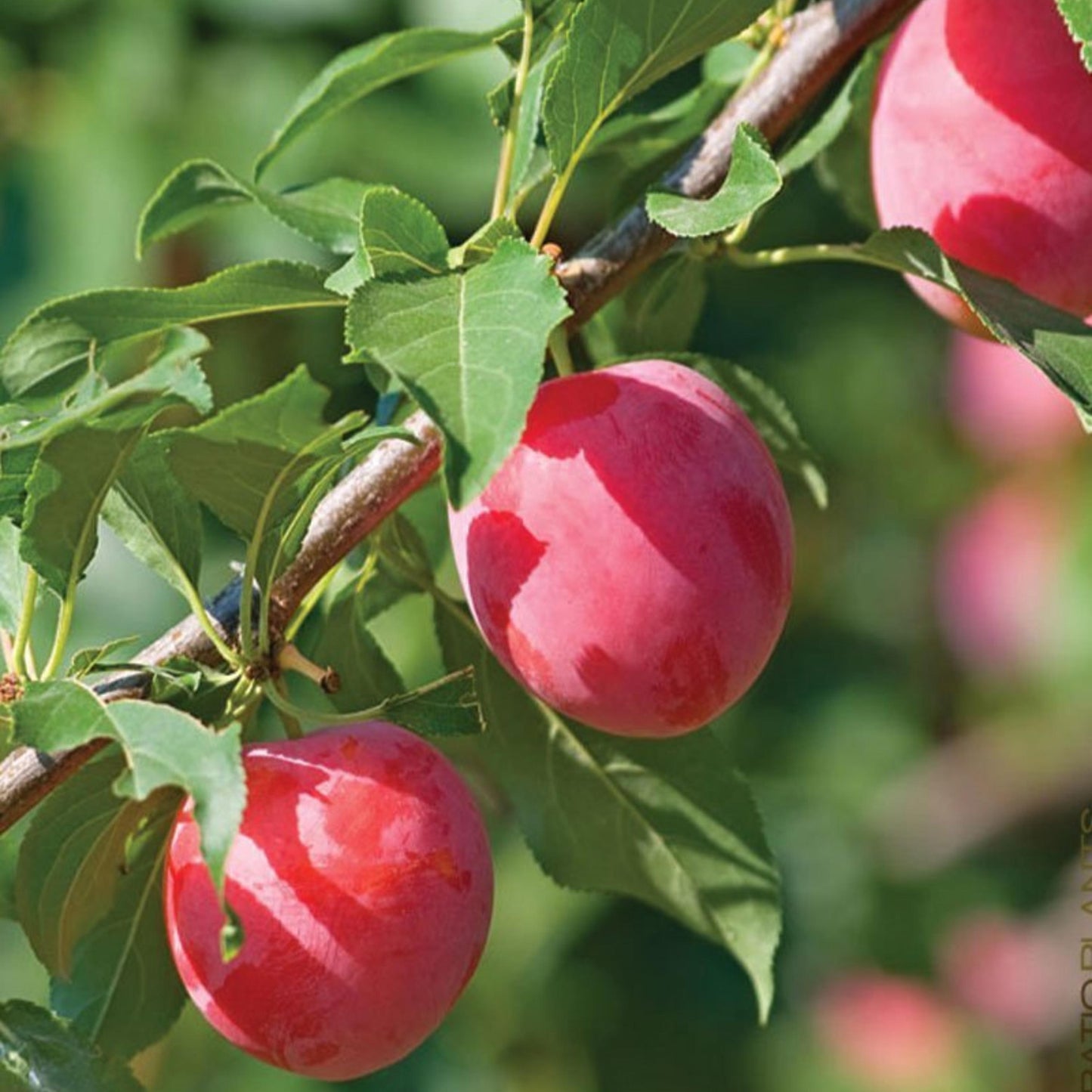
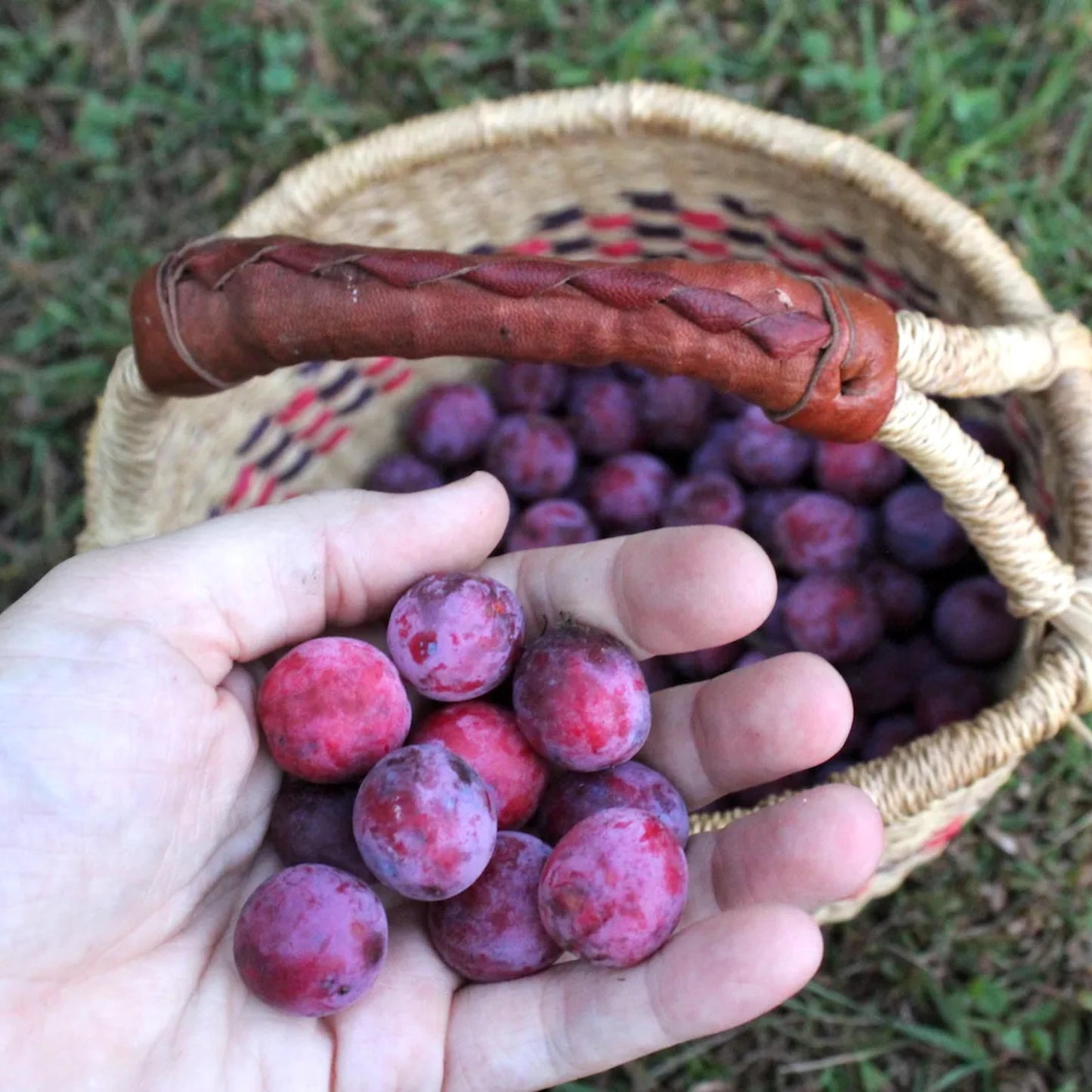
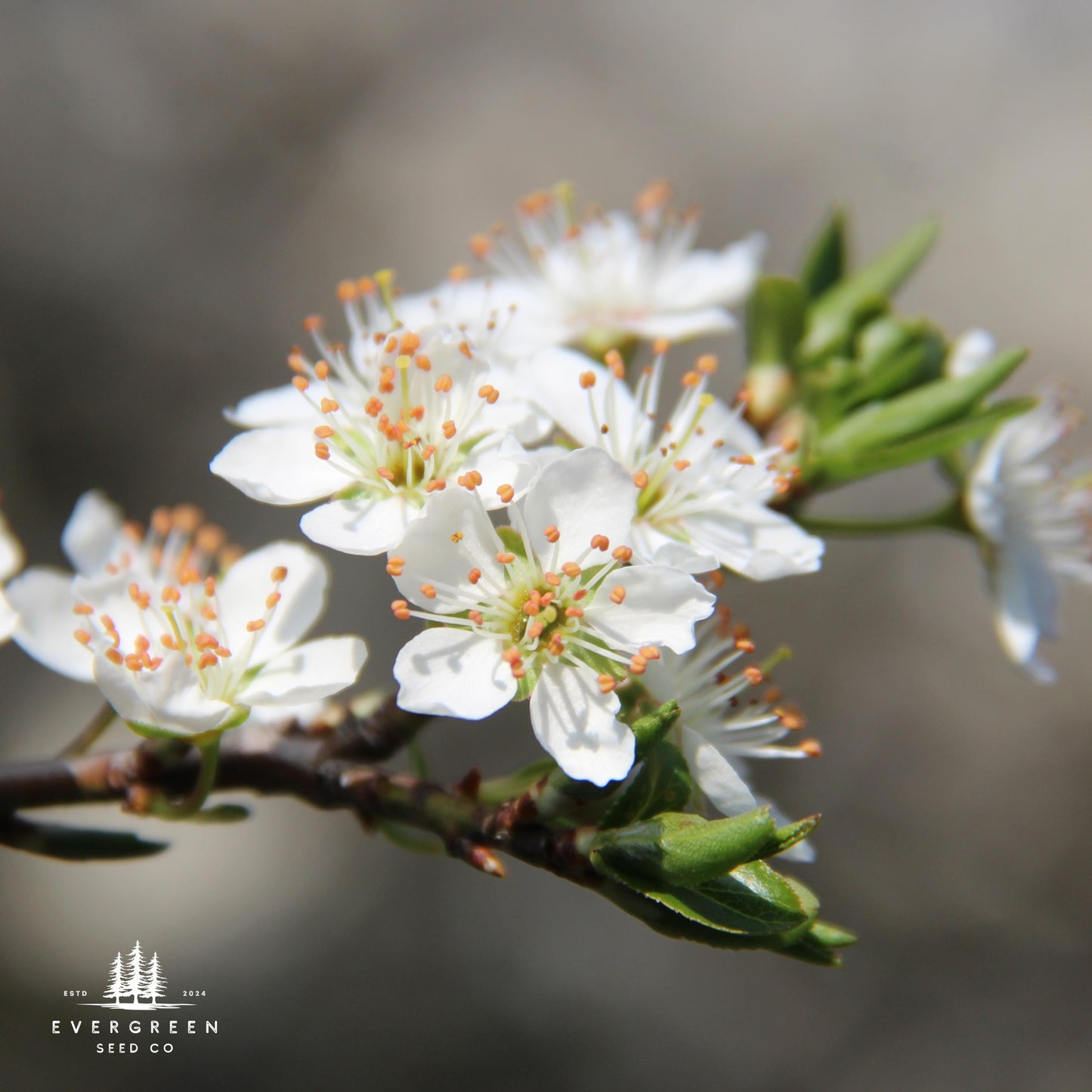
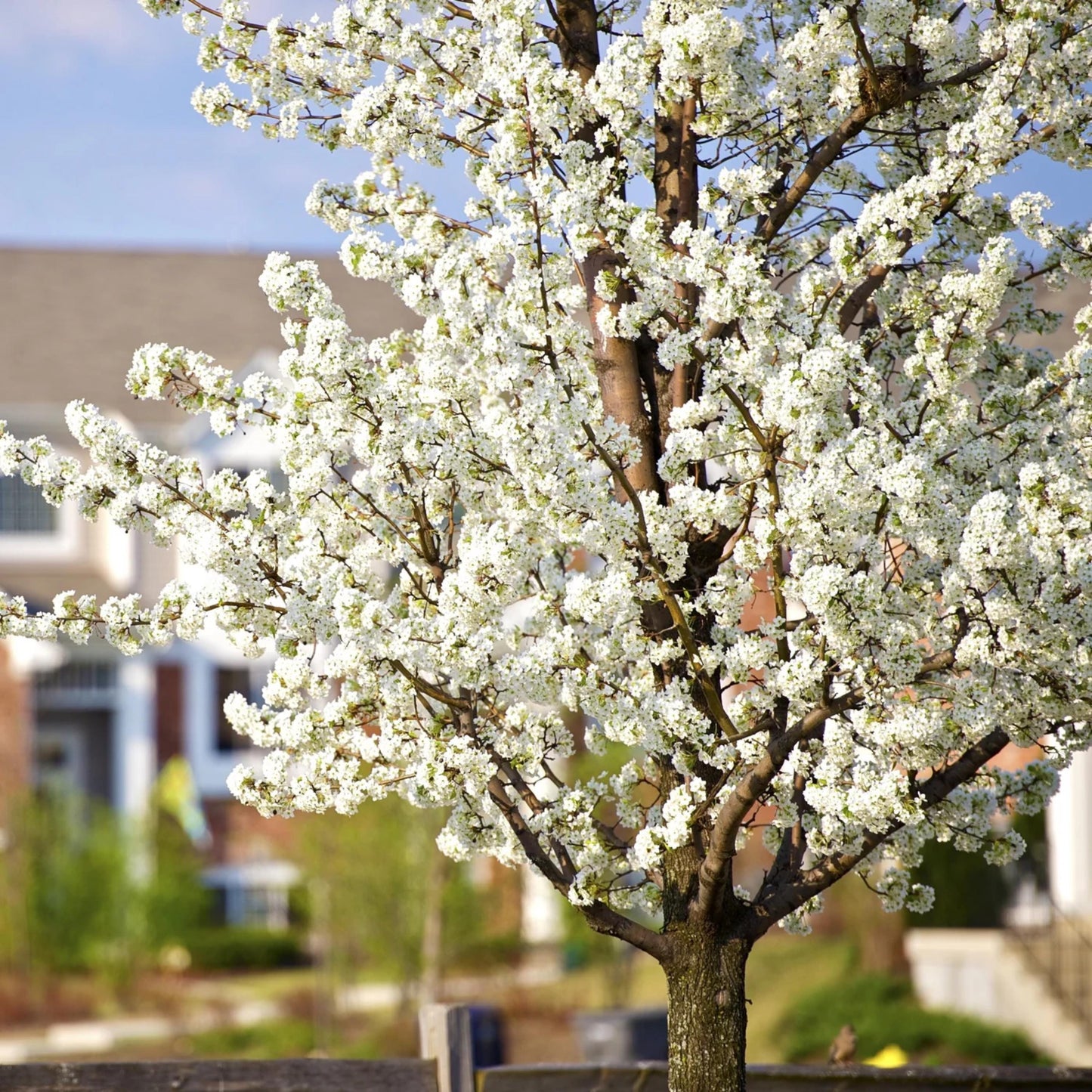
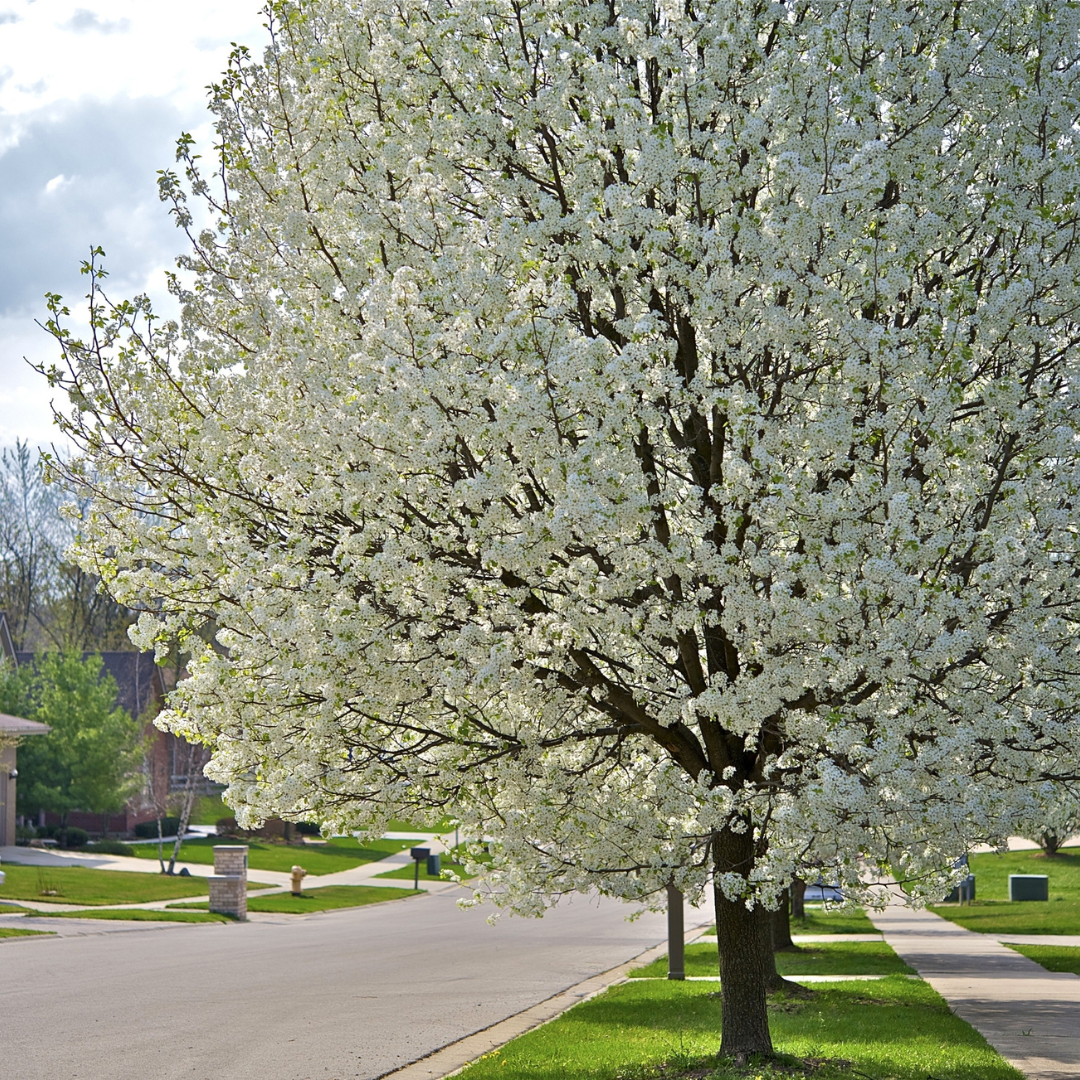
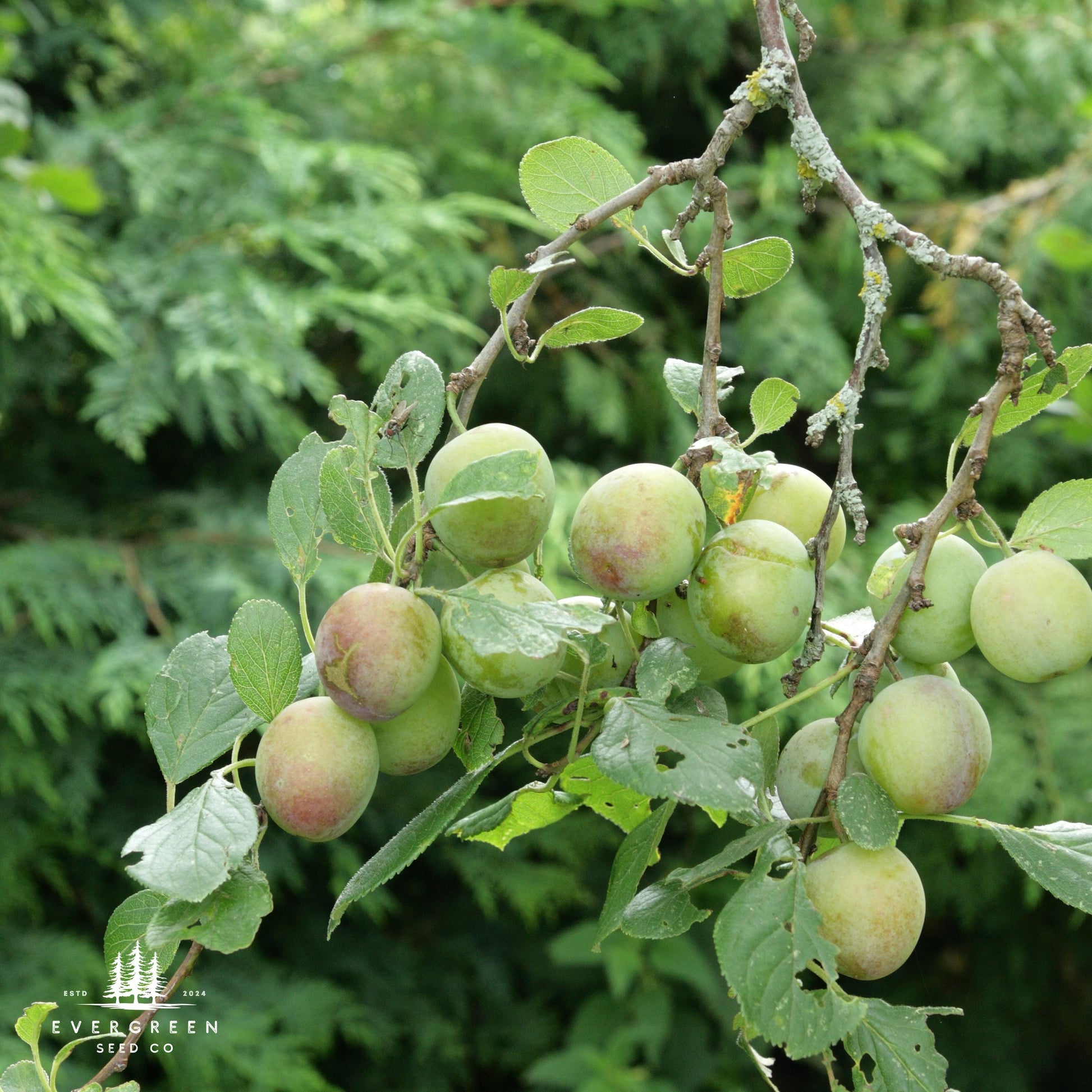
Prunus americana, the American Plum, is the most widely distributed native plum in North America, a tough, thicket-forming small tree that produces clouds of fragrant white blossoms in early spring and heavy crops of small, tart, deeply flavored plums in late summer. It has fed Indigenous peoples, settlers, wildlife, and foragers for thousands of years and is still one of the most productive and ecologically valuable native trees you can plant. It grows on poor soils, tolerates drought, spreads by root suckers to form dense wildlife cover, and blooms early enough to be a critical first nectar source for pollinators in spring. If you are looking to buy American Plum seeds or grow native plum from seed, this is the edible native that asks for almost nothing and gives back more than you expect.
- Fragrant white blossoms in early spring among the earliest flowering native trees, critical for pollinators
- Heavy crops of small, tart, richly flavored plums used for jelly, wine, and fresh eating
- Native across nearly the entire eastern and central United States, adaptable to a wide range of soils
- Spreads by root suckers to form dense wildlife cover and thicket habitat for birds and mammals
- Extremely drought-tolerant and low-maintenance once established
Things you probably did not know about the American Plum
Indigenous peoples selectively cultivated it long before European contact.
Evidence from archaeological sites across the Great Plains and Midwest shows that Native American communities maintained American Plum thickets near villages, transplanting suckers and protecting favored trees. The plums were dried for winter food, fermented into beverages, and the bark was used medicinally. It was one of the most deliberately managed native fruit plants in pre-contact North America.
The thickets it forms are some of the most important small mammal habitat available.
American Plum thickets, with their dense thorny branching and multiple stems, provide ideal nesting and escape cover for cottontail rabbits, quail, pheasant, and dozens of songbird species. Wildlife biologists recommend American Plum specifically for habitat plantings in areas where brushy cover has been reduced by intensive agriculture.
The early bloom is more important than most gardeners realize.
American Plum blooms in early to mid-spring, two to four weeks before most other native flowering trees, at the precise moment when queen bumblebees, mining bees, and early mason bees are emerging from winter dormancy and desperately need pollen and nectar. A single blooming American Plum tree can support the founding of dozens of native bee colonies that would otherwise struggle to establish.
It was selected and improved by horticulturists in the 1800s.
The American Plum was taken seriously as a rootstock and scion material by fruit breeders in the 19th century. Dozens of named varieties were selected for improved fruit size, sweetness, and flavor. The wild species remains the most adaptable and ecologically valuable, but the history of its cultivation by early American horticulturists is largely forgotten.
Growing Details
- Botanical Name: Prunus americana
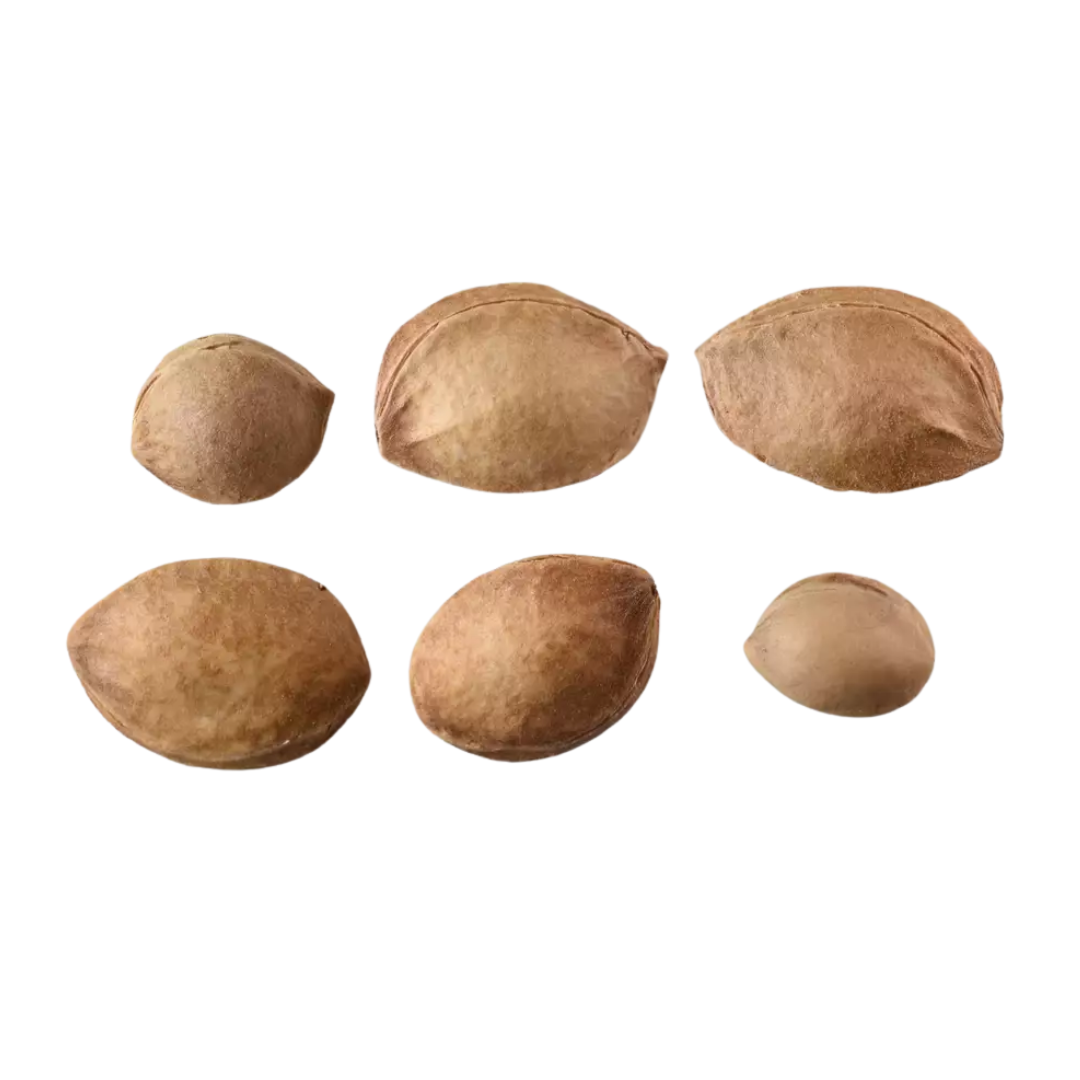
- Stratification: Required, 90 to 120 days cold moist stratification
- USDA Zones: 3 to 8
- Soil: Extremely adaptable, tolerates poor, dry, rocky, or clay soils
- Light: Full sun to partial shade
- Height: 15 to 25 feet
- Spread: 10 to 20 feet, spreads by root suckers to form thickets
- Growth Rate: Moderate to fast, 1 to 2 feet per year
Plant it at a field edge or hedgerow and let it spread. Within ten years you will have the kind of native thicket that wildlife managers spend thousands of dollars trying to create.
FAQ
FAQ
Do you pre-stratify the seeds?
Most of our seeds are not pre-stratified. We ship them unstratified so you can control germination timing based on your local growing season. We sell to all 50 U.S. states and Canadian provinces, and since each region has different planting windows, pre-stratifying would risk seeds germinating in transit or before you're ready to plant.
True stratification requires cold, moist conditions, which can lead to premature sprouting or mold if not timed properly. To avoid this, we store most seeds in dry cold conditions to preserve viability — but this does not initiate stratification.
Do any of your seeds need to stay moist? (Recalcitrant seeds)
Yes — some species we offer are recalcitrant, meaning they must remain moist to stay viable and cannot be dried out. Examples include: Chestnut, Hazelnut, Paw Paw, etc.
These seeds are shipped in moist cold storage and are clearly labeled on the product page when applicable. Please refrigerate immediately upon arrival and follow included care instructions.
Do you ship internationally?
We currently ship to the United States and Canada only. Unfortunately, we cannot ship to other countries without a phytosanitary certificate, which is required by most international customs agencies.
If you're interested in shipping outside North America, please contact us. Note that a phytosanitary certificate typically adds $60–$80 USD per seed type and must be arranged in advance.
Shipping & What's Included
Shipping & What's Included
Shipping & Packaging
Hand-packed in resealable zipper kraft paper seed bags
Stratification and planting instructions included with every order
1 free bonus seed pack included with every order
Ships within 3–5 business days via USPS
Return Policy
Return Policy
Due to the nature of our products, we do not accept returns on seeds.
However, if your order arrives damaged or incorrect, please contact us within 7 days and we’ll make it right.