

American Ginseng Seeds | (Panax quinquefolius)
American Ginseng Seeds | (Panax quinquefolius)
The most valuable plant by weight growing in the eastern forest. Yours to grow.
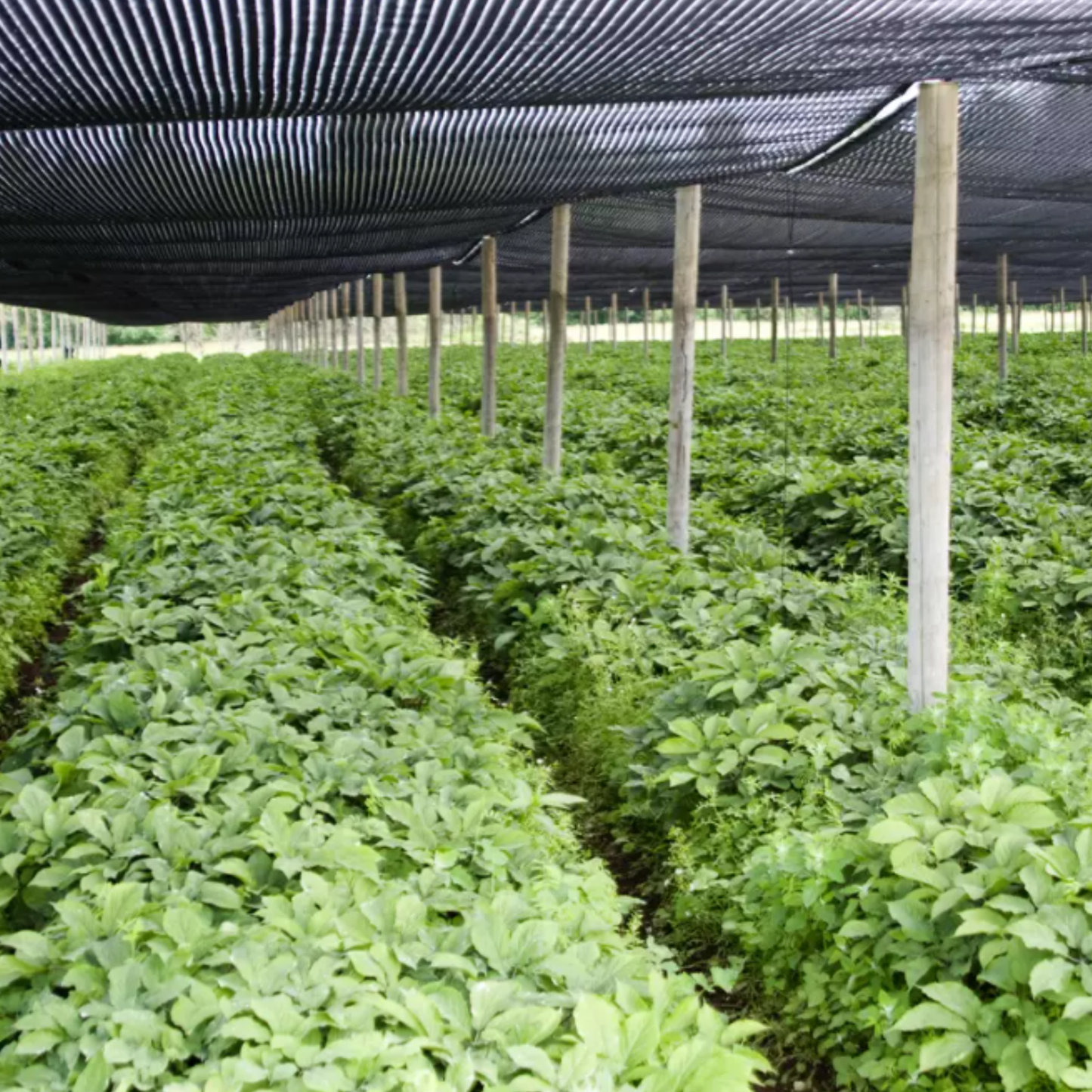
Panax quinquefolius, the American Ginseng, is among the most economically valuable wild plants in North America, with dried roots selling for prices that rival precious metals by weight and a global demand driven by five centuries of trade between North America and Asia. It is also one of the most overharvested plants in the wild, listed as threatened across much of its native range due to decades of unsustainable wild collection. Growing American Ginseng from seed in a woodland garden is a direct contribution to reducing pressure on wild populations while building a genuinely valuable medicinal and financial asset on your own property. If you are looking to buy American Ginseng seeds or grow ginseng from seed, this is the most valuable woodland plant you can cultivate.
- Among the most economically valuable wild plants in North America, dried roots sold for hundreds of dollars per pound
- Listed as a species of concern across much of its native range from overharvesting
- Used in traditional Chinese and Korean medicine for over 2,000 years, one of the most studied medicinal plants in the world
- Woodland species that grows naturally in the shade of deciduous hardwood forests
- Slow-growing and patient, requiring years to develop roots of significant size and value
Things you probably did not know about American Ginseng
A single wild-harvested American Ginseng root can sell for over one hundred dollars. The market for wild-harvested, aged American Ginseng root is driven primarily by demand from China and Korea, where wild American Ginseng commands prices many times higher than cultivated Asian varieties. Root buyers travel to Appalachian communities every fall to purchase wild-dug roots, which are then exported to Asia. A particularly old, well-formed root from a wild plant can sell for extraordinary amounts.
American Ginseng trading began before the American Revolution. French Jesuit priests in Canada, aware of the enormous Chinese demand for Asian ginseng, identified American Ginseng in the forests of Quebec in the early 18th century. By 1718 a significant trade in American Ginseng had developed between North America and China through European trading companies. By the time of the Revolution, American Ginseng was one of the most valuable exports leaving the eastern United States. Daniel Boone is documented as a ginseng trader as well as a frontiersman.
The root takes ten years or more to develop genuine medicinal value. American Ginseng roots develop slowly in their woodland habitat, adding annual growth rings similar to trees. Roots younger than five years have minimal marketable value. Roots aged ten years or more are considered to be of genuine medicinal quality. Old-growth wild roots aged 20 to 50 years, now extremely rare, command the highest prices in Asian markets because age is considered the primary indicator of potency.
It requires specific woodland soil conditions to thrive. American Ginseng grows naturally under the canopy of mature hardwood forest in deep, rich, moist but well-drained soil with a neutral to slightly acidic pH and high organic matter content. Replicating these conditions in a woodland garden, under mature oak, maple, or hickory canopy with a thick leaf mulch, is the key to successful cultivation. It will not grow in open sun or in poor, thin, or overly wet soils.
Growing Details
- Botanical Name: Panax quinquefolius
- Stratification: Required, warm stratification of 4 to 6 months followed by cold stratification of 3 to 4 months, a two-year process before germination
- USDA Zones: 3 to 7
- Soil: Rich, well-drained, neutral to slightly acidic, high organic matter, consistent moisture
- Light: Deep shade to partial shade under mature deciduous hardwood canopy
- Height: 8 to 24 inches
- Spread: 8 to 18 inches
- Growth Rate: Very slow, 3 to 5 years to first leaf, 10 years or more to marketable root
FAQ
FAQ
Do you pre-stratify the seeds?
Most of our seeds are not pre-stratified. We ship them unstratified so you can control germination timing based on your local growing season. We sell to all 50 U.S. states and Canadian provinces, and since each region has different planting windows, pre-stratifying would risk seeds germinating in transit or before you're ready to plant.
True stratification requires cold, moist conditions, which can lead to premature sprouting or mold if not timed properly. To avoid this, we store most seeds in dry cold conditions to preserve viability — but this does not initiate stratification.
Do any of your seeds need to stay moist? (Recalcitrant seeds)
Yes — some species we offer are recalcitrant, meaning they must remain moist to stay viable and cannot be dried out. Examples include: Chestnut, Hazelnut, Paw Paw, etc.
These seeds are shipped in moist cold storage and are clearly labeled on the product page when applicable. Please refrigerate immediately upon arrival and follow included care instructions.
Do you ship internationally?
We currently ship to the United States and Canada only. Unfortunately, we cannot ship to other countries without a phytosanitary certificate, which is required by most international customs agencies.
If you're interested in shipping outside North America, please contact us. Note that a phytosanitary certificate typically adds $60–$80 USD per seed type and must be arranged in advance.
Shipping & What's Included
Shipping & What's Included
Shipping & Packaging
Hand-packed in resealable zipper kraft paper seed bags
Stratification and planting instructions included with every order
1 free bonus seed pack included with every order
Ships within 3–5 business days via USPS
Return Policy
Return Policy
Due to the nature of our products, we do not accept returns on seeds.
However, if your order arrives damaged or incorrect, please contact us within 7 days and we’ll make it right.