

Allegheny Pawpaw Tree Seeds (Asimina triloba 'Allegheny')
Allegheny Pawpaw Tree Seeds (Asimina triloba 'Allegheny')
Superior fruit from superior genetics. The pawpaw selected for the best of everything.
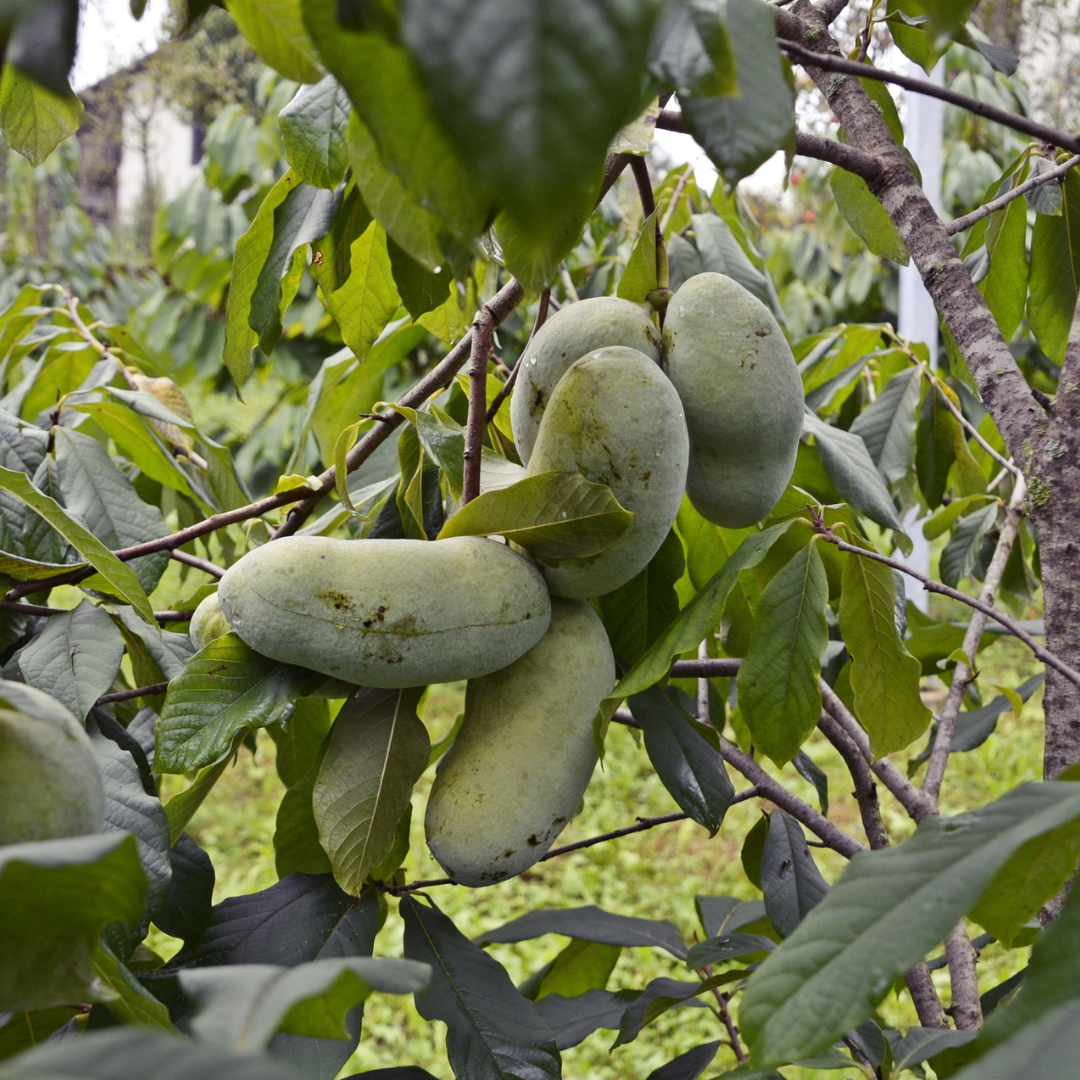
Asimina triloba 'Allegheny' is one of the most highly regarded named pawpaw selections in North American fruit tree horticulture, developed through evaluation of thousands of seedlings for superior fruit quality, reliable production, and strong plant vigor. The fruit is large, with golden-yellow flesh of exceptional sweetness and richness, and the tree produces heavy crops when cross-pollinated with another variety. It was developed specifically to address the commercial and home orchardist demand for a pawpaw that performs consistently rather than varying year to year as wild seedlings often do. Growing Allegheny from seed will not reproduce the exact cultivar but seeds carry its genetics and produce trees with the potential for exceptional fruit quality. If you are looking to buy Allegheny Pawpaw seeds or grow superior pawpaw genetics from seed, this is the starting point for a home pawpaw planting built on proven quality.
- One of the most respected named pawpaw selections for consistent fruit quality and reliable production
- Large fruit with golden-yellow flesh, exceptional sweetness, and rich tropical flavor
- Produces heavy crops with cross-pollination from a genetically different second tree
- Cold-hardy across the native range of the species, zones 5 to 9
- Seed-grown plants carry the genetics of a proven superior selection
Things you probably did not know about the Allegheny Pawpaw
The name reflects its evaluation in the Allegheny region where cold winters enhance flavor. Pawpaw flavor development is closely linked to temperature patterns during fruit maturation. Cool nights in late summer and fall, as experienced across the Allegheny plateau region, concentrate the sugars and aromatic compounds that make the best pawpaws exceptional. Varieties selected in this region tend to perform best in similar cool-summer climates.
The Allegheny selection produces fruit consistently earlier than many wild pawpaws. One of the key advantages of selected pawpaw varieties over wild seedlings is more reliable and earlier fruit production. Wild pawpaw seedlings can take 6 to 10 years to produce their first fruit and may skip production in some years. Named selections like Allegheny typically begin producing within 4 to 6 years under good conditions and fruit more reliably annually once established.
Pawpaw fruit development requires two separate genetic individuals. This point is worth repeating because it surprises many first-time growers. Pawpaw flowers have a protogynous mechanism, meaning the female parts are receptive before the male parts of the same flower release pollen, effectively preventing self-pollination. Two trees of identical clonal origin cannot reliably pollinate each other. Seed-grown trees, each being genetically unique, are the most reliably cross-compatible combination for maximum fruit production.
The flavor of a pawpaw does not survive commercial handling. Fresh pawpaws ferment rapidly after picking and cannot withstand the refrigeration and shipping conditions of commercial distribution. The fruit must be eaten within days of ripening. This is the fundamental reason why despite being the largest native fruit in North America, the pawpaw has never appeared in grocery stores. Growing your own is the only practical way to experience the fruit at its best.
Growing Details
- Botanical Name: Asimina triloba 'Allegheny'
- Stratification: Required, 90 to 120 days cold moist stratification, recalcitrant seed, keep moist
- USDA Zones: 5 to 9
- Soil: Rich, well-drained, slightly acidic, consistent moisture
- Light: Full sun to partial shade
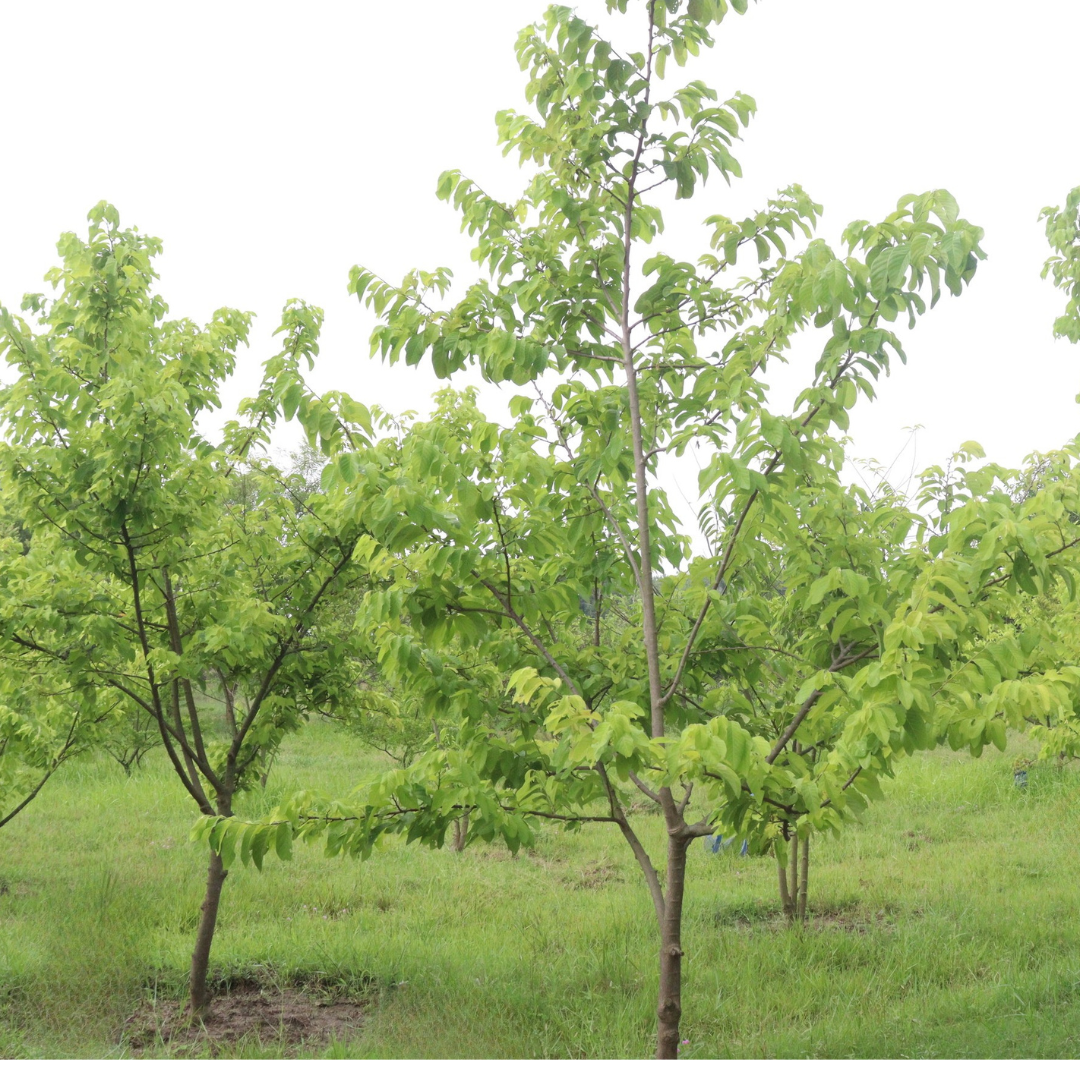
- Height: 15 to 30 feet
- Spread: 15 to 25 feet
- Growth Rate: Slow to moderate, 1 to 2 feet per year
Plant it with a second genetically different pawpaw nearby, provide consistent moisture in the first two years, and then step back. The patience required is entirely proportional to the reward.
FAQ
FAQ
Do you pre-stratify the seeds?
Most of our seeds are not pre-stratified. We ship them unstratified so you can control germination timing based on your local growing season. We sell to all 50 U.S. states and Canadian provinces, and since each region has different planting windows, pre-stratifying would risk seeds germinating in transit or before you're ready to plant.
True stratification requires cold, moist conditions, which can lead to premature sprouting or mold if not timed properly. To avoid this, we store most seeds in dry cold conditions to preserve viability — but this does not initiate stratification.
Do any of your seeds need to stay moist? (Recalcitrant seeds)
Yes — some species we offer are recalcitrant, meaning they must remain moist to stay viable and cannot be dried out. Examples include: Chestnut, Hazelnut, Paw Paw, etc.
These seeds are shipped in moist cold storage and are clearly labeled on the product page when applicable. Please refrigerate immediately upon arrival and follow included care instructions.
Do you ship internationally?
We currently ship to the United States and Canada only. Unfortunately, we cannot ship to other countries without a phytosanitary certificate, which is required by most international customs agencies.
If you're interested in shipping outside North America, please contact us. Note that a phytosanitary certificate typically adds $60–$80 USD per seed type and must be arranged in advance.
Shipping & What's Included
Shipping & What's Included
Shipping & Packaging
Hand-packed in resealable zipper kraft paper seed bags
Stratification and planting instructions included with every order
1 free bonus seed pack included with every order
Ships within 3–5 business days via USPS
Return Policy
Return Policy
Due to the nature of our products, we do not accept returns on seeds.
However, if your order arrives damaged or incorrect, please contact us within 7 days and we’ll make it right.